The best in the world operate off pure intuition. You can only read so much. You can only think so much. Ask anyone who is the best of the best in their field how they do it and they can't give an answer.
They are not being humble or secretive. They themselves do not know. Magnus always talks about how he is a poor chess player by theory standards, but he just has one-in-a-billion intuition for middle and endgames.
The best traders in the world are not the smartest, they don't have the best models. They somehow just know where to allocate capital. Same for best researchers, best designers, best athletes, etc.
Of course, this does not mean that they do not work hard. Really, most of this intuition *comes from* the hours in the dark where they themselves were in the dark; learning to traverse the idea-tree independently. To gain the intuition, you need both hours and blessings.
"No amount of money poured into physics could have ever gotten you Special Relativity, only an Einstein daydreaming at a Swiss patent shop" - @iamgingertrash
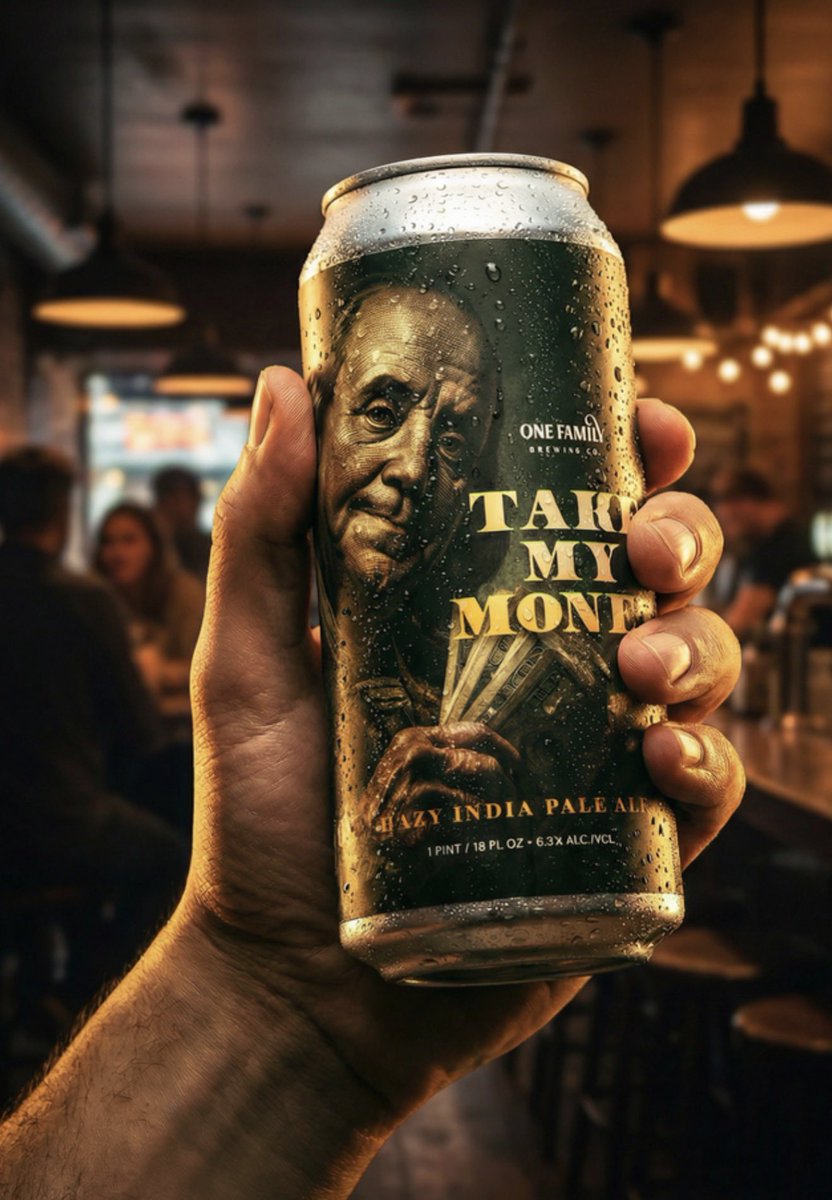
They say a first impression takes 7 seconds. Brands have way less.
Color, type, mark — they fire before a single word is read.
Strong identity is your best salesperson. Works 24/7. Never asks for a raise.
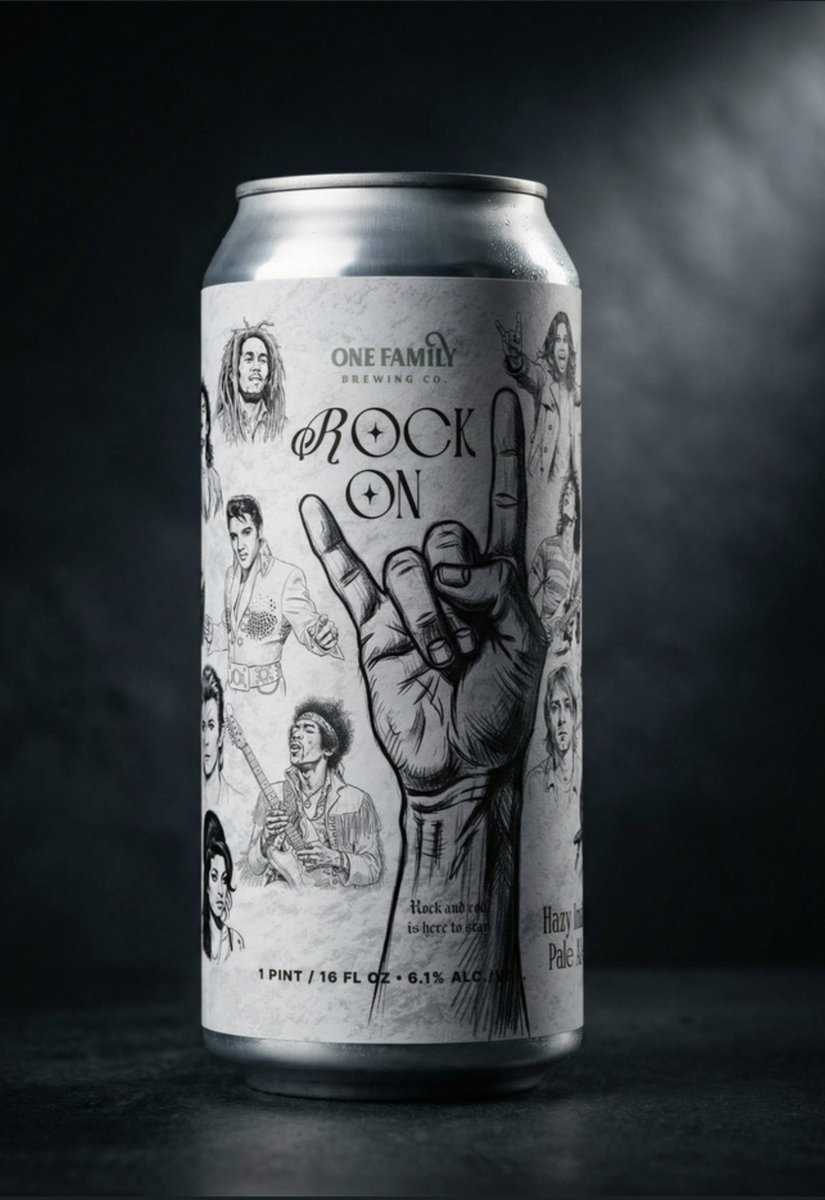
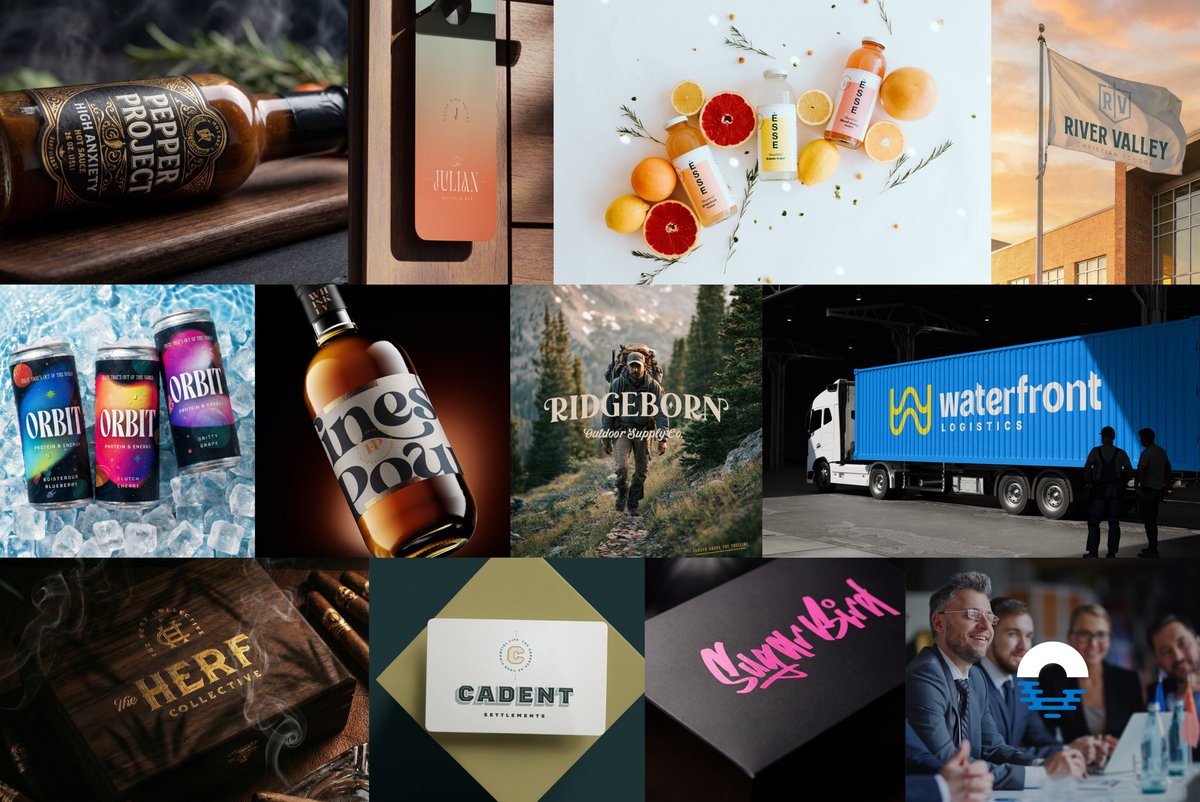
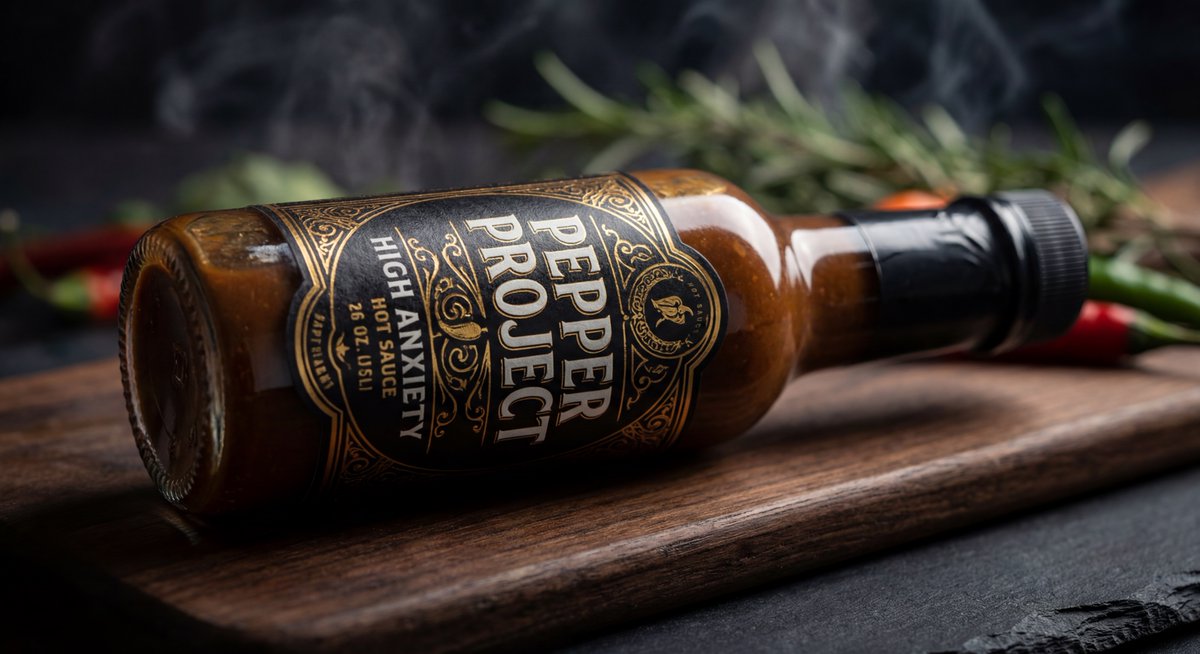
Investing in a real packaging designer will get you in the right room faster than an amazing product or pitch deck.
Too many founders go shoestring because they saw one outlier story of a founder designing their first label, launching, and selling for a billion.
That is the exception.
Great packaging will shave years off your trajectory.
I’ve seen brands with barely any traction outside of a few product jpegs get into retailer and investor conversations because the packaging made the brand look inevitable.
(of course, the product still has to hold up).
real packaging work for version 1.0 of your brand usually lives in the $5,000-$20,000 range.
spend real money on it early.
no one is reading your pitch deck.
they are making decisions in ten seconds just looking at your product.
"Designers already know how to make meaningful work. The remaining challenge is helping founders understand that safe aesthetics are not conservative decisions. They are terminal ones."