My latest cartoon for tomorrow's @Telegraph
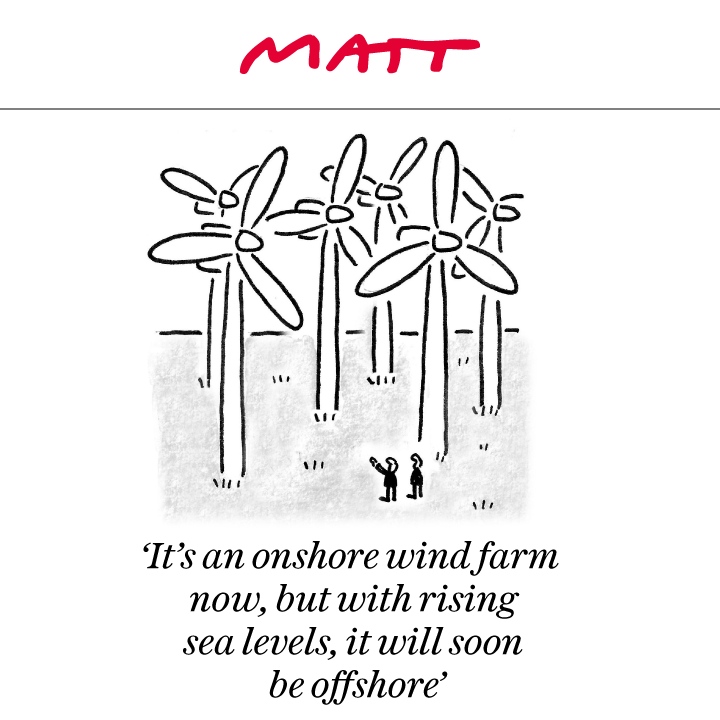
'It's an onshore wind farm now, but with rising sea levels, it will soon be offshore'
Subscribe to my weekly newsletter to receive my unseen cartoons: https://t.co/JNDhrYJMFH
My latest cartoon for tomorrow's @Telegraph
'We now come to the Oscar for Best Actor. Remember, no biting, holding, or punching below the belt'
Subscribe to my weekly newsletter to receive my unseen cartoons: https://t.co/JNDhrYJMFH
'I've been the victim of an elaborate scam. A charming man on TV said he was giving me a tax cut, but then he emptied my bank account'
My latest cartoon for tomorrow's @Telegraph
Subscribe to my weekly newsletter to receive my unseen cartoons: https://t.co/JNDhrYJMFH
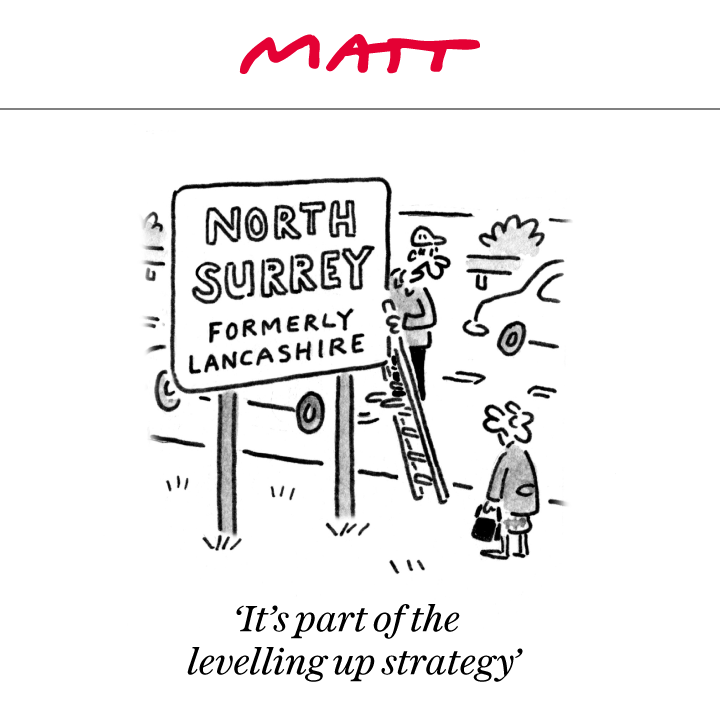
"It's part of the levelling up strategy"
My latest cartoon for tomorrow's @Telegraph
Subscribe to my weekly newsletter to receive my unseen cartoons: https://t.co/JNDhrYJMFH
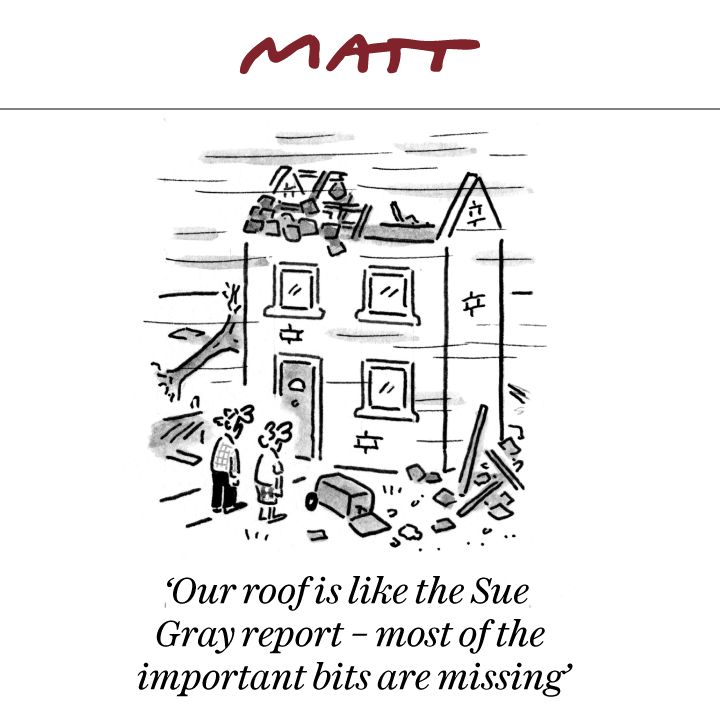
"Our roof is like the Sue Gray report - most of the important bits are missing"
My latest cartoon for tomorrow's @Telegraph
Subscribe to my weekly newsletter to receive my unseen cartoons: https://t.co/JNDhrYJMFH
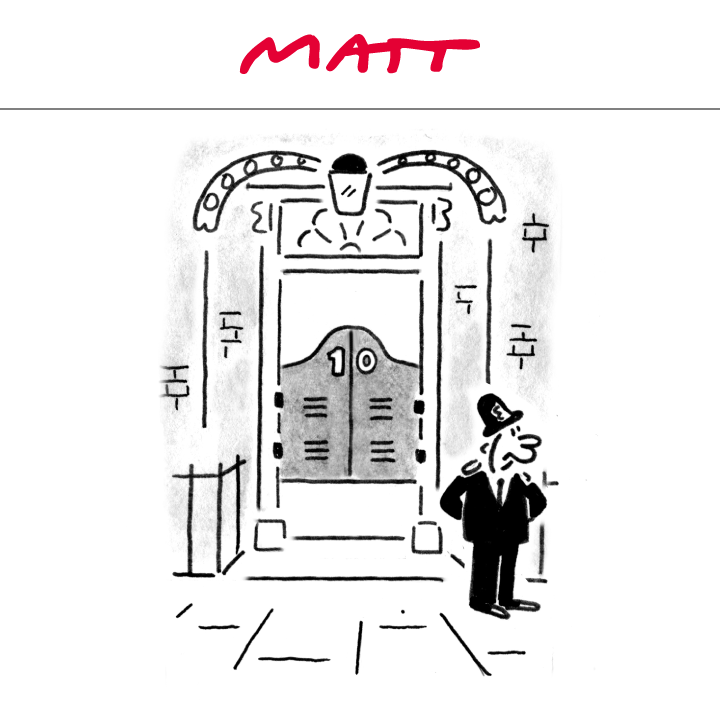
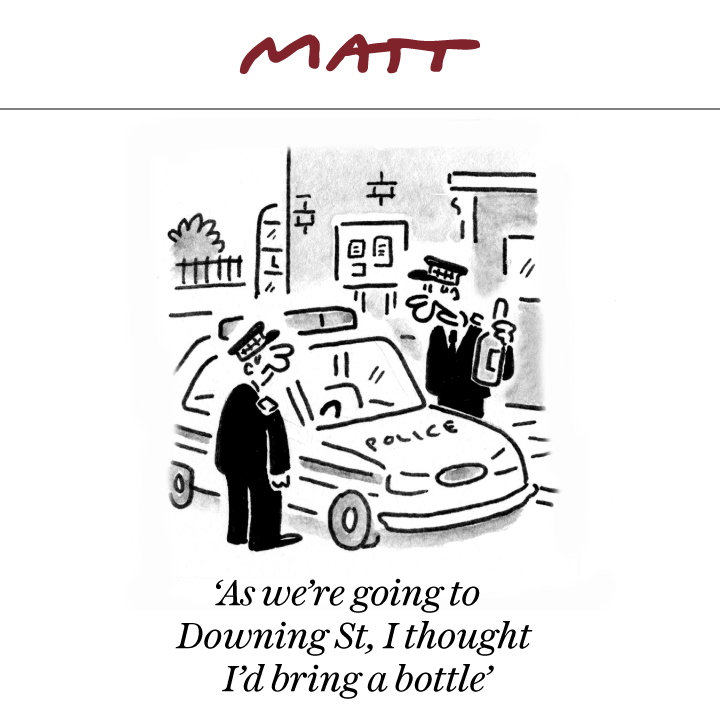
'As we're going to Downing St, I thought I'd bring a bottle'
My latest cartoon for tomorrow's @Telegraph
Subscribe to my weekly newsletter to receive my unseen cartoons: https://t.co/JNDhrYJMFH
The VIX doesn't suggest a low in stocks. We are following the pattern of the GFC. Back then, vol peaked when Lehman failed NOT at markets lows. Vol then sat above 40 chewing through risk appetite and stocks continued to fall. Using this metric we are in Oct/Nov 2008.
The forward swaps curve always moves first and it's currently steepening. Before the equity bulls get excited this is the WRONG steepening! Its a bull steepener with 2yr yields dropping faster than 10s. In the past, we had a recession within 3-6mths. Time for the Fed to cut!
For everyone that thinks this stock market is just a big bubble look at in context of the last 80 years, this is what bull markets look like.
Chart by @bostonchaahhts
A 10% loss requires a 11% gain to get back to even
A 20% loss requires a 25% gain to get back to even
A 50% loss requires a 100% gain to get back to even
A 90% loss requires a 900% gain to get back to even
Huge gains aren't easy & big losses destroy capital: Avoid big losses!