Past climate, lipids, and... espresso? ☕
Straight from the bridge deck of the JOIDES Resolution, Expedition 401 organic geochemist and @USCdornsife professor @SFeakins explains how all three are connected in the latest Science in 60 Seconds! ⏱️
#NSFFunded#IODP#EXP401
Feedback on the FOCUS report is due tomorrow! As USAC Chair Justin Dodd says, "it is more important than ever that we maintain community input and plan for the future." View his full message at https://t.co/LGeImQtp5d. Find the report and feedback form at https://t.co/rLG7R7o6Eb.
📢 En el marco de MAGIC, el @CIM_UVigo ofrece:
🔹 1 contrato predoctoral FPI (4 años)
🔹 1 contrato postdoctoral (20 meses)
Financiados por @CienciaGob 🇪🇸
🗓️ Plazos:
– Postdoc: 20 de octubre
– Predoc: 3 de noviembre
+info 👉
🔗 [https://t.co/7faMtZvIMP]
We are now accepting applications for the Wrigley Institute's 2025 Storymakers Program! Join top researchers for a weeklong intensive centered on the art of environmental storytelling.
⏰ Application deadline: January 15, 2025
Learn more and apply: https://t.co/sN9X1WvUEq
In July 2024, scientists reunited in Bremen, Germany for the #EXP401 sampling party. Over a week, they collected nearly 16,000 samples to bring back to their home labs for study.
To learn more about why they needed SO MANY samples, watch the full video at https://t.co/Y74AygWUmt
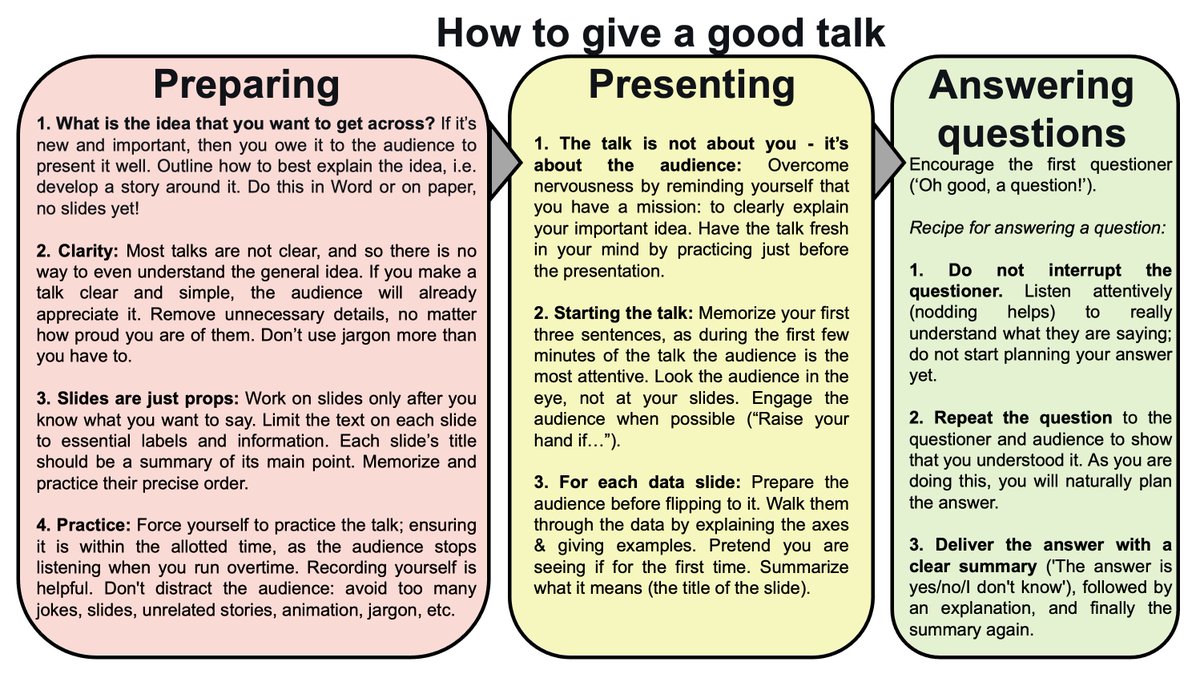
Knowing how to give a good talk is a crucial skill to have, but it's mostly not formally taught very well. Here's my strategy for how to prepare for the presentation, actually present it, and then answer the questions.
From our archives: The world's largest beaver dam was discovered on Google Earth in 2007, and since then only one person has trekked into the Canadian wild to see it, writes Ian Frazier.
https://t.co/5DphJ1HRXU
Regularly accepting review requests for papers that interest you is a great way to ensure you read with focused attention in this day of distraction. Editors commit to regularly reading the latest science more broadly. #AGUpubs
1. I feel like this is such obvious advice that it's taken for granted & so no one says this to young scientists but READ PAPERS, read all the papers. As you move up in your career you'll have a lot less time to do this. Read everything that appeals to you not just in your field
Nature Geoscience piece: "Ocean drilling makes for more robust climate modelling of the future" https://t.co/GzDTvb1FQB . Data from IODP and other sources is essential for evaluating climate models under extreme conditions. Jiang Zhu @NCAR_Science , RIchard Wood @metoffice .
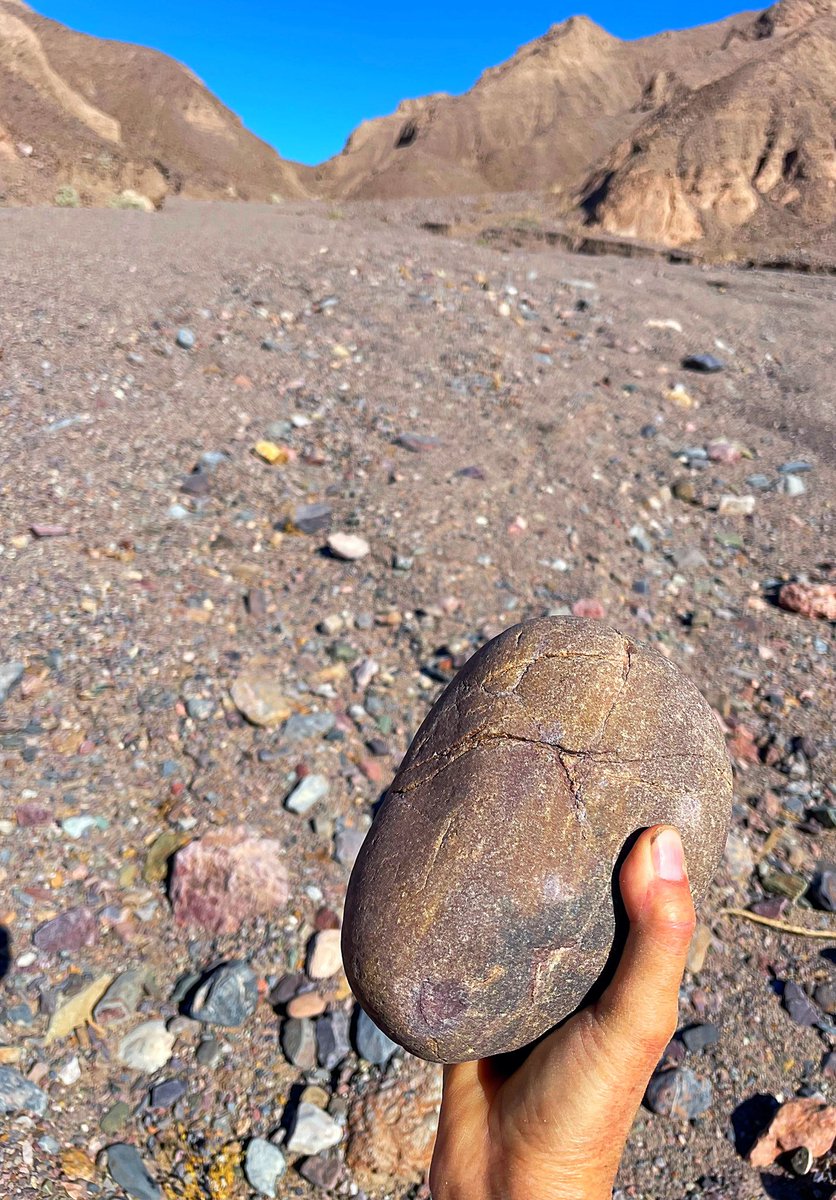
I like these “fossil” river cobbles eroding out of the Kit Fox Hills in Death Valley National Park. Polished cobbles from a good-sized river 6-10 million years ago in the Miocene. Many of the rocks were made of non local material of unknown origin—whole mountains eroded away 🧵
Lucy roamed at Hadar, 30 min https://t.co/KUJVaUx8cN featuring @YohannesAmbaye@cj_campisano @naomi_levin and others - excited to be working on biomarker-based environmental reconstructions at this site with @DISHABAIDYA1 new d13C values coming off the IRMS...tree/grass...scene!
Proxy-model comparison and modeling study led by @RPauAcosta shows warming and wetting of Europe during MCO. We study the past because #MioceneIsTheFuture
Scientific ocean drilling community, check out today's letter from U.S. Science Support Program Director Carl Brenner and U.S. Advisory Committee for Scientific Ocean Drilling Chair Justin Dodd (@IsoDodd)! https://t.co/WsUUdKqzkY
Just in: The first salmon in more than a century has been spotted swimming in waters long blocked by the Klamath River dams.
The return of the fish is seen as an early success for the dam-removal project... https://t.co/tOBPy1kJs9
I've got an open postdoc position in my group in Basel to develop H isotopes of PLFAs as indicators of soil microbial metabolism. Will begin review of applications on 15 Sept. More info and application instructions here:
https://t.co/7wUEQOr3V8