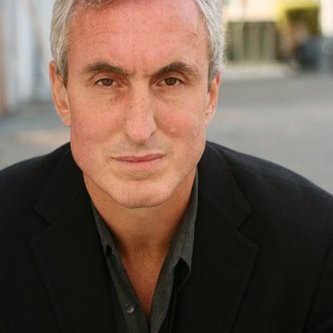
The neuroscience of eating behavior and obesity. Author of The Hungry Brain. Founder and director of Red Pen Reviews. Neuroscience PhD, University of WA.
Dismantling health and humanitarian aid via USAID has likely led to the deaths of hundreds of thousands of the world's poorest people, for trivial savings.
The latest episode of the Lawfare podcast goes beyond political propaganda to explain what USAID was, and how the current administration put it "into the wood chipper".
https://t.co/yIfOqZWC3S
"The sudden withdrawal of US funding was followed by severe, sustained disruptions to HIV service delivery in Uganda and Zimbabwe across all major domains, with the largest declines in prevention, PrEP, and testing services for key populations."
#HIV service delivery after the #PEPFAR and USAID HIV funding withdrawal in Uganda and Zimbabwe: an interrupted time-series study - first real-world, quant evidence showing drops in HIV service delivery following the USG foreign aid freeze and stop-work orders @LancetGH https://t.co/74eXv9I1iL
👉Just published in @NEJM: STAREE Trial
☝️At last, robust randomized evidence on statins for primary prevention in older adults.
🔹 9,971 adults ≥70 years, without cardiovascular disease, diabetes, or dementia
🔹 Atorvastatin 40 mg vs placebo
🔹 Median follow-up: 5.9 years
🔹 Baseline LDL-C: ~127 mg/dL NEJMoa2607314.pdf
👉Key findings:
🔹 30% reduction in major cardiovascular events
HR 0.70 (95% CI 0.61–0.82; P<0.001)
🔹 NNT = 37 over 5.9 years
🔹 MI: HR 0.57
🔹 Coronary revascularization: HR 0.57
🔹 Benefit was also observed in participants ≥75 years
👉Importantly:
🔹 No increase in dementia (HR 1.03)
🔹 No significant effect on all-cause mortality
🔹 No improvement in overall disability-free survival
🔹 Serious adverse events were similar between groups.
☝️Bottom line:
Age alone should not be a reason to withhold LDL-C lowering. Even in healthy adults ≥70 years, lowering LDL-C translates into substantial cardiovascular benefit.
@society_eas@nationallipid
🔗https://t.co/RfJMrlWLaU
@NutritionMadeS3 Yes, protein is insulinogenic. But if I had the metabolic syndrome I'd limit highly insulogenic carbs, in part due to the higher insulin exposure. I think Gerald Reaven had that right, though his work is often distorted by current-day diet advocates.
@newstart_2024 Unfortunately, influencers can make exaggerated claims on social media with zero supporting evidence and still attract a substantial following. Even more unfortunately, it’s the general public that ultimately suffers from the spread of this misinformation...
@tszzl For an untrained person eating a typical diet, strength training is much more important than eating more protein. I.e., you get most of the gains from strength training alone.
Strength training is the cake, extra protein and creatine are the icing.
@cremieuxrecueil Presumably, homeostatic reaction to fat loss gradually counteracts the appetite suppressing effect of the drugs. A new equilibrium (at a lower weight) is reached where appetite is less suppressed.
@cremieuxrecueil Burgers aren't the worst food and they can be made healthy, but the typical burger isn't very healthy IMO.
-Usually made with high-fat/SFA beef
-High heat grilled (likely mildly carcinogenic)
-White flour bun
-Usually high salt
-Often high-kcal sauces
Vaccines for cancer!! And malaria!! I've been a critic of Harvard's shortcomings over the decades, but it's vital to keep things in perspective: Harvard has 13 schools and 2.4K faculty, many doing life-saving and world-improving research. Not just Harvard: the American research university is one of humanity' greatest achievements. https://t.co/RNX9xEwbNL
@PetjaYlitalo Energy expenditure per unit lean mass is normal in obesity, so I don't think people with obesity lack the nutrients necessary to metabolize energy
One of the most obvious reasons why obesity is not a state of "internal starvation":
It's associated with ectopic fat accumulation in lean tissues like muscle, liver, and pancreas.
Adipose tissue does not excessively "trap" fat in obesity -- quite the contrary.
@not_voltaire The evidence suggests that when people discontinue GLP-1s, they keep off a portion of the weight they lost, but regain most of it.
I'm not sure what the probability is that a powerful setpoint-resetting therapy will be discovered, but it would be great.