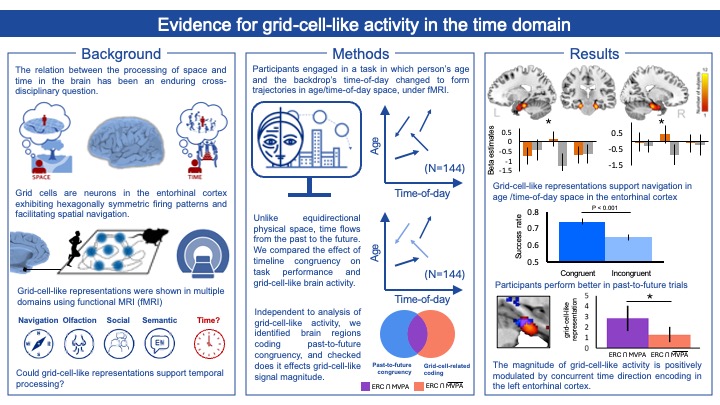
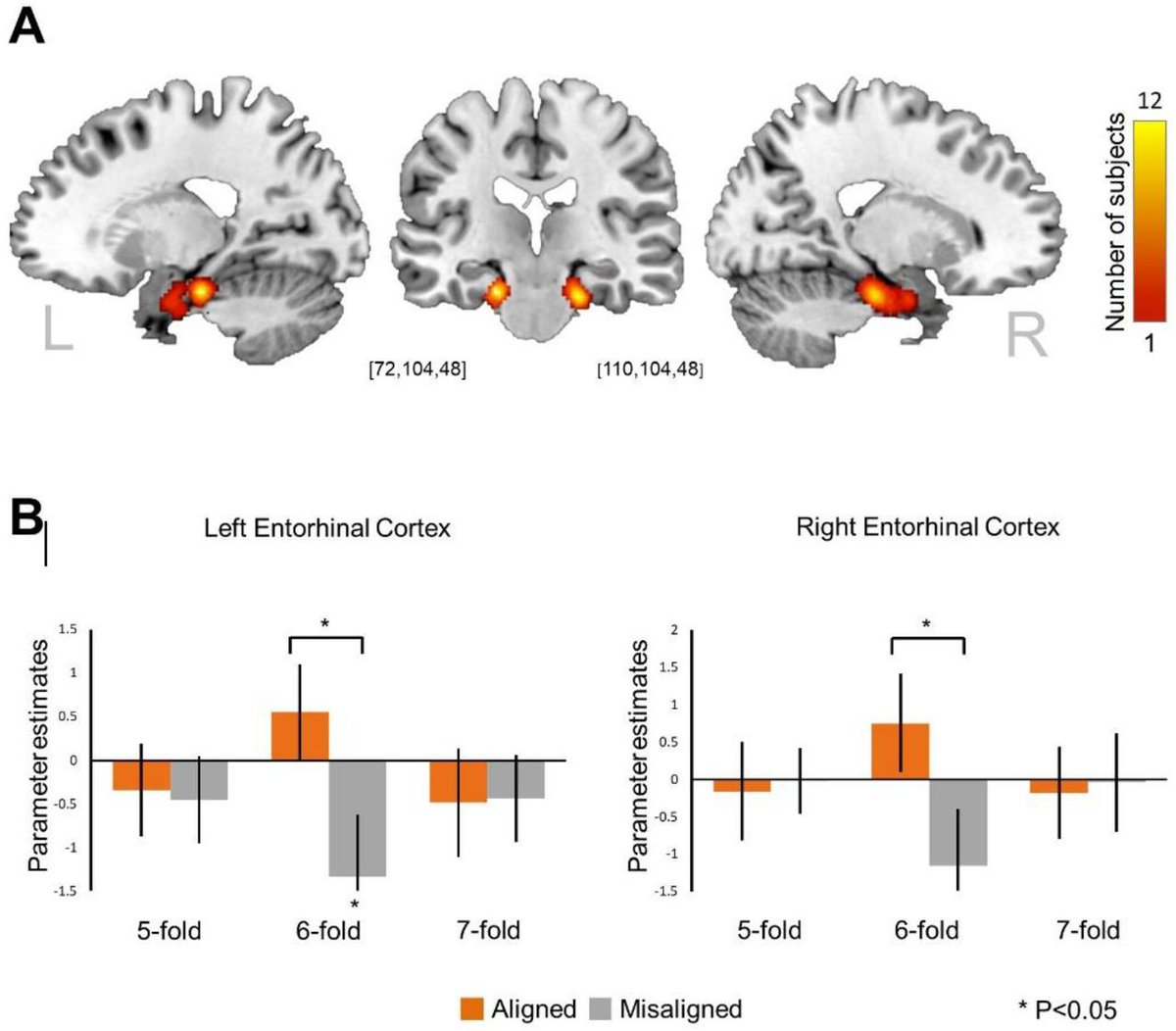
📷 New Publication! While we naturally consider time as the 4th dimension on top of the 3 spatial dimensions, our recent study @ Neuropsychologia explores the multi-dimensional processing of time by the grid-cell-related brain system using fMRI. Read here: https://t.co/egBHPw0rh5
What makes life significnat? our new work at Cerebral Cortex with @RotemMo and @Amnon_Dafni shows how central is self-reflection and that the underlying brain mechanisms are different. see more https://t.co/ybWj102swp
Most of our social brain is dedicated to the 5 closest people in our life. All other people are represented in relatively small cognitive mapping related regions. See our new preprint by @Mosheroseman with @rddunbar96 https://t.co/UNh8Q9zP8O
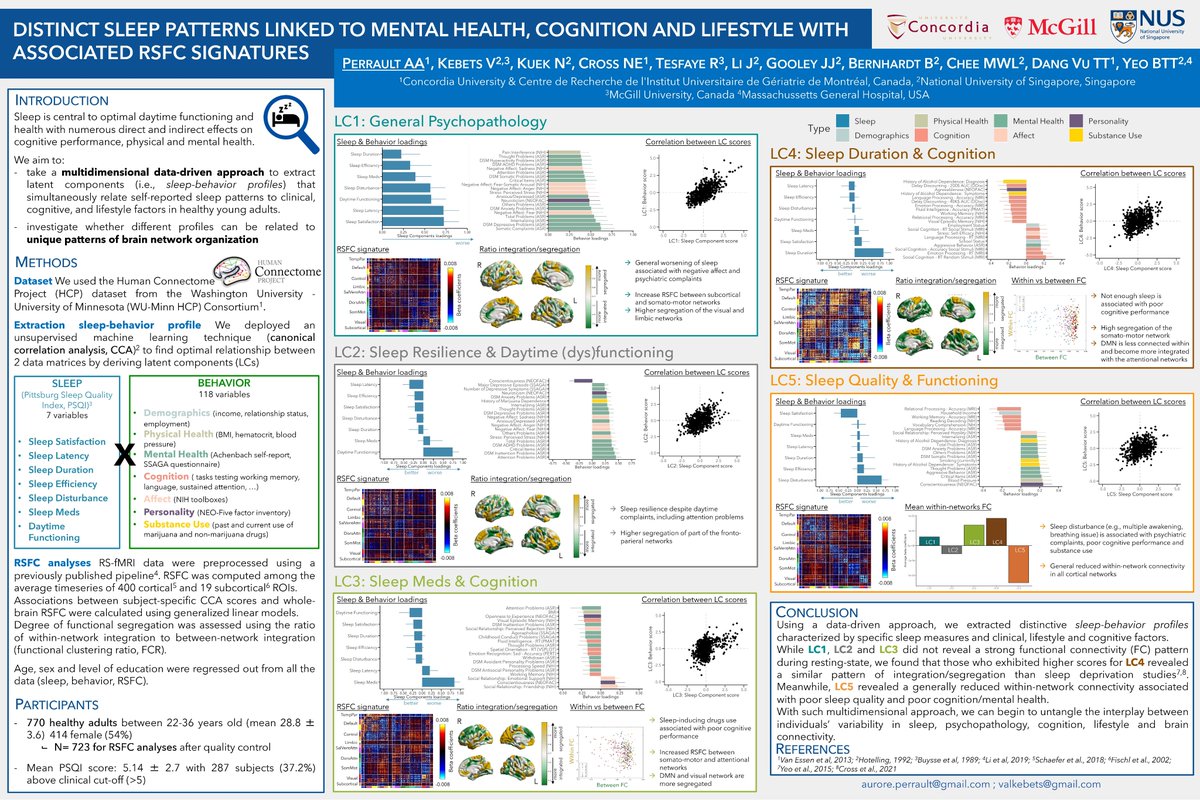
Check out our poster MT1056 linking sleep patterns with mental health, cognition, lifestyle and brain connectivity. #OHBM2022 spearheaded by Aurore Perrault @valeria_kebets & Nicole Kuek
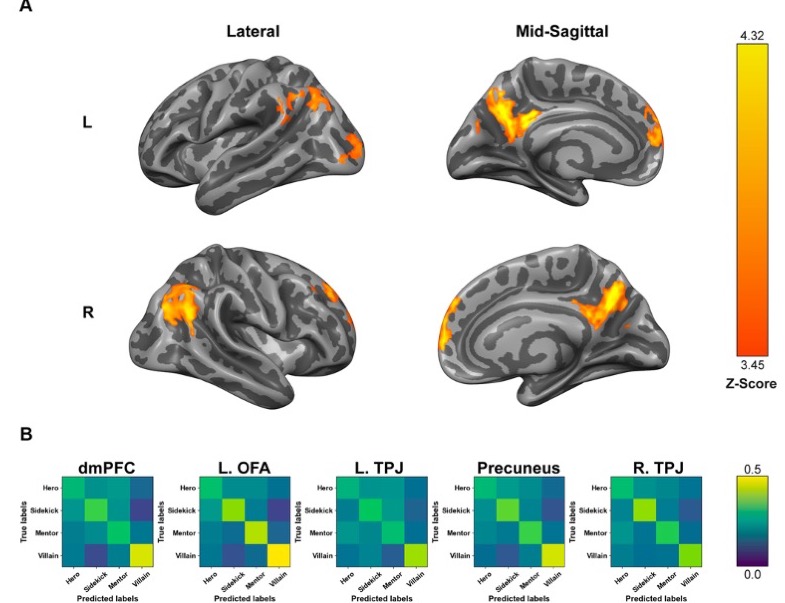
Our brain can process a tremendous number of members of our social network, How? Using blockbuster movies and fMRI, Ron and colleagues demonstrate that a most powerful strategy is social categorization by narrative roles. See our new paper at @JNeurosci https://t.co/tefhWiiFVU
Time-cells at the ms level are well known. What about grid-cells for time? here Greg Peters-Founshtein and colleagues show a grid-cell-like activity for the representation of dual time scales (age and time-of-day) at the entorhinal cortex https://t.co/WtrV5WJ9wo.
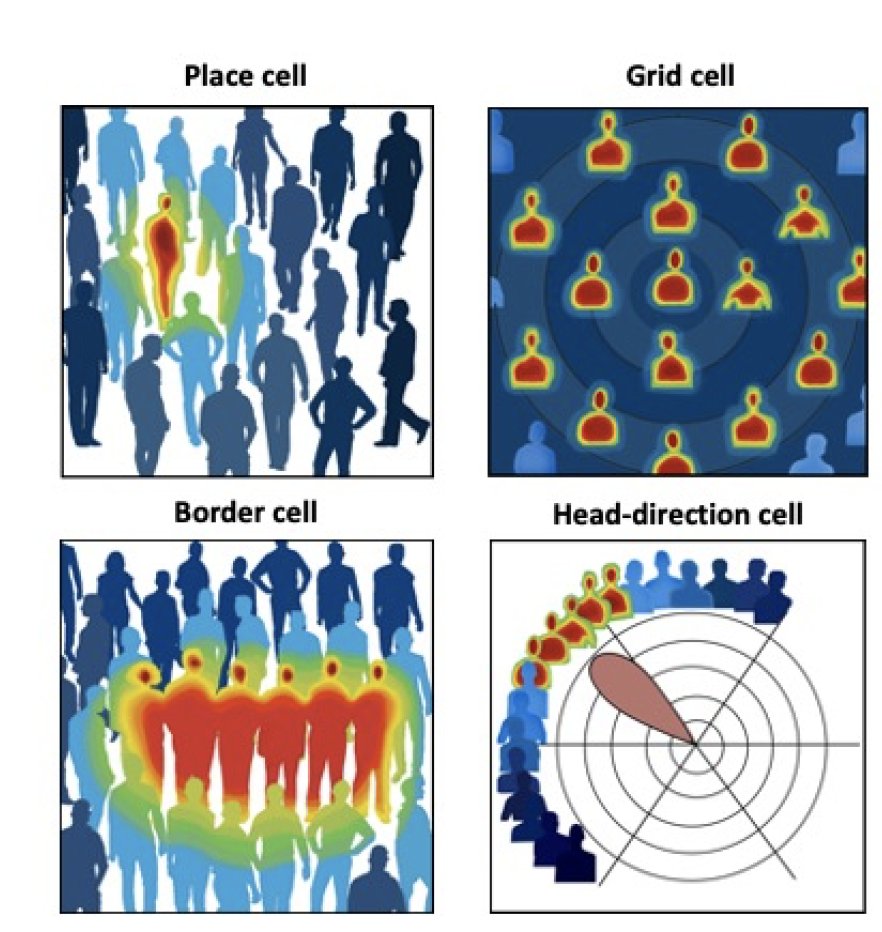
Cognitive maps are well established in spatial cognition. Are they used also for social cognition? With Raphael Kaplan we argue that hippocampal–entorhinal coordinate transformations inform social perspective taking https://t.co/Z1ycF9yhbI.
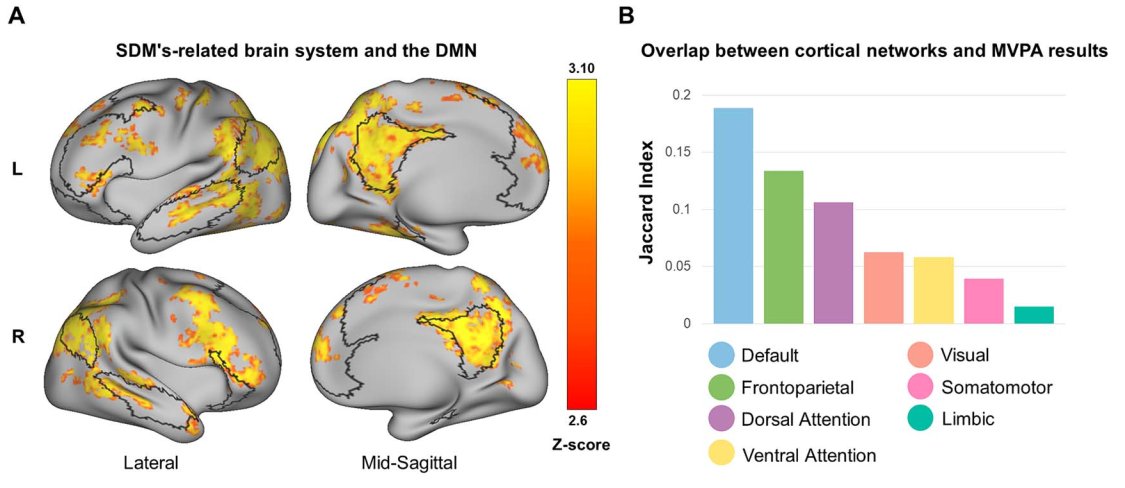
How does the brain represent our social network? What information does it take under account? And how these are related to the DMN? see our new paper with @michael_peer_@HaymanMordechai@BarTamir5 at @SfNJournals https://t.co/21ojNotjpH
A thoughtful work by @Amnon_Dafni Greg Peters-Founshtein and Shlomzion Kahana. Pave the way for new understanding of Alzheimer's disease, reconciling much of previous knowledge!
Proud and excited to announce that my first research article from the @cnplab has now been published! Check out our data which supports the role of disorientation in space, time and person as a fundamental deficit in #Alzheimers disease.
https://t.co/dbds9riHXh
#ACTN#openaccess
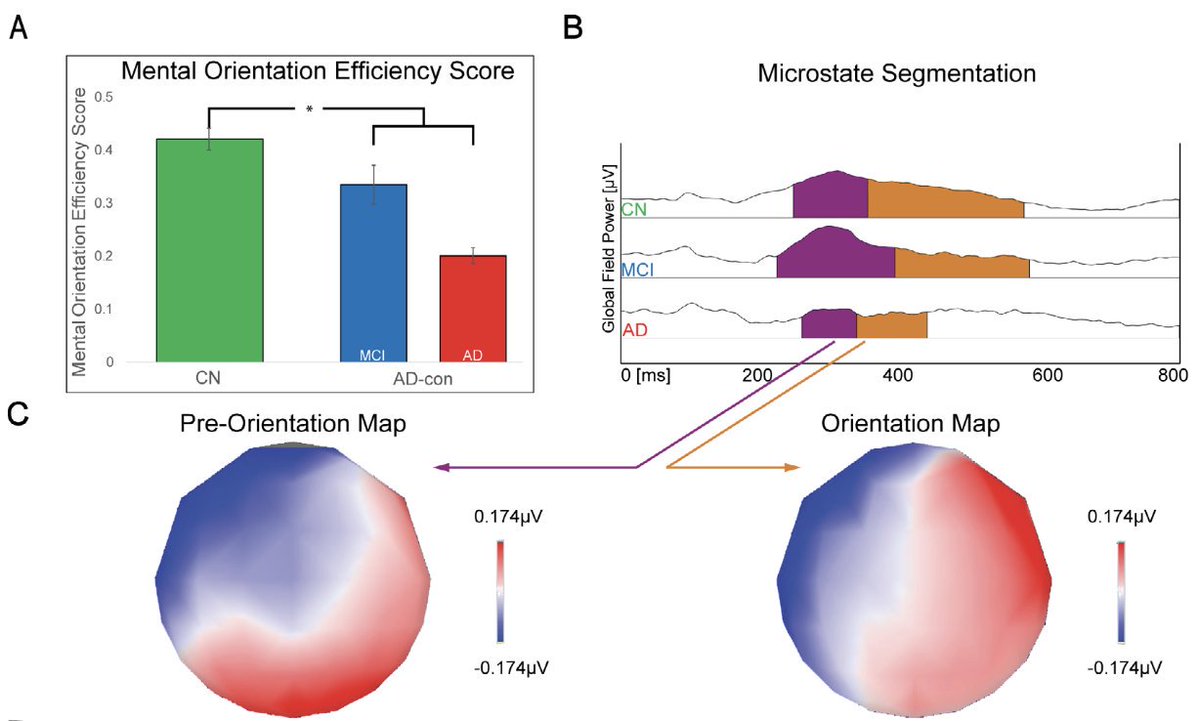
What's happening in Alzheimer's disease? our new paper shows how two systems interplay in the disease's core: the orientation function (A) & system (B, orange) declines gradually, while another system (B, purple) is hyperactive in early stages. see more at https://t.co/osUHkq0kAV
Spatial experiments usually take place in cages/VR designs. Yet we navigate in environments with different scales. Are the same system(s) process navigation in different environments? see in our new eLife https://t.co/iTWXM2yiTQ; comment by Irish&Ramanan https://t.co/PYEd7im3SU
It was fun writing an @eLife Insight article with @Muireann_Irish on @michael_peer_@ShaharArzy and team's brilliant new work on how we process spatial relationships across increasingly large scales (such as rooms, neighbourhoods, cities, and continents)!
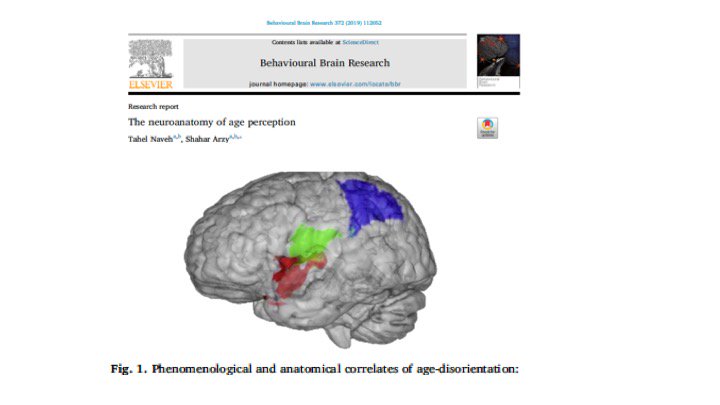
Did you know that some people with acute stroke are convinced to be much younger than they really are? But we all feel forever young, don't we? so, what is time? read more in a new paper by Tahel Naveh at https://t.co/MfJVB6wFyn