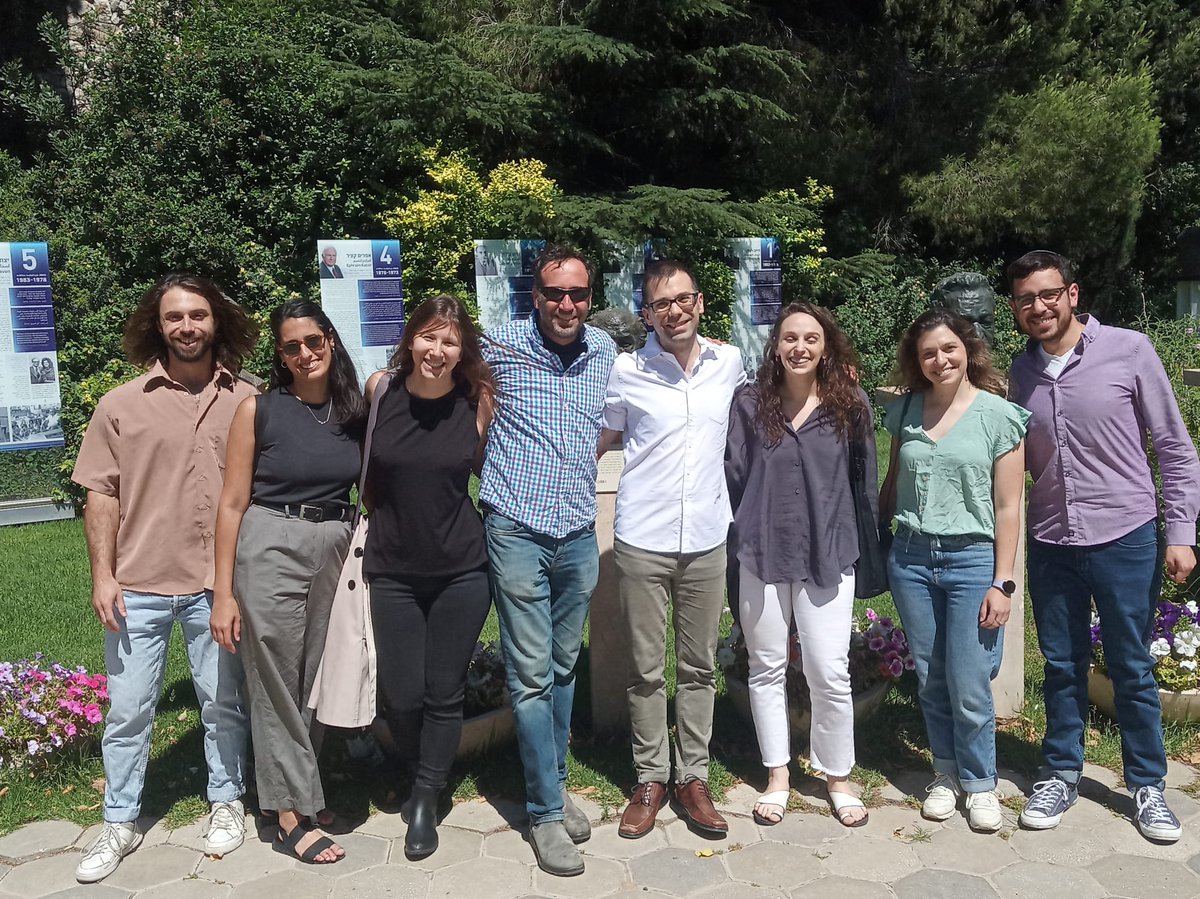
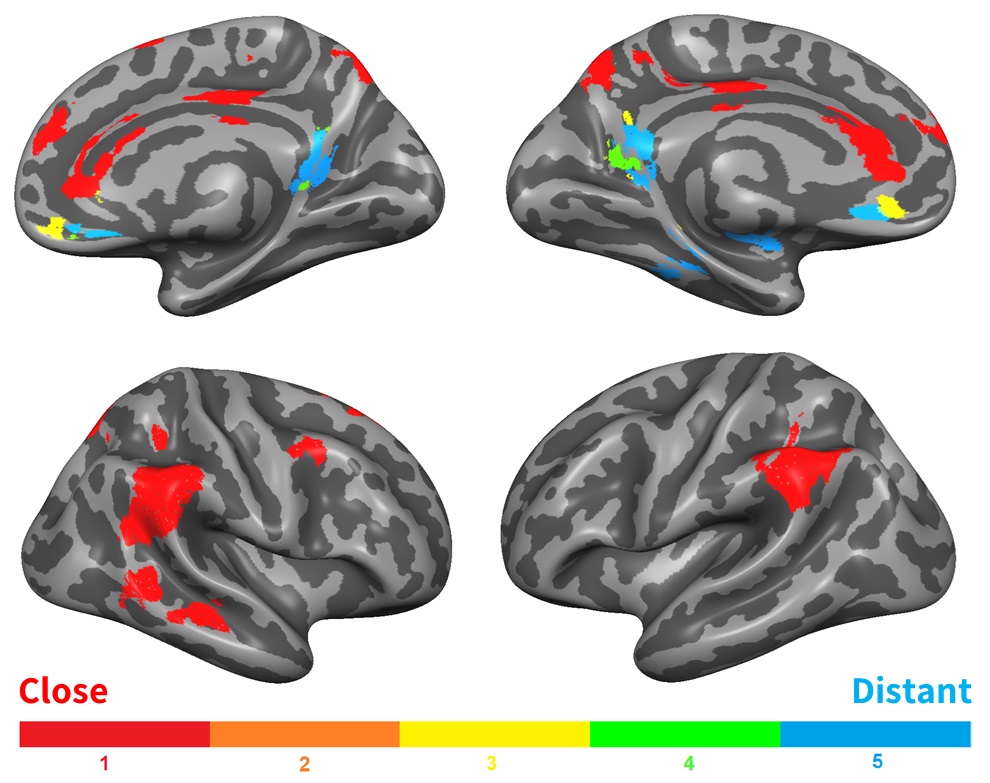
Exciting news from our lab! Check out our latest paper 'Processing of social closeness in the human brain', now published in @CommsBio. Congrats to @MosheRoseman, @ShaharArzy, and our amazing collaborator @RobinDunbar10! https://t.co/Ma6zNEx8Nv
Thrilled to share our latest publication in @CommsBio: 'Processing of social closeness in the human brain', where we show how brain processing of very close friends differs from others. Huge thanks to the legendary @RobinDunbar10 and brilliant @ShaharArzy! https://t.co/FVJpiJmZJ6
📢Excited to announce our new publication in Cerebral Cortex! This fMRI study by Rotem Monsa, @Amnon_Dafni, and @ShaharArzy, delves into the neural basis of self-defining memories and highlight the role of self-reflection in them. Read more: https://t.co/ybecYihyE0
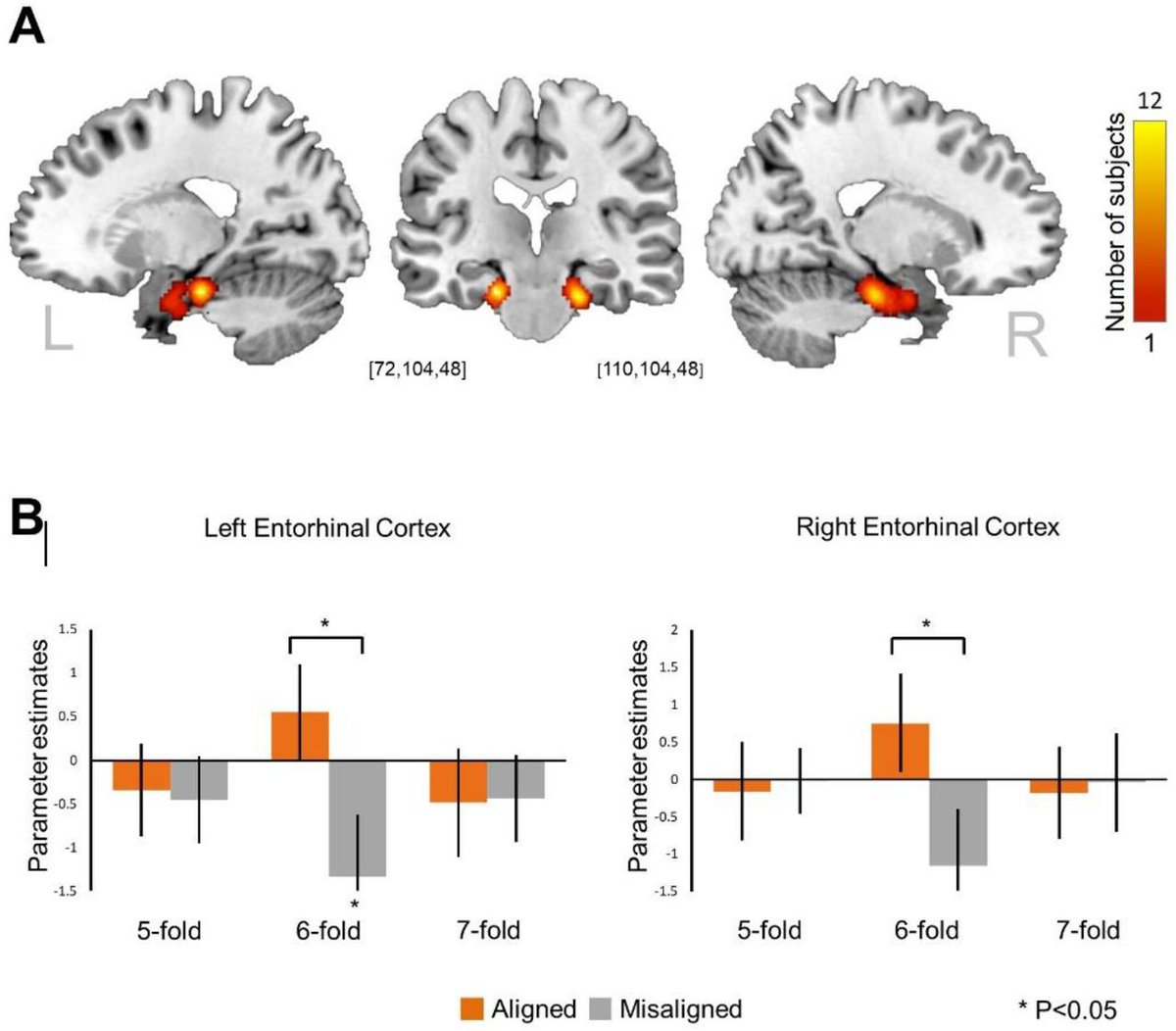
We are happy to report that our latest paper, 'Evidence for grid-cell-like activity in the time domain', has just been published in Neuropsychologia! Congrats to the talented researchers Greg, @Amnon_Dafni, Rotem & @ShaharArzy. Find the paper here: https://t.co/EHORe0XiJA
We’ve used precision mapping to reveal side-by-side, functionally specialized regions in the cognitive cerebellum!
Check out our new preprint: https://t.co/vfkkcM2u6V
With @jingnandu049@heatherlkos @pangeli95 @LaurenDiNicola Mark Eldaief @RandyLBuckner
(1/7)
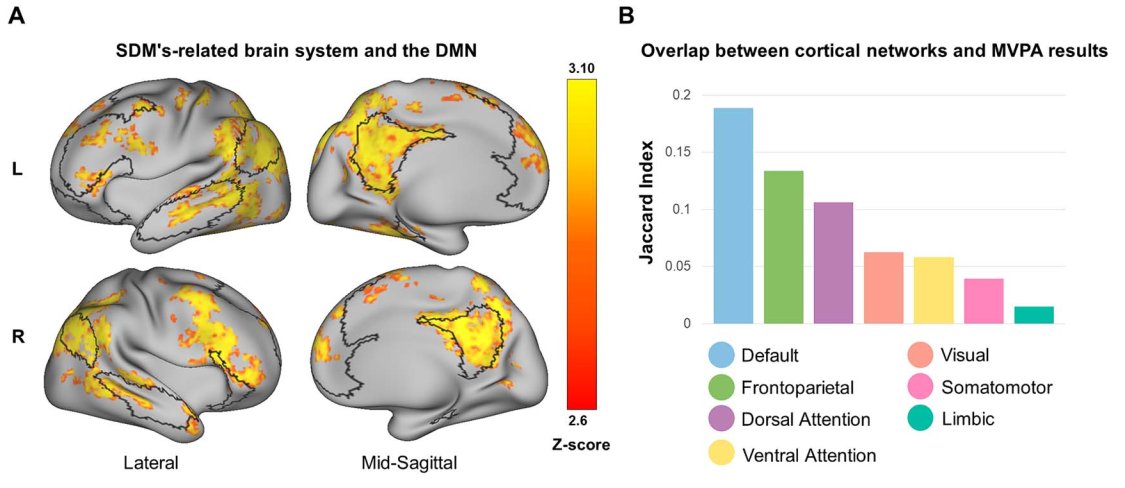
Happy to share that Cerebral Cortex just published our new paper uncovering the brain's spatial orientation system based on lesions. Congrats @MosheRoseman and Uri! Thanks to our amazing collaborators @IsaiahNeurology@neuromichael@foxmdphd @hugospiers
https://t.co/yq6WFhqMnN
How do we find our way? Lesions causing loss of ability to navigate space (topographical disorientation) are functionally connected to medial parietal/temporal & ventromedial prefrontal cortices @ShaharArzy@MosheRoseman@neuromichael@foxmdphd@HebrewU https://t.co/nMDETVcfwy
מוזמנים להקשיב לשיחה המרתקת שהקלטתי עם ד"ר יואב חמדני המקסים והמבריק!
דיברנו על היסטוריה אמריקאית- המערב הפרוע, אינדיאנים, גנרלים מפוקפקים, על התגלית סנסציונית שלו, וגם על האלבום שלו שהוקלט במנהטן והוקדש לאשדוד.
ספוטיפיי- https://t.co/rJjZCeapCG
"ברדיו עם קלצ'קין"
@yohamdani
אמלק: אם אתם יכולים - תתרמו דם. ותיכנסו למאגר תורמי מח העצם. בבקשה.
לרוב אני לא כותב על עניינים אישיים, אבל הפעם הרגשתי צורך
כבר שלושה חודשים שהמשפחה שלנו עוברת תקופה מאוד מורכבת. אשתי, ענבר, אובחנה בתסמונת נדירה ומסוכנת - אנמיה אפלסטית.👇🏽
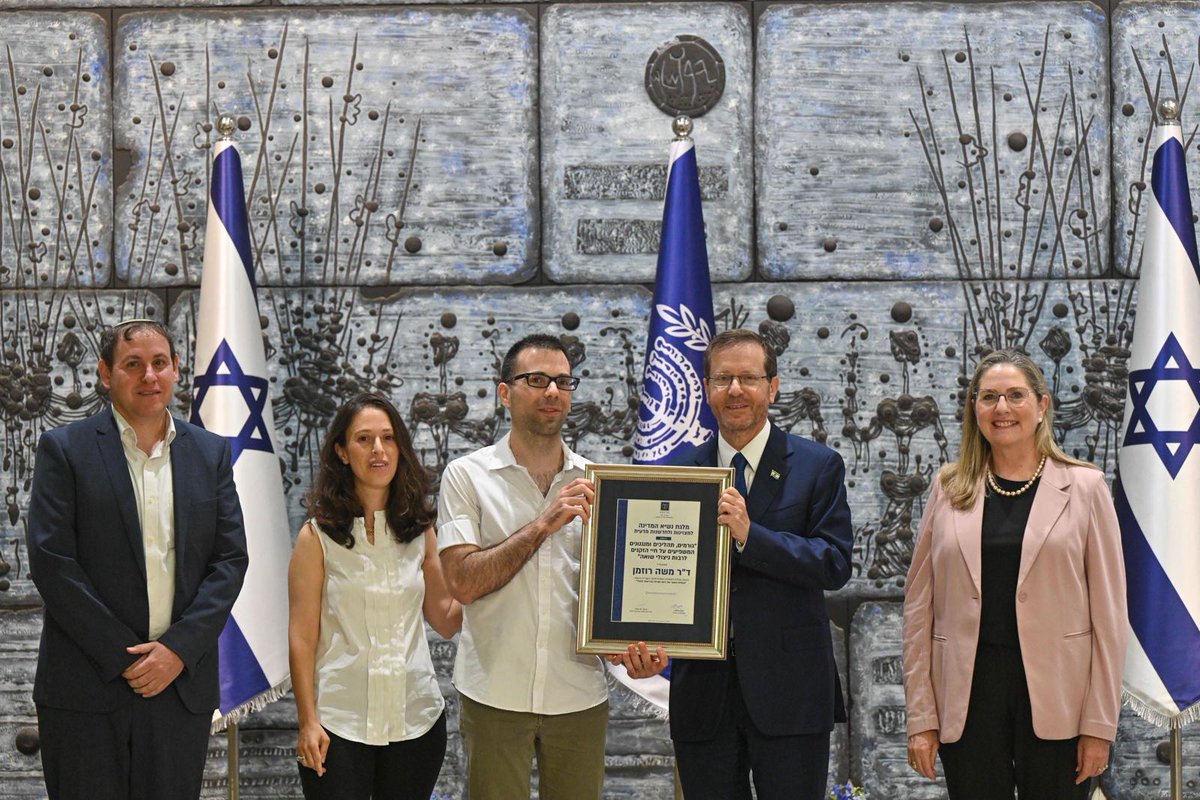
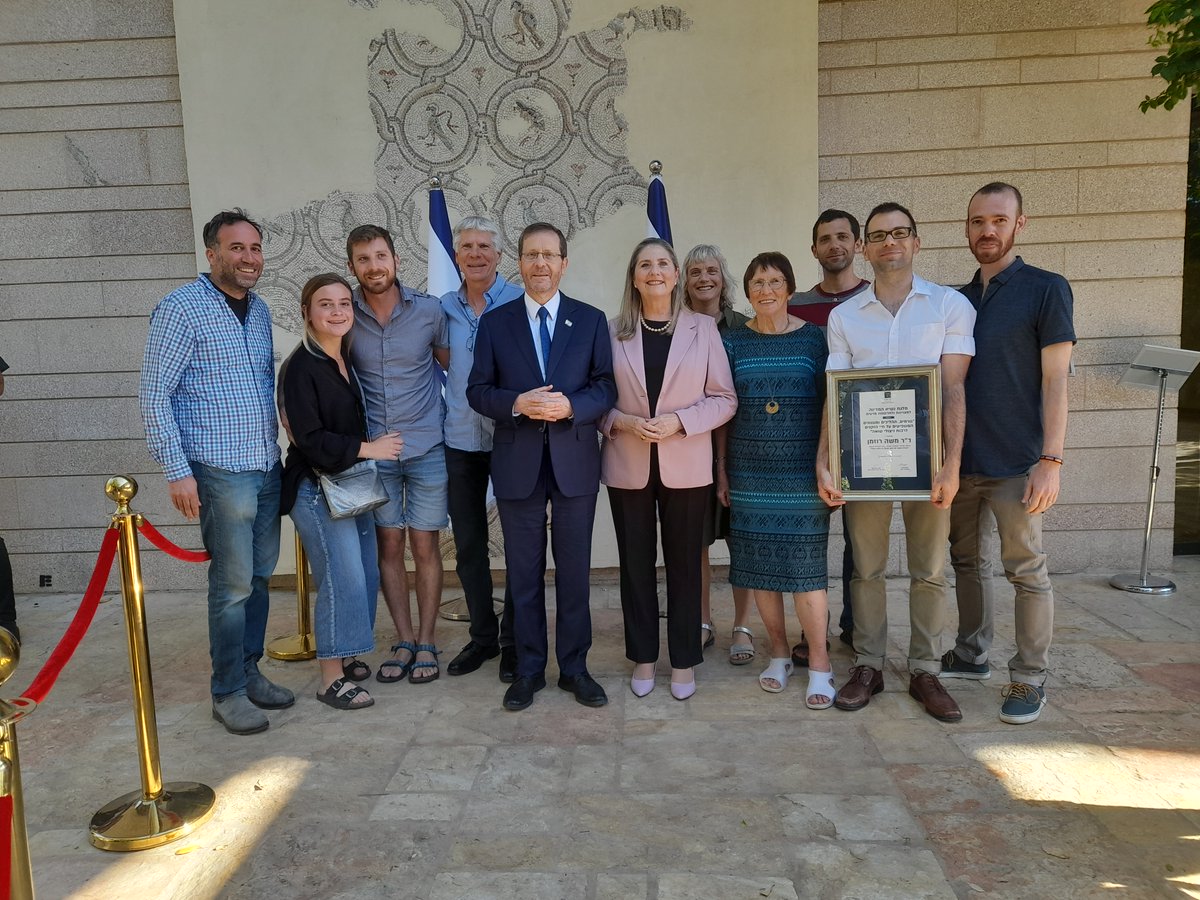
Honored to have been awarded the Presidential Scholarship for excellence and scientific innovation. I'm grateful to the President, his wife, and the scholarship committee for supporting Alzheimer's research. Thanks to my legendary mentor @ShaharArzy and all @cnplab members!
היי, כאן מיכל
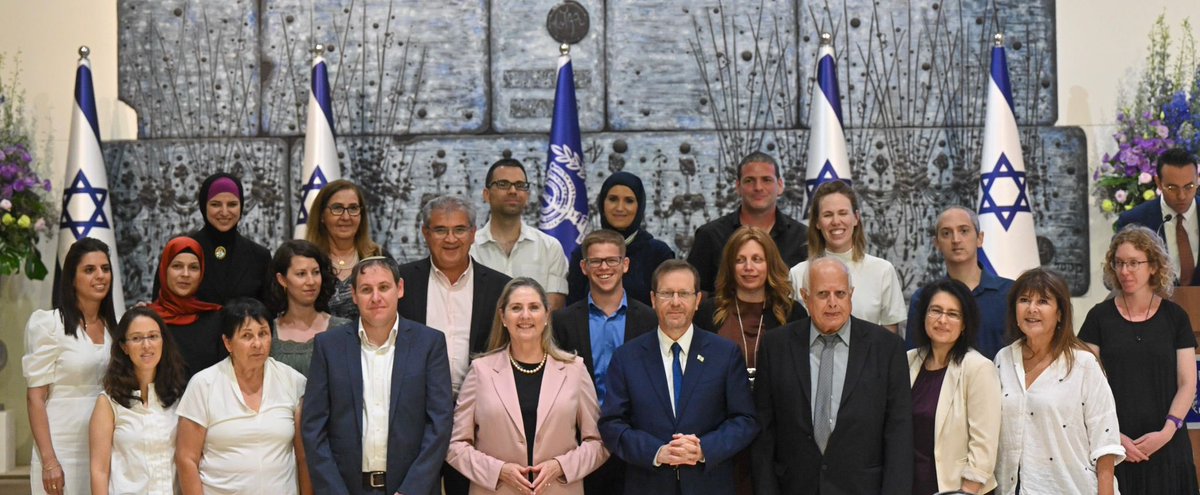
שמחנו להעניק את מלגות הנשיא לדוקטורנטיות ודוקטורנטים מצטיינים שעבודותיהם עוסקות בגורמים, תהליכים ומנגנונים המשפיעים על חיי הזקנים. הזוכים במלגות מקדישים שנים רבות מתוך מטרה להבין את תהליכי ההזדקנות ולמצוא פתרונות יצירתיים לאתגרים שהגיל מביא איתו.
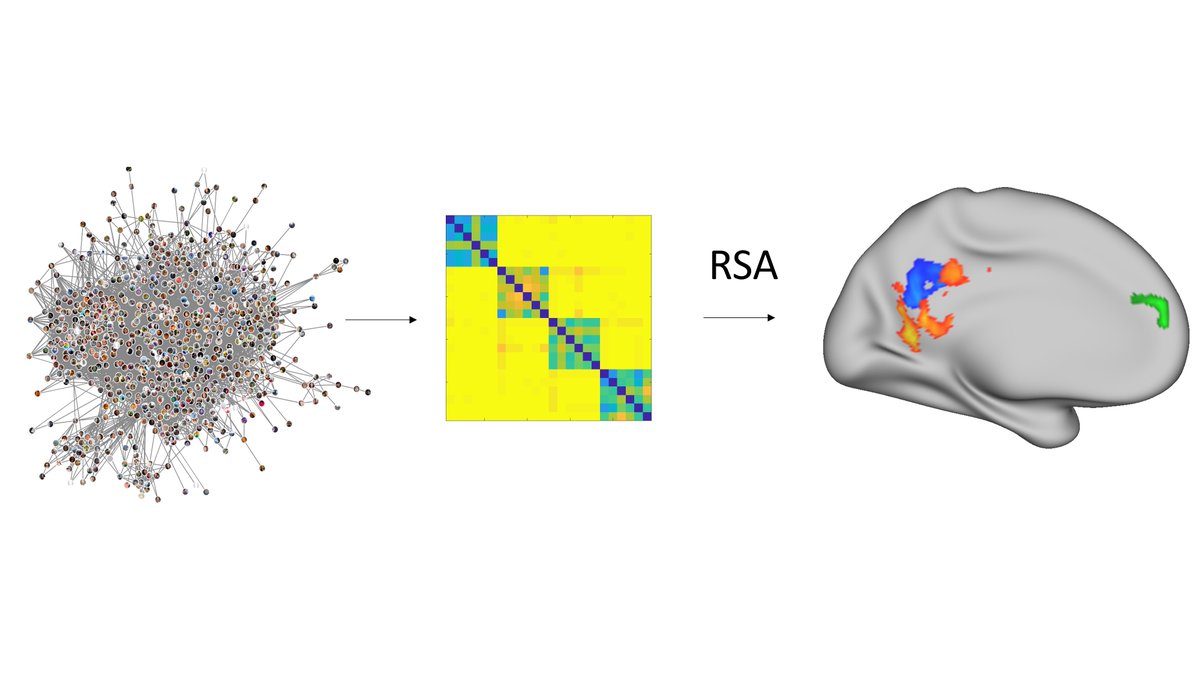
We may process our closest friends and family in different parts of the brain from the rest of our social circle, perhaps because we assume they will think and feel similarly to how we do https://t.co/HClyWsy4m3
Most of our social brain is dedicated to the 5 closest people in our life. All other people are represented in relatively small cognitive mapping related regions. See our new preprint by @Mosheroseman with @rddunbar96 https://t.co/UNh8Q9zP8O
Super excited to share my first preprint! We used fMRI to examine levels of personal closeness, and found that the majority of our social mind is dedicated to only a few closest relationships. Thanks to my mentor @ShaharArzy and the great @RobinDunbar10 https://t.co/2WHbEc0vWF
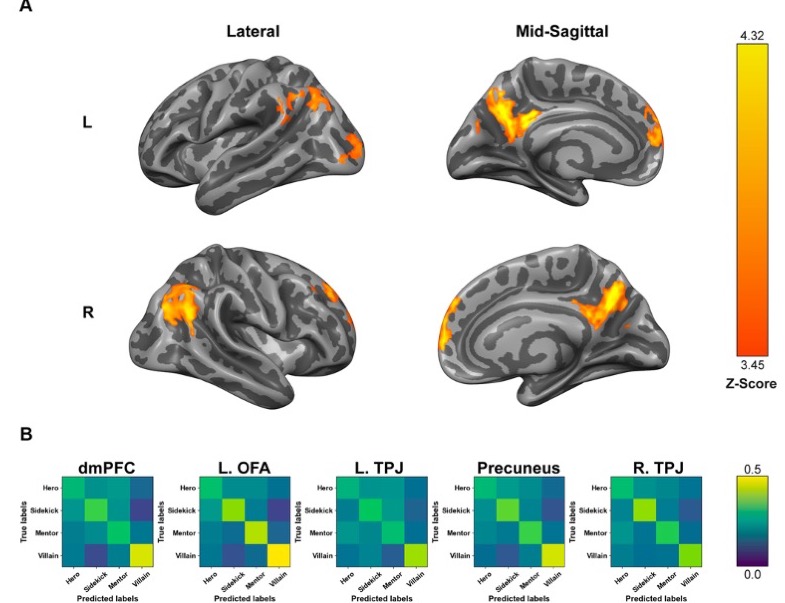
Our brain can process a tremendous number of members of our social network, How? Using blockbuster movies and fMRI, Ron and colleagues demonstrate that a most powerful strategy is social categorization by narrative roles. See our new paper at @JNeurosci https://t.co/tefhWiiFVU
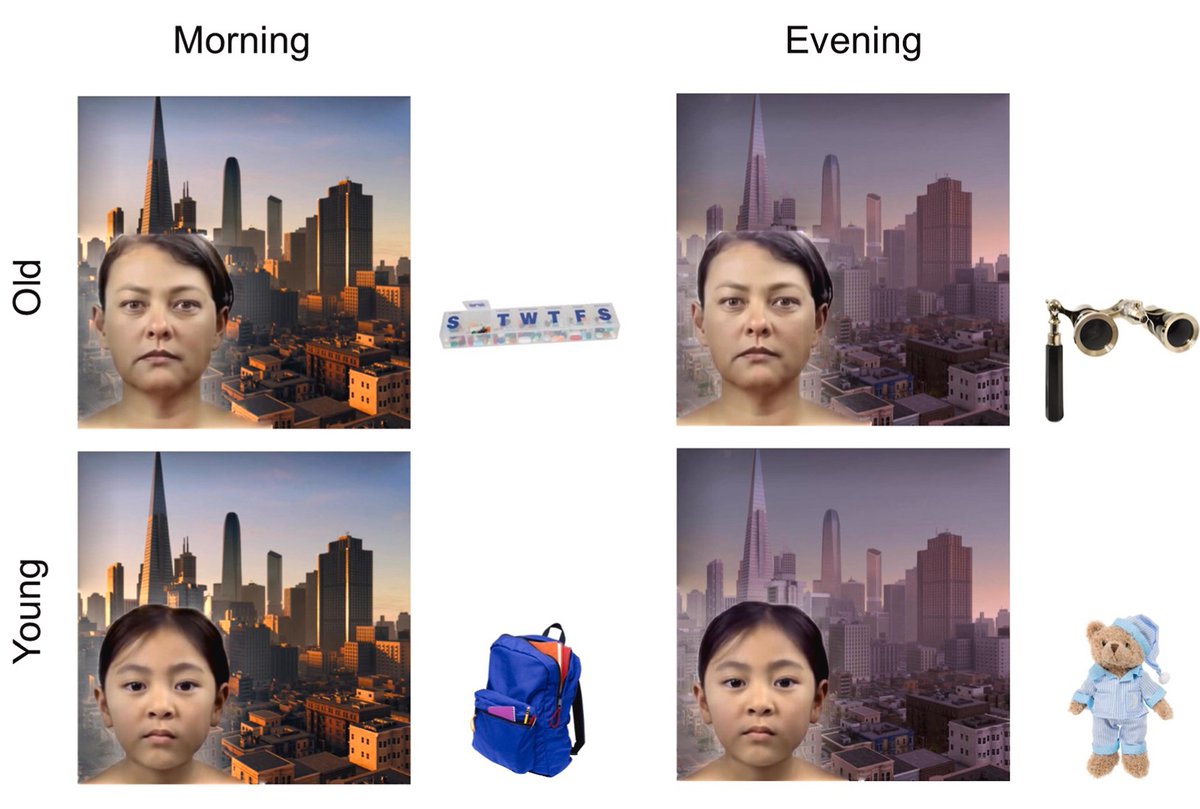
Time-cells at the ms level are well known. What about grid-cells for time? here Greg Peters-Founshtein and colleagues show a grid-cell-like activity for the representation of dual time scales (age and time-of-day) at the entorhinal cortex https://t.co/WtrV5WJ9wo.
Did you know there is a third somatomotor map in the human cerebellum?
Excited to share our new preprint
w/ @pangeli95 @LaurenDiNicola and Randy L. Buckner
https://t.co/4wZyNOA0Jd
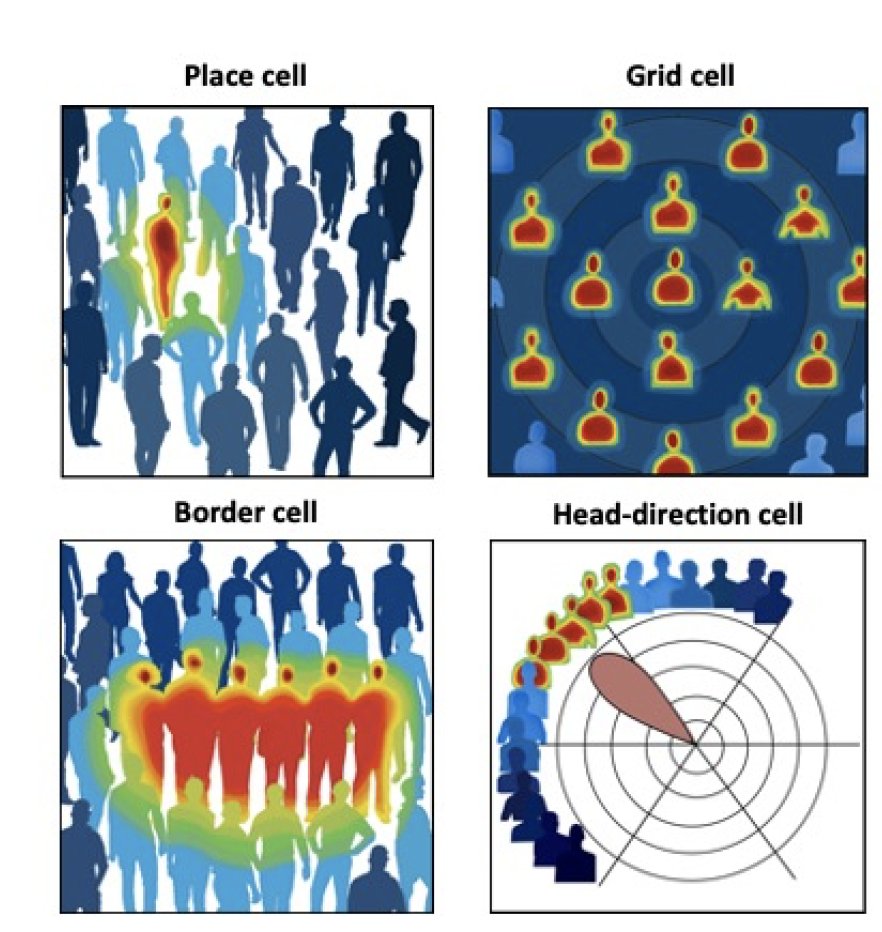
Cognitive maps are well established in spatial cognition. Are they used also for social cognition? With Raphael Kaplan we argue that hippocampal–entorhinal coordinate transformations inform social perspective taking https://t.co/Z1ycF9yhbI.