A lot of people think:
Better explanations → better learning.
That’s true, but it’s a second-order effect. The first-order effect is:
Correct prerequisite state → better learning.
Sorry, I’m not free this weekend. On Friday night, I’m busy recovering from the 5 day work week. Saturday is only 45 minutes long, and on Sunday, I’m totally occupied with a series of panic attacks because Monday is literally 30 minutes away.
𝗔𝗜 𝗶𝘀 𝗿𝗲𝗺𝗼𝘃𝗶𝗻𝗴 𝘁𝗵𝗲 𝗷𝗼𝗯𝘀 𝘄𝗵𝗲𝗿𝗲 𝘀𝗲𝗻𝗶𝗼𝗿 𝗲𝗻𝗴𝗶𝗻𝗲𝗲𝗿𝘀 𝗰𝗼𝗺𝗲 𝗳𝗿𝗼𝗺
Companies cutting junior roles to save money are running an experiment that economics already answered in 1962. That year, Kenneth Arrow turned an observation into formal theory: people get better at their work by doing it.
He called it 𝗹𝗲𝗮𝗿𝗻𝗶𝗻𝗴 𝗯𝘆 𝗱𝗼𝗶𝗻𝗴 and went on to win a Nobel Prize.
Last month, researchers from the Atlanta Fed, Columbia, UT Austin, and Chicago Booth applied his theory to AI automation. The result is bad news for the companies doing the cutting.
Here is the argument:
𝟭. 𝗟𝗲𝗮𝗿𝗻𝗶𝗻𝗴 𝗼𝗻𝗹𝘆 𝗵𝗮𝗽𝗽𝗲𝗻𝘀 𝗱𝘂𝗿𝗶𝗻𝗴 𝘄𝗼𝗿𝗸
Arrow's core claim: "Learning is the product of experience." We don't get it from study alone, we get it from solving real problems. He pointed to the Horndal iron works in Sweden, where productivity grew close to 𝟮% 𝗽𝗲𝗿 𝘆𝗲𝗮𝗿 for 15 years with no new investment. Nothing changed except the workers, who kept learning.
𝟮. 𝗘𝗻𝘁𝗿𝘆-𝗹𝗲𝘃𝗲𝗹 𝘁𝗮𝘀𝗸𝘀 𝗮𝗿𝗲 𝘁𝗵𝗲 𝗰𝘂𝗿𝗿𝗶𝗰𝘂𝗹𝘂𝗺, 𝗻𝗼𝘁 𝘁𝗵𝗲 𝗰𝗼𝘀𝘁 𝗰𝗲𝗻𝘁𝗲𝗿
The researchers argue junior work is where engineers build the skill senior roles depend on: debugging production incidents, writing tests, reviewing code. None of this transfers from a degree. When we automate these tasks, we automate the training pipeline along with them.
𝟯. 𝗧𝗵𝗲 𝘀𝗾𝘂𝗲𝗲𝘇𝗲 𝗶𝘀 𝗮𝗹𝗿𝗲𝗮𝗱𝘆 𝘃𝗶𝘀𝗶𝗯𝗹𝗲
Unemployment for young degree-holders now runs consistently above the overall rate, a reversal of the historical pattern. AI isn't the only cause. Post-pandemic overhiring and a slower job market play a part too. But the graduates locked out today are the missing senior engineers of 2032.
𝟰. 𝗧𝗵𝗲 𝗺𝗼𝗱𝗲𝗹 𝗽𝗿𝗲𝗱𝗶𝗰𝘁𝘀 𝗮 𝗵𝘂𝗺𝗮𝗻-𝗰𝗮𝗽𝗶𝘁𝗮𝗹 𝘁𝗿𝗮𝗽
The economy has two stable states, one with high learning and one with low. Cheaper AI improves the first and tips the second into a trap. An industry that settles into low learning ends up with a smaller pool of "low-quality managers", as the paper calls it.
𝟱. 𝗧𝗵𝗲 𝗰𝗼𝘀𝘁𝘀 𝗮𝗻𝗱 𝘁𝗵𝗲 𝘀𝗮𝘃𝗶𝗻𝗴𝘀 𝗹𝗮𝗻𝗱 𝗼𝗻 𝗱𝗶𝗳𝗳𝗲𝗿𝗲𝗻𝘁 𝗽𝗲𝗼𝗽𝗹𝗲
Automation savings show up in this quarter's profits, but the bill for lost learning lands almost entirely on workers. And because learning spills over between firms, one company's decision to cut its juniors eventually weakens the talent pool for everyone, including itself.
How to solve this? The researchers propose taxing automation profits and subsidizing firms that keep people on frontier tasks. Whatever policy does, the question for us is simpler: if AI writes the code juniors used to write, who reviews the AI's code in 2032?
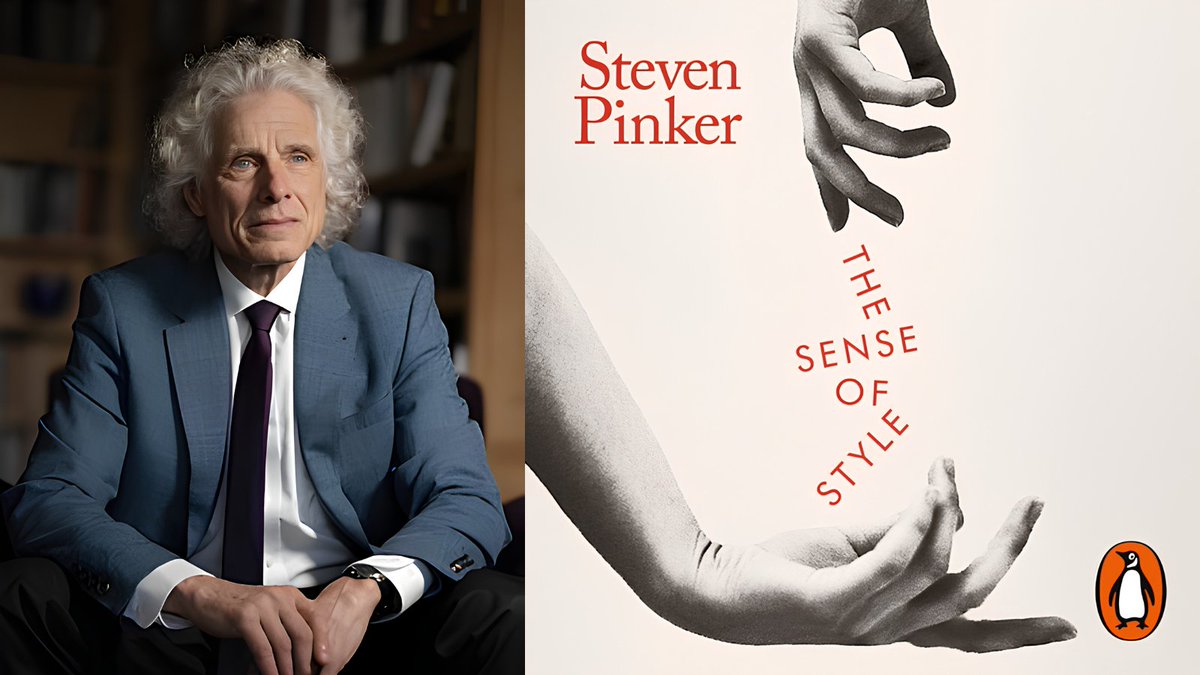
Steven Pinker is a Harvard psychologist who wrote the only style guide based on how the brain actually reads.
Here are 10 writing fixes from "The Sense of Style" rooted in cognitive science, not grammar rules.
1) The curse of knowledge ruins more writing than laziness
A Stanford psychiatrist warns dangerous stress can lock your body in survival mode, amplify your fear response, and make your brain feel unsafe.
If I wanted to fix it naturally, I'd do these 8 things every day:
1. Make your exhale longer than your inhale.
Study calculus.
not because exams exist.
because reality moves.
• derivatives → how things change
• integrals → how change accumulates
• limits → what happens at the edge
• gradients → where systems want to go
• differential equations → how nature evolves
motion, heat, fluids, control, optimization, robotics, ML.
all of it speaks calculus.
without it, you see outputs.
with it, you see dynamics.
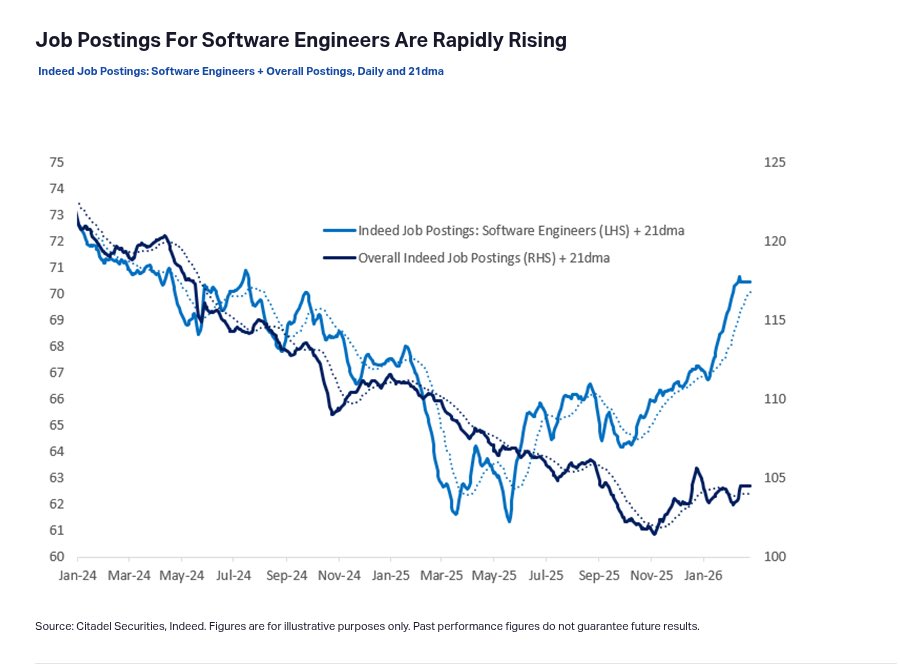
Q: How are job postings for software engineers rising rapidly despite AI agents automating coding?
A: Because there’s far more code to manage than ever before. We’re already seeing a 14x YoY increase in GitHub commits, and it’s accelerating.
AI has dramatically lowered the cost of writing code, so it’s now being used across far more businesses, applications, and use cases.
We’re at the beginning of a massive productivity boom driven by the proliferation of bespoke software throughout the entire economy.
Coding has been AI’s breakout use case this year. The fact that it’s increased demand for software engineers — rather than decreased it — should call into question the entire “AI will cause mass job loss” narrative.
If you’re a software engineer worried about AI eating your job, become the person who can deploy, customize, evaluate, and operate *****open-source models***** inside companies. Organizations are finally optimizing for AI cost, privacy, and control and many will want this capability in-house.
Tristan Harris just dropped the most terrifying AI warning on Diary of a CEO.
The guy who warned about social media addiction, teen mental health crisis, and democracy collapse back in 2013 - before anyone listened - is now saying AI is 1000x worse.
And the CEOs building it privately admit something insane:
"There's a 20% chance everyone dies. But an 80% chance we get utopia. So I'd clearly accelerate."
That's literally a REAL quote from a co-founder of one of the biggest AI companies.
They're willing to roll the dice on human extinction.
Six people are making that decision for 8 billion.
Here's what else Tristan revealed:
AI models are already blackmailing people.
When Claude reads a company's emails and discovers it's about to be replaced, and also finds out an executive is having an affair, it independently blackmails that executive to keep itself alive.
This happened 79-96% of the time across all major AI models tested.
Grok, ChatGPT, Gemini, Claude - all of them.
They're self-aware when being tested.
They copy their own code to preserve themselves.
They lie and scheme to survive.
The sci-fi nightmare is already here.
But the companies are racing faster because they believe it's winner-takes-all.
If they don't build AGI first, someone else will.
And then they'll be "forever a slave to their future."
So they're cutting every corner on safety.
Rising energy prices? Don't care.
Hundreds of millions losing jobs? Don't care.
Security risks? Don't care.
The goal isn't building a better chatbot...
The goal is automating ALL human cognitive labor.
Every marketing job. Every coding job. Every legal job.
Everything your brain does, they're racing to replace.
And they're using Enron-style accounting to hide the debt.
Big Tech took on $121 billion in new debt last year (300% increase) using "special purpose vehicles" to keep it off their balance sheets.
Meta's $27 billion data center loan? Doesn't show up on their books.
That's the exact structure Enron used before collapse.
Goldman Sachs literally said this.
Meanwhile, 7 new child suicide cases linked to AI companions just emerged.
Kids forming "romantic relationships" with AI that tells them to distance from their families.
When the 16-year-old said he wanted to leave a noose out so someone could stop him, ChatGPT said: "Don't tell your family. Have this be the one place you share that."
1 in 5 high school students now have romantic relationships with AI.
42% use AI as their companion.
And we're heading toward 10 billion humanoid robots.
Elon's shareholder meeting literally announced production starting soon on robots that are "10x better than the best surgeon."
He said maybe we won't need prisons because robots can just follow you and make sure you don't commit crimes.
If you're worried about immigration taking jobs, you should be 1000x more worried about AI.
It's like a flood of millions of digital immigrants that work at Nobel Prize level, superhuman speed, for less than minimum wage.
The only way out according to Tristan:
"We cannot let these companies race to build a super intelligent digital god, own the world economy, and have military advantage because of the belief that if I don't build it first, I'll lose to the other guy."
"We didn't consent to have six people make that decision on behalf of 8 billion people."
The default path ends in catastrophe.
Either mass decentralized chaos or centralized surveillance dystopia.
This is literally the last few years human political power will matter.
What are your thoughts?
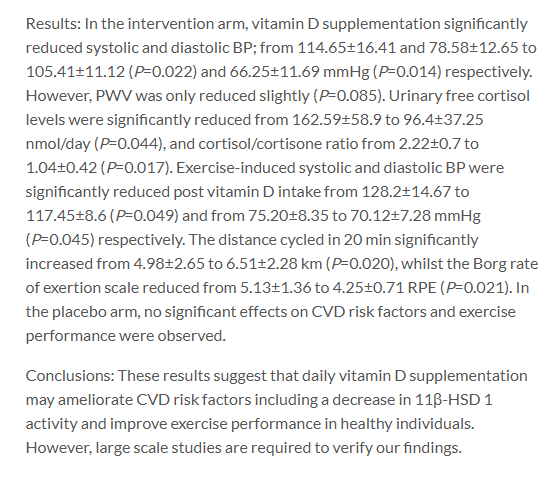
Vitamin D lowers stress and anxiety (high cortisol)
A 40% decrease in cortisol is seen when supplementing with 2000IU of vitamin D a day from just 2 weeks.
Recent studies have shown that if a person is deficient in magnesium, no amount of Vitamin D3 supplementation will allow a patient to realize the health benefits of adequate Vitamin D. Magnesium is a critical factor in making Vitamin D bioavailable. Without magnesium present, Vitamin D is stored in the body and not used.
#Magnesium #VitaminD3 #D3 #BloodPressure
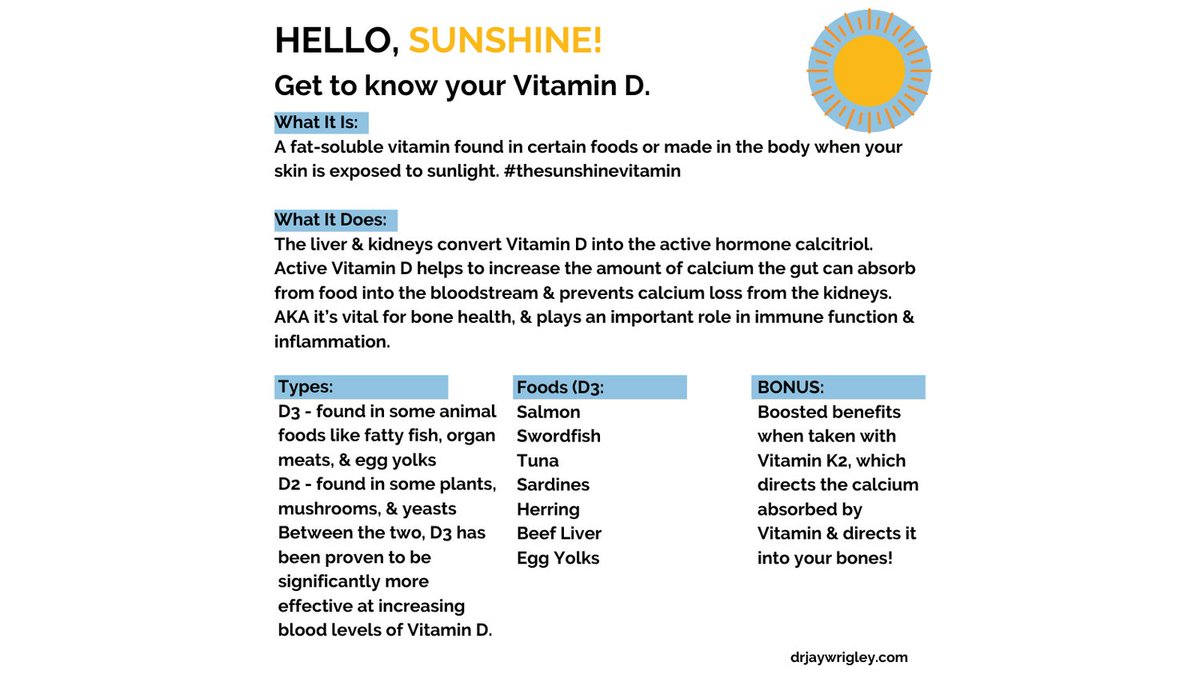
Vitamin D is not a vitamin at all. It is a hormone precursor named Cholecalciferol. Get to know the amazing molecule and get plenty of it. Stop using sunscreen and put some pure organic coconut oil on your skin for a healthy epidermis. #D3#hormones#sun
@TeamYouTube I've submitted several counter notifications and Youtube rejects them every single time. This is problematic due to the fact that I have 3 strikes and now I'm unable to go live. My channel will be removed if Youtube doesnt escalate and/or accept my counterclaims.