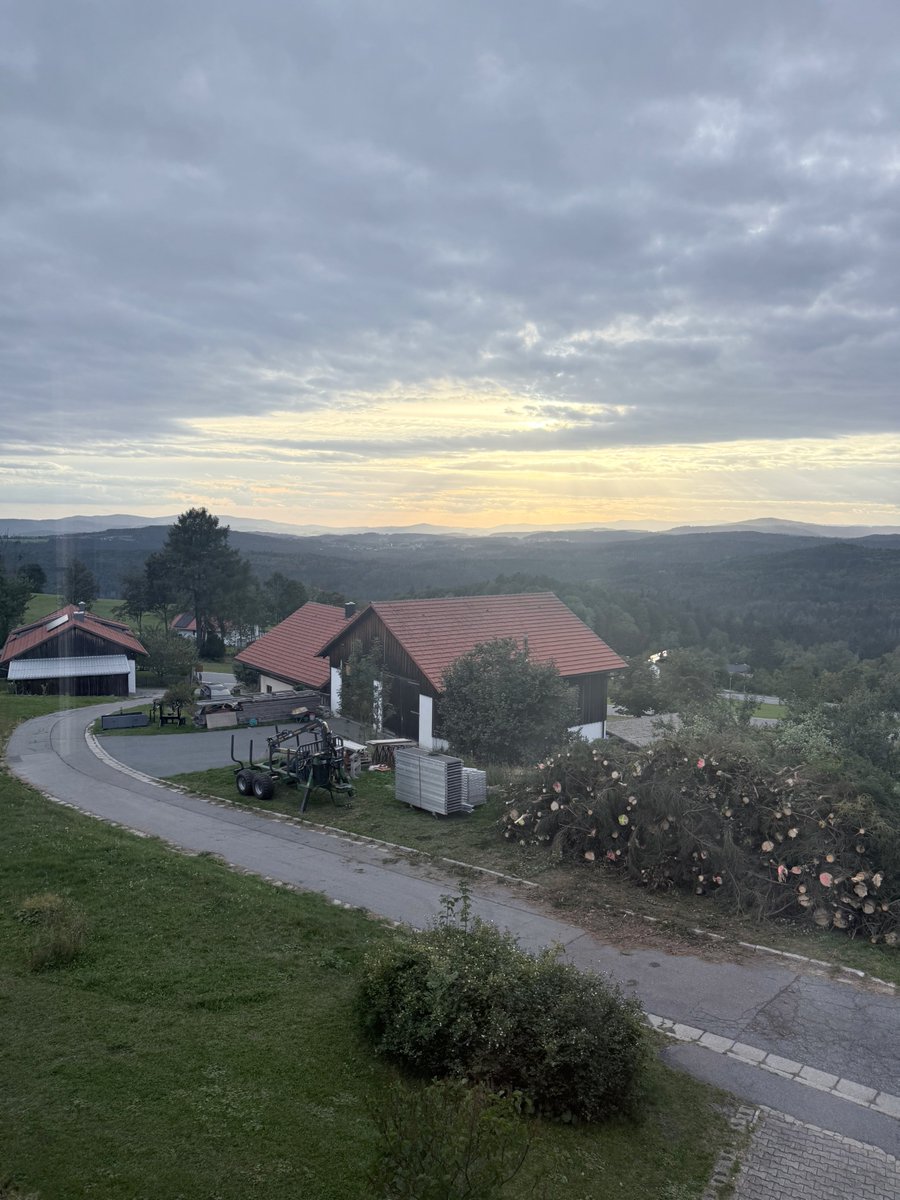
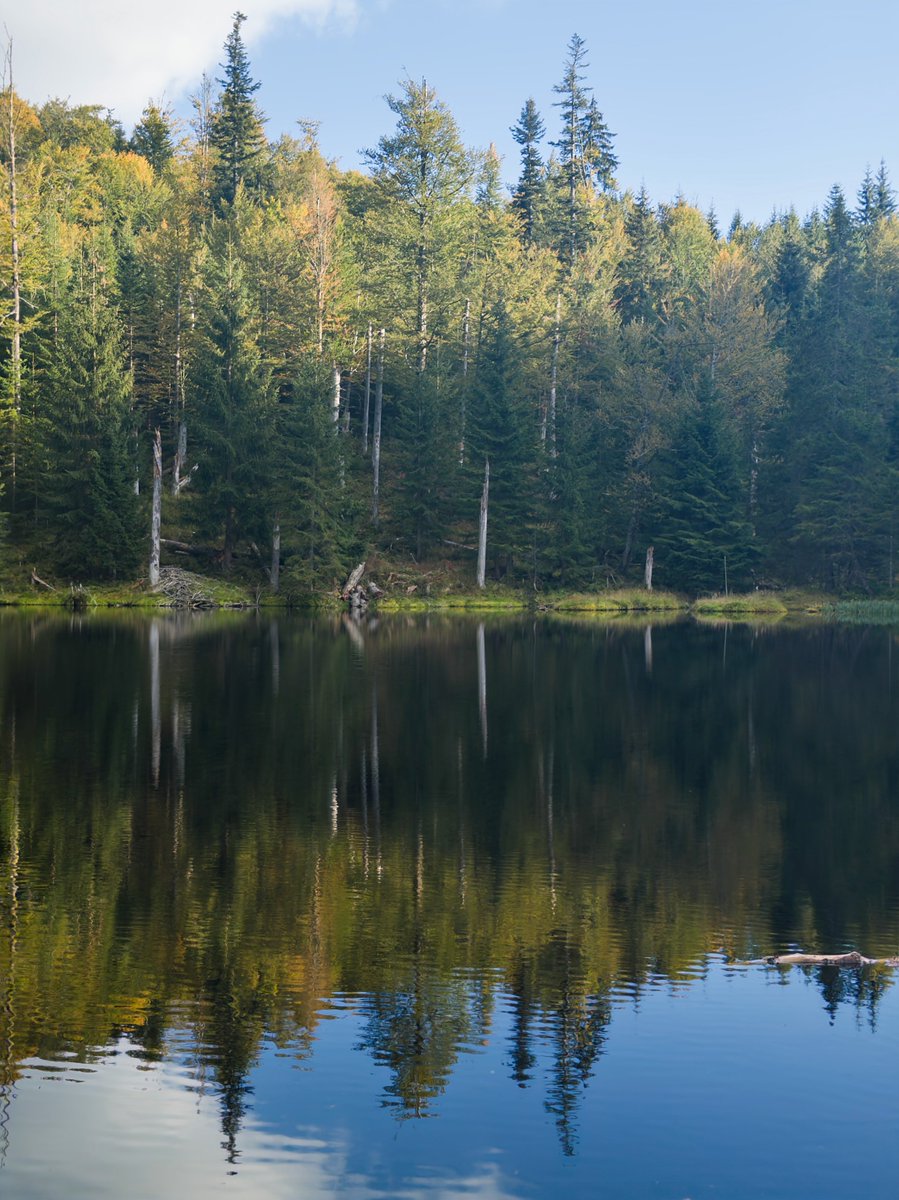
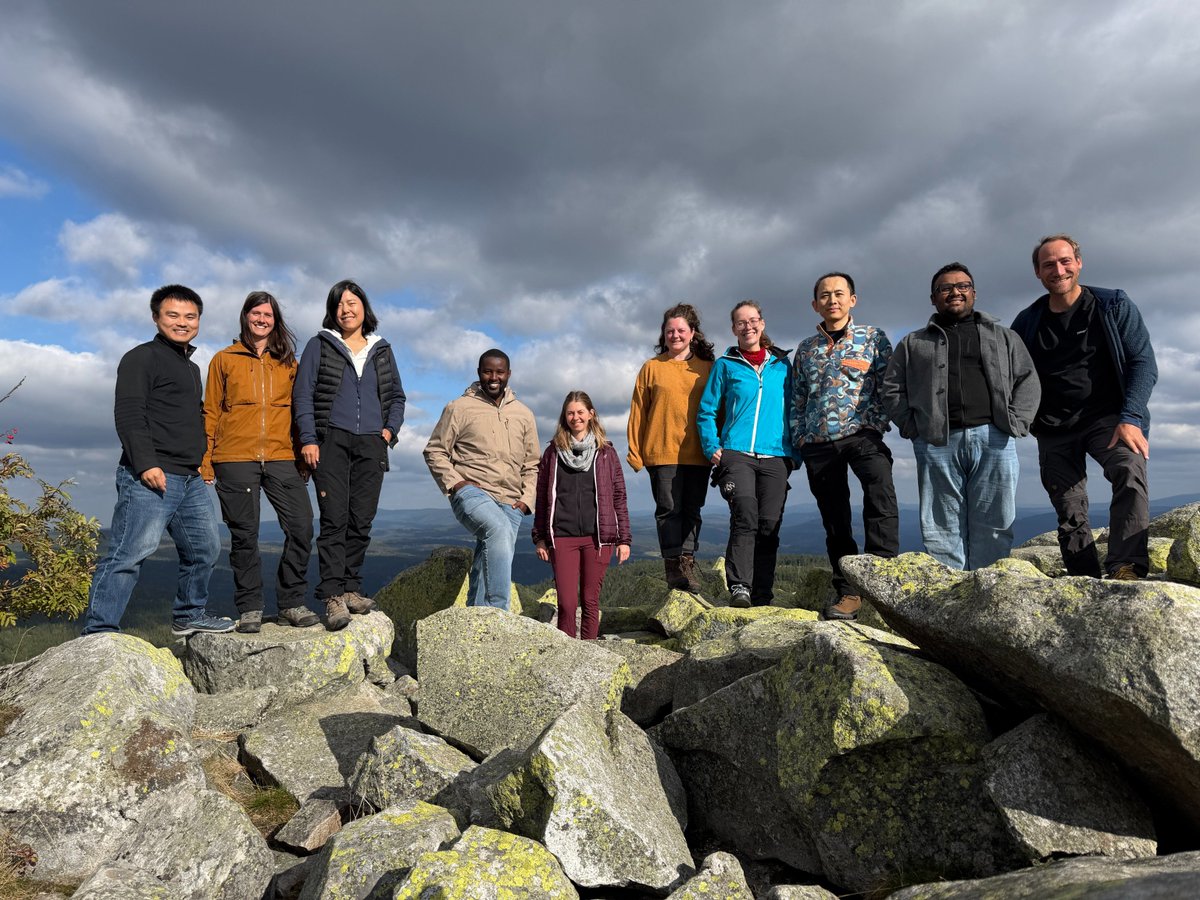
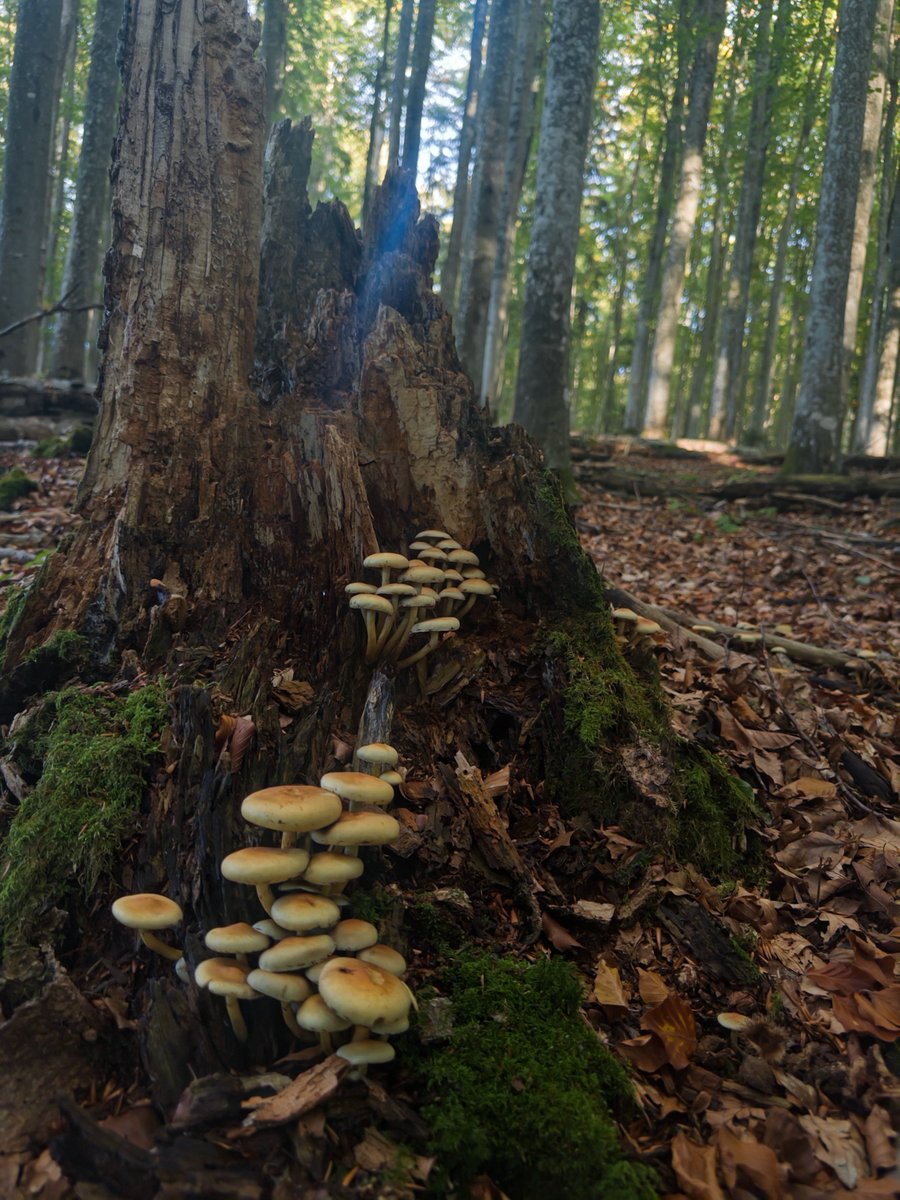
Three days in the Bavarian Forest National Park with our #EcoRes group - sharing ideas, exploring new directions, and enjoying some time together beyond the usual routine. 🌲🥾
Today’s seminar on Forest Microbiomes by @BESForests brought me back to forest microbiology, the field I have been working in.
From exploring the breadth of microbial ecology to building connections and returning to my own research: a fitting way to celebrate the microbial world.
Happy International Microorganism Day to everyone studying, teaching, or simply curious about the microbial world!
This #InternationalMicroorganismDay, I’m reflecting on a month immersed in microbial ecology. 🦠
Then came @FEMSmicro Summer School, which meant new connections, teamwork, and answers from mentors about academic careers in microbiology. Thank you to co-directors Prof. Max Häggblom and Dr. @MateHG , all the mentors, and Roxana for helping with the administration!
I’ll present our poster:
“Global deadwood microbial diversity in forests is jointly shaped by land-use change and climate.”
We explore how environmental conditions and human pressures jointly influence deadwood microbial diversity across forests worldwide. 🌲🔬
Our research uncovers the global patterns shaping this hidden diversity in a changing world.
Attending #ISME20? Come by and say hello! 🧬
I’d be delighted to discuss our #BIOCOMP research and exchange ideas!
Deadwood is far from lifeless—it hosts remarkably diverse microbial communities that contribute to forest ecosystems. 🌲🦠
Come and find me at @ISME_microbes in Auckland! 🌏
📅 20 August, 10–11 am
📍 Poster PS3.22.405, NZICC
🧭 Session PS3.22: Microbial atlases and biogeography
|| Publication ||
https://t.co/ll9eXL7goN
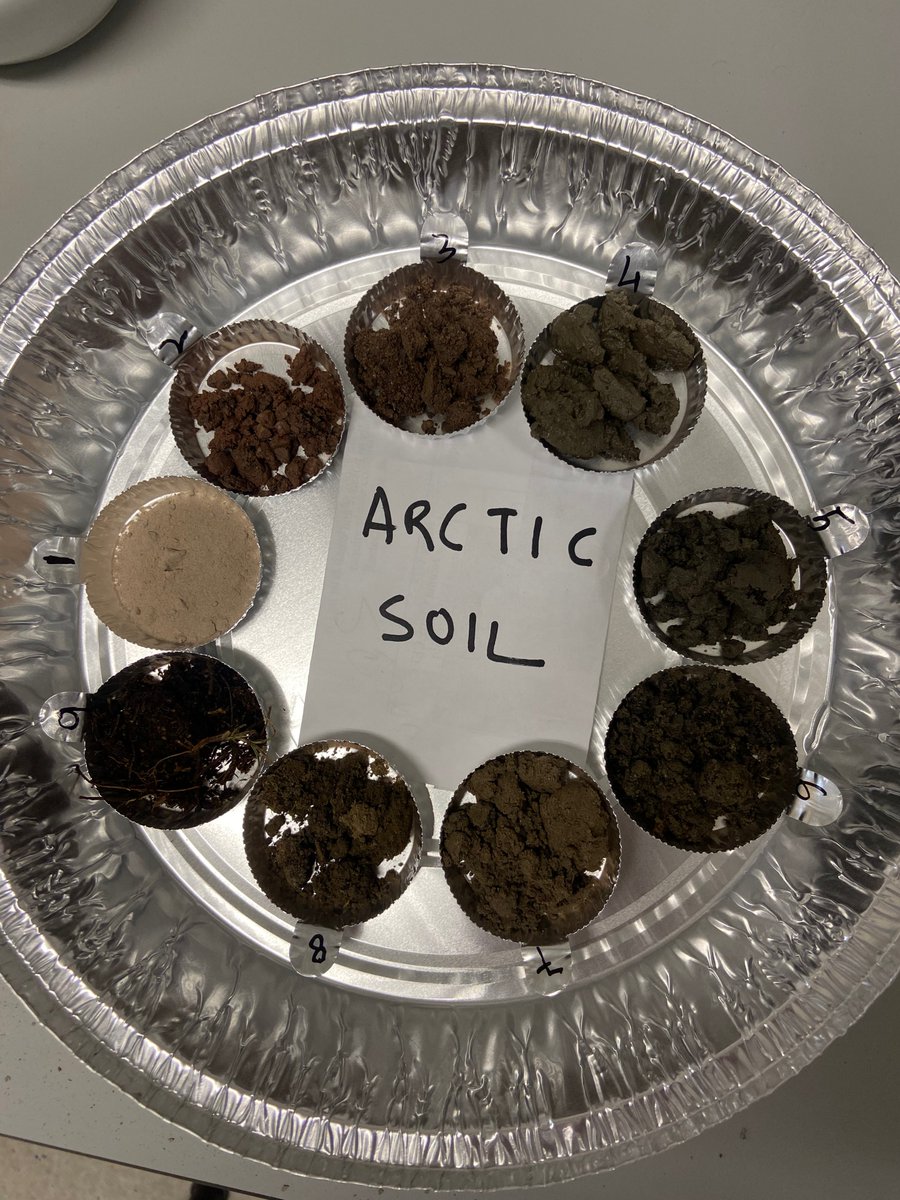
We evaluate whether, how, and why antimicrobial resistance (AMR) varies during soil development (pedogenesis).
I thank @DrBradBrad for his enormous effort in getting the soil samples from the Arctic. I also thank Dr Robin Dawson for his innovative ways of extracting DNA from these soils.
How photosynthetic genes are transcribed 🧬🌿 I’m really pleased to share the first work from my group at @JohnInnesCentre published today in @CellCellPress: https://t.co/1GyoYtTIlg
The chloroplast polymerase has turned out to be very popular! See also the beautiful work of Yu Zhang and colleagues: https://t.co/n6irVdApuG, and @hauke_hillen and colleagues: https://t.co/mRWLeEDUaf
My colleague Sumanta Bagchi and I are excited to be putting together a special issue in the journal Ecological Applications on Applied Ecology in India. If you have some interesting work that might fit in, please have a look at the call for papers: https://t.co/EVy1TlNY4c
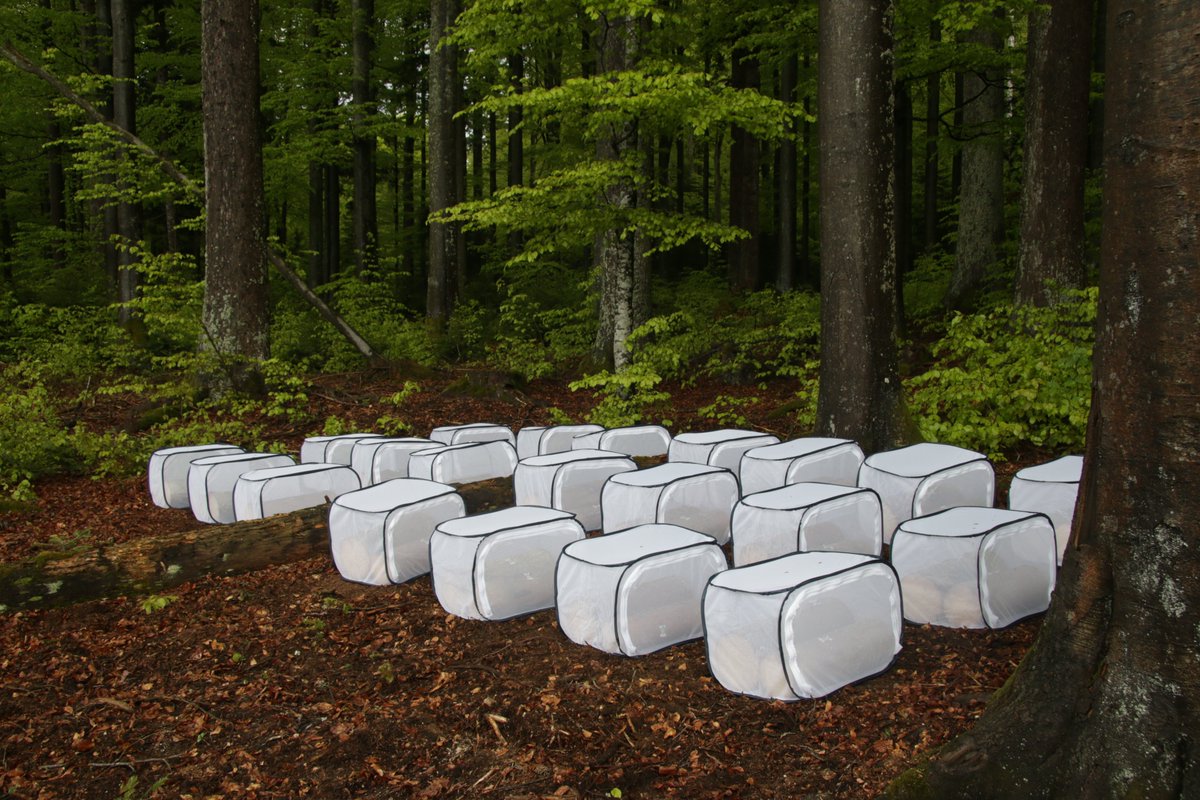
We manipulated beetle communities in deadwood in mesocosms following a classic biodiversity-ecosystem-functioning approach creating gradients of species richness and functional diversity. Analyses performed by @joyzou18 published @ESAEcology show that beetle biodiversity matters
First photo: Start of field work
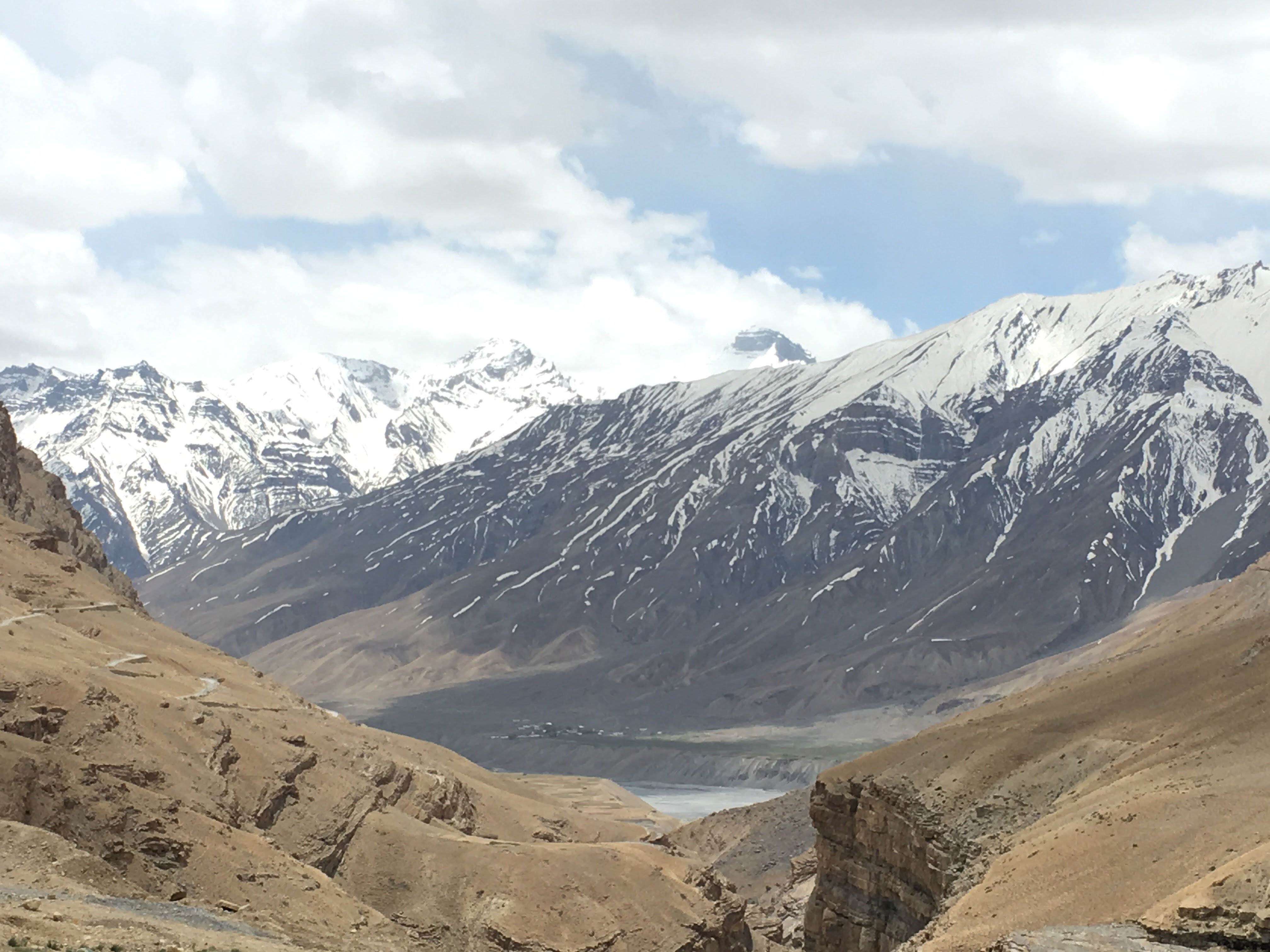
Second photo: Last day of sampling from Chicham village pointing towards Kibber village.
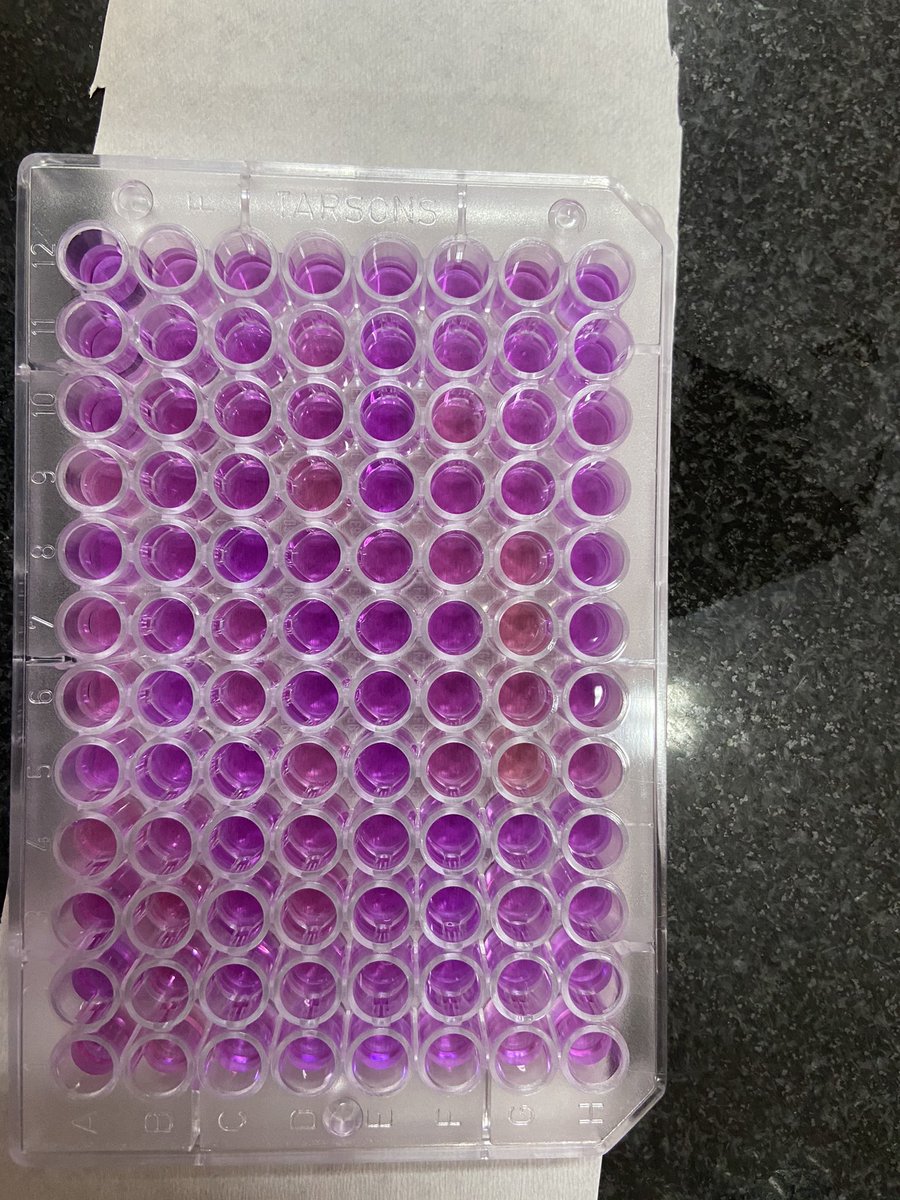
Third photo: 96 well plate with cresol red dye to quantify microbial functions. (5/5)
|| Publication ||
We tried to understand whether or not the lessons learned from the diversity-function relationships of producers and how they were manipulated by consumers can be extended to soil microbial decomposers. (1/5)
https://t.co/90yVd5loIL
This work has come out of our field season of 2019 in Kibber, Spiti (Himachal Pradesh, India). This is a collaborative effort of Jalmesh Karapurkar, Dr. Pronoy Baidya, M. Jose, and Dr. Sumanta Bagchi.
We dedicate this work to all the wonderful people of Kibber. (4/5)