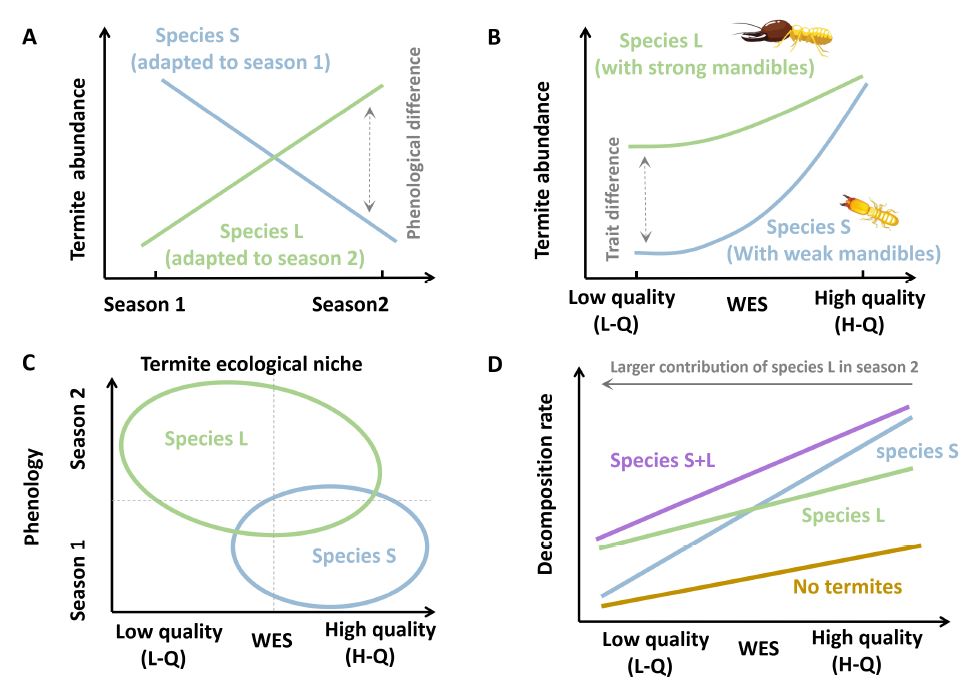
Nice work led by Chao Guo, Hans Cornelissen & Yan En-Rong showing that phenological and morphological traits of termites influence wood decomposition rates and that trait complementarity of the two dominant species lead to overall faster decomposition. https://t.co/8yl4vrhjbc
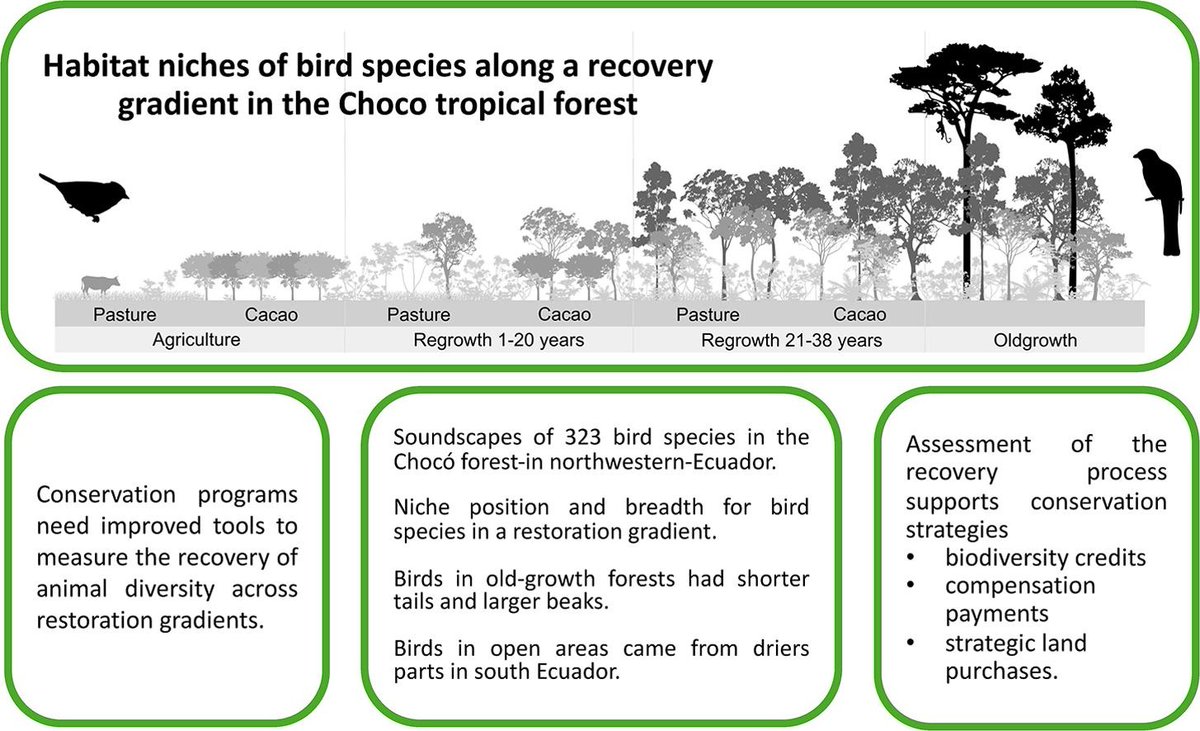
The article uses comprehensive data from the
@BExplo_research platform to show that the joint goals are best achieved in stands of larger trees, and that pine forests are poor for both biodiversity and carbon
We are hiring a postdoc who will study bacterial biogeography from local to global scale. If you want to join our group in the Institute of Microbiology, Prague and explore with us this topic, look here: https://t.co/SMcH1E1VGz
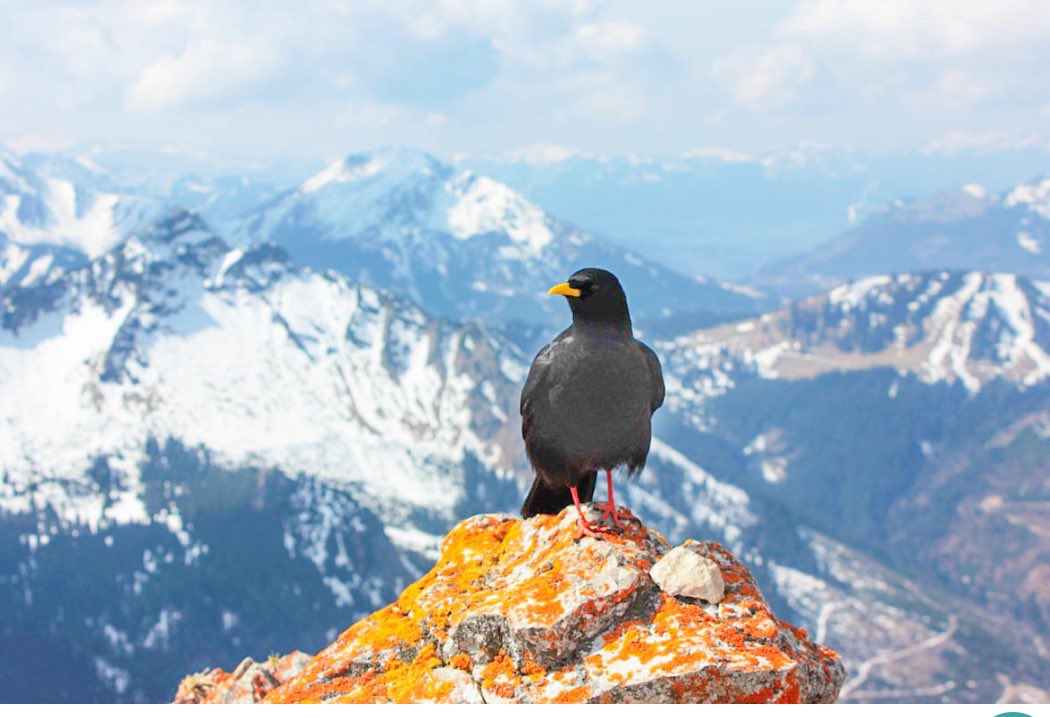
In this paper, @SebSeibold, @_tobiasrichter and co-authors investigated the #AlpineBirds community using #bioacustic audio recorders and #RemoteSensing across vegetation and elevation gradients
https://t.co/Enn6M04FNk
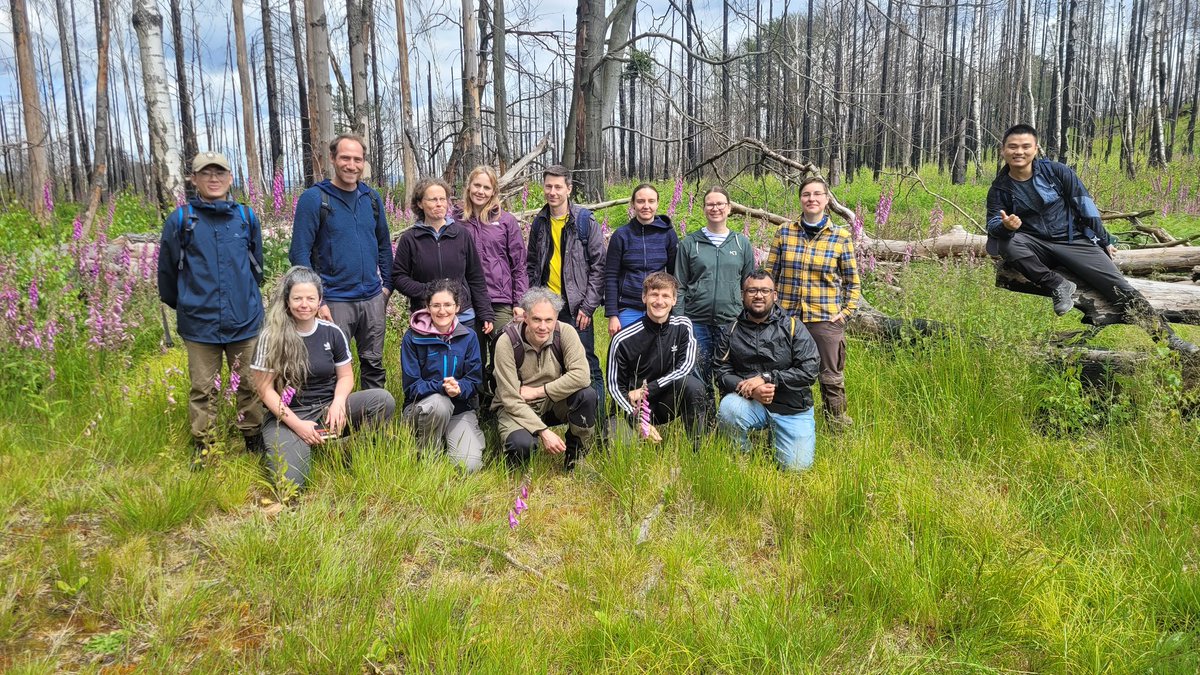
Two weeks of exciting field work at Shiretoko National Park with @AkiraSMori, @edfm_tum and @eco_FSF to study forest structure and biodiversity in relation to forest dynamics as well as for the BIOCOMP project on global decomposer diversity. Thanks to all for the support!
A great collaborative project studying global biodiversity patterns of fungi via airborne spore sampling: led by @AbregoNerea and Otso Ovaskainen, we found strong effects of temp; diversity of most- not all- groups followed a latitudinal diversity gradient https://t.co/CwSJQgvaRo
@SpaceTimeEco@ERC_Research No, it is not fenced and luckly we had almost no disturbance by animals in a previous study. But we will see... The baskets suggested by @kimcalders seem like a good option for the TMS
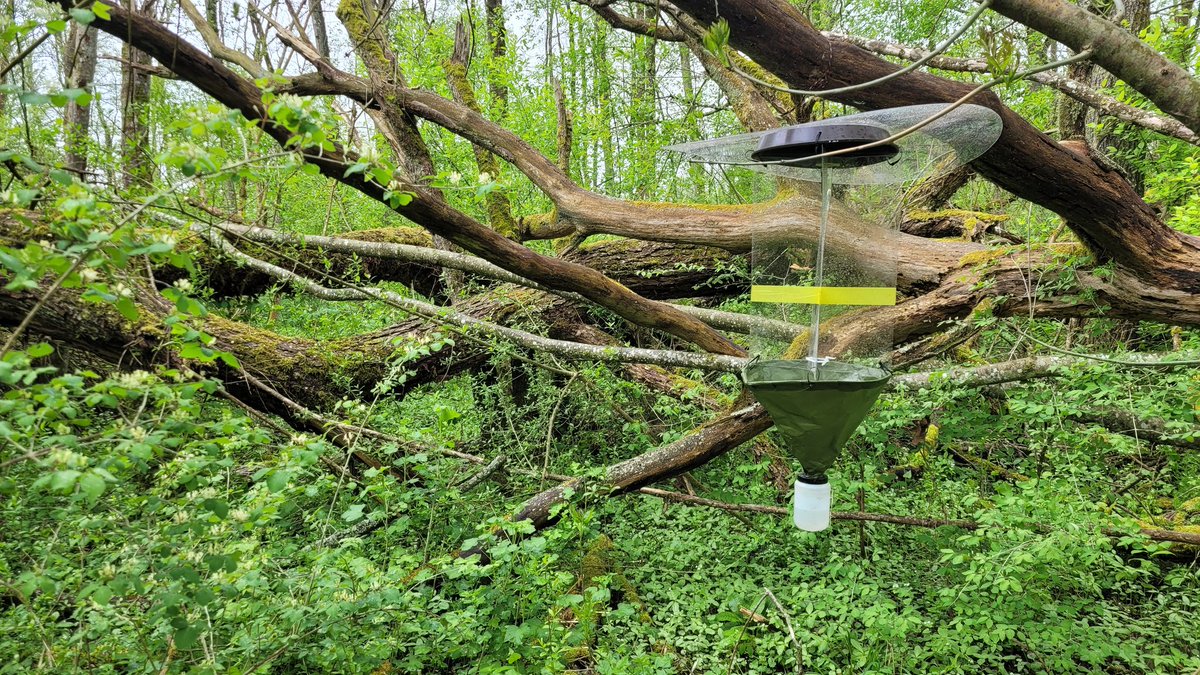
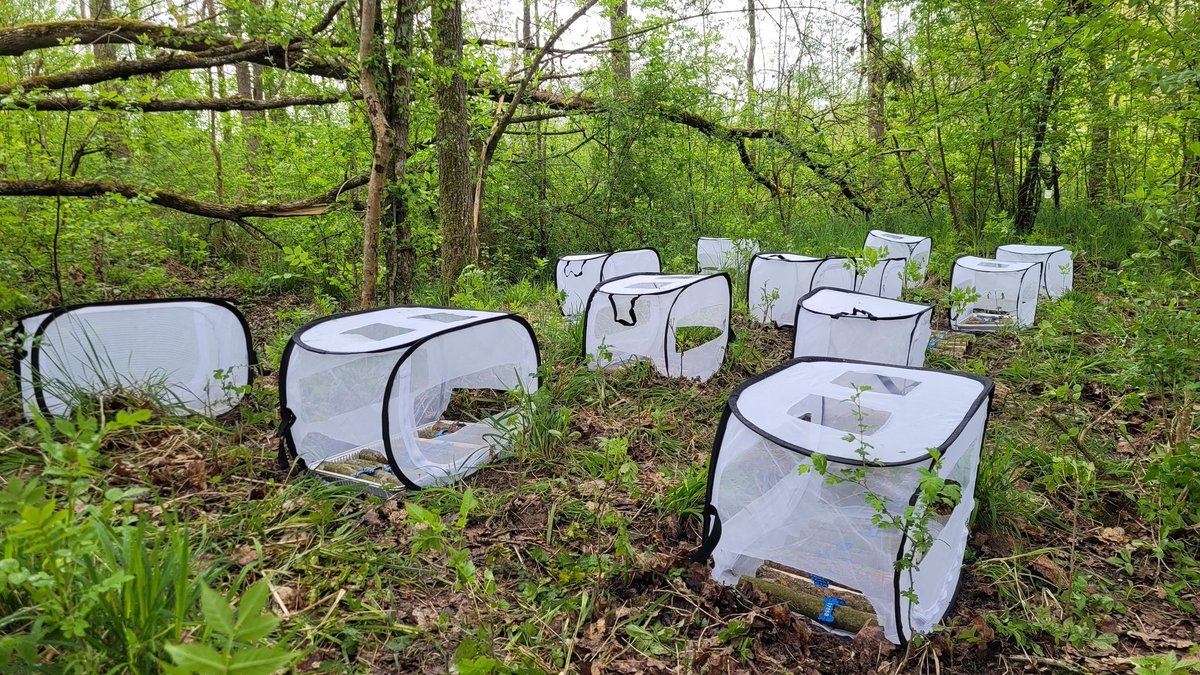
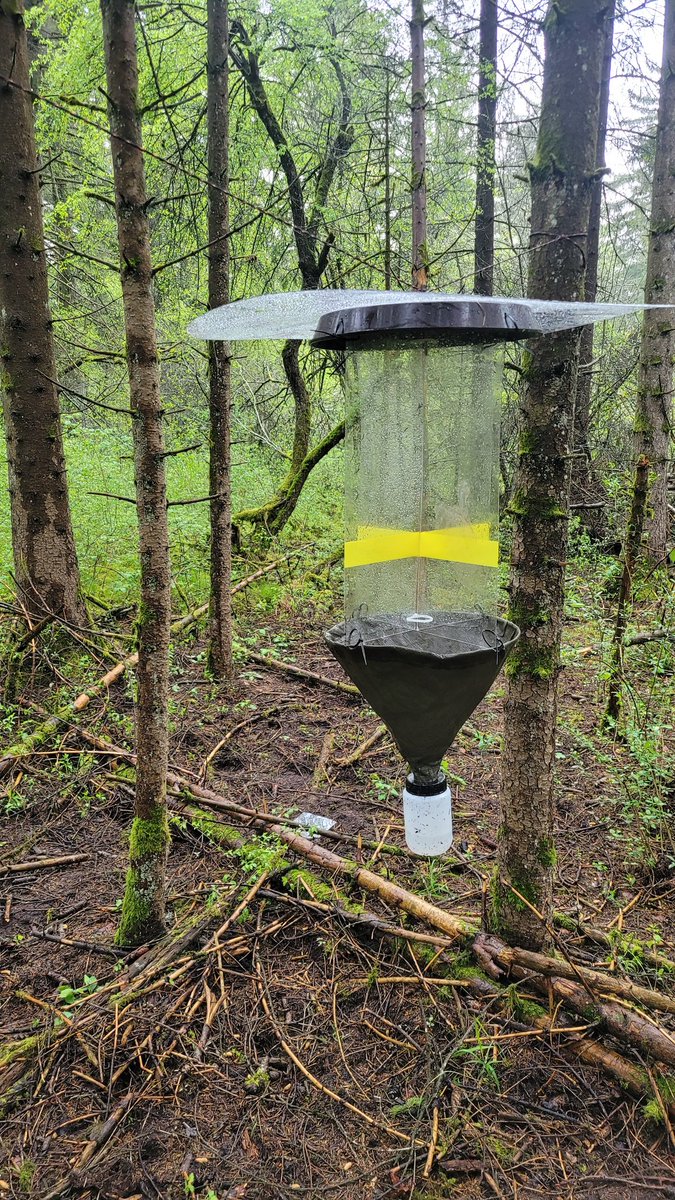
We set up the first plot pair of the @ERC_Research project BIOCOMP studying biodiversity of decomposers and wood decomposition rates in managed and natural forests along global climate gradients. Can't wait to see the results!
This week in Nature: Insects at risk - Human-induced changes to the environment pose threats to invertebrates
Browse the full issue: https://t.co/4GomM4suIO
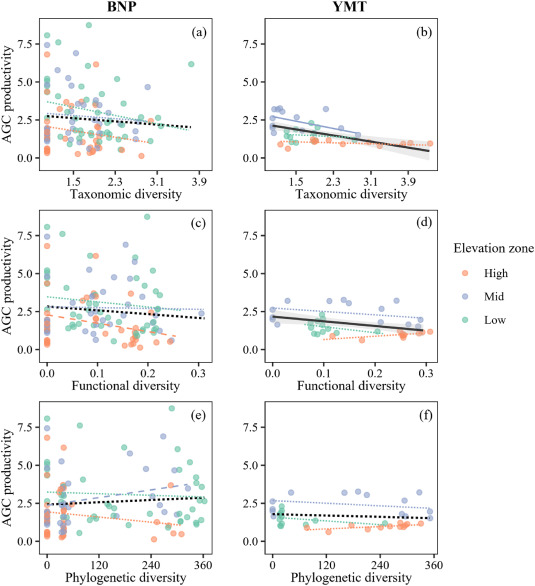
Nice result from our collaboration with the Kunming Institute of Botany: relationships between tree diversity (TD, PD, FD) and productivity along elevation gradients in the European Alps and Yulong Mt in Yunnan. Well done @joyzou18! Stay tuned for more elevation-gradient work
New work led by @joyzou18 shows that there is no generality in biodiversity-productivity relationships along elevation in temperate and subtropical forest landscapes. w/ @SebSeibold @dominikthom1 @lisageres @_tobiasrichter and many others. https://t.co/WTjCKKwMxc
Great synthesis paper led by @margot_neyret about slow and fast strategies across taxa and up to ecosystems now published. Another example for the strength of collaborative projects such as the Biodiversity Exploratories @BExplo_research
We first identified traits that could describe 'slow' and 'fast' strategies - akin to the plant conservative/acquisitive axis across many different taxa 🌿🦠🍄🦋🕷️🦗🐦🦇.
Here, Neyret et al. use data from 150 grassland sites to identify a coordinated slow-fast strategy response at a community level to land use intensification across above- and belowground taxa.
@margot_neyret@PeteEcology@BExplo_research@geobiodiversity
https://t.co/cCtFXMmqhf
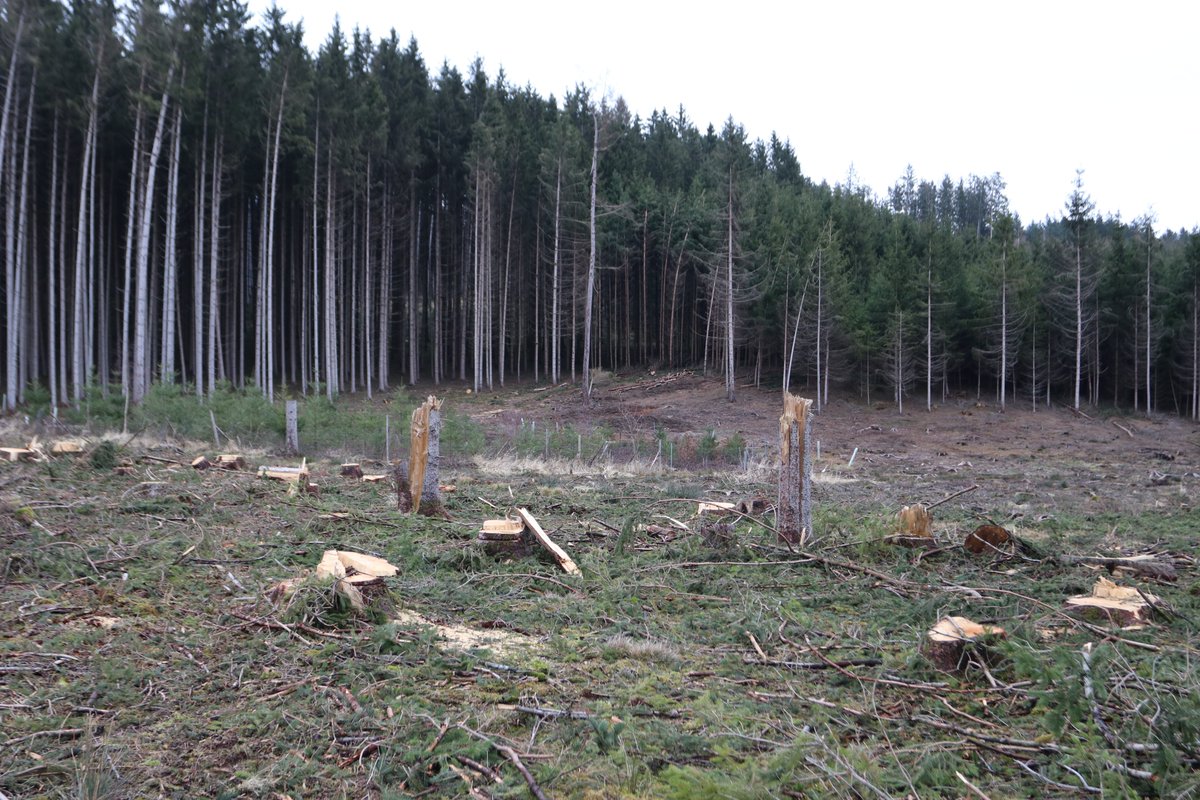
Open PhD position at Forest Zoology @tudresden_de! Spruce in Central Europe is seriously impacted by disturbances/climate change. We study how different management options for converting these forests affect biodiversity. Apply until Mar 13th https://t.co/Wel5ZRoLfG
Out now in @GlobalChangeBio: Projected climate and canopy change lead to thermophilization and homogenization of forest floor vegetation. Great work led by @KBraziunas, combining vegetation surveys with landscape simulation modeling https://t.co/Mr1gRbIlSR
Next years annual meeting of @GfoeSoc the Ecological Society of Germany, Austria, and Switzerland will be @TU_Muenchen in Freising! The call for session proposals is now open @ https://t.co/Gr6ZcJ3ePg. Would be great to see you all in Freising in September!