We combine field measurements with geospatial technologies
to understand plant distribution in time and space.
Led by Martin Kopecký, placed in @IBOTCZ
@MtnMapper I absolutely love your map(s) and this one will definitely go to the wall in my office. Nevertheless, I have spotted a small typo - SE of Tso Moriri lake in Ladakh, you have the border marked PAK/CHN, but it should be IND/CHN :)
Setting a good background region for SDM/ENM can be tricky when survey effort is heavily biased, as it often is. I've implemented some new approaches in #Rstats package fuzzySim. Anyone up for trying them out? https://t.co/ZqLaTIIckr #gischat#ecology#biogeography#macroecology
@MDPIOpenAccess "Editors get one performance point for every published manuscript they handle, but only half of a point for rejecting a manuscript. Staffers who reach a certain number of points get a monthly bonus."
Do not publish with them!
https://t.co/J2VquRBhCp
🌳Space-for-time substitution misleads projections of plant community & stand-structure development after disturbance in a slow-growing environment: https://t.co/sw4ieMuOAw
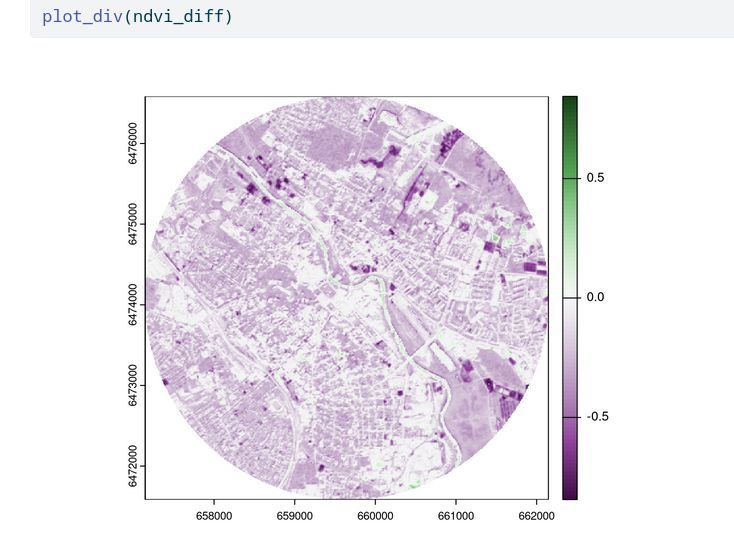
Comparing spatial patterns blog post 2:
> continuous raster data for overlapping regions using #rstats <
Read it at https://t.co/ZwrQRILj0n.
#spatialpatterns#gischat#geospatial
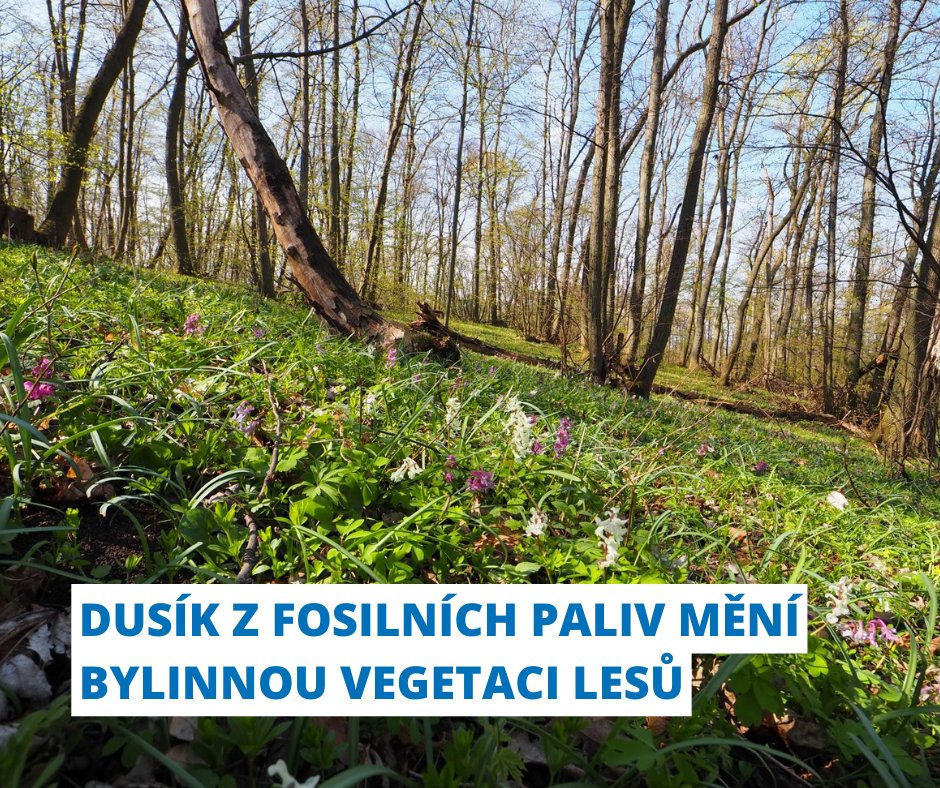
🌿 Vědci z @IBOTCZ se podíleli na dvou významných studiích, které byly publikovány v časopisech Science a Science Advances.
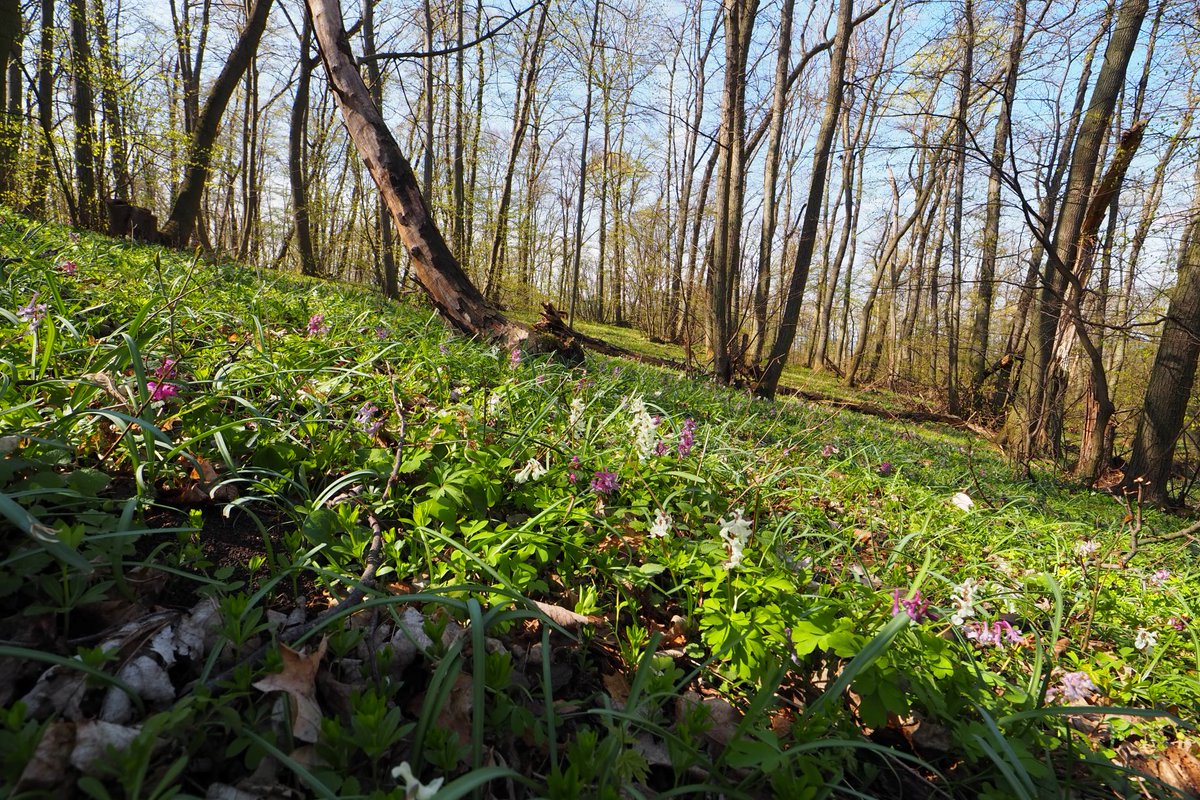
🌱 Tyto studie se zaměřují na vliv atmosférické depozice dusíku na diverzitu bylinného patra lesů v Evropě a Severní Americe. Výsledky výzkumu prokázaly posun rostlinných druhů na západ i pokles diverzity bobovitých rostlin.
Více ⬇️
https://t.co/W4YWRwbHtO
Kolegové z @VegetPaleo a @SpaceTimeEco
publikovali studie o vlivu atmosférické depozice dusíku na diverzitu bylinného patra lesů v Evropě a Severní Americe. Výzkum prokázal posun rostlinných druhů na západ i pokles diverzity bobovitých rostlin.
@ScienceMagazine@ScienceAdvances
@BluecatThe zajimavy - podle toho grafu to vypada ze puda na vasich plochach je nasycena uz pri obsahu vody (VWC) kolem 0.12 (coz je extremne malo) a ze pred destem byla na vsech plochach 0 (coz je taky extremne nepravdepodobne). Fakt je to VWC (volumetric water content)?