India active covid case at 1010 reported today while there is small increase from 257 last week, data from SARS-CoV2 Genomics Consortium (INSACOG) shows only the old Omicron (JN.1, BA.2) is prevalent & there is no new variant casing the increase so there is no reason to worry.
The problem with this is that India's age profile is much young than that of these countries
Corrected for that, India's excess deaths (which should mostly be COVID deaths) are significantly worse.
apples..oranges
https://t.co/cieTGDfk0E
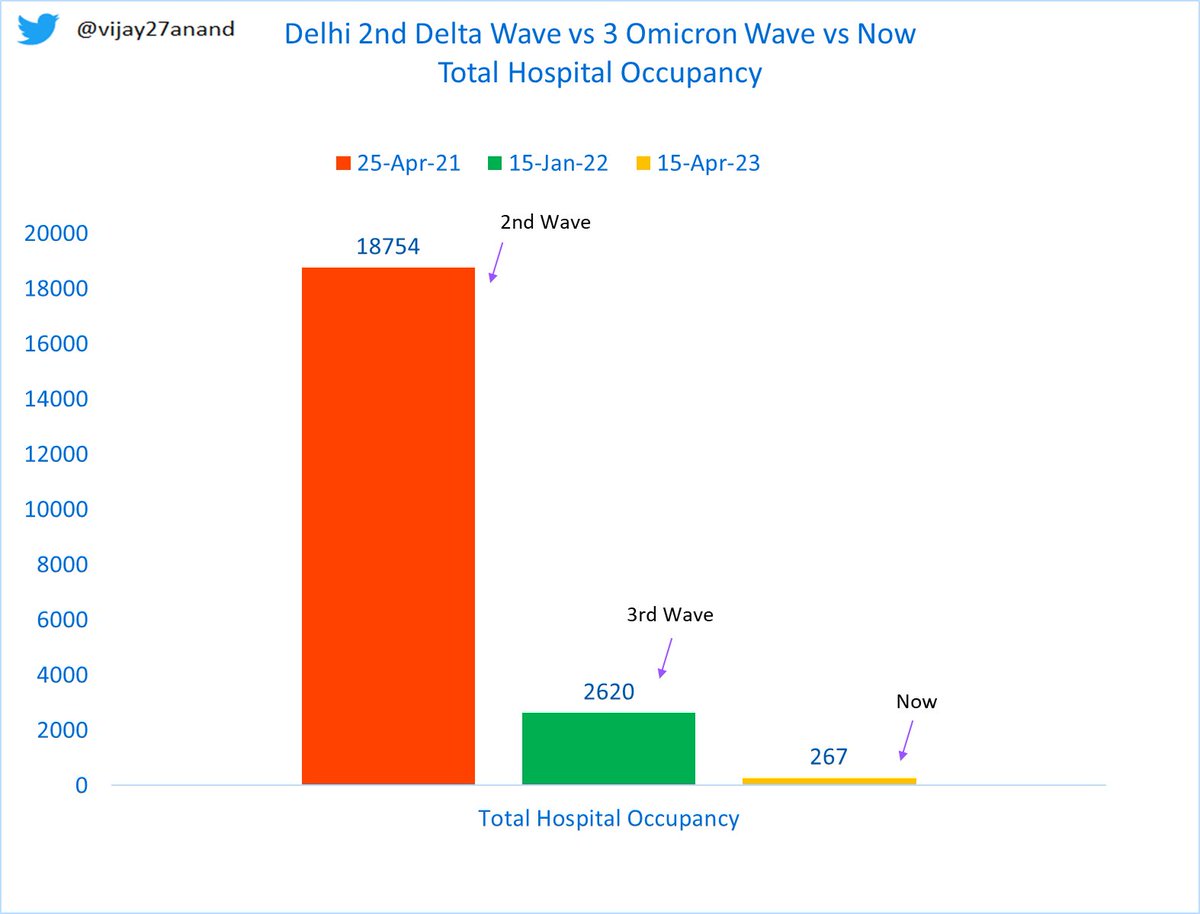
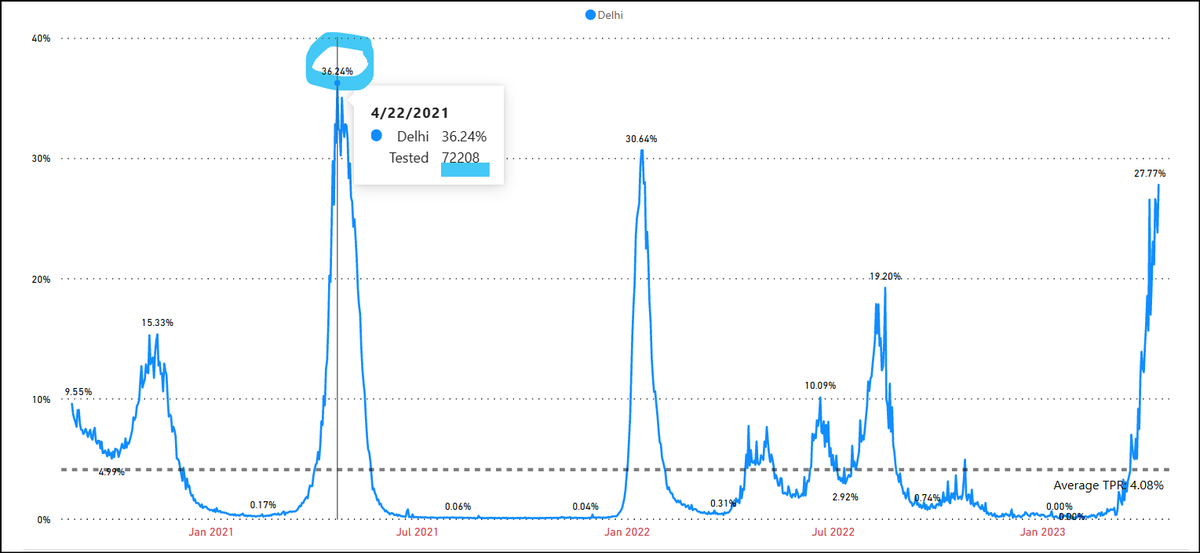
Disconnect b/w TPR and bed-occupancy is striking
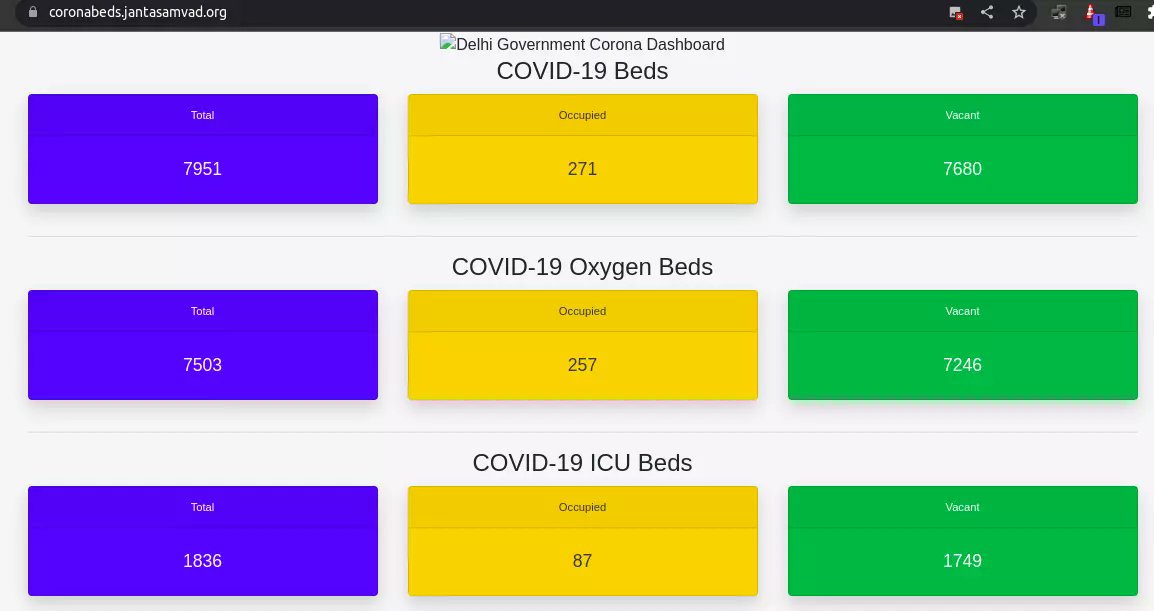
O2 beds occupancy remains below 4%
There is a (approx. 5-day) time-lag b/w spread of infections/TPR and patients showing up in hospitals.
But, even so, at a practical level this wave has been very different from 2022's waves
Similar pattern is seen in Chennai (or for that matter Bengaluru/Mumbai also) 👇
In all likelihood, covid will be around forever. Waves will also occur cyclically, as seen in many similar diseases
Alarmism is best avoided
https://t.co/y2TCVqEv8q
Chennai Covid Hospital occupancy comparison between 2nd Delta , 3rd Omicron wave and now, the hospital occupancy now is negligible compared to earlier waves, clearly this surge is not severe.
Delta - 7 May 21 - 5591
Omicron - 10 Jan 22 - 1234
XBB 1.16 - 13 Apr 23 - 3
This surge will be over in next 1-2 weeks.
Here, @rprasad12 writes on variants evolving to evade T-cell immunity
However, for this to become a practical concern, any new variant would have to simultaneously
a) have a growth adv. (some mix of higher Tx/Ab evasion/lower gen. time)
b) also evade T-cells
@Roshanjnu equally interesting to explore would be whats happening to the ICOR over time. After all, actual purpose of investment is to generate growth/jobs
For eg: from chart it is pretty clear ICOR has fallen quite steeply in China (stable ~40% rate generating slower growth over 2010s)
@umm_rit_@iamSandeepR@TSRKumar1964@shananalla With respect to Chennai, the increase in cases donot correlate to hospitalization and the beds occupancy is pretty low.
Below chart shows the beds occupancy over the last 2 months and we see 0 occupancy for O2 & ICU beds and a single digit non-o2 beds occupancy
Imho, either there are many co-infections, or confusion w/ H3N2 infections(somewhat similar symptoms) is making wave appear bigger than it is
Current wave is smaller than even July22 wave, leave alone Jan22 (orig. omicron) one (TPR/max. R value)
https://t.co/qif2HVlxWx
Omicron is spreading extremely quickly globally. Omicron is mild, but it is mild only for those with good immunity & can be lethal for people who have co-morbidities: @BagaiDr
Hospitals are not seeing a spike in cases in the ICU. It is unlikely to cause much...: @RajeevJayadevan
@outbreak_india I think it is best to follow the data format that covid19india/covid19bharat used, since a lot of other users (including me) already have working code that can process that
They used cumulative counts. See this (statewise) csv for eg:
https://t.co/CDOmmXDIjV
@vipintukur If you see the TPR graph on https://t.co/dEciY5Bg47 , national TPR seems to be doubling every 12-14 days recently (by eye, unfortunately)
So it suggests a new wave, but not a particular worrisome one imo, atleast so far @RajlabN
https://t.co/G2U3SwHsRb
@vipintukur If you see the TPR graph on https://t.co/dEciY5Bg47 , national TPR seems to be doubling every 12-14 days recently (by eye, unfortunately)
So it suggests a new wave, but not a particular worrisome one imo, atleast so far @RajlabN
https://t.co/G2U3SwHsRb
@siamosolocani @vinodscaria@auteur_tara@GISAID@r_karyakarte@Arvinden3@JosetteSchoenma This is via confirmed cases only (so take w/ pinch of salt), but, assuming prevalence graph is (more-or-less) correct, recent R-value suggests this is more like the (smaller) July22 wave than Jan22 (orig. omicron wave)
considering time-lags since prevalence data was reported..