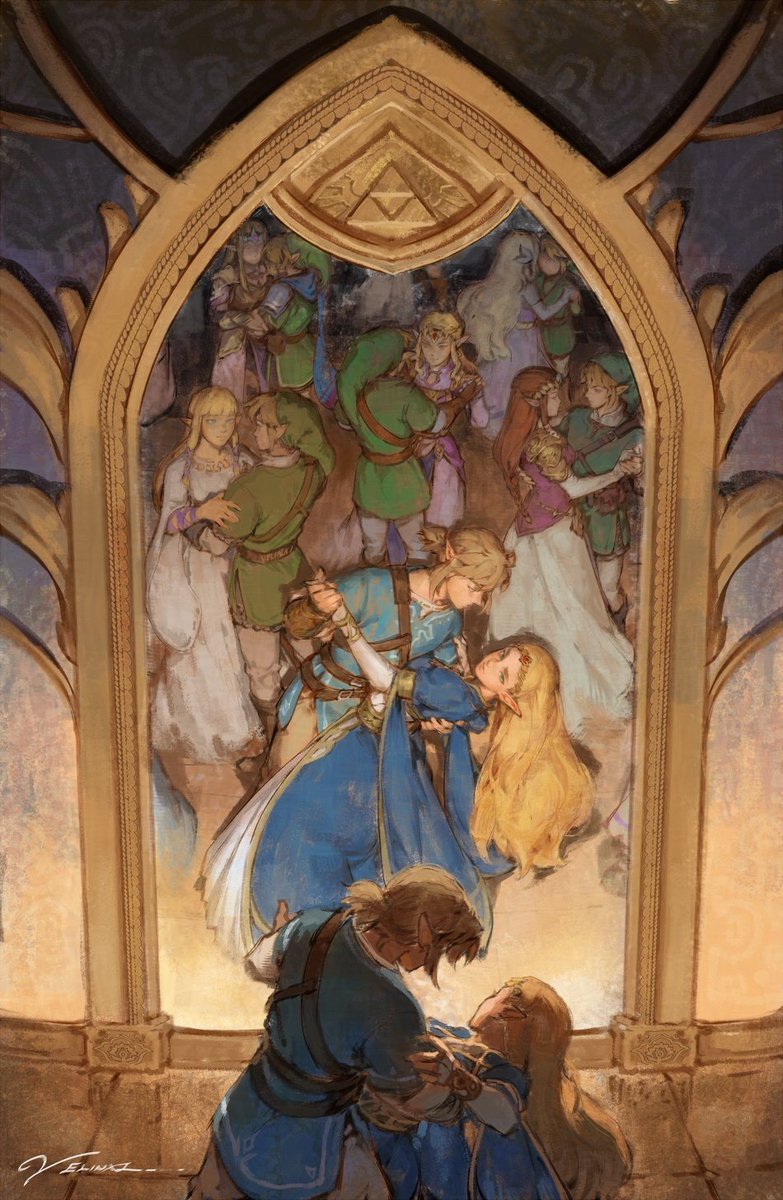
The research behind this is wild. If you played Pokémon as a kid, you have a tiny region in your brain that exists only because of Pokémon. Not a metaphor. Stanford put people in brain scanners and found it.
The study was published in Nature Human Behavior in 2019. They scanned 11 adults who grew up glued to their Game Boys and 11 who never played. When they showed both groups images of the original 151, the players' brains lit up in one specific spot every time. Same spot across all 11 people. The non-players showed zero response.
That spot is a little fold in the back of your brain that normally processes things like animal shapes and cartoon faces. In the Pokémon players, a chunk of it had been permanently reassigned. Their brains carved out a Pokémon department sometime around age 6 or 7 and just never took it down.
And the reason it ended up in the same place in everyone's brain comes down to the Game Boy itself. The screen was 2.6 inches. Every kid held it at roughly the same distance. So those 151 characters hit the exact same patch of each kid's retina, thousands of times, during the years when the brain is still soft enough to reorganize itself. Where an image hits your retina in childhood is what tells your brain where to build the wiring.
Reading works the same way. Humans invented writing about 5,000 years ago. There's zero evolutionary reason for a brain region dedicated to recognizing words. But every person who learns to read grows one, roughly the size of a dime, in the same part of the brain.
Brain-imaging research from 2018 actually watched it appear in children's heads as they learned their letters. It grew by quietly taking over nearby tissue that wasn't doing much yet. Stanford published a follow-up this year showing this region is way smaller or missing entirely in kids with dyslexia, and that 8 weeks of intense reading practice physically grew it back.
London taxi drivers show the same thing in a completely different part of the brain. Brain scans from a 2000 study found the region that stores mental maps had physically expanded, and the longer they'd been driving, the bigger it got. These drivers spend 3 to 4 years memorizing 25,000 streets before they get licensed. About half wash out.
The common thread is childhood. Harvard researchers trained young monkeys to recognize new shapes and they developed brand-new brain regions in predictable locations. Adult monkeys trained on the same shapes never got those structural changes. The young brain wires itself in a way the adult brain cannot replicate.
If you're wondering whether a Pokémon patch in your brain means you lost something else, no. The region sits alongside your normal visual processing areas, not on top of them. Your brain has hundreds of millions of neurons in that zone alone. The lead author noted that every participant in the study had gone on to earn a PhD.
BREAKING: Less than 18 hours after announcing TSA PreCheck would abruptly shut down, the agency now says the program will continue running at airports nationwide with no disruption.
Unclear what will happen with Global Entry.
Chaos.
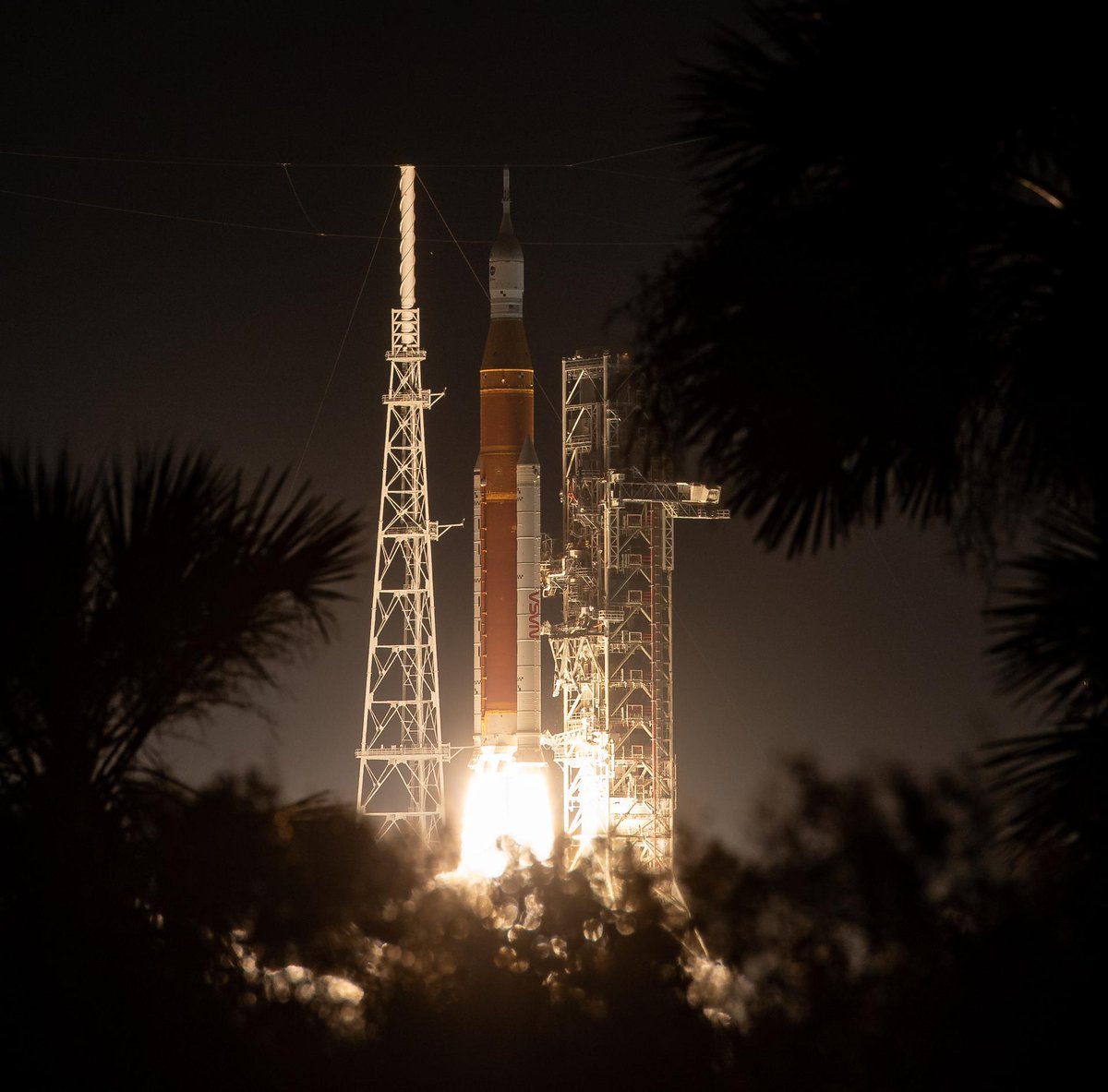
No spacesuit required 👩🚀
Time is running out to submit your name to be flown aboard the Artemis II mission. Be sure to submit before Jan. 21 in order to be included.
Grab your boarding pass and join the mission around the Moon! https://t.co/vyLCuDWQtq
Disney announces ‘Jimmy Kimmel Live!’ will return on Tuesday:
“Last Wednesday, we made the decision to suspend production on the show to avoid further inflaming a tense situation at an emotional moment for our country. It is a decision we made because we felt some of the comments were ill-timed and thus insensitive. We have spent the last days having thoughtful conversations with Jimmy, and after those conversations, we reached the decision to return the show on Tuesday.”


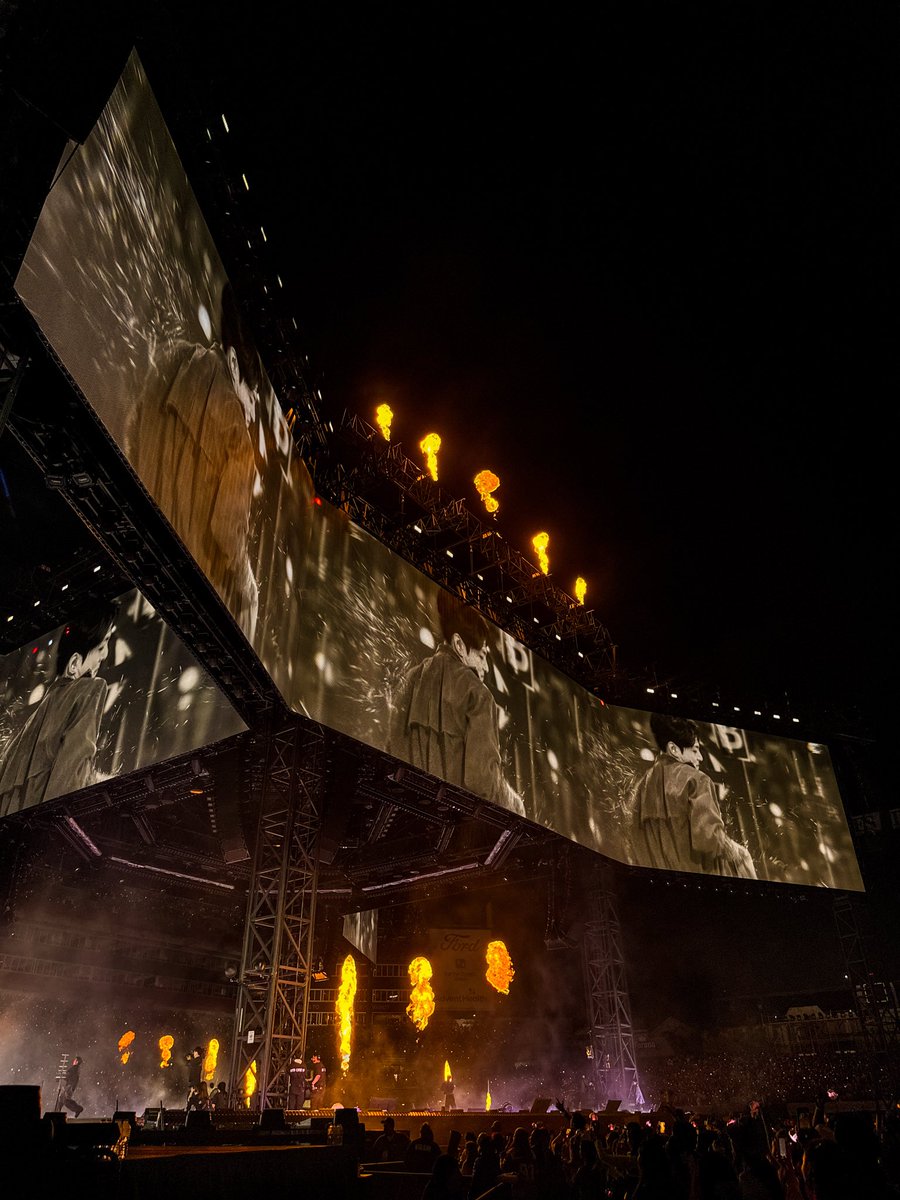
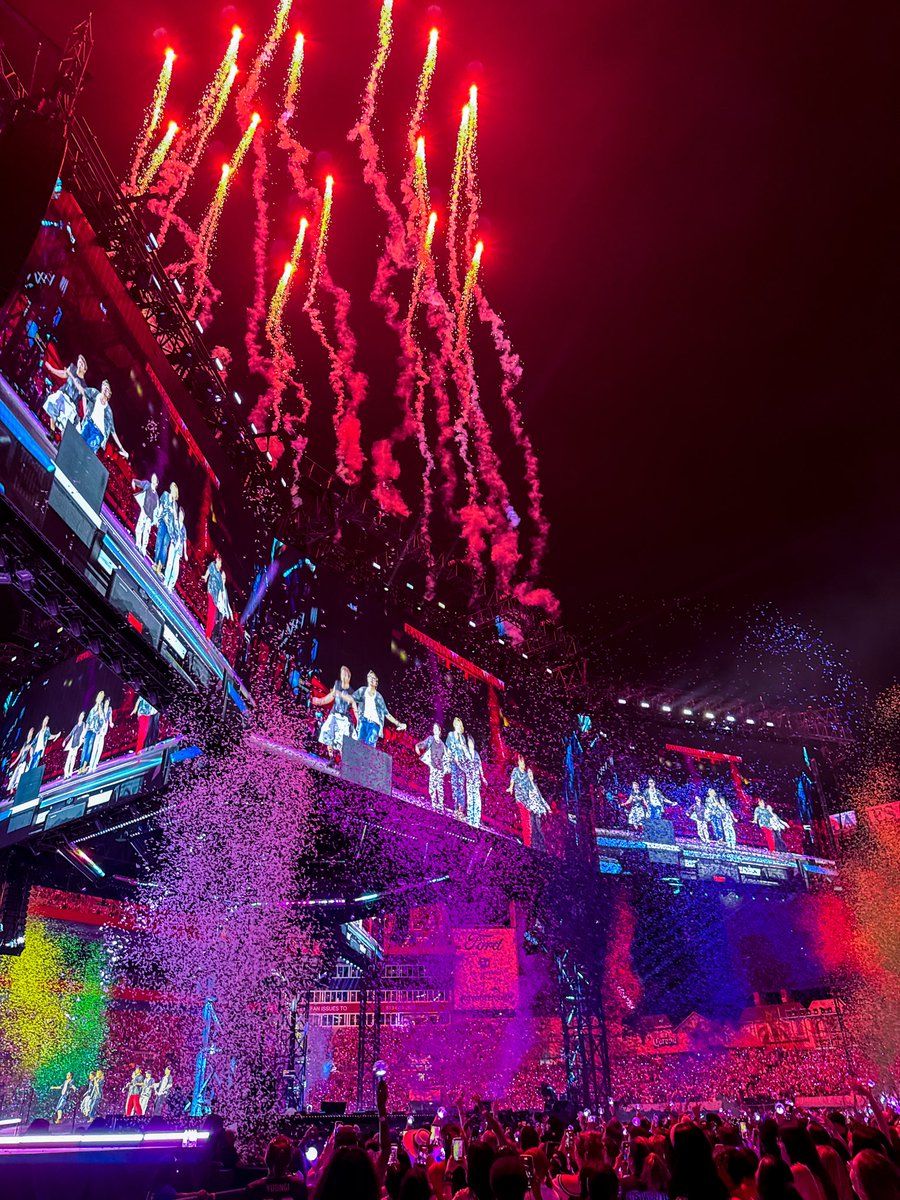

![bts_bighit's tweet photo. [#오늘의방탄]
260428 BTS WORLD TOUR 'ARIRANG' IN TAMPA
#방탄소년단 #BTS #BTS_WORLDTOUR_ARIRANG
#BTS_WORLDTOUR_ARIRANG_NA
#BTS_WORLDTOUR_ARIRANG_TAMPA https://t.co/5qVRTbuGIi](https://pbs.twimg.com/media/HHCwerzbQAArvTu.jpg)
![bts_bighit's tweet photo. [#오늘의방탄]
260428 BTS WORLD TOUR 'ARIRANG' IN TAMPA
#방탄소년단 #BTS #BTS_WORLDTOUR_ARIRANG
#BTS_WORLDTOUR_ARIRANG_NA
#BTS_WORLDTOUR_ARIRANG_TAMPA https://t.co/5qVRTbuGIi](https://pbs.twimg.com/media/HHCwerwawAAaoPV.jpg)
![bts_bighit's tweet photo. [#오늘의방탄]
260428 BTS WORLD TOUR 'ARIRANG' IN TAMPA
#방탄소년단 #BTS #BTS_WORLDTOUR_ARIRANG
#BTS_WORLDTOUR_ARIRANG_NA
#BTS_WORLDTOUR_ARIRANG_TAMPA https://t.co/5qVRTbuGIi](https://pbs.twimg.com/media/HHCweruaYAEWJUU.jpg)


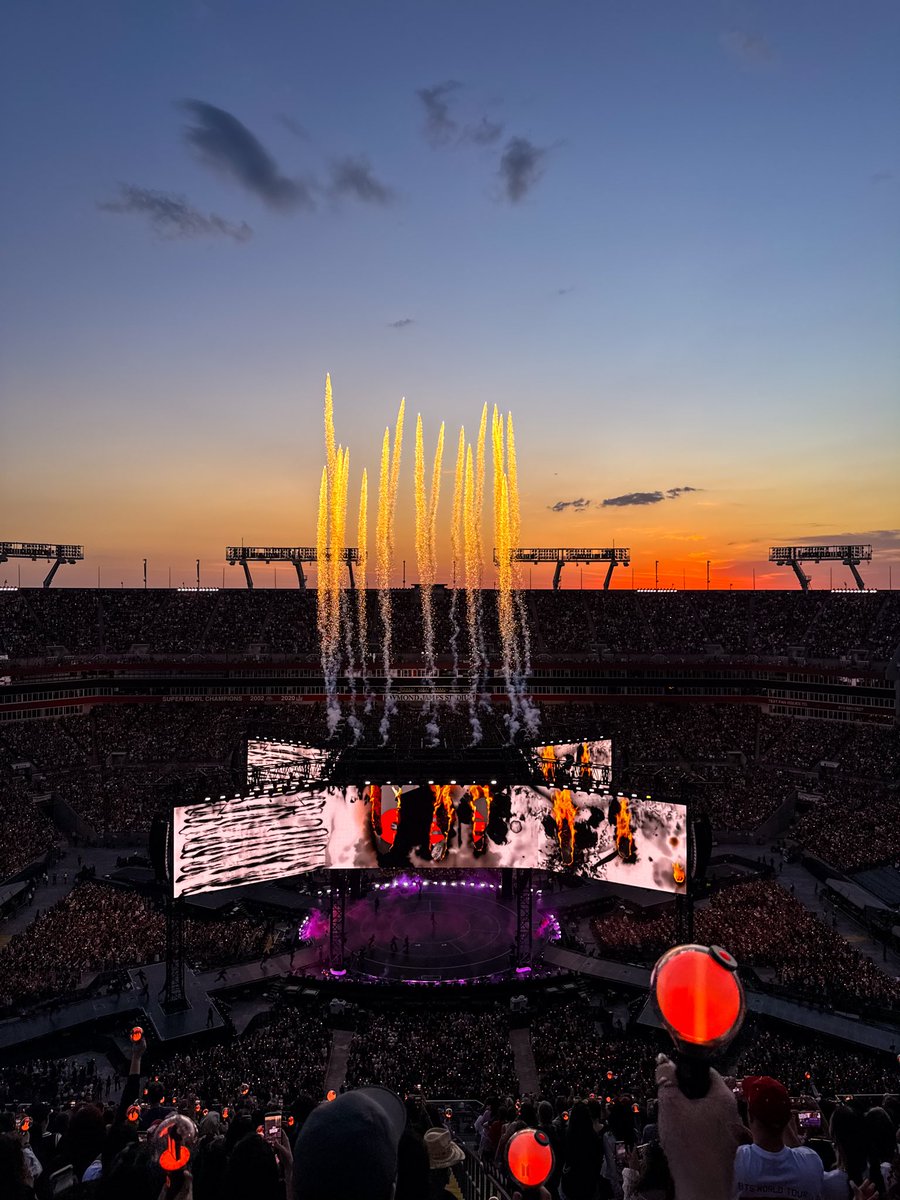
![bts_bighit's tweet photo. [#오늘의방탄]
260428 BTS WORLD TOUR 'ARIRANG' IN TAMPA
#방탄소년단 #BTS #BTS_WORLDTOUR_ARIRANG
#BTS_WORLDTOUR_ARIRANG_NA
#BTS_WORLDTOUR_ARIRANG_TAMPA https://t.co/5qVRTbuGIi](https://pbs.twimg.com/media/HHCwer2bAAA9LIZ.jpg)