@Anchit171 I have no xp in consulting/IB/big law etc etc
But if considering it, I think it's worth watching talks like this to get an idea of what it takes
https://t.co/tyXJkY1pPT
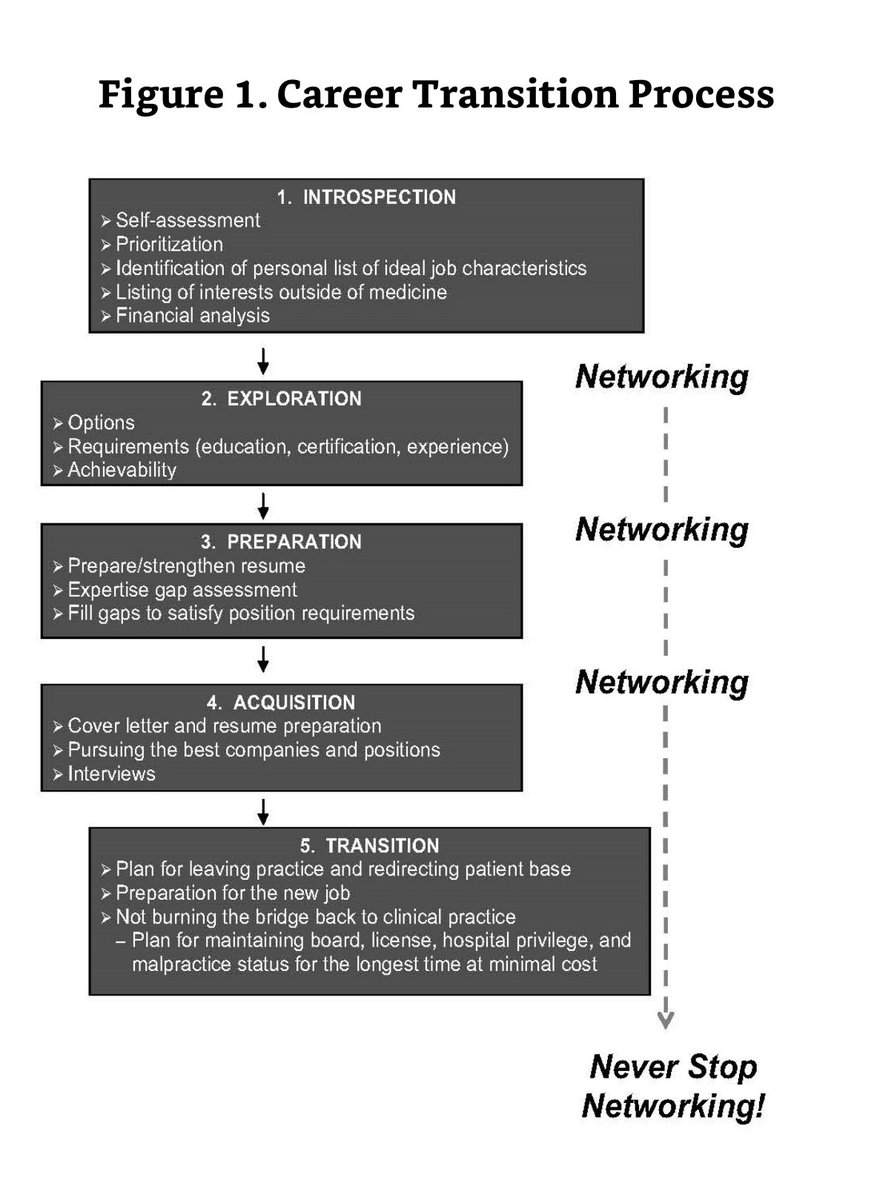
@MustafaSultan@Anchit171 Really great book specifically for doctors leaving medicine reccomended by @ChrisLovejoy_ called “Do you feel like you wasted all your training?”. Has a great graph showing the process of leaving. It’s not a snap decision but takes time.
https://t.co/6NiIbzf8sm
I'm curious, what was your advice for your friend?
My take (general philosophy + tangible steps):
Philosophy
- It's really hard to just jump out of Medicine without having put in years of work developing a skillset/network. The UK healthtech (et al) market is not super hot, and it's competitive.
- for every story about a medic successfully leaving, there are 10 who tried and failed
- so I'd view this as a multi-year project, not a quick thing
- I had a lot of arrogance thinking that Doctors are massively demand in the private sector, just because we are doctors. Not true. People hardly care.
- For your initial move out, I think it's worth picking something healthcare-related. At least you'll have a leg up from your clinical xp
Assuming your friend is like most of us at the start, i.e. has no sellable skillset outside of Medicine — options are:
- Continue in Medicine and start developing a skillset (can go LTFT). E.g. coding healthcare related projects (you'll have much more advice on this), freelance creative work for agencies/startups, beg/borrow/steal to get internships.
You need to create a portfolio/body of work you can point to. Realistically, you need to be able to point to a few things that you have made, examples:
coding: I created a 'chatGPT' for primary care demo, I contributed to this public repo, I launched this startup
creative: I made this creative work for X startup (can be graphics, video, podcast whatever)
internships: I led X project which resulted in <a measurable improvement> at this startup
- If interested in consulting, bear in mind that landing a position in the most prestigious firms (MBB) is as hard as getting into Harvard. If you're the Oxbridge/London/AFP calibre of Medic — then sure it's possible. But you'll need to put at least 6 months of dedicated work into this.
If you thought F1 was hard, you're about to enter something 2x as intense
Join fishbowl, start cold messaging medics who have entered consulting, go to consulting 'open days'. (Caveat: I have no xp in this).
- an underrated path is via research. E.g. can do AFP/ACP (or research outside of a formal training programme) and leverage these connections to get startup roles. can also use this to develop useful skillsets (data science/python/stats etc etc).
- another path is pharma (e.g. medical liaisons). I have no xp with this though.
- If you have no idea what you could do, it's not a bad idea to spend a year on learning about the landscape (@azeemaa100's BiteLabs Fellowship, NHS Clinical Entrepreneur, MBA/MPH/comp sci type masters... Biggest benefit to all of these is network IMO
The best piece of advice I received was to get a blank sheet of paper, and write down everything you've achieved in the last few years.
Until this piece of paper looks impressive, I think stay in med and start populating this sheet
Caveat: Sometimes through raw hustle/grit/bravery — you can fall into opportunities with no skillset. Definitely worth trying this (essential reading: The Third Door), but don't rely on it
More essential reading: the Dilbert career advice https://t.co/xCKBH49iyL
"Capitalism rewards things that are both rare and valuable. You make yourself rare by combining two or more “pretty goods” until no one else has your mix."
This is what a Registrar is, and this is why all non-medical professionals who claim to be “Reg level” are misguided and dangerous.
It’s about time we recognise and appreciate why appropriate medical education is essential, and why healthcare is dangerous without it.
15/15
@Duostudent@larsyolo3@Duostudent Er staat een bedrag voor december. Maar er staat "betaald" in het groen. Ik heb die melding voor december nog niet in het groen. Kunt u bevestigen dat deze wordt betaald?
@Duostudent@larsyolo3@Duostudent Ik heb het bedrag dat er staat dat het zal worden betaald. Maar op het groene label staat niet: betaald: wordt er betaald?
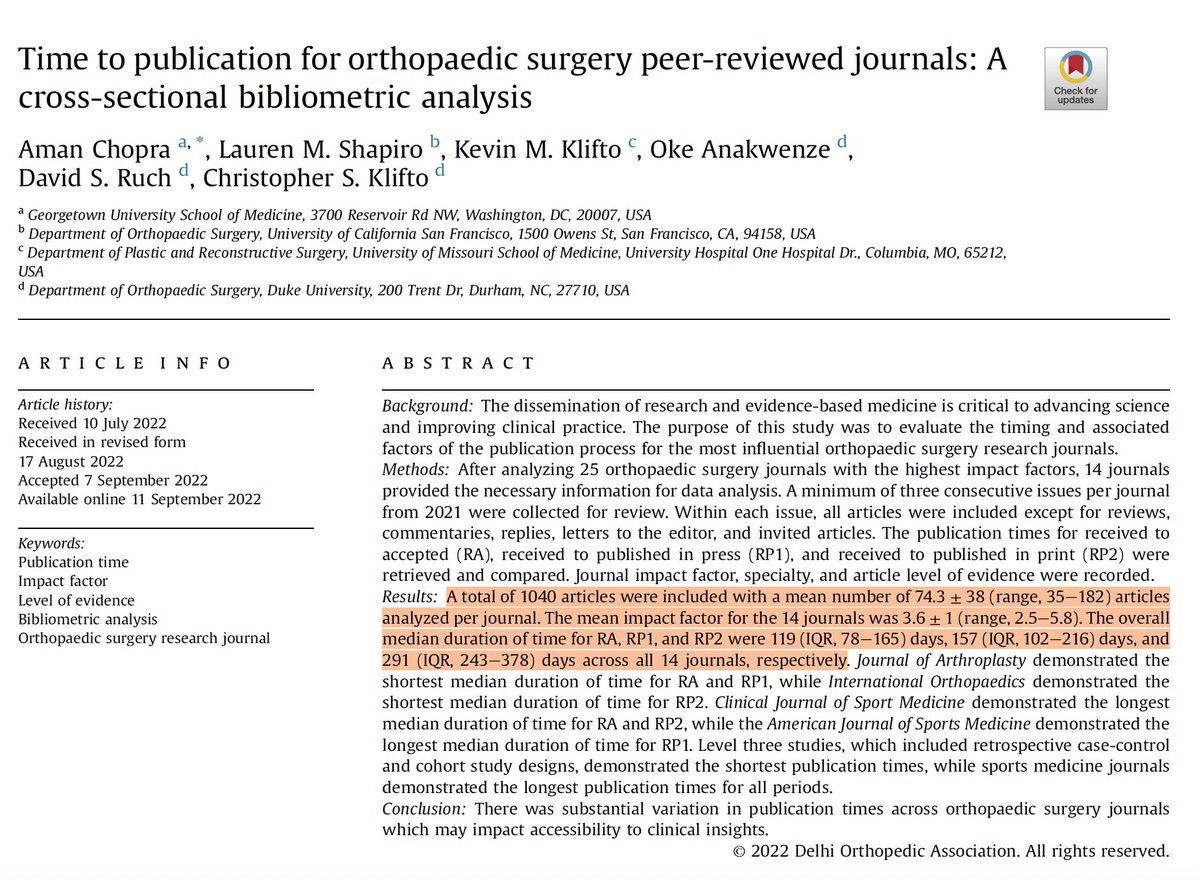
I have supported many people to publish papers. It’s a privilege.
Whether from a mentor/sponsor/supervisor point of view, all the way to being a co-author
But, lemme be clear, publishing takes time
I *will* help you
But there’s no short cuts
#MedEd#medtwitter
https://t.co/8pk0p9Cb80
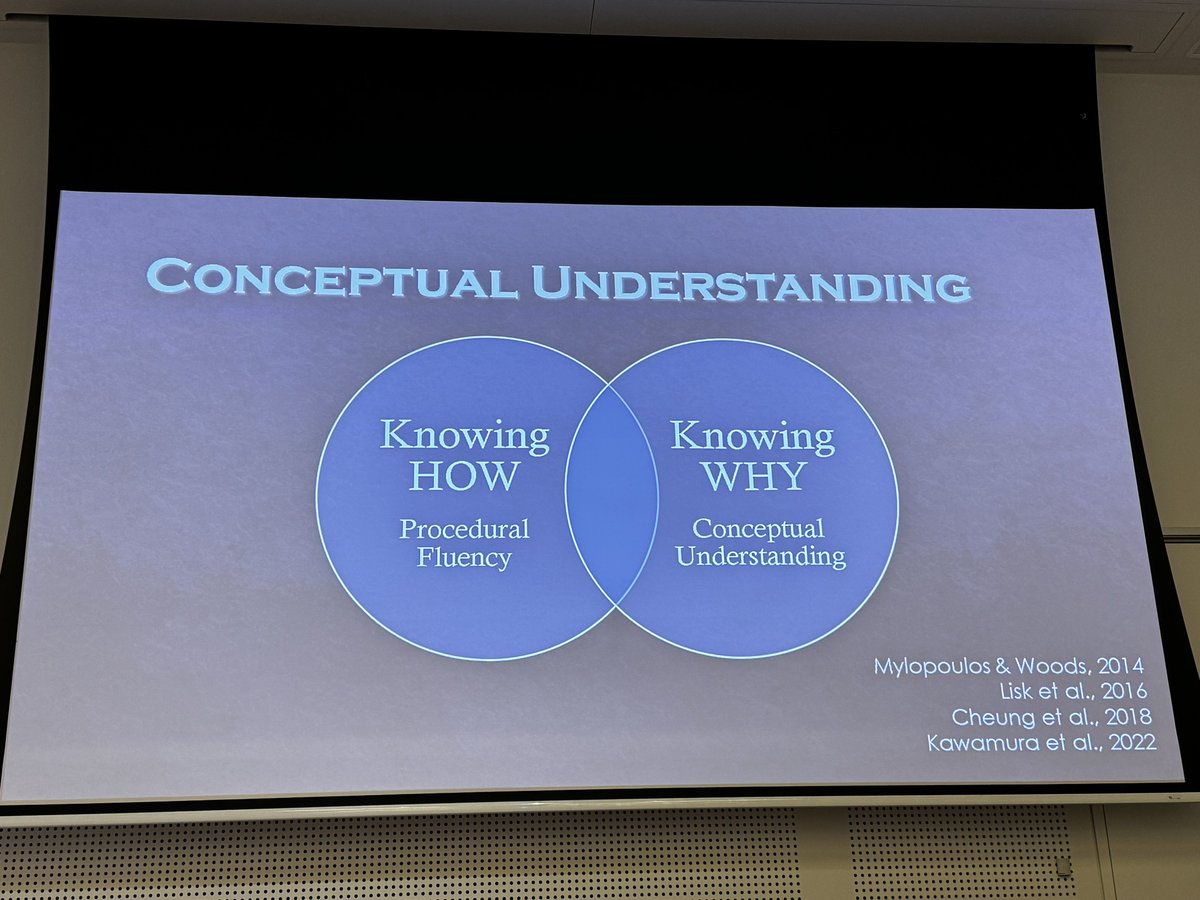
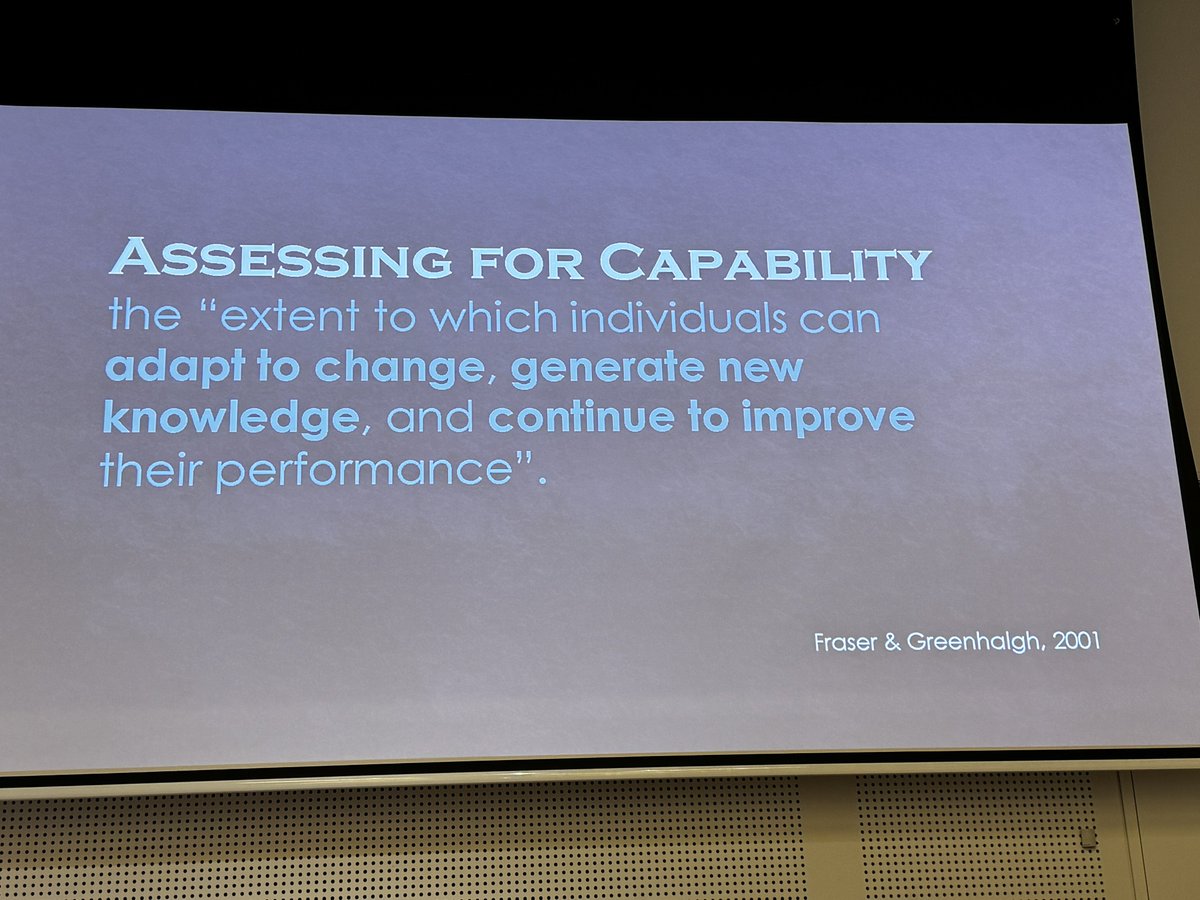
“Assessing for capability, not just competence”
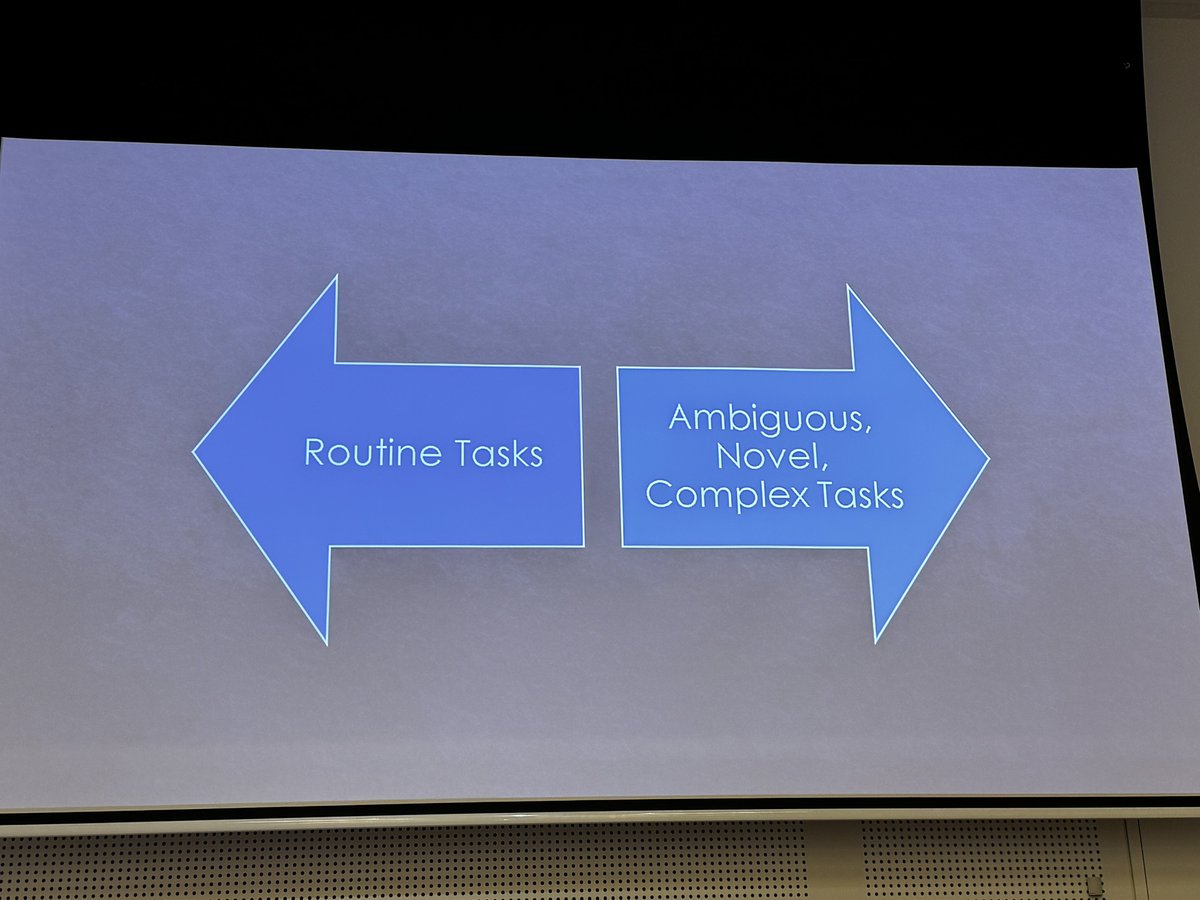
WBAs are heavily weighted towards routine tasks, rather than inherently complex tasks they’ll encounter in different contexts
Now…how do we assess adaptive expertise?
*How:Why*
*Efficiency:Innovation*
#Ottawa2024#MedEd
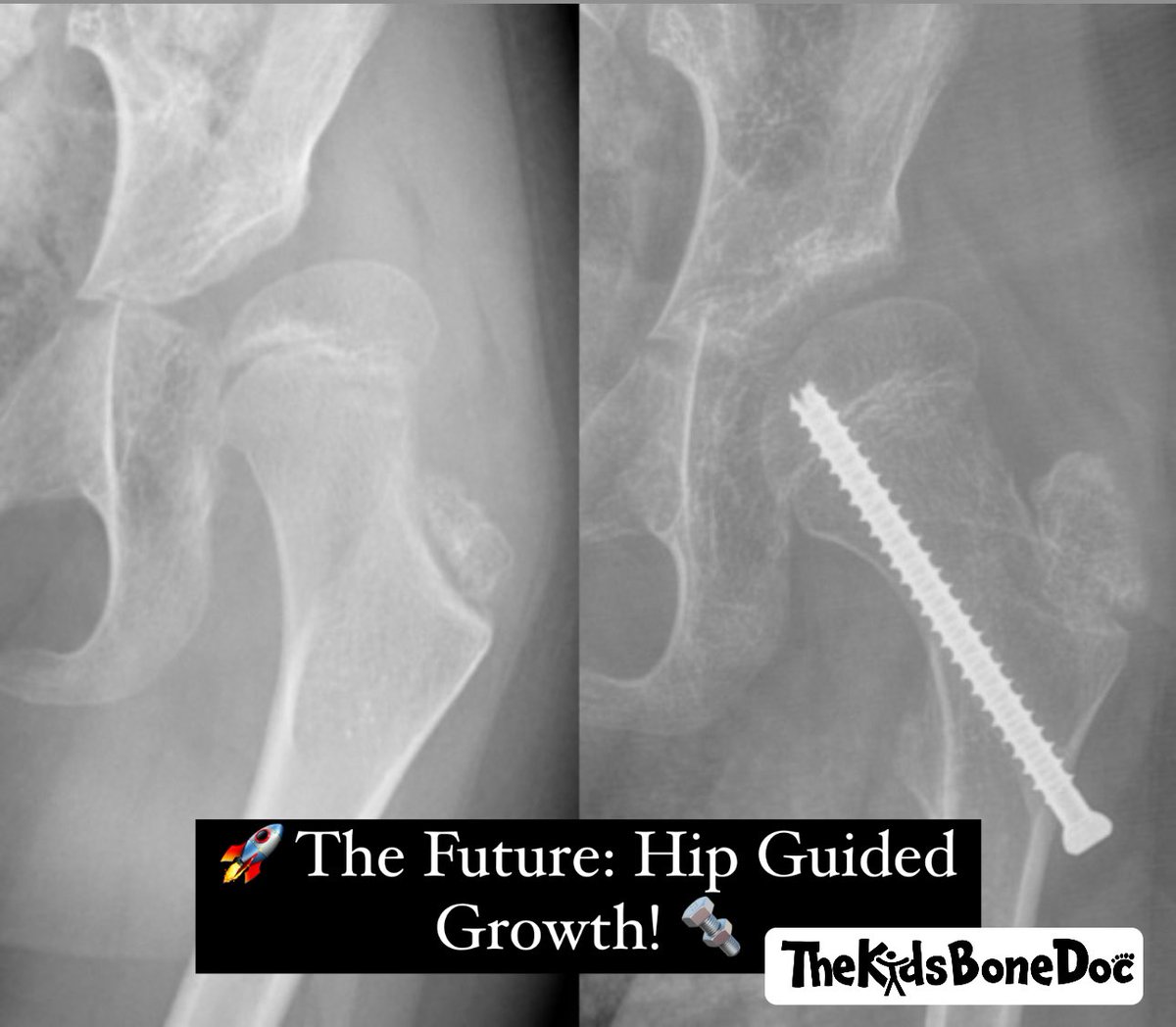
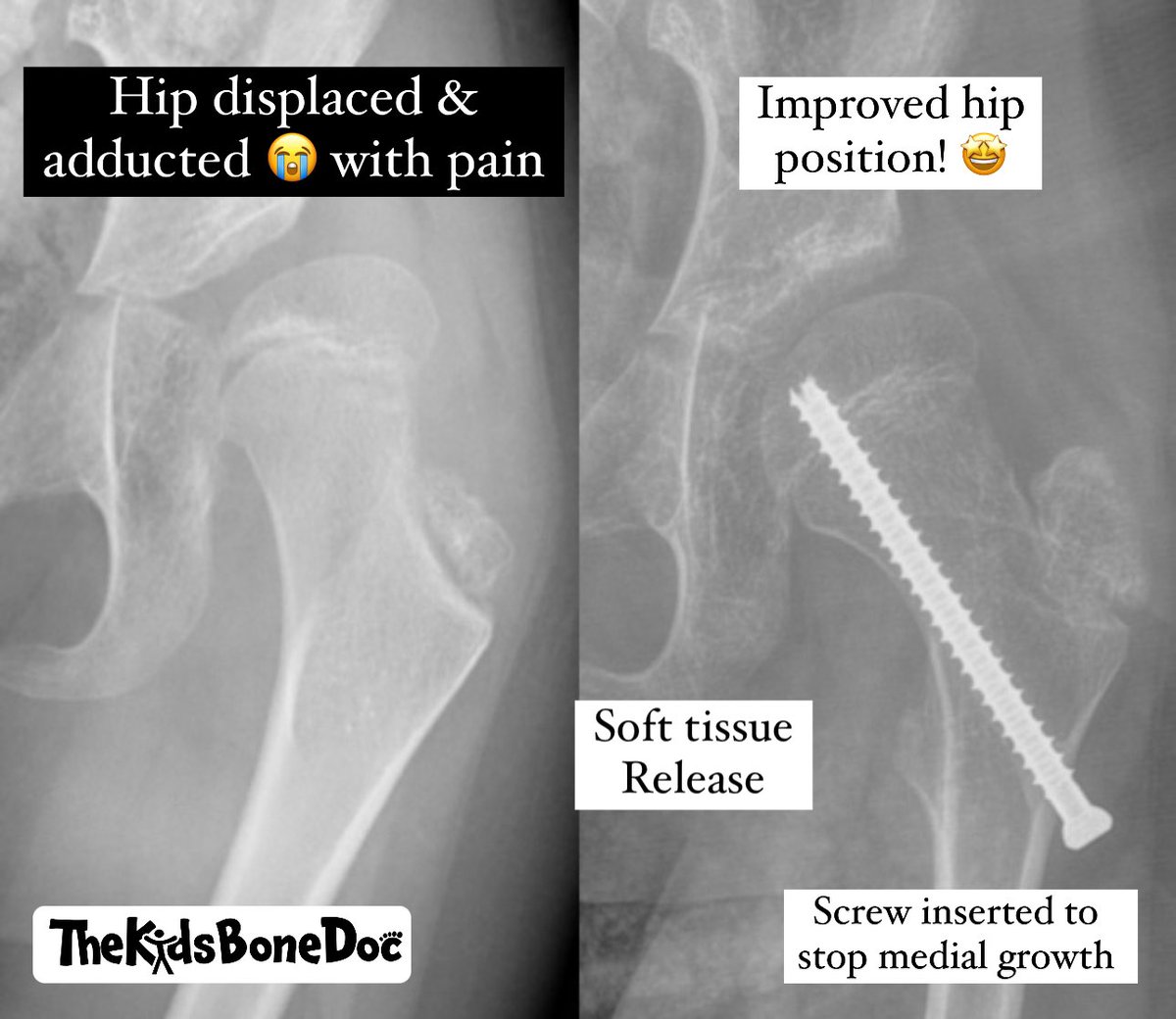
🚀 GUIDED GROWTH OF THE HIP 🔩
This technique is becoming increasingly popular 🌍 to manage early hip subluxation in Neuromuscular/Rare disease patients - minimally invasive, daycase surgery
Between hip surveillance & this could osteotomies become part of surgical history ⁉️📚
Our HLA Scholar, Eva Boomstra, started her journey with us in Amsterdam, with cohort 6. #Leadership#HLA#HLAscholar
Find out more about the HLA Scholarship programme here: https://t.co/5xbx63DygQ
Video - https://t.co/QpKJxQFXSy
Our HLA London Cohort Director, Alexander Lee, started his journey with us as an HLA scholar in 2019. #Leadership#HLA#HLAscholar
Find out more about the HLA Scholarship programme here: https://t.co/Lkrt2Tbe0v
Video - https://t.co/gTHaozhW9i
“I decided to join the HLA because I knew it had a plethora of expertise that I could benefit from” - Soham, HLA Cohort Director. #Leadership#HLA#HLAscholar
Find out more about the HLA Scholarship programme here: https://t.co/Ydcj5DHRaJ
Video - https://t.co/WkJAfNlf2N