two professors at Wisconsin spent 25 years teaching operating systems together
then they wrote a 714 page textbook about "Operating Systems: Three Easy Pieces"
it covers virtualizing the CPU virtualizing memory concurrency persistence security and file systems
small enough to read in parts and also it is written like a conversation not a typical textbook
this is what you read if you want to really understand how operating systems work not just the theory
This paper deserves more attention - A Wake-Up Call for Kernel-Bypass on Modern Hardware
Oracle Exadata already proves this in production - cutting data access latency by 17x in a real database system.
The paper makes the case for why this needs to become the norm, not the exception.
Link to paper:
https://t.co/NTlgSFXJW8
Oracle Exadata
https://t.co/ZZ4R4aQUZV
Fast enough to consider "speed of light" as a bottleneck.
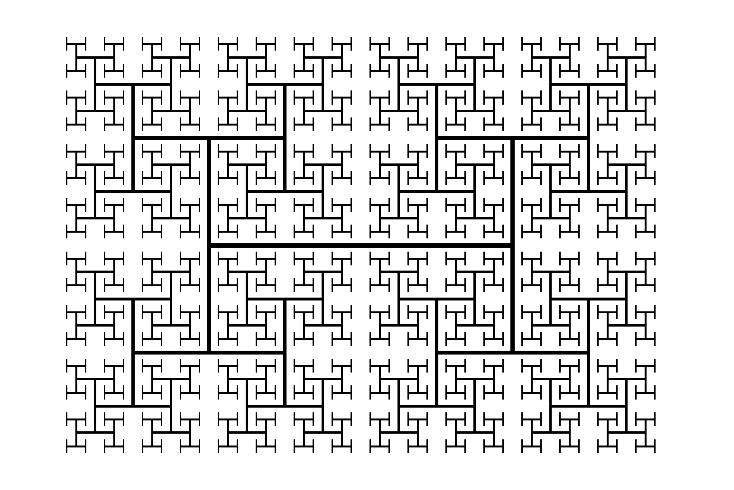
For each clock cycle of a modern CPU, the signal travel just 3-6 cm. Keeping timing in sync became such a problem that designers need to organize clock sources in a H-tree pattern on the die, just to make sure the physical trace length is the same everywhere.
@noinconsistency depends on windowing libs, headers, and if it uses glm; btw if you use dynamic rendering + push buffer addresses + transient cmds + sync2 + no layout transitions + pcie reBAR you can avoid lot of boilerplate code
@redesarrollope > Desbalance entre demanda y oferta de profesionales
> Falta de contactos
> Regulación laboral obliga a empresas a no arriesgarse
> Falta de especialización/skills
> Malas condiciones laborales/salarios