How to keep an open mind:
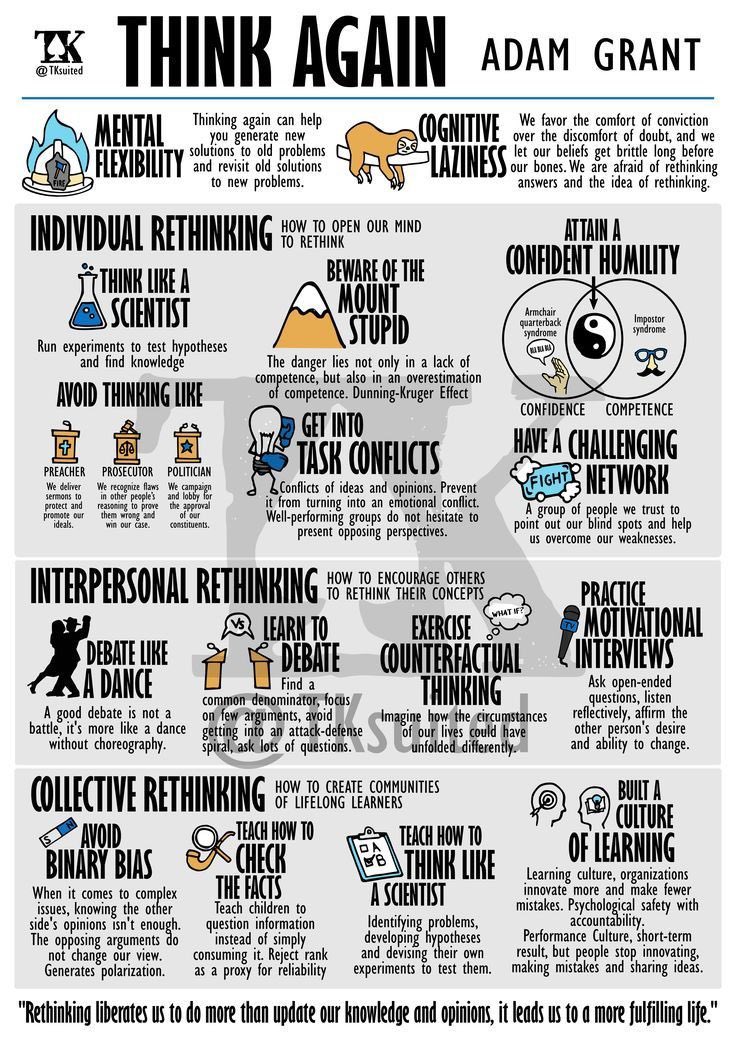
1. Think like a scientist: treat your opinions as hypotheses and decisions as experiments
2. Embrace confident humility: argue like you’re right, listen like you’re wrong
3. Build a challenge network: seek out people who sharpen your reasoning
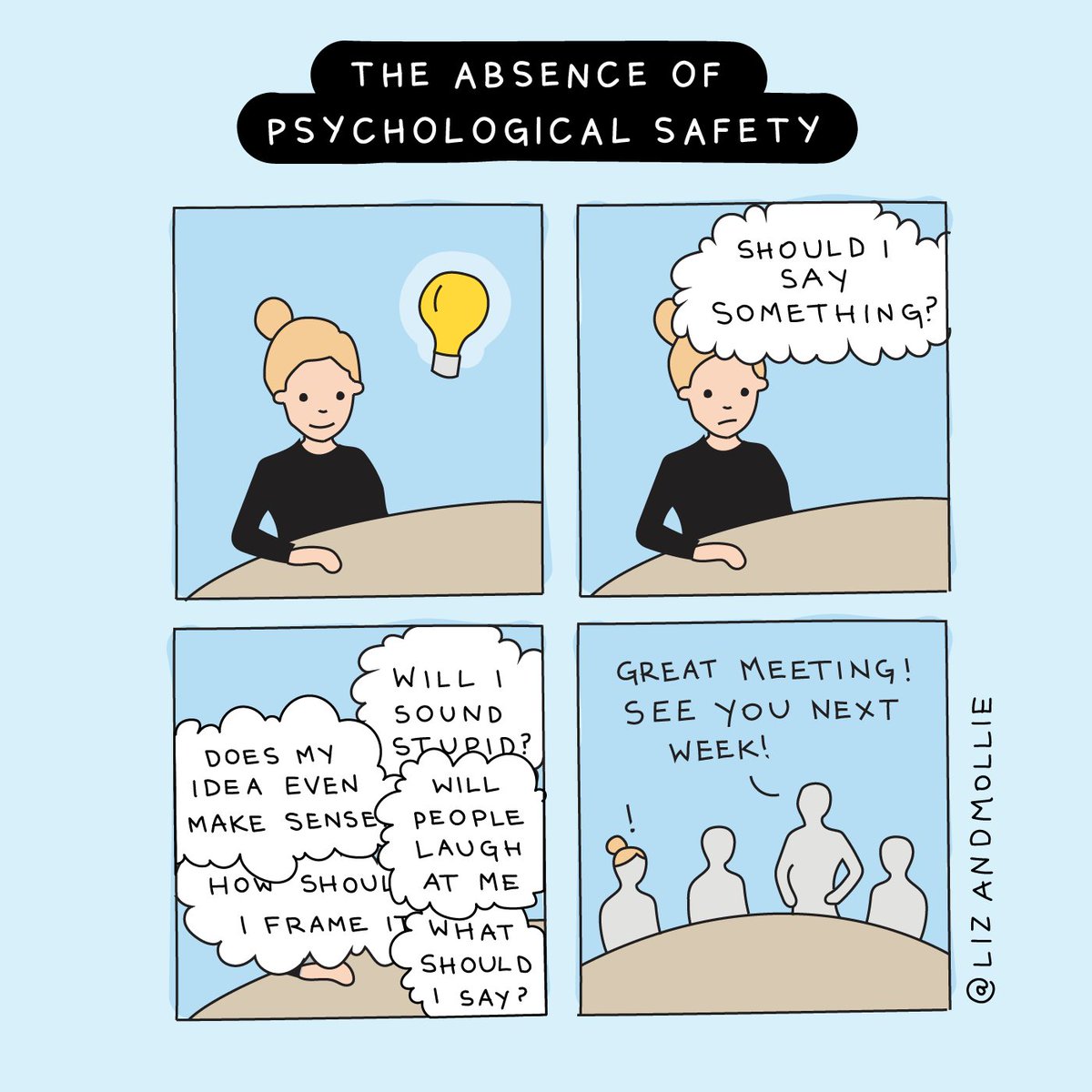
Don't confuse psychological safety with "safe spaces."
Safe spaces treat people as fragile and dissenting ideas as threats. Psychologically safe environments build the capacity to embrace and learn from respectful disagreement.
Exposure to diverging views is fuel for growth.
This week's sketch: Guiding Questions for Inquiry Teachers.
Here are some of my favourite guiding questions.
What are yours? Comment below 💕
#inquirymindset
@trev_mackenzie These are some great questions. I might add: How can I access professional development that supports me in this inquiry?
What interests and motivates my students?
What would success look like for the learners?
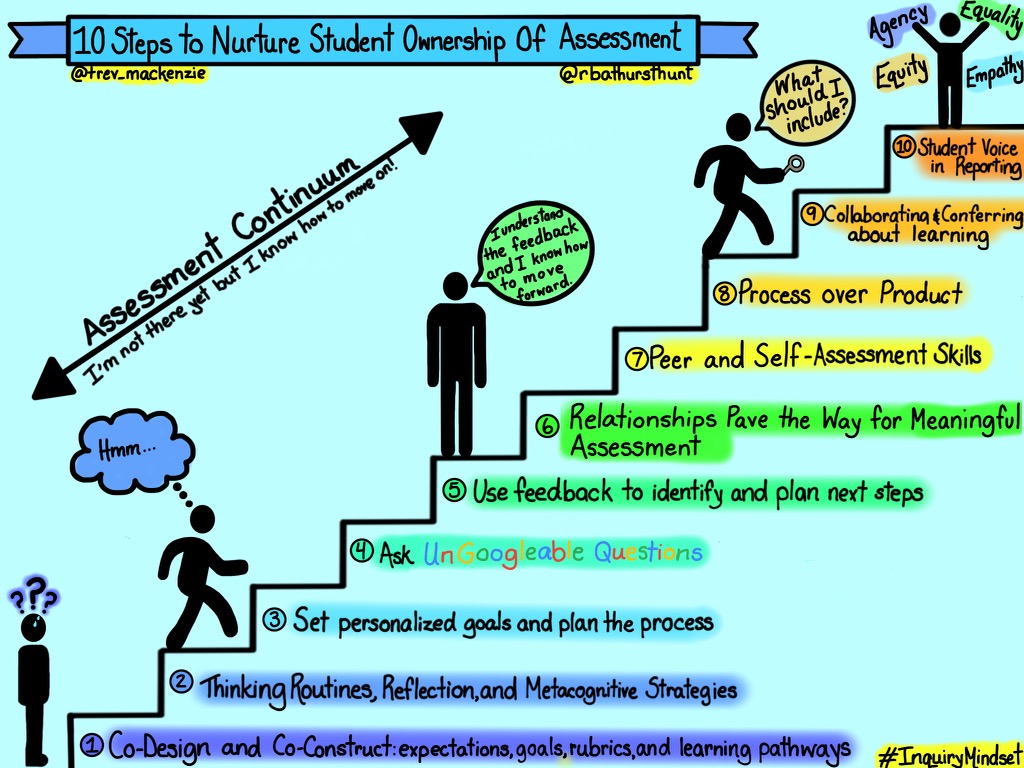
This week's sketch: 10 Steps to Nurture Student Ownership Of Assessment so teachers can empower students and in doing so, students do not feel anxious, overwhelmed, or uncertain.
#inquirymindset
The questions we ask matter.
The spaces we create matters.
If our aim is to nurture student-centred learning, then a step we must take is to decenter ourselves.
Sometimes the most powerful move we can make for our learners is to get out of their way.
There’s such great teaching & learning when students are in the “doing” of learning.
Feedback to guide next steps.
Reflection to impact metacognition.
Guiding questions to shape co-designing.
Teaching is more personalized when we engage learners during the learning.
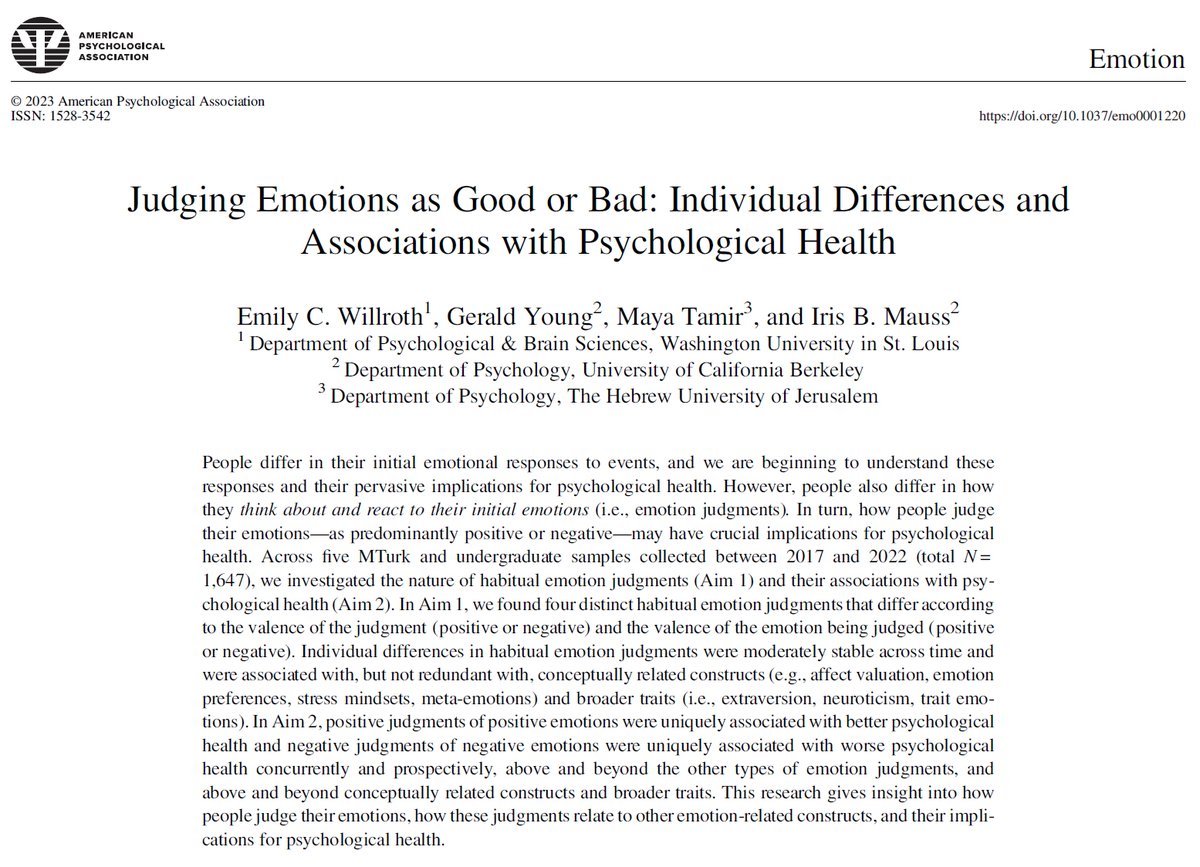
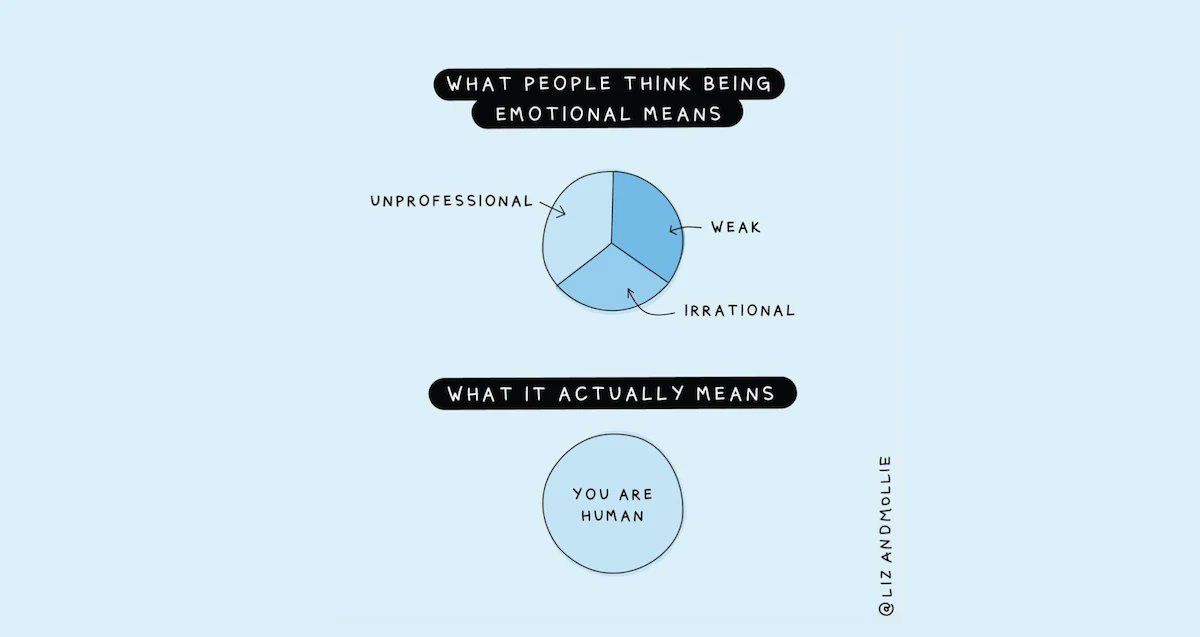
Emotions alone don't determine our well-being. How we view them matters.
Evidence: people who judge unpleasant emotions negatively have poorer well-being than those who accept them as part of life.
A key to resilience is recognizing that what feels bad isn’t always bad for us.
We pay too much attention to the most confident voices—and too little attention to the most thoughtful ones.
Certainty is not a sign of credibility. Speaking assertively is not a substitute for thinking deeply.
It's better to learn from complex thinkers than smooth talkers.
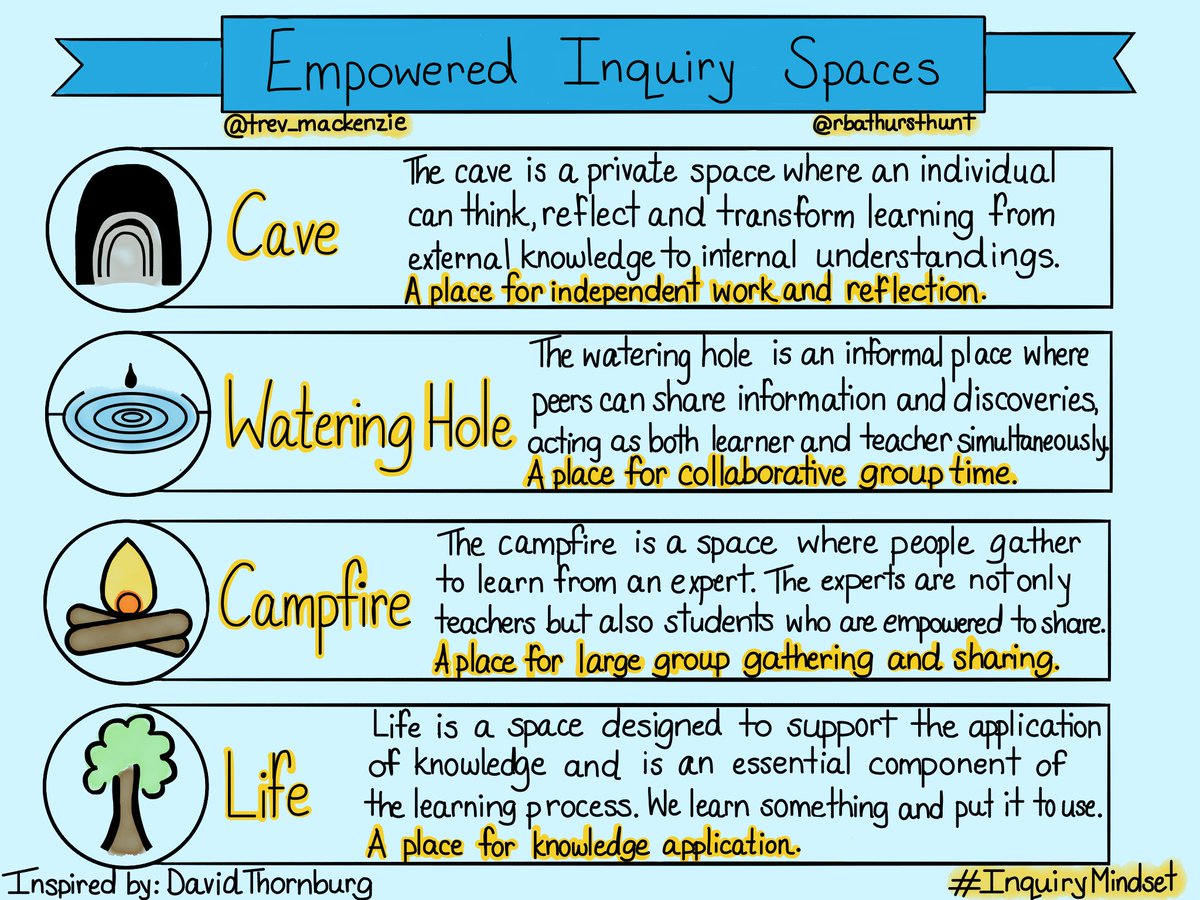
This week's sketch: Empowered Inquiry Spaces.
Building off of last week's sketch, the work of David Thornburg helps leverage space to support agency.
#inquirymindset
"One of the simplest ways to win is to always connect the small things you do to the larger thing you hope to accomplish.
Five minutes can be spent working on something trivial or working on something life-changing.
Most daily actions evaporate. Some accumulate."
–@JamesClear
Say cheese! 📸
Today, NASA’s Solar Dynamics Observatory caught the Sun "smiling." Seen in ultraviolet light, these dark patches on the Sun are known as coronal holes and are regions where fast solar wind gushes out into space.
Impostor syndrome is not a sign that other people are overestimating you. It's more likely that you're underestimating your potential.
Confidence is often a consequence of growth, not a cause. Believing in your ability is less important than believing in your ability to improve.
Feedback is not about sizing people up. It's about helping them grow.
78 studies: criticism is more motivating when you (a) meet face-to-face; (b) compare behavior to a standard, not to others; (c) suggest changes to make.
People want to improve when it's clear that you care.
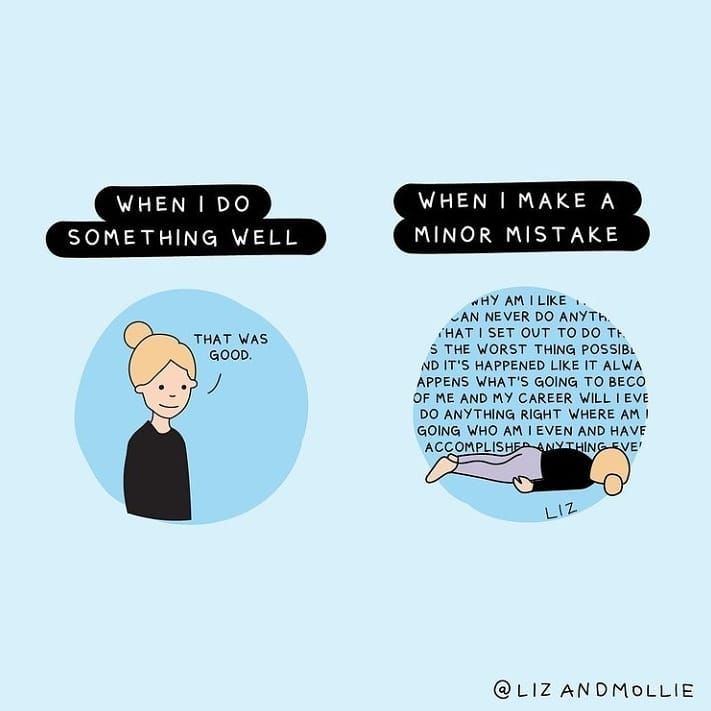
Beating yourself up doesn't make you stronger. It leaves you bruised.
Being kind to yourself isn’t about ignoring your weaknesses. It's about giving yourself permission to learn from your mistakes.
We grow by embracing shortcomings, not punishing them.
https://t.co/2DaMwzLeRT
There’s a fine line between persistence and obstinance.
Persistence is refusing to give up on a difficult goal. Obstinance is refusing to consider a different path.
Grit is not about banging your head against a brick wall. It's about looking for a way around the wall.
It isn't always best to speak up right away. Strategic silence can amplify your voice.
Evidence: people are more likely to be heard when they wait until (a) the issue is relevant, (b) they’re ready, and (c) the audience is responsive.
Fools rush in. Wise people bide their time.
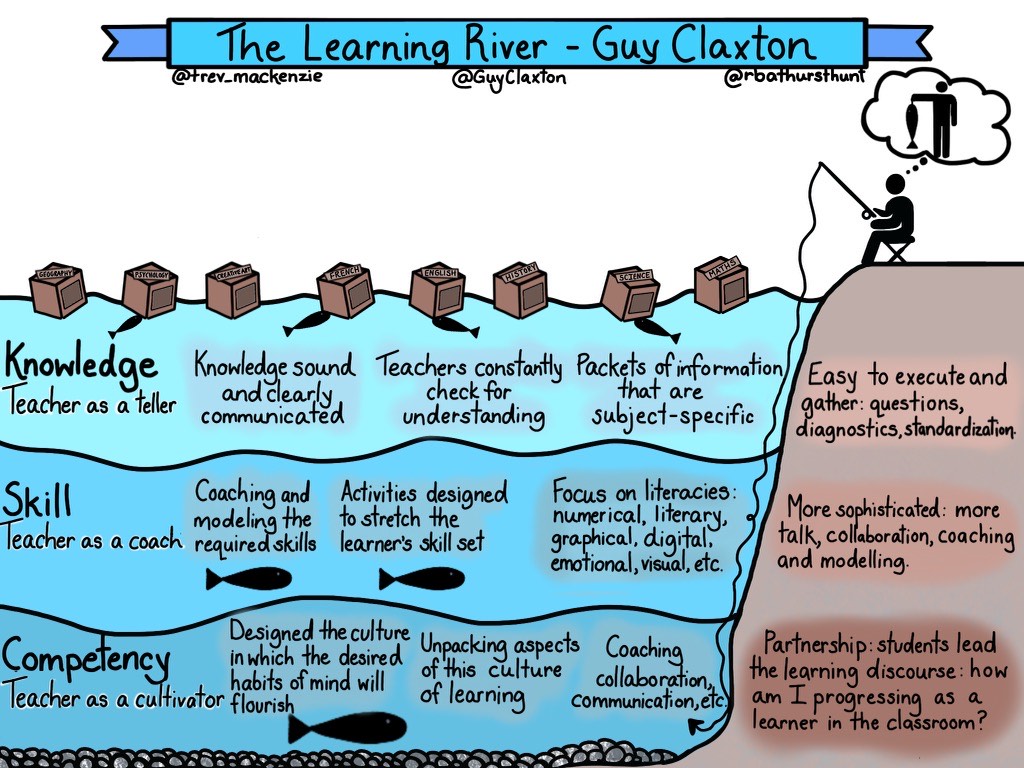
This week's sketch: the Learning River by @GuyClaxton.
How are you nurturing the conditions for the deep aspect of the river when it comes to student learning?
#inquirymindset
Looking for the good in others doesn’t make you naive. It means you’re not cynical.
Recognizing people’s strengths doesn’t deny their flaws. It reveals their potential to overcome their flaws.
Those who refuse to see the good in others fail to bring out the best in others.