An Indian engineer in Bengaluru got tired of potholes destroying his car.
So he built an app with Codex that detects them, finds who is responsible, and files a complaint.
Here is how it works. He installed a dashcam with GPS and an accelerometer. The app records everything while he drives.
A vision model classifies every pothole by size. Small, medium, large.
But here is the clever part. Most Indian roads are under warranty.
The contractor who built them is legally responsible for fixing potholes for free.
His app searches through 2,900 government contracts, finds the exact tender number, identifies the officer responsible, attaches the photo and geolocation, and generates a ready-to-file complaint.
One drive to work. 12 potholes detected. 12 complaints ready.
--
vc: @gkcs_
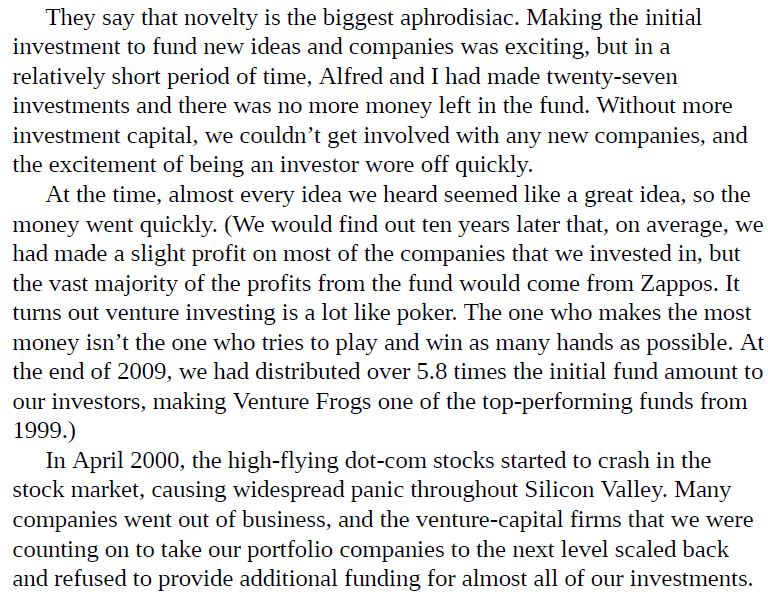
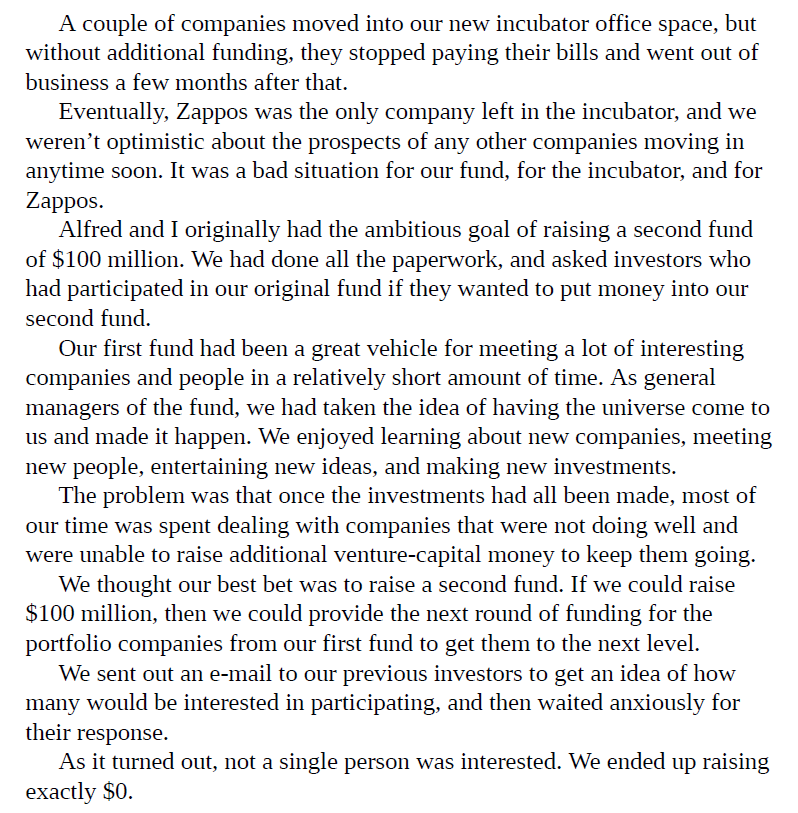
Any time I meet a VC, especially an emerging manager, I think about this passage by Tony Hsieh reflecting on Venture Frogs (his fund with Sequoia's Alfred Lin)
Perhaps intentional placement, but I submit to Ajay that this piece reads like retards retard private investment and GDP growth in India. And that reading might not be off the mark.
Sometimes one is very well served in the long run by a "message received" moment. A catalyst non-pareil for an all-consuming, unrelenting quest. The short-term, however, let's not even go there.
bet on exporters being more efficient, reduced borrowing costs for the rest. Iff the uninterrupted fuel supply is true, it’s better than running chai samosa meetings worthy of an OTT series on Sony Liv.
If one follows the breadcrumbs when John Malone speaks, it's a pretty comprehensive course on capital allocation, structuring and tax efficiency (genius/non-pareil), incentive alignment, and life perhaps. https://t.co/s9qkrtbTHB