@barnoolut Your tag bucket may contain this information, otherwise the unique 15 digit ID can be linked to any info you want either in your wand or indicator, or in an file downloaded from the wand or indicator, which can be opened in Excel, or imported into a software program.
Today’s driving thought - In light of current economic and climatic times, what info would make it easier to determine which animals to keep and which to cull/sell? How do producers collect and use that info? What barriers are there to this?
@StaceyLugsdin@sheepGeekCP Looks fantastic. That’s very similar to the dairy goat system I use for the stud ewes. Collect the data but haven’t previously used it for classing purposes yet.
Prep for fleece weighing of 1200 commercial Merino ewe hoggets at shearing. EID gear set up & ready to be charged. Fleece weights, wool tests & birth mob data allows data informed selection of replacements and enterprise destination. #agchatoz#youcantmanagewhatyoudontmeasure
@samanthawan is a 🏙 girl+1st gen Aus-born Chinese who discovered wool. Now owns a farm & encourages #ausag careers“Wool broker doesn’t quite make the top careers your Chinese child should be...so it’s a good thing my parents didn’t fall into stereotypes”👉https://t.co/YZiGuS85mE
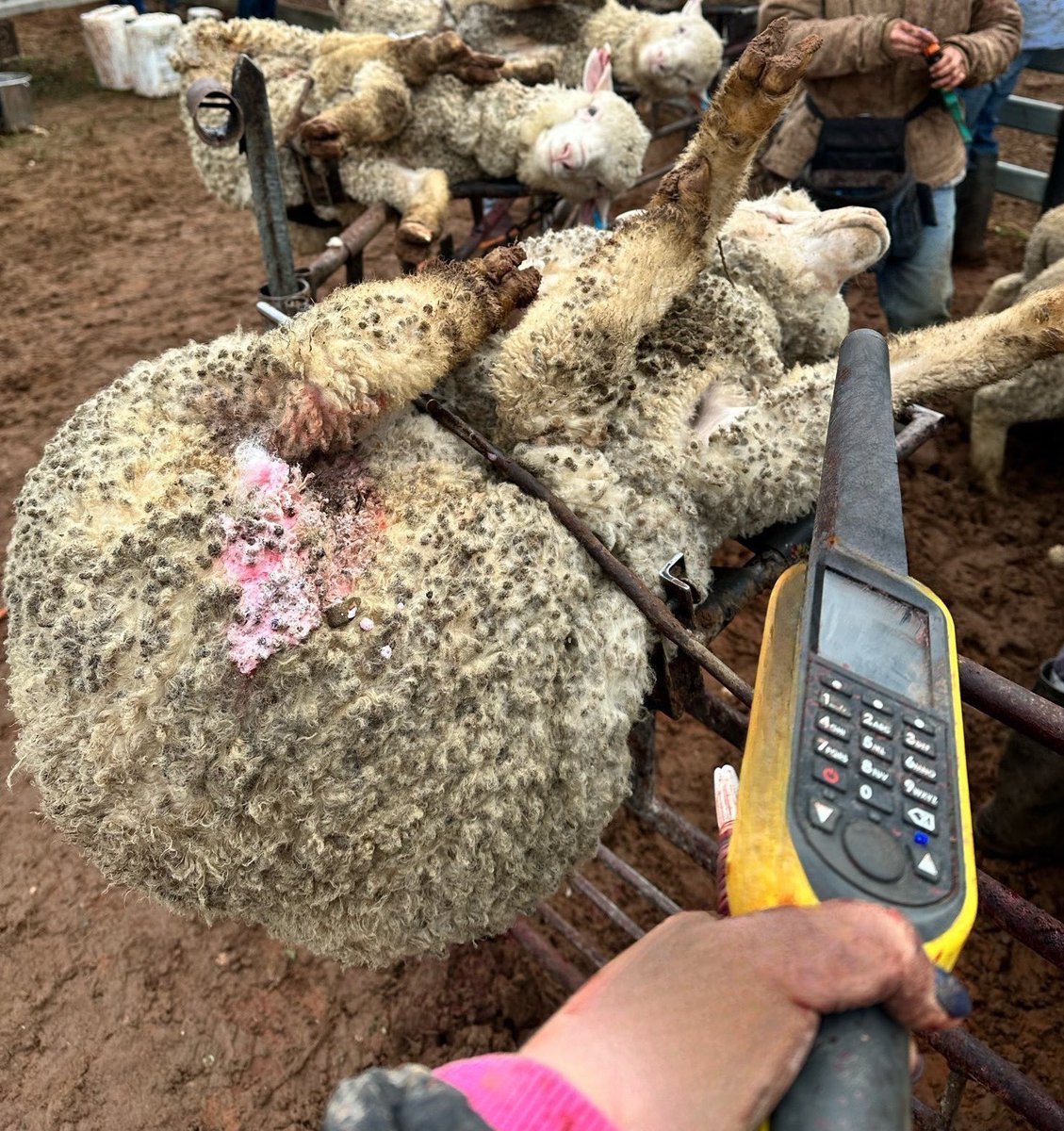
Condition scoring and wet/drying Merino ewes at lamb marking, recorded using EID for the MLA PDS Pregnancy Scanning in Extensive Flocks project. All commercial ewes are wet/dried for rearing status to improve flock reproductive rate #agchatoz#electronicid@StaceyLugsdin
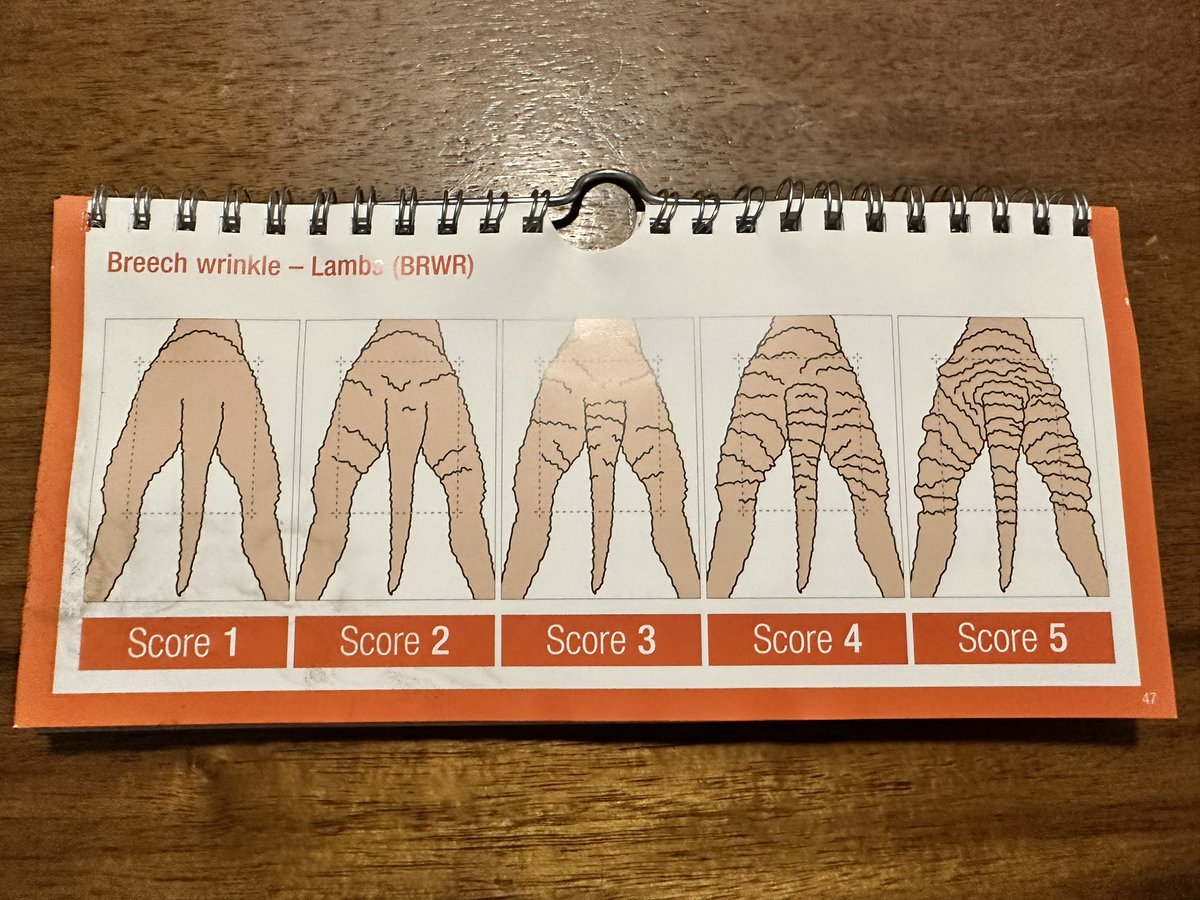
Breech wrinkle scoring of ewe lambs at marking in a non-mulesed Merino flock using visual scores. Ewes with high EBWR will be removed from the breeding flock to reduce flystrike risk. #youcantmanagewhatyoudontmeasure@StaceyLugsdin
@GusWhyte I’ve only had experience with air. Depends on what you are wanting to collect/do with it, wether you want to be able to handle sheep/goats or solely draft
@Kiaoramerino@StaceyLugsdin 2/2 This year I added tag year (23) in Excel in front of 4 digit tag number for reader so spare tags can be reused (in 7 years time 🤷🏽♀️) to keep costs down. I would be curious to know how others are managing this.
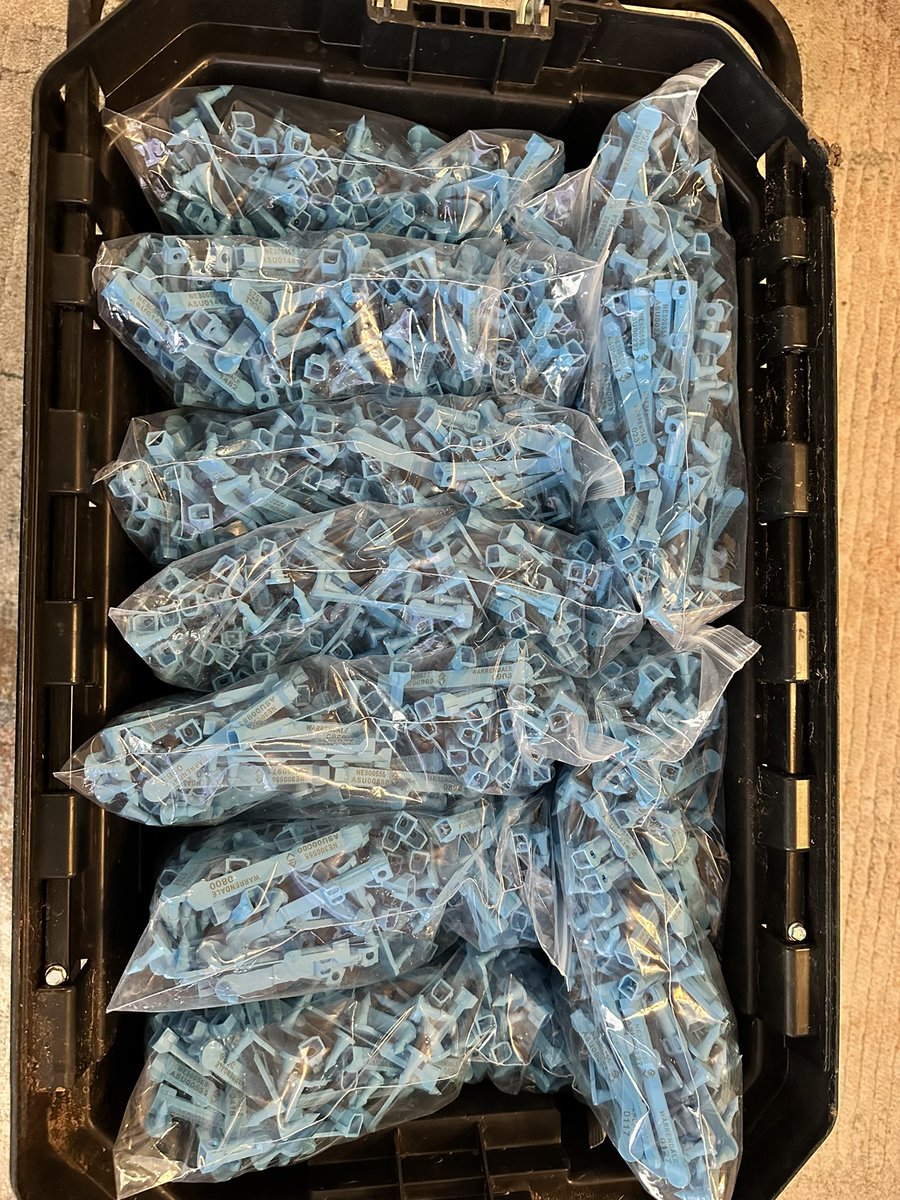
EID tags ready for Lamb Marking 2023. First year all lambs EID tagged, not just ewe lambs, tag buckets uploaded to indicator rather than VID manually entered. Breech wrinkle being collected at marking in non-mulesed flock. You can’t manage what you don’t measure. @StaceyLugsdin
@Kiaoramerino@StaceyLugsdin 1/2 @Kiaoramerino Exactly! It makes utilising EID much easier when first applying tags. Pros & cons to having visual printed on EID tags though, much less labour, less risk of human error, but risk of wasted tags if year is printed.
@CKMonty@sheepGeekCP@DavidSandow1@StaceyLugsdin The EID number associated with the microchip in the tag is a random 16 digit number assigned to the chip, so depending on what you get in the VID (some people don’t get any VID, some get 6 digit numbers, some get 4 digit numbers), it would be difficult to match them. 1/2
@DavidSandow1@StaceyLugsdin The tag company sends out a CSV file with the visual ID and the EID together, which I put onto the indicator as a session, so that when I scan them at lamb marking and enter any data, it is attributed to that animal
Commercial producers using EID tags, how do you currently store your data and what are the issues with storage and use of data? Researching for a project. Feel free to send me a DM #questions#agchatoz@FarmsAdvice@ramsaybaa@sheepGeekCP
@jcressw3@FarmsAdvice Speaking on behalf of family farm - all ewes EID tagged and have been for over 8 years. Previously only ewe lambs done each drop. Now all lambs this year. Collecting data on ewe lambs at lamb marking on BWR. Approx 3000 lambs per year. @StaceyLugsdin