Happy to share our new paper was just accepted at ALS-FTD! Automated vowel measures of natural speech were sensitive to bulbar symptoms, spared in non-bulbar subtype and behavioural variant FTD, and were specific to motor not cognitive impairments in the ALS-FTD spectrum!
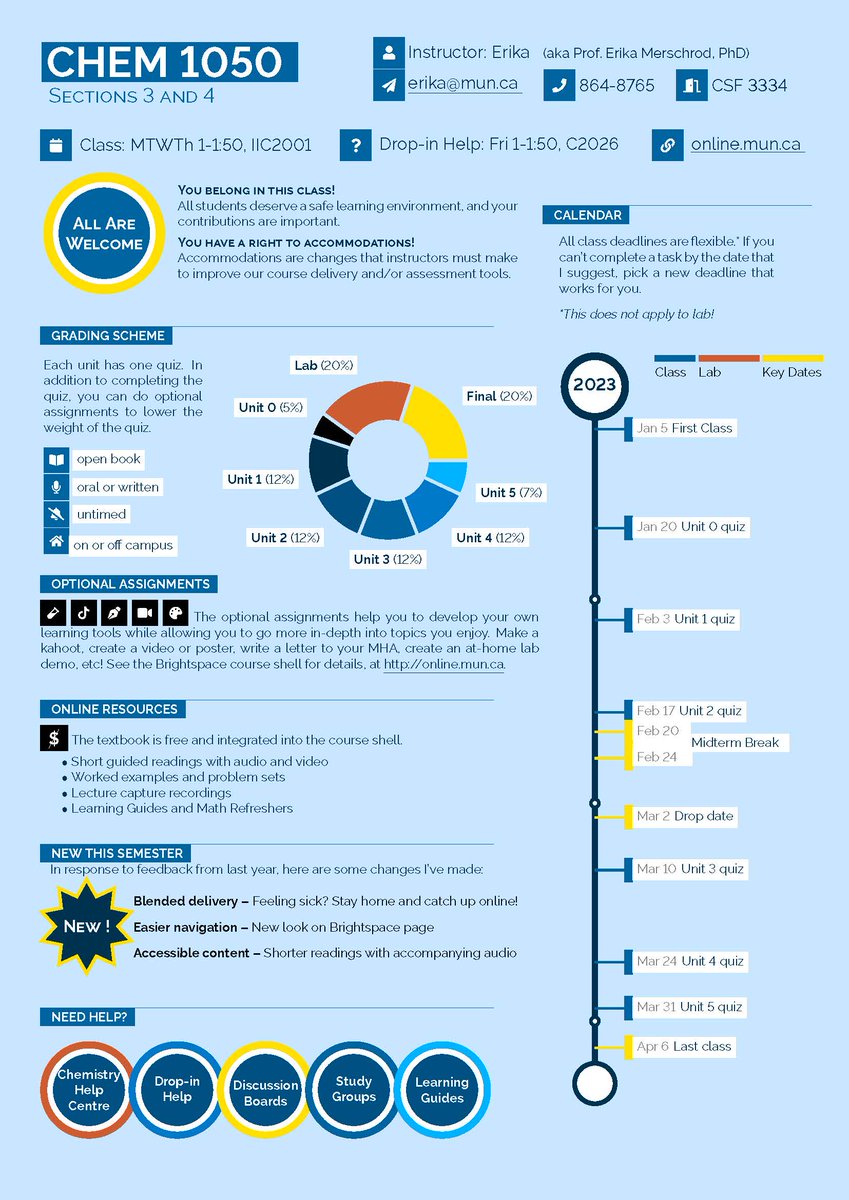
My pretty, pretty graphical syllabus :) New this year, the "NEW!" button thanks to a suggestion from @gavatron! (Shows that we are serious about improvement, open to change, and do make changes in response to student feedback.). Key elements: 1/
Novel word repetition rate tasks assessing tongue and lip articulation in ALS detected pre-symptomatic deficits better than traditional syllable DDK rates, and were validated against speech movements. Read more from @shellikeriii in #JSLHR https://t.co/38kYeNrKEN @PennFTDCenter
Wow, what a journey. I’m super excited to finally get this paper out to world! Thank you, @shellikeriii, for your incredible work with getting this massive project rolling. And of course to all of our other amazing co-authors! It takes a village. 🙂
https://t.co/dfAQEJ8tMM
Does Alzheimer's disease (AD) co-pathology in patients with Lewy body disorders (LBD) impact their speech and language production? Read our recent paper in @ParkinsonismD:
https://t.co/vq5QDbdLZj - explainer thread below:
Clinical classification of patients into Dementia with Lewy bodies (DLB) and Parkinson disease dementia (PDD) did not differ in language features. The two language features together showed high sensitivity in distinguishing between LBD+AD and LBD-AD groups.
📢New publication alert! 📢
Congrats to our amazing team for your recently published paper, “Natural speech markers of Alzheimer's disease co-pathology in Lewy body dementias” in Parkinsonism and Related Disorders. Check it out here: https://t.co/8RSQ9Ki5bX!
Happy Brain Awareness Week! The Penn FTDc is proud to be part of the global Brain Awareness Week campaign that is dedicated to fostering public enthusiasm and support for brain science. In the 26 years since its founding, Brain Awareness Week has evolved into... 1/n
And, thats what we found! This has implications to the clinical assessment of motor speech disorders. Real-word repetitions are easier to collect in cognitive-impaired populations and shows better utility as clinical markers of motor speech impairments. n/n🧵enjoy the read!👋
Another publication I'm very proud of! This time we compared how real-word fast rate repetition tasks perform as clinical markers of bulbar motor disease in ALS compared to traditional "pseudo-speech" syllable repetitions tasks 🧵1/n
https://t.co/A9WplMIxls
...steady decline over time within-individuals) than the syllable repetitions because of the way our brain programs motor movements of real speech vs. experimental oral movements that don't have a linguistic representation. 3/n🧵
#RemoteCognitiveTesting in AD - @KatherineHack15 found the lowest correlation between oral and written trail making test scores, suggesting they may be tapping into different psychomotor functions. #AAIC21