Literacy skills–such as reading comprehension, vocabulary knowledge, and knowledge of text structures–are critical for students’ success in every academic subject. Check out our series of five blog posts to learn how to support literacy in every classroom: https://t.co/fXBvNCfVTh
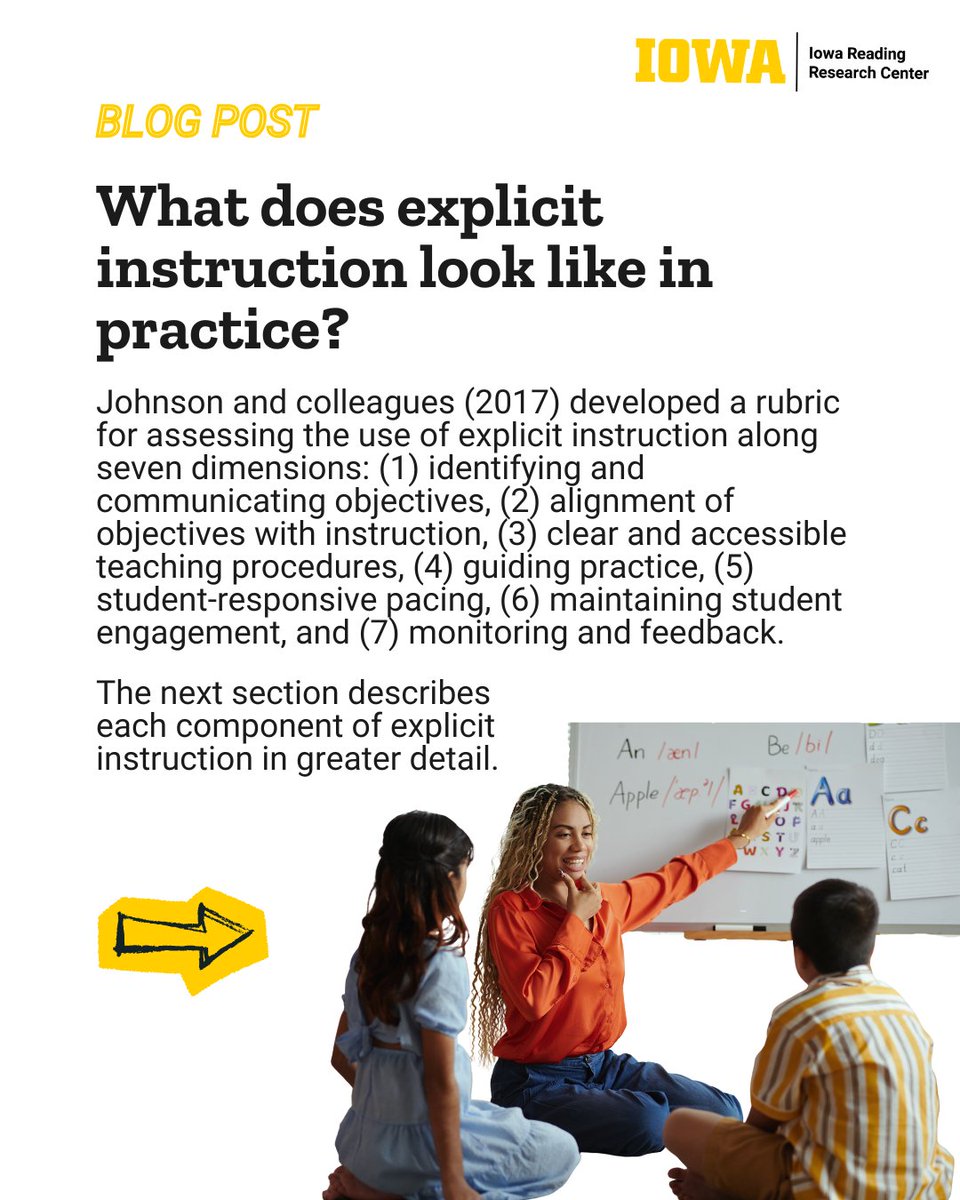
You’ve likely heard that reading and writing should be taught through “explicit instruction,” but what does this really mean and why does it work? Learn how to practice explicit instruction in your classroom through our new blog post: https://t.co/Is76fVoMuB
"A classroom rich in productive self-assessment practices that are grounded in models and examples offers students and teachers seemingly limitless benefits. With support, students can use this system of self-assessment to grow as self-directed learners with strong metacognitive skills." —@hthgse
https://t.co/4tMYZawvtr
Collective Teacher Efficacy is not a slogan. It’s a system.
John Hattie ranks Collective Teacher Efficacy as the #1 influence on student achievement—with an effect size of 1.57. But too often, it’s used as a buzzword without understanding what it really takes to create it.
So what does it look like in action?
1. Common Goals + Shared Clarity
“When educators believe that together they can impact learning, it becomes a powerful driver of success.” – Jenni Donohoo
Schools with CTE don’t just have “mission statements”—they have laser-focused, measurable goals that everyone knows and works toward. That means:
•Clearly defined learning outcomes
•Aligned PLC goals
•Instructional practices that are anchored in student data
2. Embedded Collaboration
True collaboration isn’t just meeting together—it’s working together toward student outcomes. According to Donohoo, teams must:
•Analyze student work regularly
•Engage in joint problem-solving
•Use protocols that focus on impact, not just planning
This means moving beyond “what are we teaching?” to “what worked, for whom, and why?”
3. Leaders Who Create the Conditions
Hattie and Fullan emphasize that leadership matters most when it builds teacher belief and action. That looks like:
•Protecting time for high-quality collaboration
•Modeling vulnerability and data-informed decisions
•Celebrating progress based on evidence, not just effort
4. Evidence of Impact
You can’t build efficacy without results. Teachers need to see:
•Growth in student learning
•Patterns of success from specific practices
•Reflection tools that track progress over time
Regularly asking: What is our evidence that students are learning better because of what we did?
5. Psychological Safety and Trust
Without trust, CTE can’t exist. That means creating a culture where:
•It’s safe to share failure
•Staff value learning over looking good
•Feedback is normalized, not weaponized.
You don’t declare collective efficacy—you build it through systems, leadership, and focused work.
When educators believe they can—and actually see they are—making a difference, the entire school moves forward.
#CollectiveEfficacy #InstructionalLeadership #JohnHattie #Donohoo #PLCThatWorks #LeadingLearning #StudentImpact #SchoolCulture #TeacherGrowth
@VisibleLearning@MichaelFullan1@Jenni_Donohoo
We’re hiring! Norwalk CSD is seeking. Dynamic instructional leader to join our team as an Assistant High School Principal.
#growinglearnersandleaders
https://t.co/rk2jUmXK1x
Melanie Bloom, a 16-year agriculture educator and FFA adviser, spoke about the honor of being Iowa’s 2025 Teacher of the Year and her excitement for her year of service. @siouxcentralcsd#IATOY2025
"Do my Ss get it?"
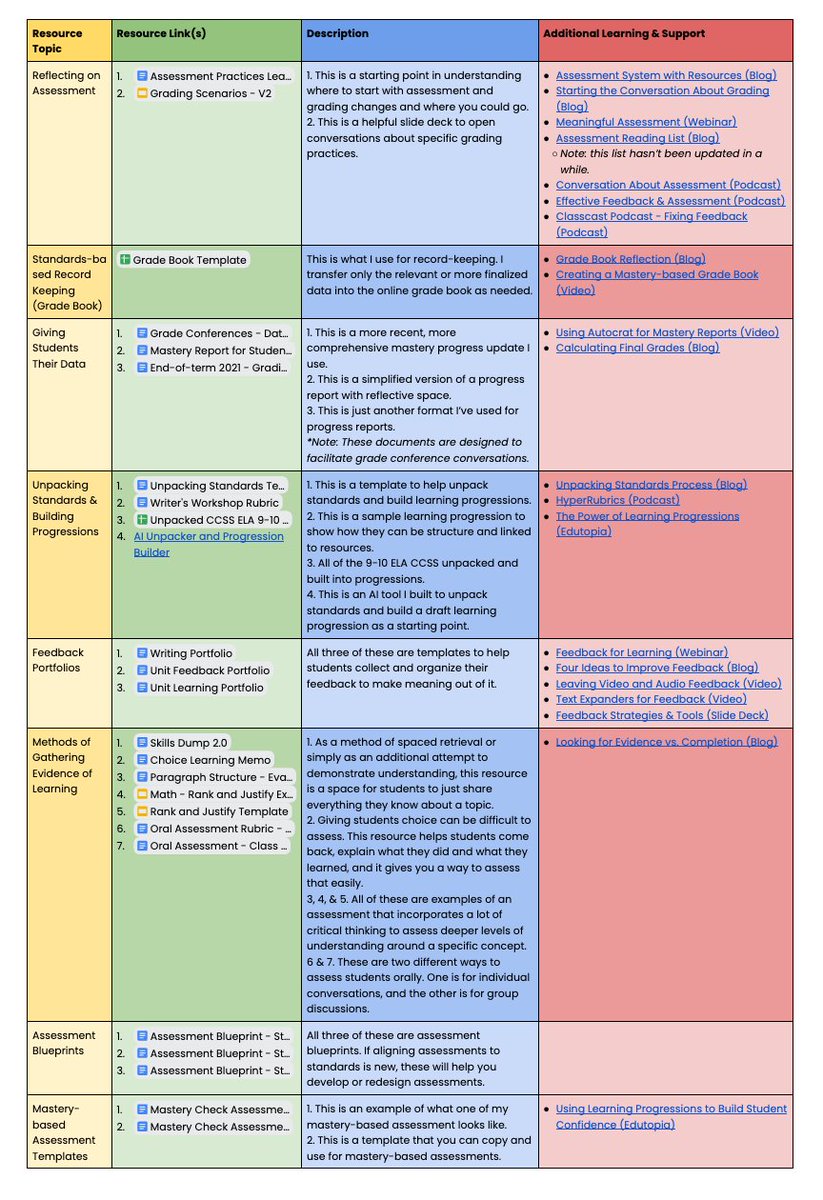
One of Ts' most basic questions also turns out to be one of the most complex. Luckily, educator @Mr_Rablin's resource doc can provide you with the strategies and perspectives you need to uncover satisfying answers! Check it out:
https://t.co/ahiviCNhlH
Ts, how are you keeping track of your own growth? 🌱
In this classroom, teacher self-assessment happens right alongside Ss'!
(Inspiration via educator @donita_hicks)
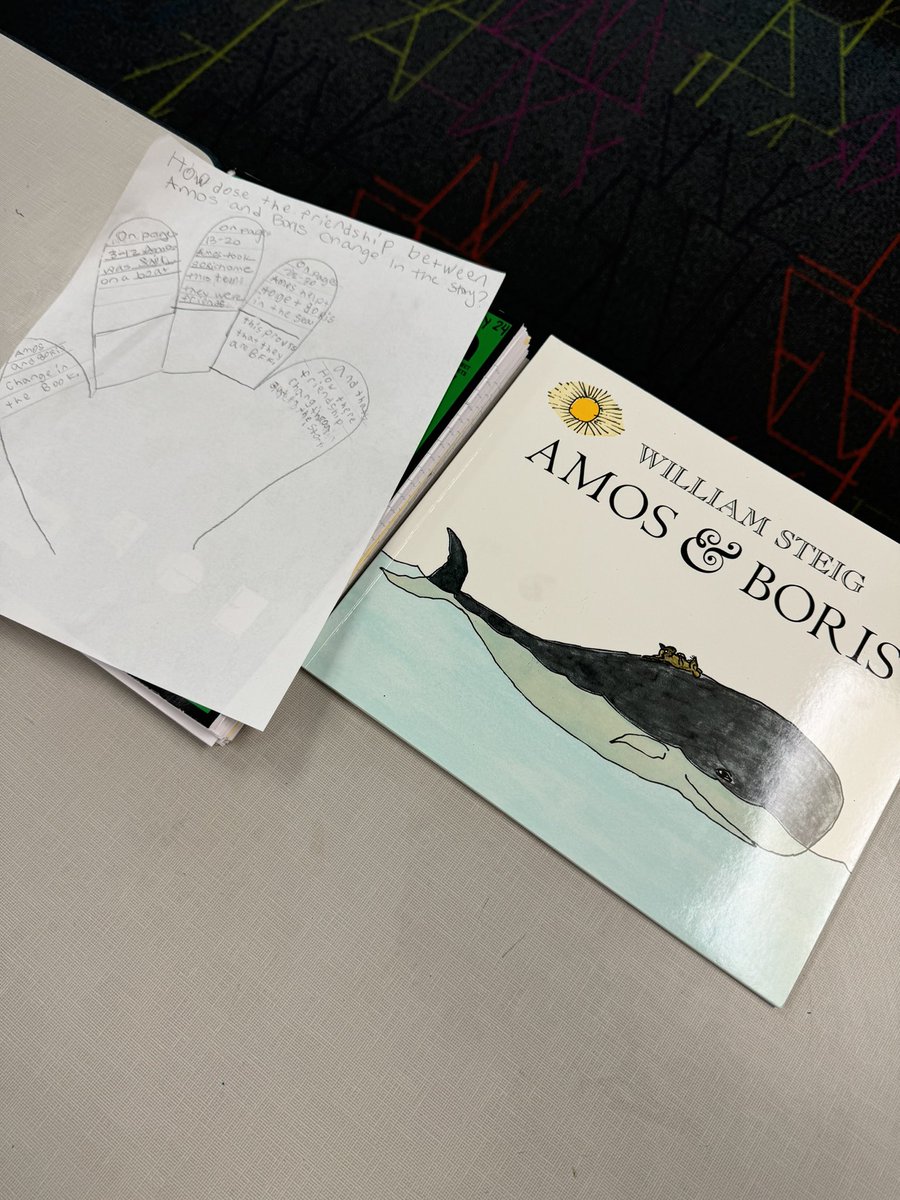
Loved seeing 3rd graders use text evidence to answer a content framing question and write an informative paragraph that describes the central message including a main idea and key details. #growinglearnersandleaders
🤝 The role of a co-teacher is not to be an assistant aiding a lead teacher. Co-teachers collaborate with intention to plan, teach, assess, and reflect together. #LeadInclusion#EdLeaders#Teachers#UDL#TeacherTwitter
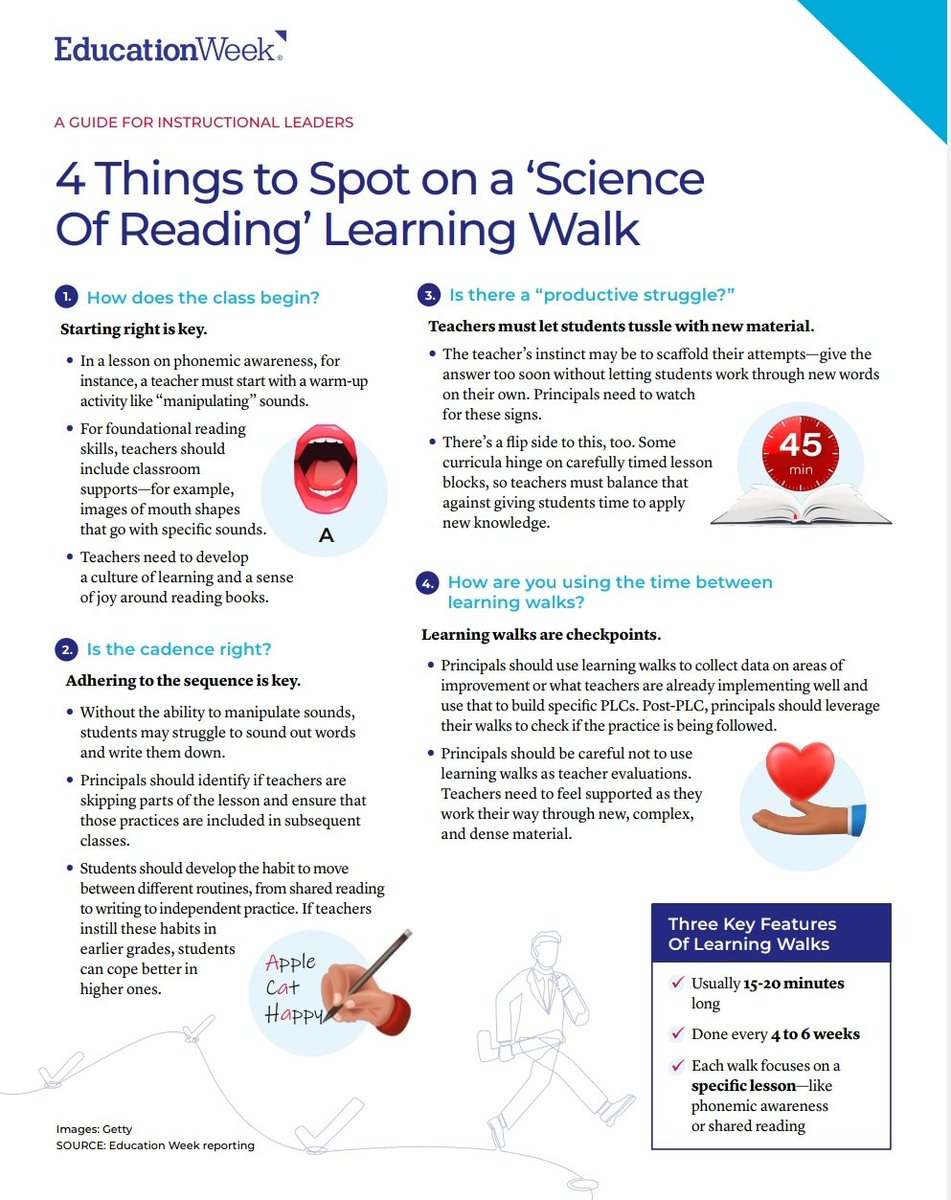
Norwalk educators attended the Science of Reading Summit in Cedar Rapids with 700+ educators. They listened to keynote speeches from literacy experts and attended breakout sessions on a variety of literacy topics that will help enhance reading best practices for all students. 📖
So honored to contribute this piece @edutopia ! All brain breaks are not created equally. Not every brain break works at every moment. Find what you need for the moment. Planning brain breaks matters.