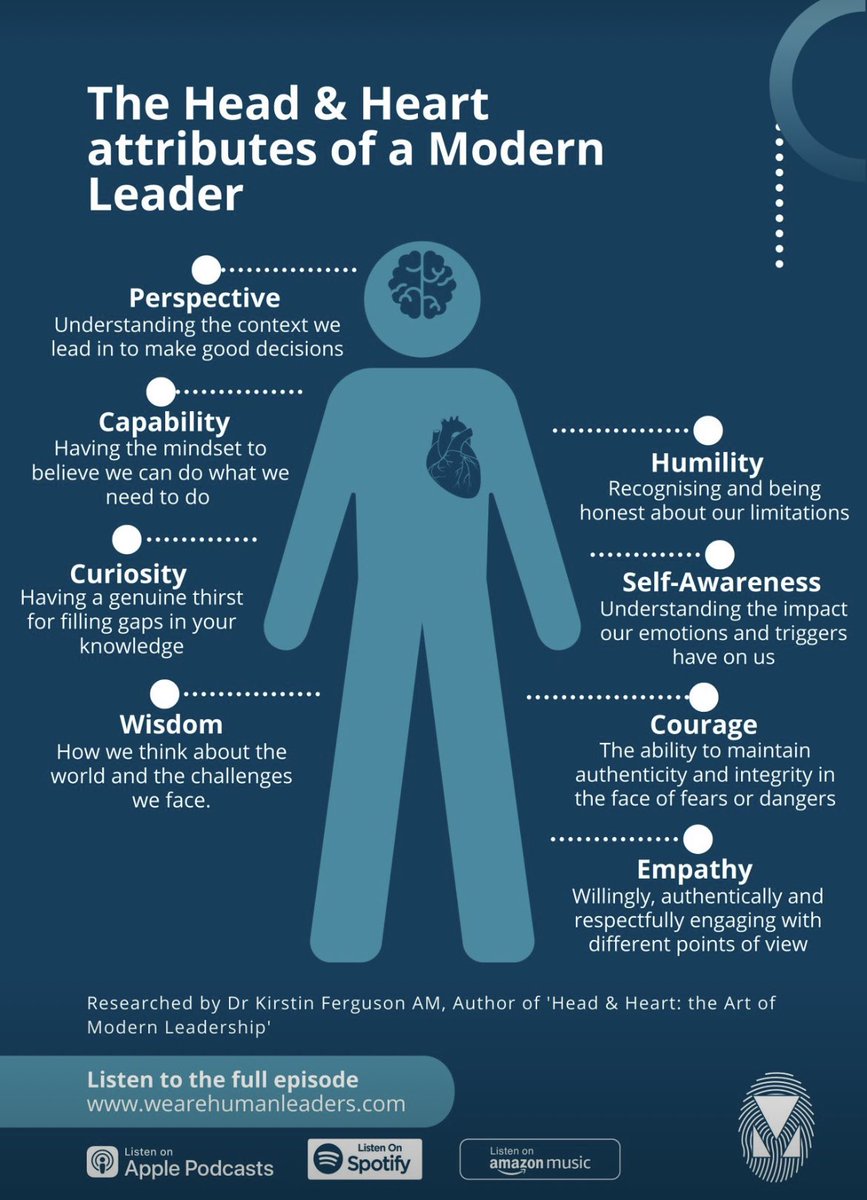
The way that we, as leaders, convey emotions really matters. New research busts the myth that leaders who express harsh feedback at the start of a project help to drive performance by showing the required standard. The research showed the opposite: the extent to which leaders expressed positivity (at the start of a project or year) was the biggest predictor of team success. It was as simple as stating how much they cared about team members, enjoyed working with them & valued their specific contributions. The research doesn't suggest that leaders have to always be positive, but that challenging feedback works better at the midpoint of a project or a year. Timing is important. Leaders who express constant negativity hurt team members’ performance:
https://t.co/kIuycINP6K. Via @jacobsglevitt@HarvardBiz.
🚨🚨🚨 If you fancy a career pathway in Advanced Practice and Same Day Emergency Care/Acute Medicine, come and have a look at this exciting opportunity to join a dynamic and supportive Advanced Practice team. https://t.co/Ibn8ovGuVn
Community Silver Bootcamp
Tuesday 26 March 2024, Oxstalls Campus, University of Gloucestershire
This is an intensive one-day funded CPD course focusing on proactive prevention and response to a crisis for those living with frailty. It is aimed at ....1/3
Open to (and appropriate for) any one that ever encounters a patient experiencing an unscheduled attendance with the floor .... ie collapse ? Cause, fall on ward, long lie, vaso vagal etc
Free cpd for revalidation. Please share with your contacts
https://t.co/htAVtYlSTd
Looking for the latest NICE Head Injury Guidelines? If so, don't miss out our upcoming webinar presented by @vfjn2! Register now and get the most up-to-date information and best practices to help you provide the best care. Register here for free: https://t.co/z3AK6s2dnD #FOAMed
WATCH | With RCN industrial action underway today there will be disruption to Community Minor Injury and Illness Unit services. Use the local MIIU phone line 0300 421 7777 or 111 to check your options. Live information about the Units is also available: https://t.co/fZ0D4lHAY0
Many of the wellbeing models we use in the NHS stress the importance of autonomy: the need to have control over our work lives. Yet autonomy can go too far. People want neither a fully autonomous structure nor excessive micromanagement. We want to be directed, but not too much. Management & the hierarchy that goes with it are often not the problem per se. Rather, it's the way they are done: https://t.co/gqEsFGSDTp By @AdiGaskell Graphic: @penpoin
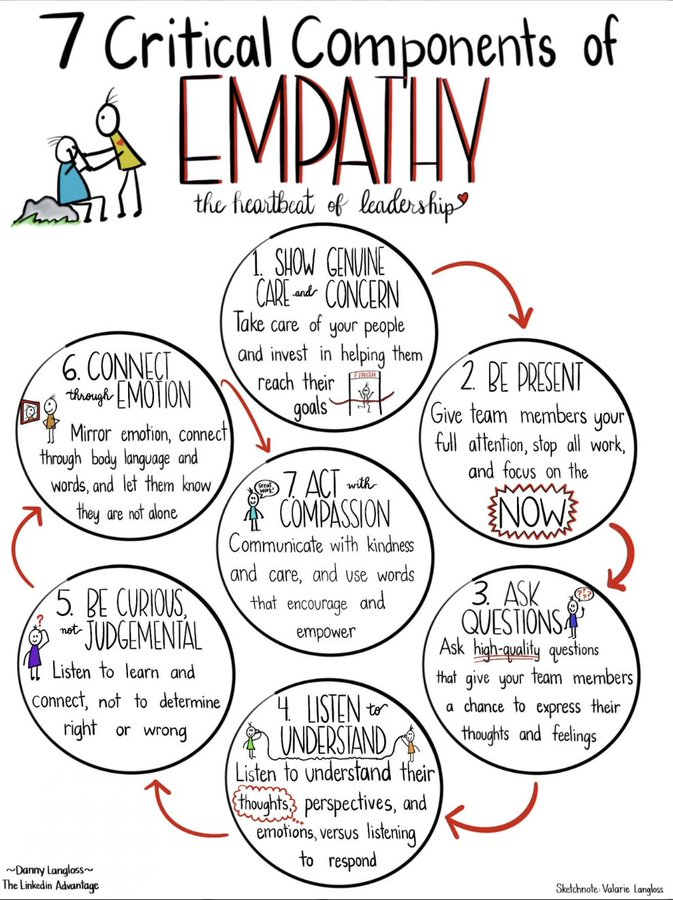
Empathy is the heartbeat of leadership. Seven ways to practice it:
1) Show genuine care & concern
2) Be present
3) Ask questions
4) Listen to understand
5) Be curious, not judgemental
6) Connect through emotion
7) Act with compassion
Thank you @DannyLangloss@Brilliant_Teams
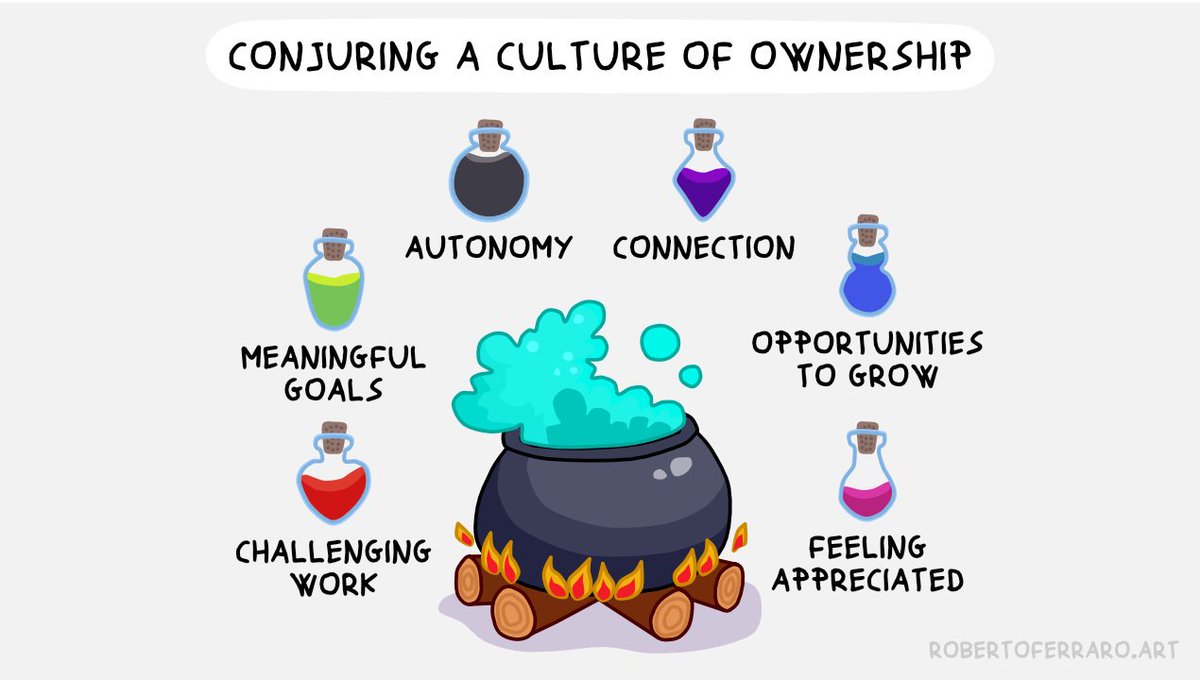
As leaders, we want people in our teams to be accountable: to take responsibility for fulfilling their duties/responsibilities. It's an external process defined by others. We can also go further & build a culture of ownership - beyond accountability. Leaders can't impose ownership. It's intrinsic, not extrinsic. When people feel ownership, they go the extra mile: https://t.co/mCfve0yCly V @FerraroRoberto
Loughborough Urgent Treatment Centre digitises patient pathway with @econsult_thinks
Great coverage from @digitalhealth2 🙌 and awesome to be working with @DHUHealthCare and @CleoSystems on the future of triage 🚀 https://t.co/Bb6nVLiVWY
Ready for a properly autonomous #ACP role? We see you, join us @GlosHealthNHS in our brilliantly diverse community hospitals. New posts, help us define our future. Take a look. https://t.co/tmbOlDFNtO
I’m thinking more of how we authorise , sign off each member of staff, monitoring compliance . Ideall an app that can link up to a training package, not sure it even exists though. 😬😊