A forward-thinking event by @NGOShipbreaking showcasing best practices for ship demolition and design, waste management, and material recovery - #SRLab
We are thrilled to wrap up an incredible event! A huge thank you to all the 100+ participants and speakers who made the Lab a remarkable success.
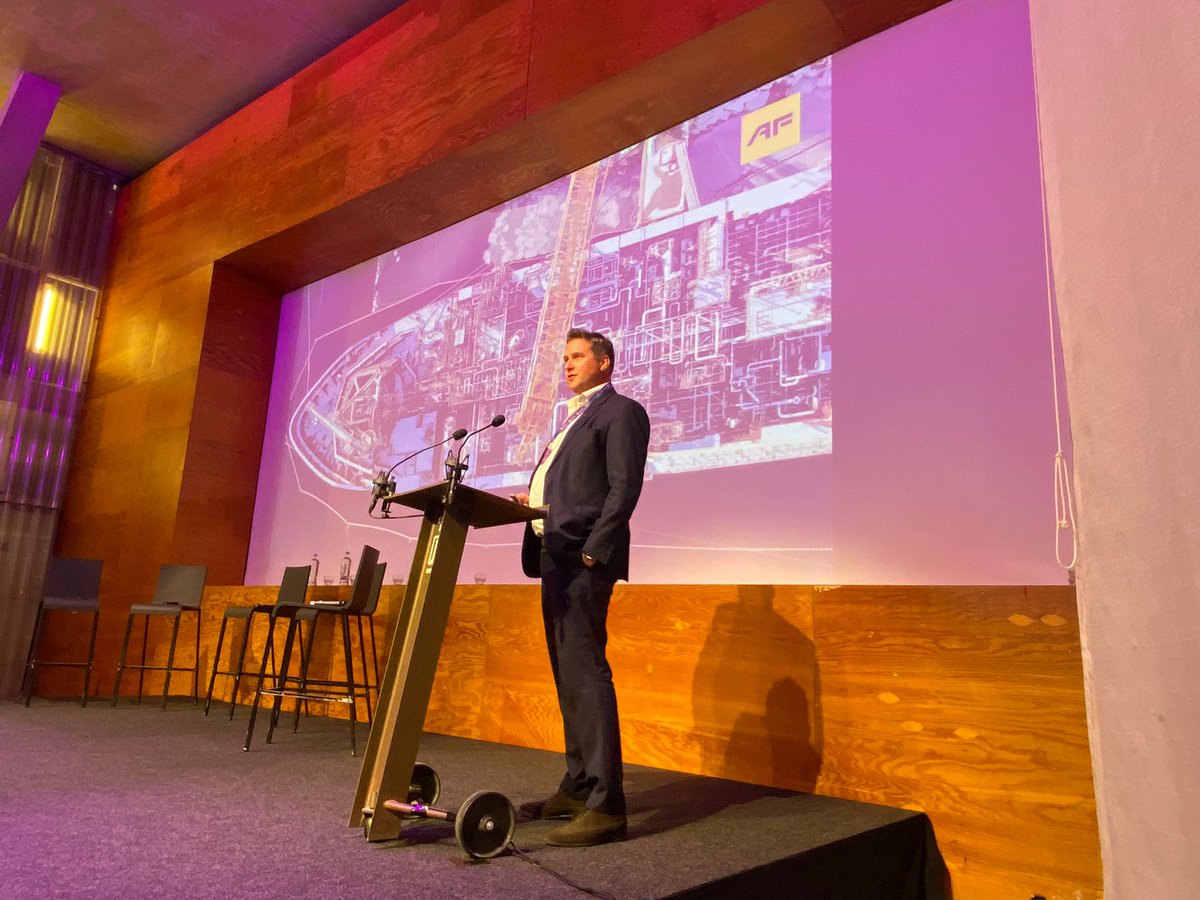
Special thanks to our sponsors Elegant Exit Company and AF Offshore Decom for the crucial financial support.
My bottom line: review the EU Maritime State Aid guidelines; they have not been updated since 2004 and are not in line with the current world and EU strategies. New guidelines could better link shipping’s tax privileges to environmental and social goals.
Great sessions during the 2-day Shipbreaking Lab in Rotterdam organized by @NGOShipbreaking.
Sandbag's @adrienassous led a panel debate with #Industry experts discussing:
"How the usage of scrap #steel can push us closer to the decarbonization of the steel industry."
A special thank you to our main sponsors that made this incredible event possible.
@LeviathanSR, @EMR, @afgruppen, EEC and Sea2Cradle.
We appreciate your contribution and support, and we look forward to working together to reach a better future for ship recycling.
That's a wrap on the Ship Recycling Lab! 🚢♻️
It was such a privilege to host a wide variety of innovative stakeholders. Thank you to everyone that interacted during owur discussions and contributed to such a significant event for the future of ship recycling and ship building.
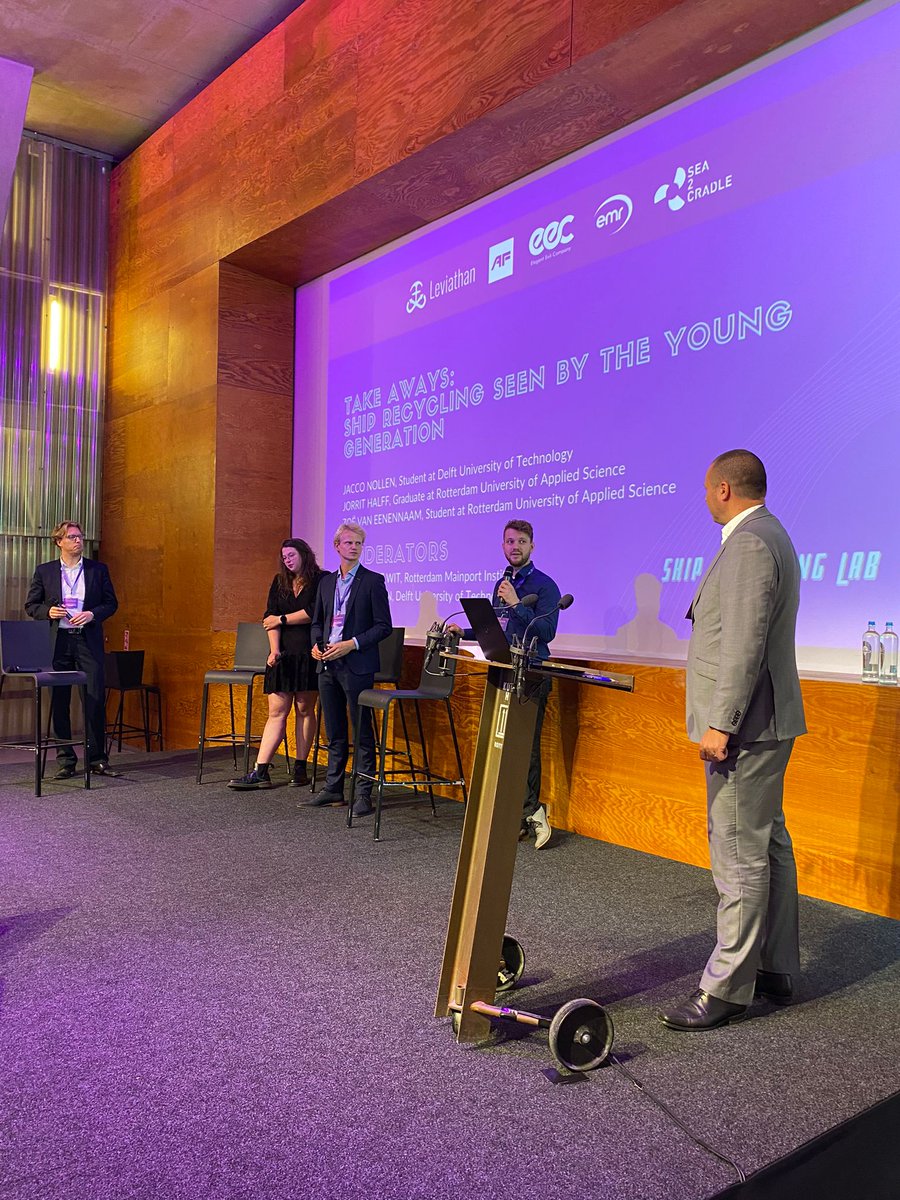
To conclude the Lab, students from the Rotterdam Mainport Institute and @tudelft shared their views on what was discussed during the conference. It was crucial to hear the young generation's perspective and opinion on ship recycling.
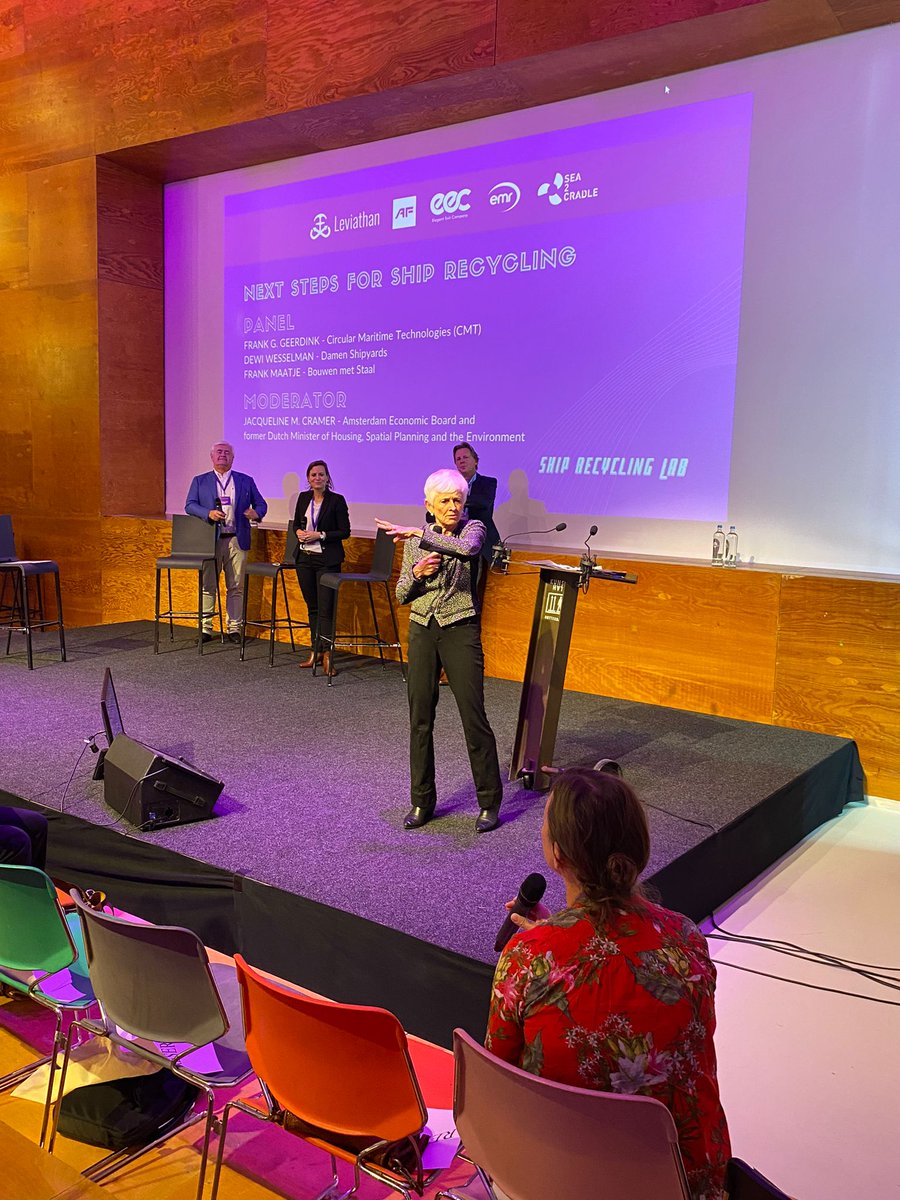
Are stakeholders willing to collaborate and create change for a just transition in ship recycling?
We tried to answer this question in conversation with Dewi Wesselman from @damen, Frank Geerdink from Circular Maritime Technologies and Frank Maatje from @BouwenmetStaal1.
Christelle Rousseau from the @EU_Commission shared with us today the details of the implementation of higher #environmental and #social standards in ship recycling through the review of EU Ship Recycling Regulation.
“How can you achieve circular ship design and recycling? We need an alignment between public and network governance. We also need to mobilise a coalition of the willing, a group of key innovators that want to make a step forward together.”
@MinisterCramer - @AmEcBoard
“At the present moment, the maritime shipping sector is a zero-taxation industry. How can taxation be better leverage for ship recycling?”
Olaf Merk - Administrator Ports and Shipping, International Transport Forum (ITF) at OECD
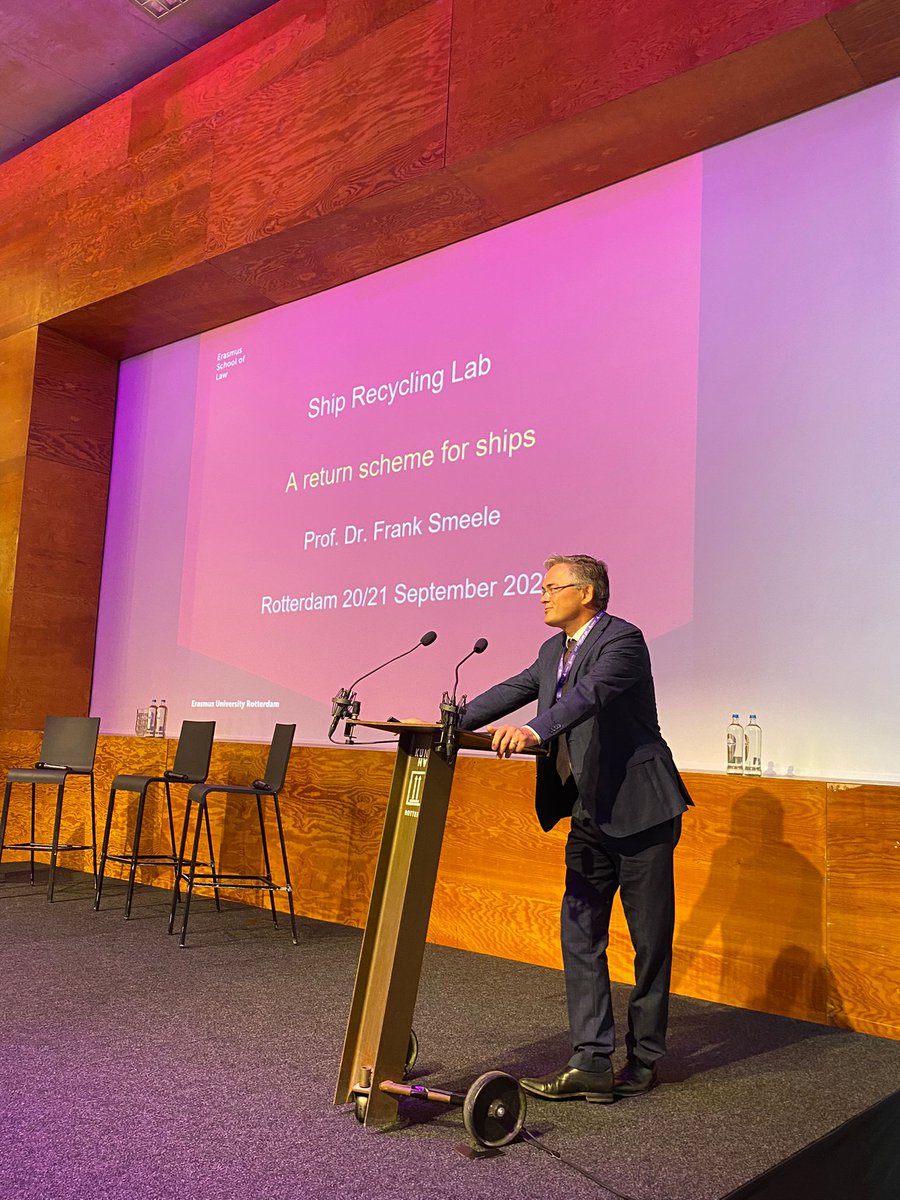
"How can we correct the market failure with a return scheme? The Ship Recycling License can raise capital amount during the ship’s life cycle and reverse the current financial incentive. The Licence aims to achieve transparency for end-of-life assets."
Frank Smeele - @erasmusuni
"The Do Not Significant Harm principle is a game changer. If you apply for a green investment with a new ship but your company is recycling its assets in substandard yards, how can you say that you are complying with the EU taxonomy?"
Bryce Lawrence - ESG Ship Vetting
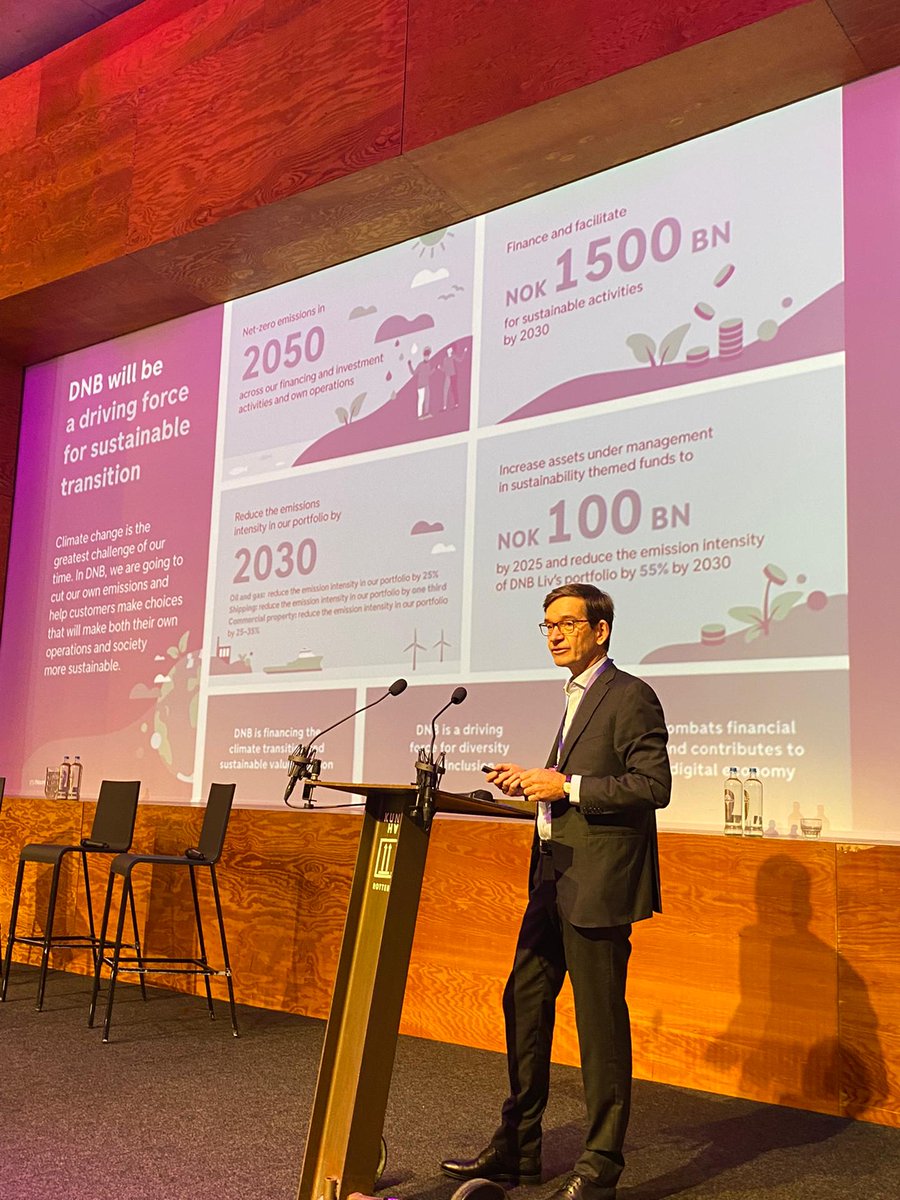
"Where is the discussion on taxonomy? What is the role of banks? Our job is to create new loans to drive the transition. There is still a small part of the global fleet on banks portfolios aligned with taxonomy."
Knut-Ola Skodtvedt - DNB
Today's session will focus on policy and financial innovation!
Bringing together new thinking on measures that can boost sustainable ship recycling, high-level policymakers and investors will debate how to effectively regulate and invest in safe, clean, and just practices.
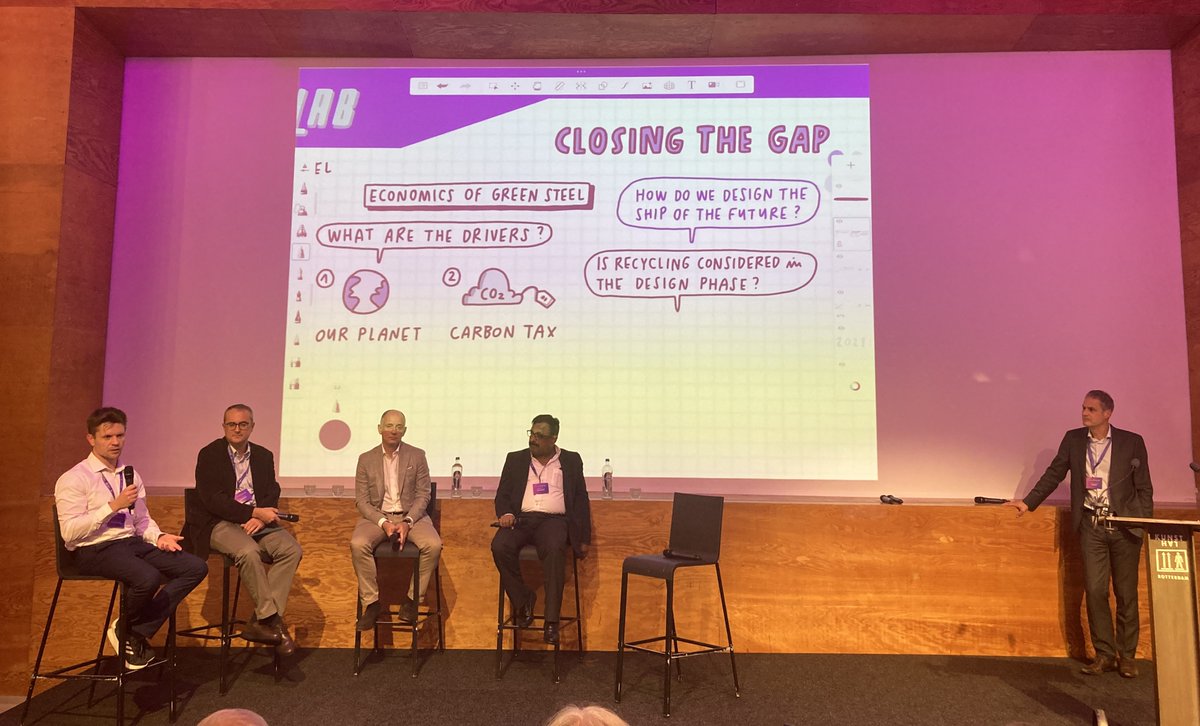
According to Stephane Tondo from @ArcelorMittal, the driver towards an ethical circular economy is the planet itself. The industry is already taking action and making commitments, both have been translated into many policy areas. We cannot spend more time.
How can innovative economic and policy instruments drive an ethical circular economy? What impacts will the increased demand for scrap steel have on ship recycling?
These questions were answered today during Session 4 of the #SRLab.
Check out our highlights 👇
“Today 90% of vessels contain various forms of asbestos. When recycling, if we have an easy disassembly design, we can identify what types of materials we want to recycle. We must find a new way to get the design and recycling parts to collaborate.”
@vierkantbergen - Sea2Cradle