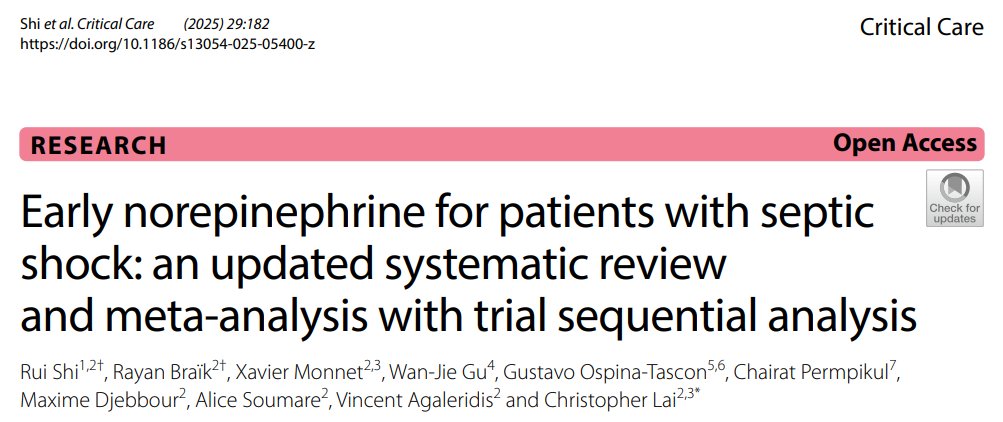
Early norepinephrine in septic shock: Updated systematic review, meta-analysis & trial sequential analysis.
🩺 Early initiation linked to:
✅ Lower ICU mortality
✅ Faster MAP target achievement
✅ Fewer fluids & more vent-free days
https://t.co/x82oru2Ubf
#Sepsis#ICU#CritCare
During the 25th International Intensive Care Symposium, we had the privilege of interviewing Dr. Xavier Monnet!
We asked her two key questions:
✨ "What are your thoughts and expectations about the future of Intensive Care?"
✨ "Can you summarize the Symposium with three words?"
🚨 "Early norepinephrine in #septic shock: SRMA" @Crit_Care
✅↓D28 mortality ✅↓fluids ✅Faster MAP stabilization 🛡️Safe & effective 🔍Trial sequential analysis : more RCTs still needed to confirm
Big thanks to my co-authors! @shiruimaya@Prof_XMonnet
🔗https://t.co/aG2FlIN8ao
◾️In memory of Prof L Gattinoni, towering figure in ICM, profoundly shaping understanding of #ARDS & #ECMO. The “father" of prone position revolutionized MV with a pioneering "baby lung” concept. His legacy will guide/inspire for generations to come.
🔗https://t.co/kjuqkQoPoc
More data on Vt challenge 🫁 in #ICU assessed in a non-invasive way!
↗️PI>12% = preload responsiveness 💧
But still, we need a stable signal first: forehead might be better than finger sensor!
@shiruimaya@Prof_XMonnet
More data on Vt challenge 🫁 in #ICU assessed in a non-invasive way!
↗️PI>12% = preload responsiveness 💧
But still, we need a stable signal first: forehead might be better than finger sensor!
@shiruimaya@Prof_XMonnet
Today's paper of the day is on intensive care unit-acquired weakness
https://t.co/JKgcYjlUQ5
Join us to read 1 paper per day and stay up-to-date as we cover the spectrum of critical care across 2023
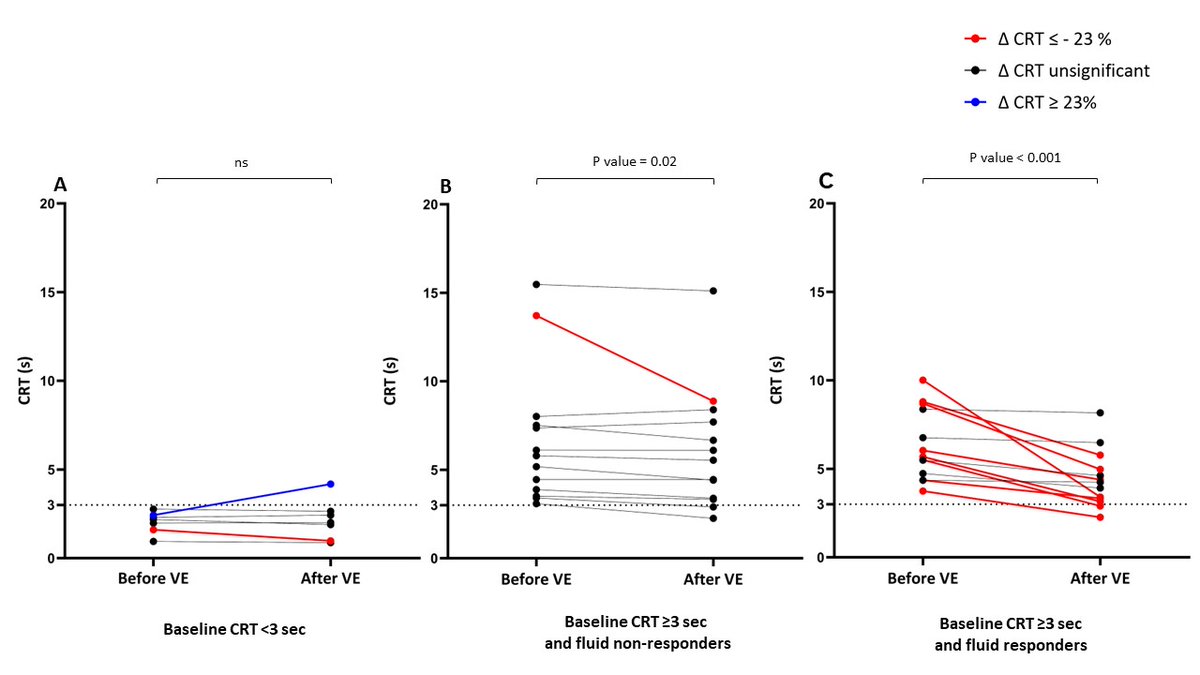
Septic shock : volume expansion and capillary refill time
- If CI ↗️ : CRT ↘️ more frequently at the early phase of the septic shock.
- fluid unresponsive : very little chance to decrease CRT
https://t.co/Vm81Lunru3
@Crit_Care@Prof_XMonnet@LaiChristopher2
Heading back from Brussels after the ESICM executive committee meeting. LIVES 2023 is all set. Impressive work from our congress committee& ESICM officers. A great opportunity to get together, advance science, transfer knowledge & improve patient’s care. See you all in Milan!
Fluid de-escalation
☔️ should I withdraw fluids?
☔️ is it right time to attempt fluid withdrawal? Tissue perfusion = adequate + pts must not be preload responsive
☔️ how to proceed?
☔️ when to stop?
☔️ how to react when hemodynamic instability occurs?
🖇️ https://t.co/lUGmUdajKh
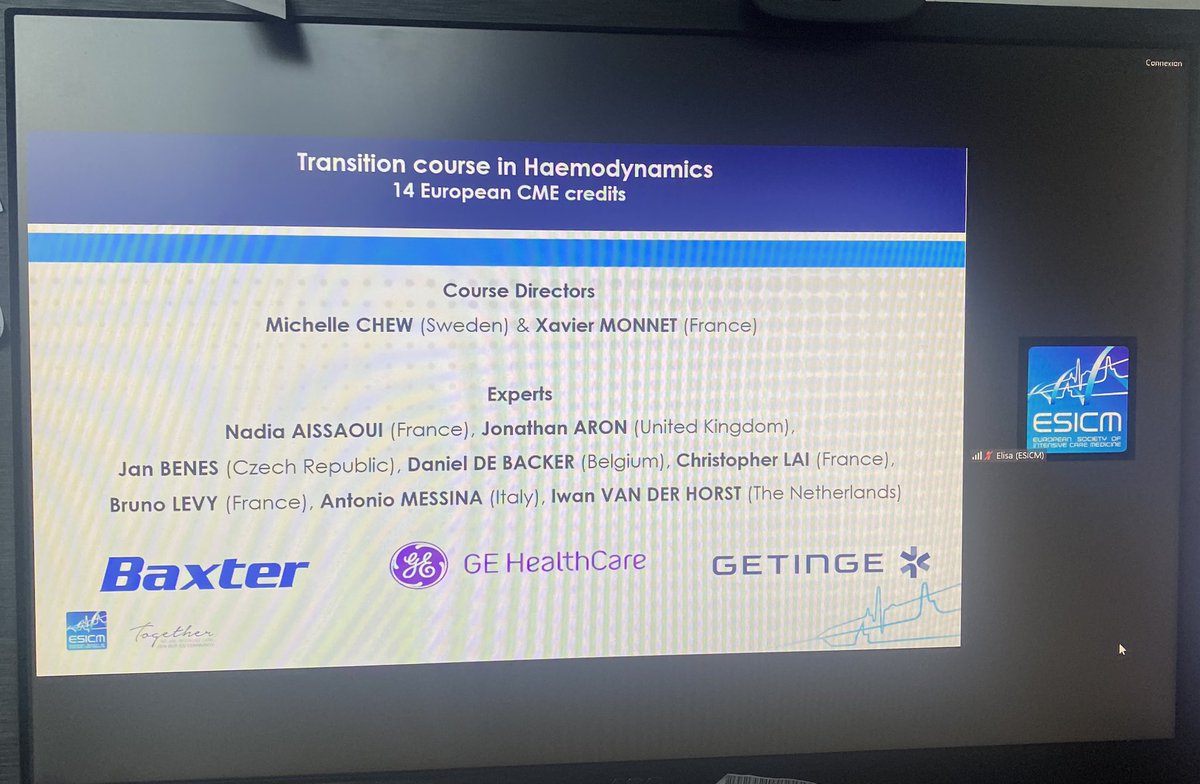
Transition course in Haemodynamics is starting now for 2 days ! @ESICM
Happy to be part of the panel surrounded by superstars 🌟
From physiology🫀to Treatment🏥💉
@Prof_XMonnet @mess81rc @D_DeBacker and others.
#ICU
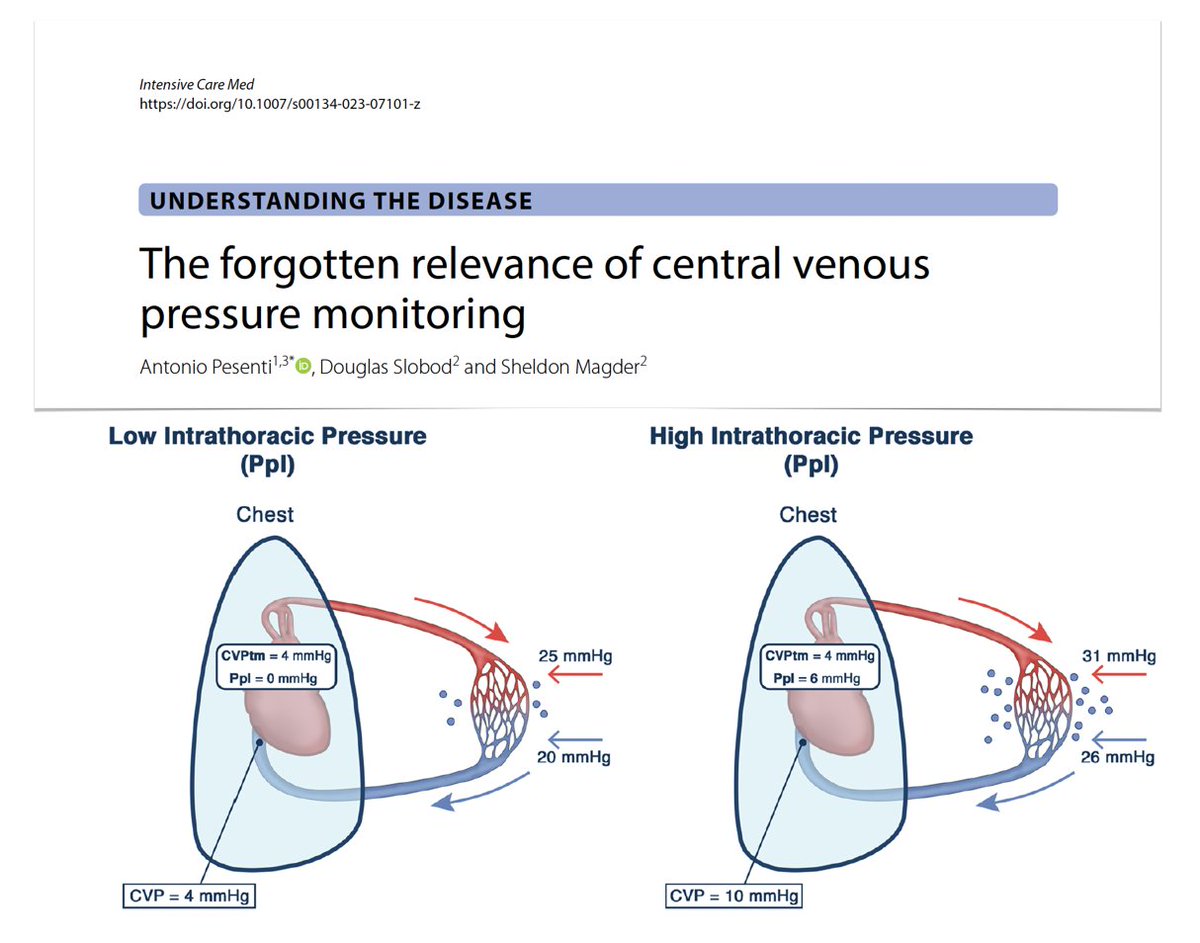
The forgotten relevance of CVP (& its change over time) monitoring in #ICU
🫀 measurement & normal values
🫀 impact of high CVP values: how could CVP elevation per se cause organ damage?
On @yourICM
🖇️ https://t.co/Mwjv5ZVMUv
▪️We mourn loss of Prof Paolo Pelosi Head of Anesthesia, ICU & Poison Control Center @SanMartino_Ge. Brilliant physician, teacher, researcher, role model in anesthesiology/ICM, @ESAIC_org past President, @Siaarti_online VP, mentor of @ESICM#ESICMnext
🔗 https://t.co/Fxh1VPX5hV
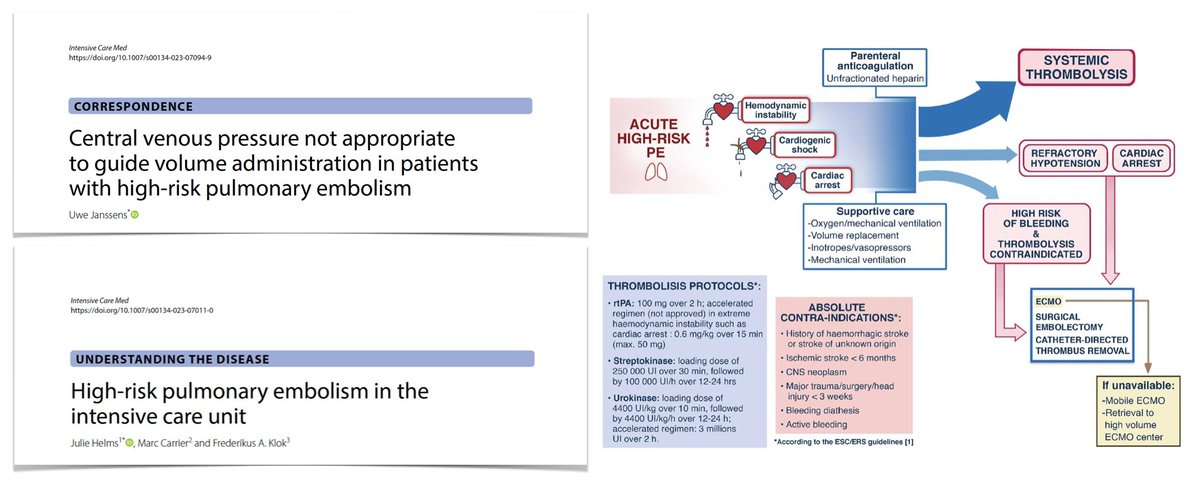
💧CVP to guide volume administration?? Treatment of unstable high-risk PE pt remains major challenge: decision to give fluids should be individualized & made with caution, combining hemodynamic & imaging monitoring.
💦 https://t.co/zIMFUh6JYD
Refers to
🖇️ https://t.co/zlimZea3KP