For the last three years, a startup in Bangalore has been obsessed with a pursuit that typically invites raised eyebrows, naked skepticism, and accusations of stealing from sci-fi:
@dognosis is training dogs to detect cancer.
And until you've spent time at their facility - a former pomegranate farm in the outskirts of Bangalore - perhaps skepticism is the rational response.
But Dognosis isn't betting on some pie-in-the-sky idea or some charming novelty act, they're betting on evolution.
@akadogluk and @Itamar_Bitan based their company on the fact that the dog's nose - a product of fifteen millennia of co-evolution with humans - can detect the faint chemical trace of cancer in your breath at a resolution that our machines, algorithms, and laboratory tests have never come close to matching.
We've known this fact for decades. We've consistently failed to do anything meaningful with that knowledge.
The missing link has been figuring out what the dog's nose knows, and applying it in a standardised, scalable, and clinically validated way.
Dognosis is building this missing piece of the equation i.e. the translation layer that allows the dog's nose to speak a language medicine can understand, enabling us to harness an ancient biological intelligence and plug it into our modern medical infrastructure.
Maybe you've read the paragraphs above and retained your skepticism. That's fair. But this past Friday, the Journal of Clinical Oncology - the world's most influential cancer journal - opted to make life much harder for the skeptics.
On Friday, the JCO published Dognosis' landmark study on breath-based multi-cancer detection - the largest of its kind ever conducted - showing that a team of trained dogs, equipped with sensors and AI, could detect multiple cancers from breath alone at 90%+ accuracy - including at Stage I, when it matters most - for $2 a test.
According to Akash, it proved "that everything we’ve known about the dogs is true".
Needless to say, it's a genuine milestone for Indian healthcare, health-tech, deep-tech, and, uh, dog-tech, that deserves far more attention than it's gotten so far.
To help change that, we were lucky to have Akash stop by the Tigerfeathers editorial desk this past week to unpack the Dognosis journey - helping us understand what they're building, how they're doing it, why it matters, and what comes next.
From where we're sitting, Dognosis is an n-of-1 Indian startup with an n-of-1 story that everyone in the Indian tech ecosystem should be aware of. If you've been intrigued by what you've read so far and you're keen to go deeper, dive into our piece here👇
https://t.co/limlGrgxJ1
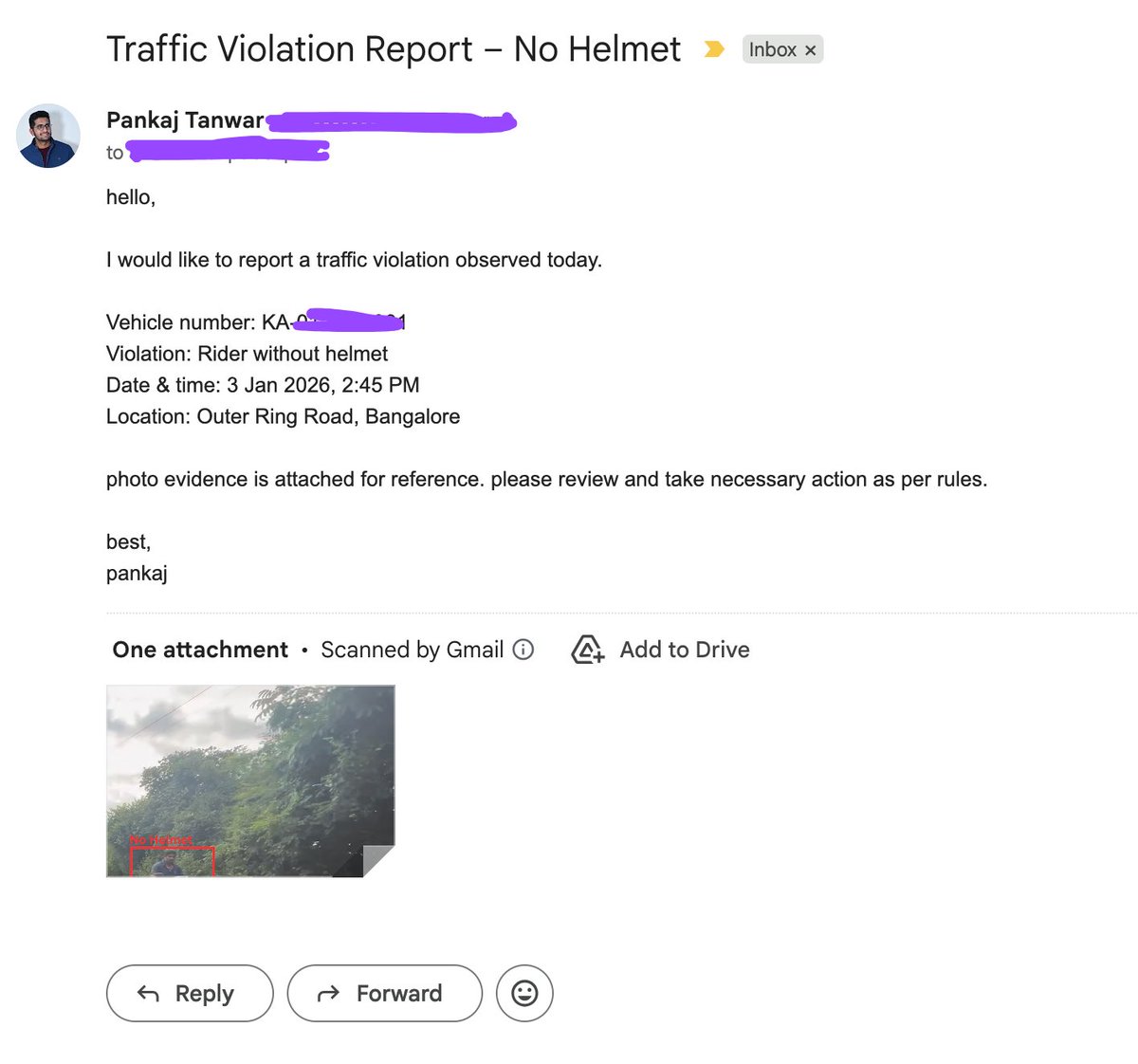
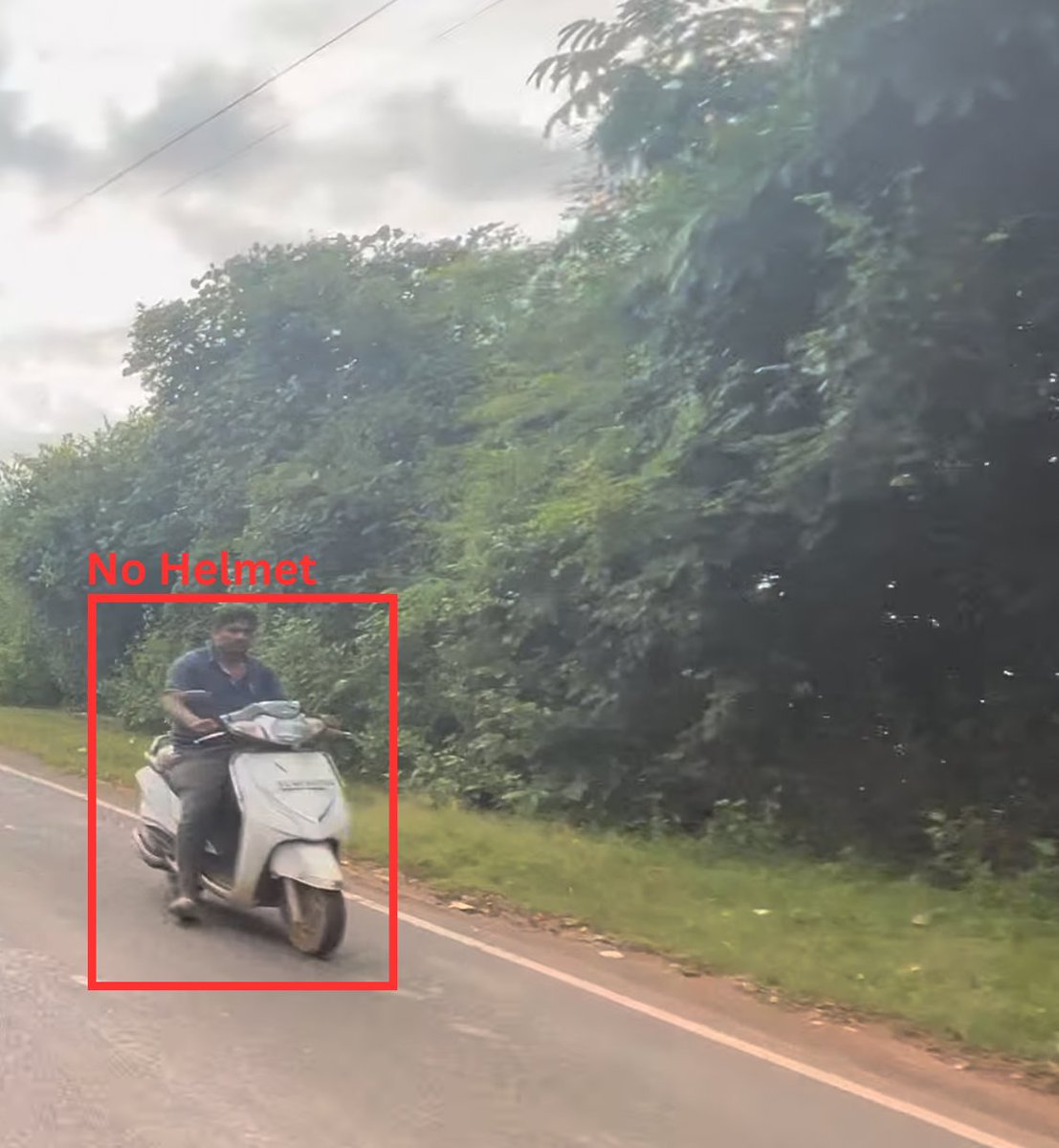
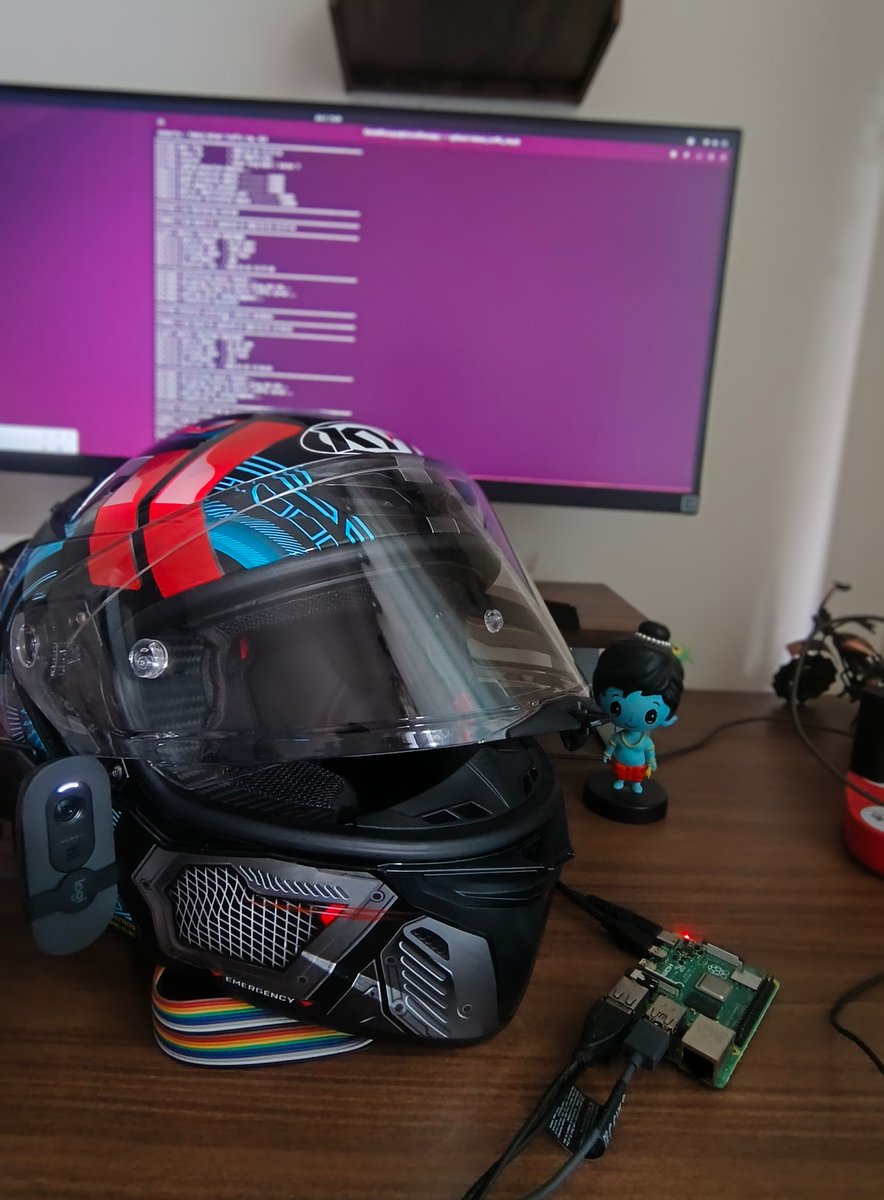
i was tired of stupid people on road so i hacked my helmet into a traffic police device 🚨
while i ride, ai agent runs in near real time, flags violations, and proof with location & no plate goes straight to police.
blr people - so now ride safe… or regret it.
The Hug That Changed Modern Medicine:
In 1995, premature twins Kyrie and Brielle Jackson were fighting for life in a Massachusetts hospital. Kyrie was stable. Brielle was failing and expected not to survive.
A veteran nurse, Gayle Kasparian, took an unusual step for the time and placed the twins in the same incubator. Within minutes, Brielle’s breathing steadied, her oxygen levels rose, and her heart rate calmed. A photograph captured Kyrie resting her tiny arm over her sister.
Brielle recovered, and the image, known as “The Rescuing Hug,” spread worldwide. Research soon confirmed that co-bedding and skin-to-skin contact help premature infants regulate temperature, avoid infections, and survive at higher rates.
Today, this practice is standard in NICUs. A simple act of closeness became a medical breakthrough.
The reality of NRI/PIOs wanting to return to India is well articulated by @RajatSethi86. Highlights the challenges we face with industry, academia, bureaucracy and a politics driven by vote banks, freebies, caste census, and reservations with no urgency to reform for today’s or future challenges.
@usmcgruntx@docamitoph@prvkhvr Hi Gabe! Could you tell me what percentage of the US population is the Indian diaspora and is it enough to cause America to“lose the ‘predominant’ part” of it being Anglo-European? Or should I be asking @grok ?
@ritikuuuu This is a very old joke originally made by Raju Srivastava decades ago on a tv comedy competition show.
This is one version of it on facebook over 11 years ago.
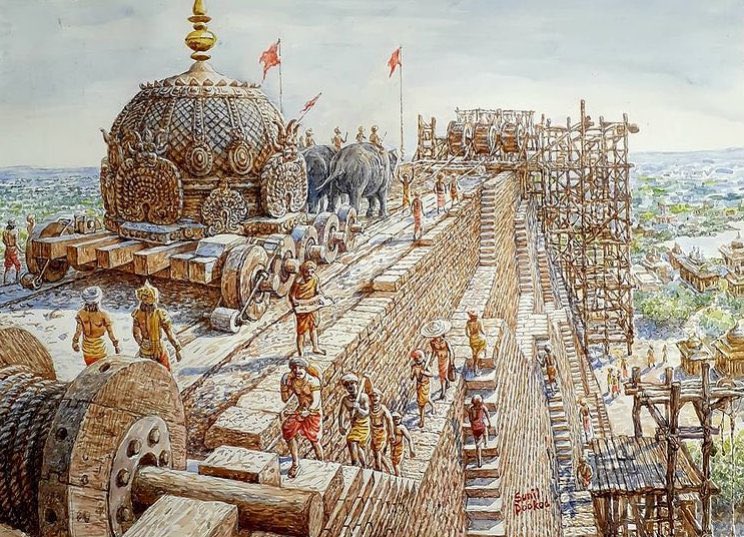
9 reasons why the Brihadeeswara Temple is one of the greatest structures ever built.
1. The Temple is built using the interlock method where no cement, plaster or adhesive was used between the stones. It has survived 1000+ years and 6 earthquakes.
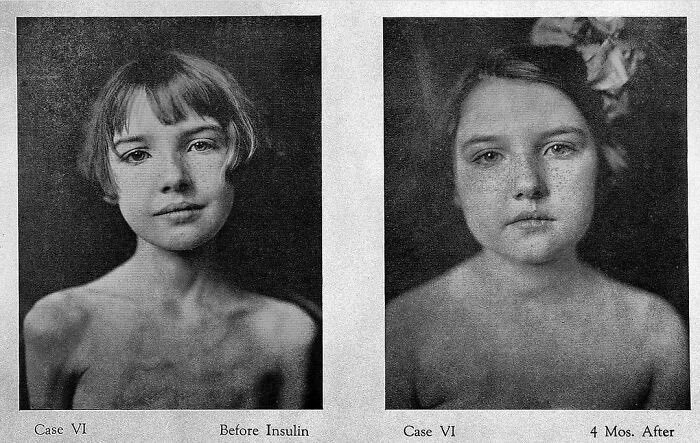
In 1922, a team of scientists visited Toronto General Hospital, where wards housed numerous diabetic children.
Many of these children were in a comatose state and on the brink of death due to diabetic ketoacidosis.
As a result of the amount of deaths, scientists moved swiftly and proceeded to inject the children with a new purified extract of insulin.
As they commenced injecting the final comatose child, the first one to receive the injection started to regain consciousness.
Subsequently, one by one, all the children emerged from their diabetic comas.
During the early 1920s, Frederick Banting, Charles Best and John Macleod discovered insulin.
Both Banting and Macleod were awarded Nobel Prizes in 1923.
James Collip played a crucial role in refining insulin, which was instrumental in enabling its effective application in diabetes treatment.
Banting declined to have his name included on the patent and opted to sell it to the University of Toronto for a mere $1.
He believed it unethical to seek profit from a discovery destined to save countless lives.
“Insulin belongs to the world, not to me," he said.
In 2019, the average cost was $58 per insulin fill, typically for a 30-day supply.
In 2019 Orangewood Labs had $20K in credit card debt, they’d laid off most of their employees, and the founders were evicted from their flat because they couldn’t make rent.
Five years later they’re one of the hottest Indian robotics startups in the world. Here’s their story 🧵
I was born in a General category caste,but it always define me in exams.
I worked very hard,studied really hard and got into medical college,had seen people with very less number than me taking medical seats.I was born in a middle class family,Every one is busy in milking middle class but no government supported us.
I faced a lot of discrimination by Constitution,was denied admission in medical college after seeing my last name irrespective of marks.I was denied dignity and justice.People had given punishment to us for what our fore fathers had done(Wo bhi conflict h).I fought for my rights get all India rank and studied in top most medical colleges.I proved that general category students can achieve anything in life.
@qatarairways why would you text and have people arrive an hour early (4hrs before take off) because of construction @DFWAirport when your own agents aren’t bothered to show up to check people in? Just to wait in a queue that they would be waiting in anyway?