The TOTAL number of H1B visas since its inception in 1990 (i.e 34 years) = 3 million
The number of illegal immigrants in the last 1 year = 3 million
Sure, go on about H1B
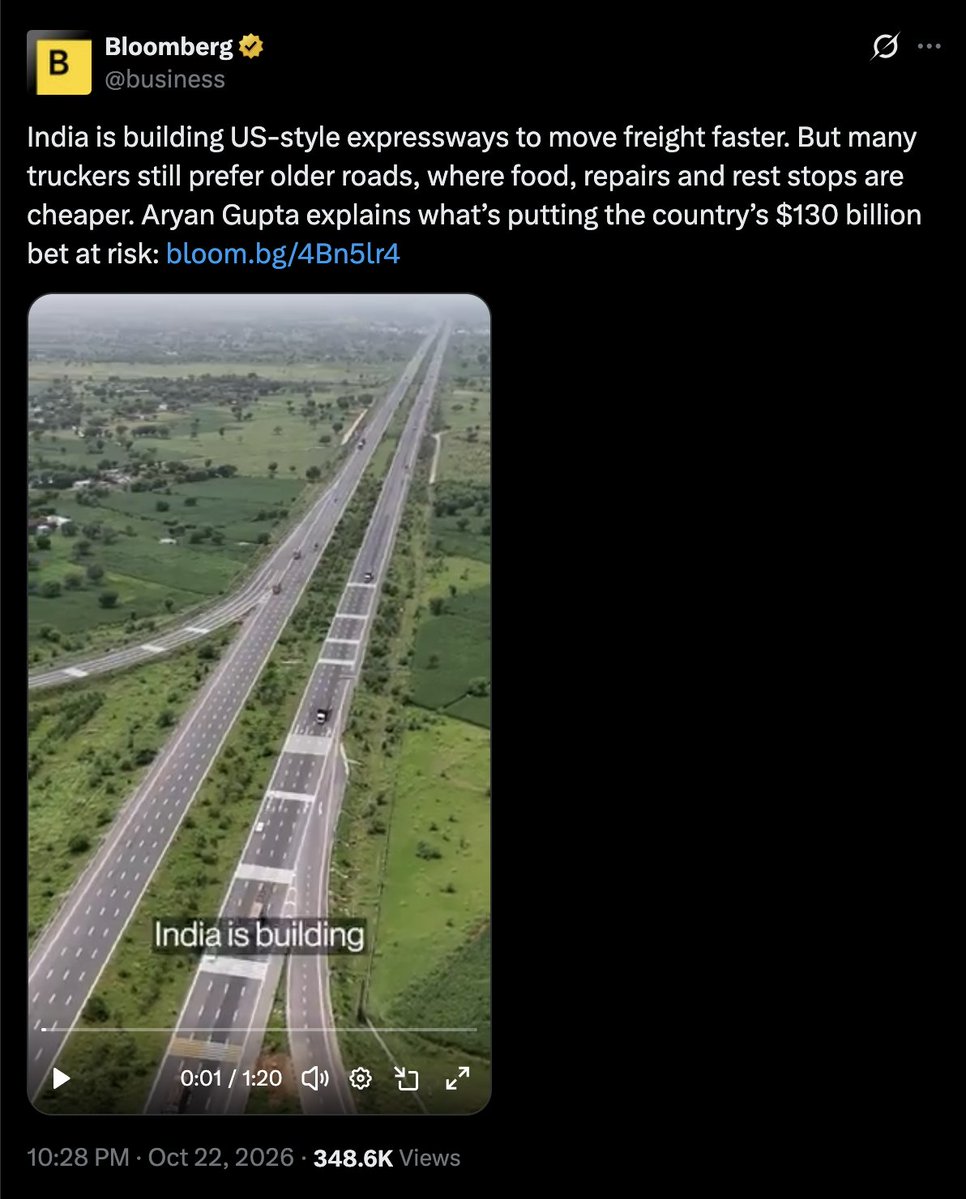
China influenced, Pakistani infiltrated, brown sepoys staffed Bloomberg is asking why India is building amazing expressways like the US.
I see this news with concern. This news by this media for me means DS is going to influence & instigate Truckers into protests blocking freeways to hit India's logistics, economy, and halt freeway construction.
They are building public support for it at the earnest. Beware.
ஈரான் நாடு இந்தியாவிடம்,
"நீங்கள் வாங்கி இருக்கும் கடனை கூட பிறகு தாருங்கள்.
ஆனால் இனி நீங்கள் வாங்கும் பெட்ரோலுக்கு பணம் தந்தே ஆக வேண்டும்.
பணம் இருந்தால் மட்டுமே இனி பெட்ரோல் தருவோம். இல்லையென்றால் பெட்ரோல் தர மாட்டோம்" என்று கூறியது கடந்த ஆட்சி காலத்தில் பத்திரிகைகளில் தலைப்பு செய்தியானது.
இதேபோல் இந்தியாவிடம் ஐந்து நாடுகள் கூறின.
அதில் குவைத்தும் ஒன்று.
பாகிஸ்தானுக்கு கூட பெட்ரோல் கடன் கொடுத்த வளைகுடா நாடுகள்,
இந்தியாவுக்கு "இனி கடன் தர முடியாது, பணம் இருந்தால் தான் பெட்ரோல்" என்று சொன்ன காலங்கள் அது.
அன்றைக்கு அவ்வளவு கடன் வாங்கி வைத்திருந்தது இந்தியா.
பெட்ரோல் வாங்கி அத்தனை நாடுகளிலும் கடன்.
அது போக பணம் இல்லாமல்,
பெட்ரோல் பாண்டுகளை விற்று அளவுக்கு அதிகமாக கடன் வாங்கி வைத்திருந்தார் அன்றைய நிதியமைச்சர் ப.சிதம்பரம்.
இதெல்லாம் இப்போது நினைவுக்கு வரவே வராது.
ஏனென்றால் நாம் மறக்கும் ஜாதி.
இனி விஷயத்துக்கு வருவோம்.
துருக்கிக்கும், இந்தியாவுக்கும் ஆகாது.
ரஷ்யாவுக்கும், உக்ரைனுக்கும் ஆகாது.
இந்தியா ரஷ்யா மற்றும் வளைகுடா நாடுகளிடம் கச்சா எண்ணெய் வாங்கி,
அதை சுத்திகரித்து பல உலக நாடுகளுக்கு ஏற்றுமதி செய்கிறது.
170 கோடி மக்கள் தொகை கொண்ட மொத்த உள்நாட்டு தேவையையும் பூர்த்தி செய்து,
(காரணமே இல்லாமல் நம்மை வெறுக்கும்) துருக்கிக்கும் பெட்ரோல் ஏற்றுமதி செய்கிறோம்.
அது போல் உக்கரனுக்கும் ஏற்றுமதி செய்கிறோம்.
அவ்வளவு ஏன்,
நாம் கச்சா எண்ணெய் வாங்கும் ரஷ்யாவுக்கும் கூட இப்போது நாம் தான் பெட்ரோல் ஏற்றுமதி செய்கிறோம்.
ஆப்பிரிக்க நாடுகளுக்கு இந்தியா ஏற்றுமதி செய்கிறது.
ஐரோப்பிய நாடுகளுக்கும் பெட்ரோலிய பொருட்களை அனுப்புகிறது இந்தியா.
ஒரு காலத்தில் கச்சா எண்ணெய் வாங்குவதற்கே தடுமாறிக் கொண்டிருந்த இந்தியா,
இன்று பெட்ரோலிய பொருட்களை வெளிநாடுகளுக்கு ஏற்றுமதி செய்யும் அளவுக்கு வளர்ந்து விட்டது.
கச்சா எண்ணெயை பொருத்தவரை உற்பத்தி செய்யும் நாடுகள் மட்டுமே கட்டுப்படுத்துவதில்லை.
ஏனெனில் கச்சா எண்ணெய் அப்படியே வாங்கினால் ஒரு விலை, அதை சுத்திகரித்து வாங்கினால் ஒரு விலை.
அதனால் யார் திறமையாக சுத்திகரிக்கிறார்களோ அவர்களும் எண்ணெய் சந்தையில் மிகப்பெரிய பங்களிப்பை வகிக்கிறார்கள்.
உலகில் அதிகமாக கச்சா எண்ணெய் உற்பத்தி செய்யும் நாடுகள் ரஷ்யா அமெரிக்கா மற்றும் வளைகுடா நாடுகள்.
இதில் மிக மிக முக்கியமானது சுத்திகரிப்பு ஆலைகள்.
நாம் கச்சா எண்ணெய்யை வாங்குகிறோம், சுத்திகரிக்கிறோம், பெட்ரோலிய பொருட்களாக மாற்றுகிறோம்,
உலக நாடுகளுக்கு ஏற்றுமதி செய்கிறோம்.
இந்தியாவின் கச்சா எண்ணெய் உற்பத்தி குறைவாகத்தான் இருக்கிறது.
*ஆனால் எண்ணெய் சுத்திகரிப்பு நிலையங்கள் மிகப்பெரிய அளவில் உள்ளது.*
அதன் விளைவாக கச்சா எண்ணெயை சுத்திகரிக்கும் மிகப்பெரிய தொழில்துறை சக்தியாக மாறி இருக்கிறது நம் நாடு.
இந்தியாவில் 2015-ஆம் ஆண்டு முதல் பிரமாண்டமான சுத்திகரிப்பு ஆலைகளை அமைக்க ஆரம்பித்து விட்டோம்.
இன்று மிகப்பெரிய ஆலைகள் நம்மிடம் உள்ளன.
அதனால் தான் இலங்கை, பங்களாதேஷ் என்று சின்ன நாடுகளில் இருந்து,
பெரிய பெரிய நாடுகளுக்கும் நாம் இன்று பெட்ரோலிய ஏற்றுமதி செய்கிறோம்.
ஏன் ஐரோப்பிய நாடுகளுக்கு கூட ஏற்றுமதி செய்கிறோம்.
இன்று பெட்ரோலிய ஏற்றுமதியில் இந்தியாவின் நிலை மிக மிக முக்கியம் வாய்ந்ததாக உள்ளது.
அதிக அளவில் சுத்திகரிக்கப்பட்ட பெட்ரோலிய பொருட்களை ஏற்றுமதி செய்யும் நாடுகளில்,
பில்லியன் அமெரிக்க டாலர் மதிப்பிலான பொருட்களை ஏற்றுமதி செய்யும் நாடாக இந்தியா உள்ளது.
நவீன தொழில்நுட்பத்துடன், மிகவும் குறைந்த செலவில், மிகப்பெரிய சுத்திகரிப்பு நிலையங்களை உருவாக்கியதின் பலனை இன்று அறுவடை செய்து வருகிறோம்.
இன்று சுத்திகரிக்கப்பட்ட பெட்ரோல் ஏற்றுமதி செய்யும் நாடுகளில்,
அமெரிக்கா ஆண்டுக்கு சுமார் 117 மில்லியன் மதிப்பில் முதலிடத்திலும்,
இரண்டாவது இடத்தில் இந்தியாவும் உள்ளது.
அவ்வளது ஏற்றுமதி செய்கிறது.
பங்களிப்பு சுமார் 13.1% ஆகும்.
இந்தியாவுக்கு அடுத்ததாக மூன்றாவது நாடாக தான் சவுதி அரேபியாவே உள்ளது.
இந்த வரிசையில் அமீரகம், பெல்ஜியம் உள்ளிட்ட நாடுகள் முதல் 10 இடங்களிலும்,
சீனா பதினோராவது இடத்திலும் உள்ளது.
ஒரு காலத்தில் பெட்ரோல் வாங்க கூட வக்கில்லாத இந்தியா,
இன்று உலகின் பெருமைமிகு ஏற்றுமதியாளராக வலம் வந்து கொண்டிருக்கிறது.
குழாய்கள் மற்றும் பிற போக்குவரத்து வழிகளின் மூலம் அண்டை நாடுகளுக்கு எரிபொருட்களை வினியோகித்து வருகிறது இந்தியா.
'இன்றைய நிலையில் பல நாடுகள் எரிபொருள் பற்றாக்குறையில் தடுமாறுகிற போது,
அந்த குறையை இந்தியா எப்படி சமாளிக்கிறது,
இதில் ஏற்றுமதியும் பண்ணுகிறதே?' என்ற கேள்வி பல வல்லரசு நாடுகளுக்கே உண்டு.
EU Election Observers, Human Rights Tribunals, and Pak Opposition parties alleged large-scale irregularities, rigging, Army coercion, and manipulation, but @DrSYQuraishi, who says Indian elections are rigged, found Pakistan elections to be free and fair.
You can’t do anything.
How come we never see "moderate" Muslims speaking out for "moderate Islam" and condemning Islamists?
In other religions we have endless examples of people going after their own religious zealots.
Keep tweeting this video of Neha Bora where she wants India to follow the path of Bangladesh
She shouldn’t be able to divert attention of anyone with new scripted videos now
Liberals have jumped into clearing her name with scripted interviews
So keep this video alive & it is on record
This video has also bursted all their narratives & their true intentions came out
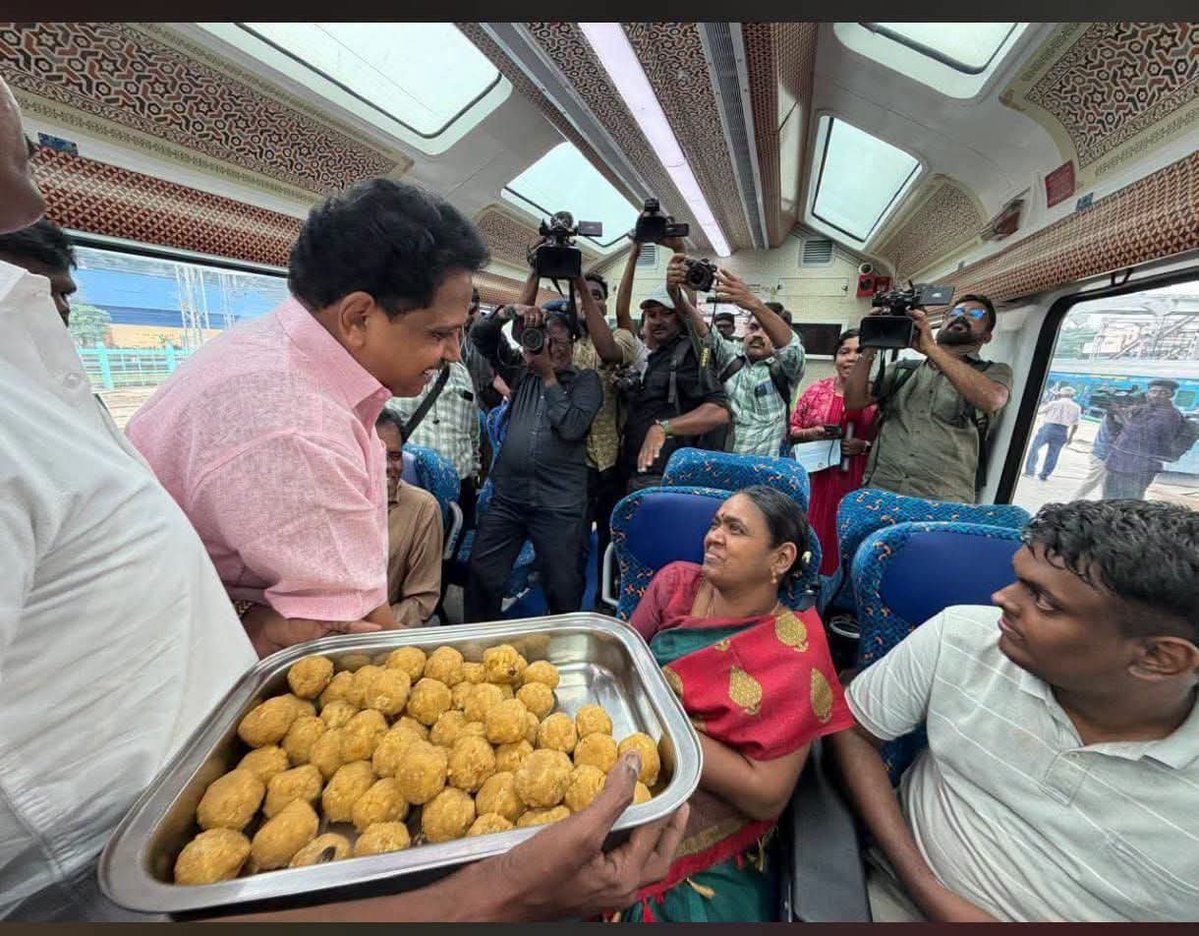
மதுரை குருவாயூர் ரயிலில் விஸ்டாடோம் ரயில் பெட்டி இணைத்ததற்கு சம்பந்தமே இல்லாத மதுரை எம்பி ஸ்டிக்கர் ஒட்டிக் கொள்கிறார்.
வெக்கமே இல்லையா @SuVe4Madurai
இது மத்திய அரசின் சாதனை என மூலை முடுக்கெல்லாம் கொண்டு செல்லவோ அதை கொண்டாடவோ தமிழக பாஜகவில் யாரும் இல்லையா??
இல்லை மதுரையில் பாஜக என்கிற ஒரு கட்சியே இல்லையா?
மத்திய அரசன் இத்தகைய மகத்தான திட்டங்களை மக்களிடம் கொண்டு கூட போகாமல் இங்கு தமிழகத்தில் எதற்கு இப்படி ஒரு கட்சி??
One of the biggest reasons Tamil cinema normalised mediocrity as a culture is Rajinikanth. At his peak, Kamal Haasan fought to push Tamil cinema towards better storytelling, technical excellence and artistic ambition. He invested his own money, suffered losses repeatedly and still took risks because he believed audiences deserved better.
Rajini, on the other hand, not only acted in mediocre films but turned mediocrity into a marketable identity. Even his celebrated “style” owes more to Amitabh Bachchan than people care to admit, much like the borrowed templates behind several of his films.
Kamal brought better technology, technicians and scripts into Tamil cinema, while Rajini largely played it safe, capitalising on a formula that audiences were conditioned to celebrate.
The bigger damage was cultural. “Dehatism” became a virtue, and mediocrity became commercially aspirational. Vijay followed that template, and now Pradeep Ranganathan and a generation of actors and directors seem to believe that exaggerated mannerisms, mass hysteria and wafer thin scripts are enough to build a career.
Kamal tried to elevate the audience’s cinematic experience. Rajini mastered the art of giving the audience what it already celebrated.
And Tamil cinema has been paying the price for that distinction ever since.
In Kabul, an unarmed Army doctor attacked a suicide bomber and held him in a grip until his explosive vest went off.
His name was Major Laishram Jyotin Singh. He was from Bishnupur, Manipur, and was a doctor in the Army Medical Corps.
In February 2010, he was sent to Kabul to work with the Indian medical team. He had been there for only 13 days.
At around 6:30 a.m. on 26 February 2010, suicide attackers stormed the secured compound where Indian officials were staying.
A car bomb explosion at the main gate killed three security personnel. A terrorist then entered the compound, firing into rooms and throwing grenades.
Five unarmed officers were hiding in one room when a grenade landed there. The fire spread to a bathroom where five other officers were hiding.
After crawling out of the rubble of his own room, Jyotin Singh heard the screams of those officers.
He was unarmed, but he still attacked the terrorist with his bare hands and pinned him to the ground. He held him down until the terrorist detonated his suicide vest.
Both died. Jyotin Singh was 37 years old.
According to the Ministry of Defence, his supreme sacrifice saved the lives of 10 of his colleagues.
On 26 January 2011, he was awarded the Ashoka Chakra, India's highest peacetime gallantry award.
Thiru Annamalai avl…
1. You quote Modi ji from 2011 but leave out what he was reacting to. That night, police lathi-charged sleeping women and children at a peaceful fast in Ramlila Maidan at midnight. In 2026, CJP protesters jumped barricades and defied orders, and India Today reports 20 FIRs against them. Putting the two side by side insults the victims of 2011.
2. You warn that people "could be jailed indefinitely." The CJP leaders were out within days, through the same legal process you call broken. Your own post admits they've been released. That isn't tyranny. It's the system working.
3. Delhi has had ACPs acting as Special Executive Magistrates since its police commissionerate began in 1978. Every government since, Congress and AAP included, has used the same powers. Discovering the problem only now, and only when it's the CJP, is selective outrage.
4. You call their tactics "misguided" yourself. Misguided tactics that break the law bring legal consequences, for everyone. BJP karyakartas have faced them too.
5. You ask whether the BJP is giving the CJP free publicity. A long post from a former state president repeating their talking points does more for them than any effigy ever could.
6. You remind us you left the BJP on June 5. But the BJP never stopped you from asking questions. It gave you the platform that made your questions worth hearing. Calling the karyakartas still working on the ground "attackers" doesn't make your questions sharper. It only shows which side you've chosen.
7. The UNHRC, Al Jazeera, the BBC and a whole network of non-state actors are ganging up against Modi ji and India right now. Is this really the moment to show your soft side, and only to these anarchists? Timing is a choice too, and this one helps the people who want India weakened.
Ask every question you like. Just don't mistake amplifying one side for speaking truth to power.
Mr Annamalai, you have asked the Central Government several questions. Let us also examine the facts your post leaves out.
The Modi government has a responsibility to maintain public order. It cannot suspend that responsibility whenever those facing action happen to oppose BJP
Peaceful protest deserves protection. Alleged violations deserve examination. Neither political affiliation nor social-media popularity provides exemption from the law
You served in the IPS. You know the distinction
1. On invoking Narendra Modi’s statement from 2011
Modi criticised the crackdown at Ramlila Maidan in 2011. That statement is on record. But a quotation from 2011 cannot determine the legality of every police action in 2026
The present case involves allegations of entering a barricaded site and breaching previously furnished peace bonds. Address those allegations instead of presenting the entire episode as punishment merely for asking questions.
Our position is consistent: citizens can oppose the government; authorities can enforce lawful restrictions. Disagreement with the first does not establish abuse of the second.
2. On Jantar Mantar: the dates matter
Here is the reported chronology:
• October 9: The Supreme Court discussed identifying suitable alternative protest sites with facilities.
• October 11: The revised Delhi Police standing order was issued.
• October 12: The change was announced; CJP says its representatives approached the police for permission that day.
Three alternative venues were designated: Ramlila Maidan, Burari Ground and CBD Ground.
You suggest that the authorities changed the arrangement in response to CJP’s application. How do you establish that when the reported order predates the application?
The government’s stated approach included providing alternative venues. That is a material fact when discussing whether the object was to regulate protests or extinguish them.
You can challenge the location decision. But your preferred interpretation of its motive is not an established fact.
3. On Special Executive Magistrates
Your post expresses alarm about a mechanism that existed long before the Modi government.
Section 21 of the Code of Criminal Procedure, 1973, already provided for Special Executive Magistrates. This was not an institution invented overnight to handle CJP.
If you seek reform, specify the reform. If you question an appointment, identify the legal defect. If you challenge an order, explain which provision was violated.
But portraying an established legal mechanism as evidence of a uniquely sinister government conspiracy is no substitute for making that case.
Your experience in uniform should bring precision to this discussion
4. On questioning and rejecting sureties
You ask why proposed sureties were questioned, as though scrutiny itself establishes harassment
Section 140 of the BNSS expressly permits rejection of an unfit surety, subject to procedural safeguards, including an inquiry and recorded reasons.
Reporting on the October 19 order identifies concerns including an alleged mismatch with an identity-document photograph and another proposed surety’s inability to provide basic details about the person concerned
Those reasons can be challenged. But the number of sureties offered does not establish that each was legally acceptable or that every rejection was arbitrary.
Publish the orders. Address the reasons. Identify the procedural violation.
“Eight sureties” is a headline. It is not, by itself, a legal argument.
5. On the magistrate’s recusal
You refer to a threat and a recusal, then ask whether this is a joke.
Where is the recorded order? What precisely was stated? What evidence establishes your suggestion that the process was deliberately manipulated?
A former police officer should understand the seriousness of a reported threat. If you believe it was used as a pretext, substantiate that accusation.
The public deserves the record, not an invitation to assume the worst
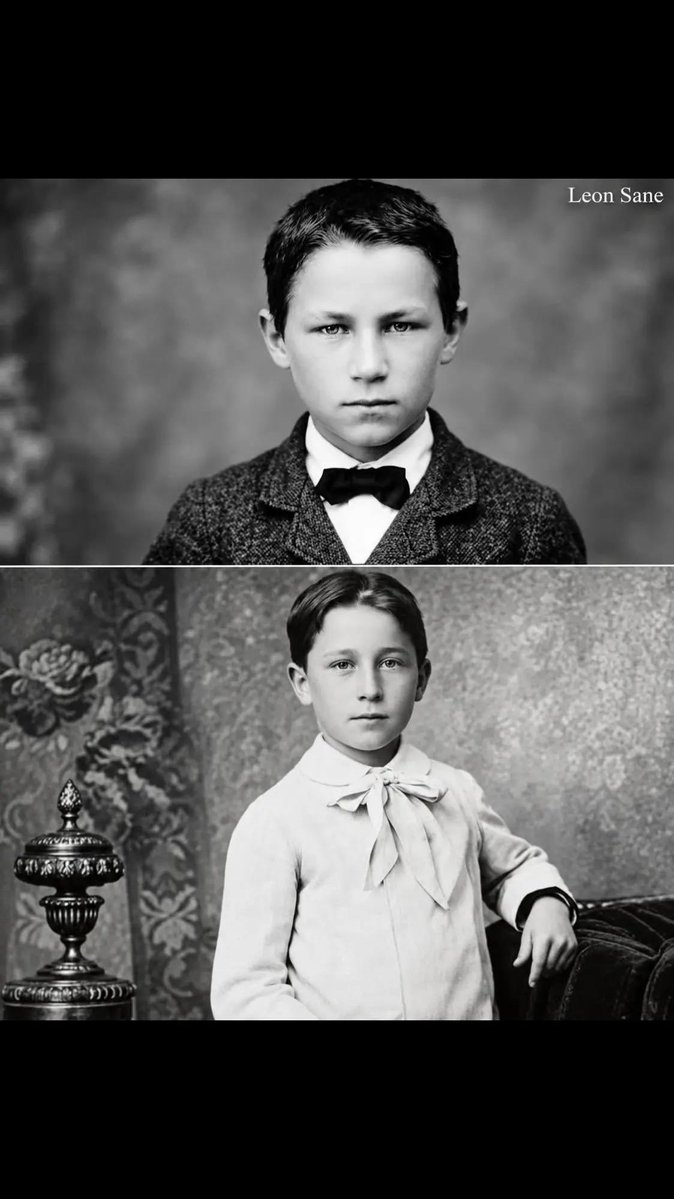
On 4 July 1885, nine-year-old Joseph Meister was attacked by a rabid dog in Alsace and bitten fourteen times. In 1885, once rabies took hold, it was considered a death sentence.
No person had ever survived confirmed infection.
His mother, Marie-Angélique, refused to accept that outcome. She treated his wounds as best she could, boarded a train, and traveled the length of France to Paris seeking a scientist she had only heard about in rumors: Louis Pasteur.
Pasteur was 62. He had developed a promising vaccine tested successfully on dogs, but it had never been given to a human. He was not a licensed physician. If the boy died after treatment, Pasteur could face legal consequences and the destruction of his reputation and life’s work.
Two physicians examined Joseph and confirmed that without intervention he had no chance. On the evening of 6 July 1885, the first dose was given. Over the following weeks Joseph received thirteen injections, each prepared from the spinal cord of a rabid rabbit that had been dried for progressively fewer days—each dose slightly stronger than the last.
The goal was to gradually train his immune system to fight the virus before it could reach his brain.
Pasteur barely slept. He monitored every fever, every cough, every quiet hour. Joseph remained well.
After the final injection came the hardest part: waiting. Days turned into weeks with no convulsions, no paralysis, no symptoms.
On 25 August 1885, Joseph Meister left the Pasteur Institute and returned home to Alsace—the first person in history to survive confirmed rabies exposure.
Word spread quickly. Desperate parents from across Europe brought bitten children to Paris seeking the same treatment. The results continued to hold.
The breakthrough also reinforced Pasteur’s broader proof that invisible microorganisms, not miasma or divine punishment, caused disease.
That insight transformed medicine: surgeons began sterilizing instruments, doctors washed their hands, and milk was heated to kill bacteria—a process still called pasteurization.
As an adult, Joseph Meister returned to the Pasteur Institute and worked there as its caretaker for decades, living inside the building where his life had been saved. He was present when Pasteur died in 1895.
Joseph lived to the age of 64. Every year of that life existed because a mother refused to accept a death sentence and a scientist chose to proceed with an untested human treatment on an evening in July.
The boy survived. 🌹
🔥 घाटकोपरच्या स्मित मच्छार नंतर अलिबागचा देवदूत! 35000 फूट उंचीवर एक वेगळा थरार...
डॉ. चंद्रशेखर साठ्ये पॅरीसहून एअर फ्रान्सच्या (AF218) विमानाने मुंबईला येत होते. परतीच्या प्रवासात असतांना उड्डाण केल्यानंतर सुमारे चार तासांनी विमानातील एका 75 वर्षीय वृध्दाची प्रकृती अचानक बिघडली (Epileptic Seizure). ते बेशुध्द होऊन आसनावर पडले. विमानातील कर्मचाऱ्यांच्या ही बाब लक्षात आली, त्यांनी विमानात कोणी डॉक्टर आहे का याचा शोध सुरू केला. डॉ. साठ्ये यांच्या शेजारी बसलेल्या प्रवाश्यांने ही बाब डॉक्टरांना सांगीतली. क्षणाचाही विलंब न करता डॉ. साठ्ये वृध्दाच्या मदतीसाठी धावले. प्रवाश्याची तपासणी केली. वृध्द प्रवासी बेशुध्दावस्थेत होता. कुठलाही प्रतिसाद देत नव्हता. डॉ. साठ्ये यांनी विमानातील कर्मचाऱ्यांना त्या प्रवाश्याला मोकळ्या जागेत नेऊन खाली झोपविण्यास सांगीतले. पुन्हा त्याची तपासणी केली तेल्हा त्यांची नाडी क्षीण होती. श्वास सुरू होता पण रक्तातील ऑक्सिजनचे प्रमाण 90 टक्के होते, जे कमी होते. रक्तदाब कमी होत चालला होता. परिस्थिती गंभीर होती.
विमानात स्वयंचलित रक्तदाबमापक, पल्स ऑक्सिमीटर, स्टेथोस्कोप, ऑक्सिजन, हृदयाला विद्युत धक्का देणारे उपकरण आणि रक्तातील साखर तपासण्याचे यंत्र उपलब्ध होते. या साधनांचा उपयोग त्यांनी त्या प्रवाश्यावर उपचार सरू केले. त्यांना रिकव्हरी पोझिशनमध्ये आणले. ऑक्सिजन दिला आणि पाय उंचावले. थोड्याच वेळात उपचारांना तो प्रवासी सकारात्मक प्रसिसाद देऊ लागला. ऑक्सिजन दिल्यानंतर त्यांची ऑक्सिजन पातळी 99 टक्क्यांपर्यंत वाढली. खालावलेली रक्तदाब पातळी सुधारली, रक्तदाबाचे प्रमाण 140/80 पर्यंत वाढले. सुमारे दहा मिनिटांत त्यांना शुद्ध आली. ते प्रतिसाद देऊ लागले, नंतर आवाजाला प्रतिसाद देऊ लागले आणि अखेरीस बोलू लागले.
साधारण तासाभराने त्या प्रवाश्याला पुन्हा एकदा त्रास होऊ लागला. त्याला आपस्माराचे झटके येऊ लागले. डॉ. साठ्ये यांनी पुन्हा एकदा त्याचा 'जॉ थ्रस्ट' करून श्वासोश्वासाचा मार्ग मोकळा करून दिला. डाव्या कुशीवर झोपवून त्याचा ऑक्सीजन पुरवठा सुरळीत केला. प्रवाश्याची प्रकृती पुन्हा काही काळ स्थीर झाली.
त्यानंतर मुंबईत विमान पोहोचण्याच्या 45 मिनिटे आधी, मुंबईच्या दिशेने विमानाचा डिसेन्ट सुरू होऊन विमान लँडिंगची तयारी करत असताना पुन्हा एकदा वृध्द प्रवाश्याची प्रकृती खालावली! ऑक्सीजन लेव्हल खालावली. त्वचा निळसर पडू लागली. तेव्हा विमानातील वैद्यकीय कीट मध्ये उपलब्ध औषधांचा वापर करून वृध्दाचे प्राण वाचवले. या अत्यंत आणीबाणीच्या प्रसंगी, डॉ. साठे यांनी विमानातील मेडिकल किटमधून 'रेक्टल डायझेपाम' वापर करून रुग्णाचे प्राण वाचवले. एअर फ्रान्सच्या विमानातील कर्मचाऱ्यांकडे ऑक्सिजन ग्लुकोमीटर आणि डायझेपाम (Diazepam) सारखी आवश्यक औषधे व वैद्यकीय साधने उपलब्ध होती. मुंबई विमानतळावर उतरल्यावर त्या प्रवाश्याला विमानतळावरील वैद्यकीय अधिकाऱ्यांतच्या स्वाधीन केले.
वैद्यकीय कौशल्य, समयसुचकता आणि मर्यादीत वैद्यकीय संसाधनांचा अचूक वापर करून वृध्द प्रवाश्यांचे प्राण वाचविणाऱ्या डॉक्टर साठ्ये यांना माझे 100 सॅल्युट!
____________
• डॉ. साठ्ये हे अमेरीका दौऱ्यावर होते. न्यूयॉर्क वरून ते पॅरीसला पोहोचले होते. मात्र पॅरीस वरून मुंबईला येणारे कनेक्टीग फ्लाईट चुकल्याने, त्यांना एक दिवस पॅरीस मध्ये रहावे लागले. त्यामुळे दुसऱ्या दिवशी पॅरीस वरून मुंबईला येणाऱ्या विमानात त्यांना तिकीट देण्यात आले. आणि हा प्रसंग घडला. त्या वृध्द प्रवाश्याला तातडीने वैद्यकीय मदत मिळू शकली..
• डॉ. साठ्ये यांनी विमान प्रवासात केलेल्या या मदतीसाठी एअर फ्रान्सच्या कर्मचाऱ्यांनी डॉक्टरांना 350 युरो मदत देऊ केली. मात्र डॉक्टर साठ्ये यांनी नम्रपणे ती नाकारली. याला म्हणतात सेवाभाव!!🙏🏼
सगळ्यात महत्वाचे :
प्रवाश्याची प्रकृती स्थीर असून त्याला रुग्णालयातून घरी पाठविण्यात आले आहे!!😊
Yesterday, I was reading about Alauddin Khilji. According to the account I came across, he suffered a painful death. He died from fluid accumulation in his abdomen, and for the last two years of his life, he had reportedly suffered from leprosy, with parts of his body beginning to rot.
Of course, such diseases can affect even the most decent and civilized people. But when something like this happens to a tyrant, a barbarian, or a cruel ruler, it strengthens the belief that people must face the consequences of their misdeeds in this very life. This is how it should be. This is how it ought to be.
And Khilji was not the only one. The deaths of almost every tyrannical ruler of the medieval period were deeply painful, according to this view of history. Among the Mughals, it almost became a tradition for emperors to spend their final years watching their own sons fight and kill one another for the throne.
Akbar, Jahangir, Shah Jahan, Aurangzeb — all of them, in their old age, suffered the agony of witnessing conflicts involving their own children.
Akbar was already devastated by the deaths of his two sons, Murad and Daniyal, amid the turmoil of the royal family. He pleaded with Jahangir, but Jahangir continued to have people close to Akbar killed. Many of Akbar's associates, including Abul Fazl, were killed, while the aging emperor was left helpless and distressed. He eventually died, burdened by these tragedies. Jahangir, too, faced similar troubles.
The world remembers Shah Jahan as a great lover because of the Taj Mahal, but he was no less ruthless than other Mughal rulers. When it came to the treatment of Hindus, he was even more hard-line than many of his predecessors.
His end was even more tragic. The severed head of his beloved son, Dara Shikoh, was reportedly displayed on the tip of a dagger and paraded through Agra. Eventually, the head was presented on a platter before Shah Jahan, who was being held prisoner.
And all of this was done by his own son.
Having already witnessed the deaths of his other sons at the hands of their brother, one can only imagine the agony Shah Jahan must have endured in captivity as he approached the end of his life.
And this did not happen to these rulers alone. The final years of many tyrannical rulers were marked by suffering, betrayal, and tragedy. Most importantly, none of them could peacefully pass power on to the next generation. They were all eventually pushed out of power.
I believe that the deaths of emperors and kings should be taught in history books as well. People should know that, sooner or later, everyone must answer for their actions in this very life.
For building a civilized society, it is essential that people remember the tragic endings of those who ruled with cruelty and barbarism.
Remember how, amid chants of Allah-u-Akbar, the State had granted thousands of Muslims to bid a teary-eyed farewell to SA Basha, mastermind of the Coimbatore terror attack that killed 58? Well, today the State has granted parole to five of his accomplices.
You can't do anything.
His blood is found in only 4 people out of 1 million. He travelled 300 KM to save a 3 year old boy.
A 3 year old boy, Abhinandan, was fighting for his life in SDM Hospital, Dharwad. He needed Bombay blood group the rarest blood in the world. Less than 0.0004% people in India have it.
His father, Mahantesh, made one last desperate appeal.
That appeal reached the Swami Vivekananda Blood Donors Foundation. Its founder, Shivakumar Rattihalli, started calling. One call, Second call, Third call.
One call connected to Chikkamagaluru. To a man named Mahesh Kumar. Mahesh has Bombay blood.
Shivakumar said, There is a 3 year old boy in Dharwad, critically ill. He needs you.
Mahesh didn't ask Who is the boy? What caste? What religion? Who will pay for my travel? What will I get?
He just said, I am coming.
300 kilometers. More than 5 hours of travel. He walked into SDM Hospital, rolled up his sleeve, and gave one unit of his own blood, blood that his own body can rarely find if he ever needs it to a 3 year old child named Abhinandan, One unit. Enough to bring a child back from the edge.
If you are reading this, ask yourself one question: When was the last time you showed up for your own people?
He just reminded this selfish, busy, "no-time" society that being human is still possible.
India is 79% Hindu, Pakistan is 96% Muslim.
Israel is 73% Jewish, the Palestinian territories are 99% Muslim.
Cyprus is 78% Greek, Turkish-occupied North Cyprus is 99% Turkish.
It's always the same story, isn't it?