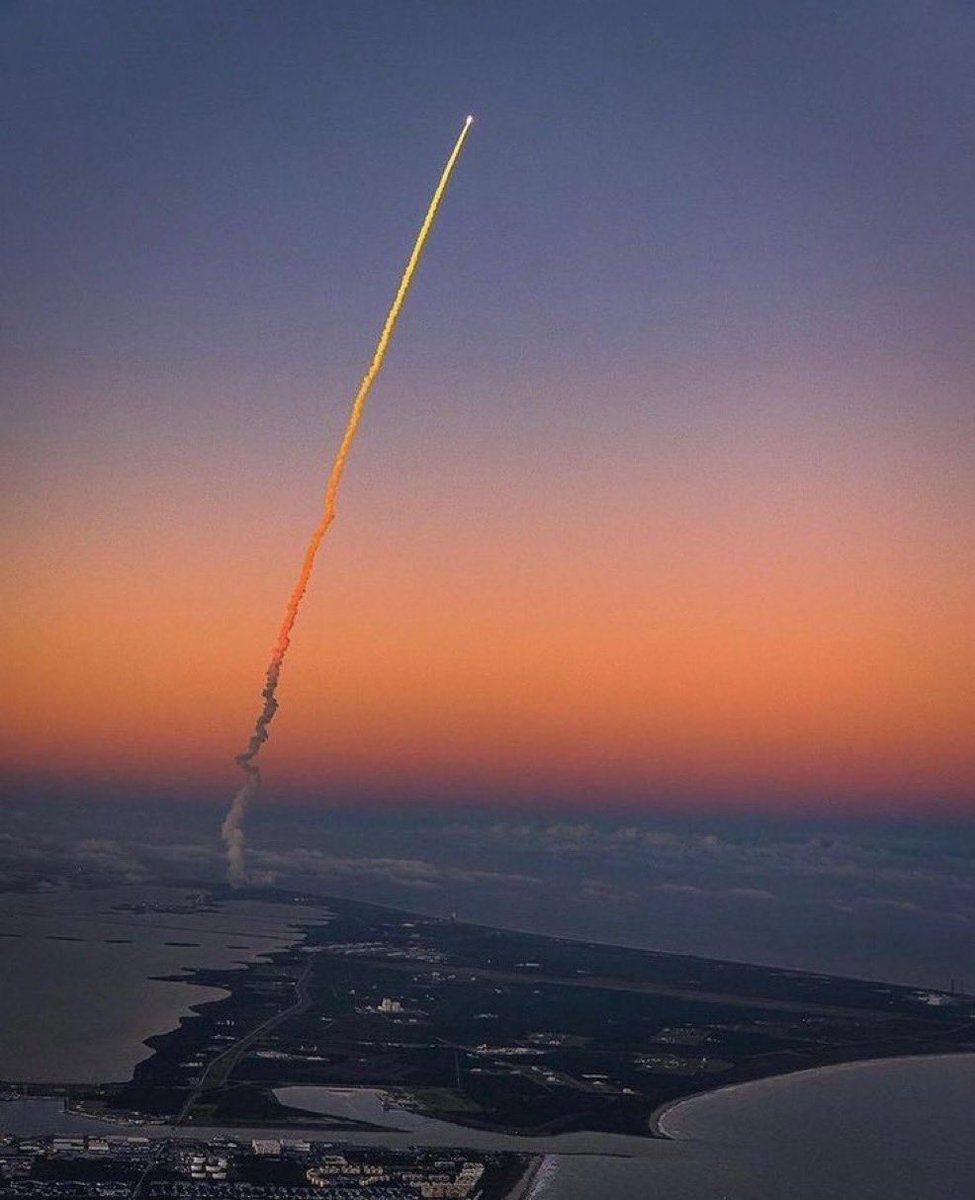
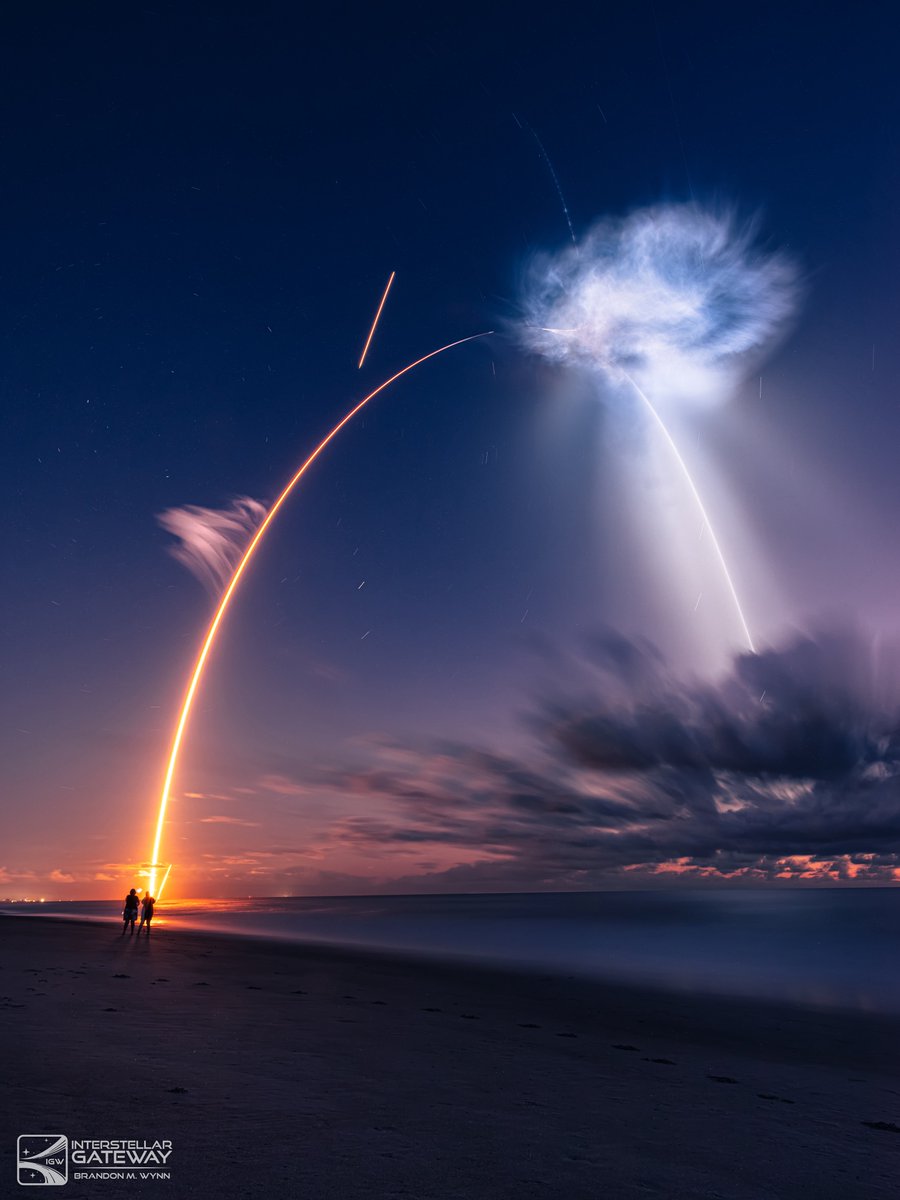
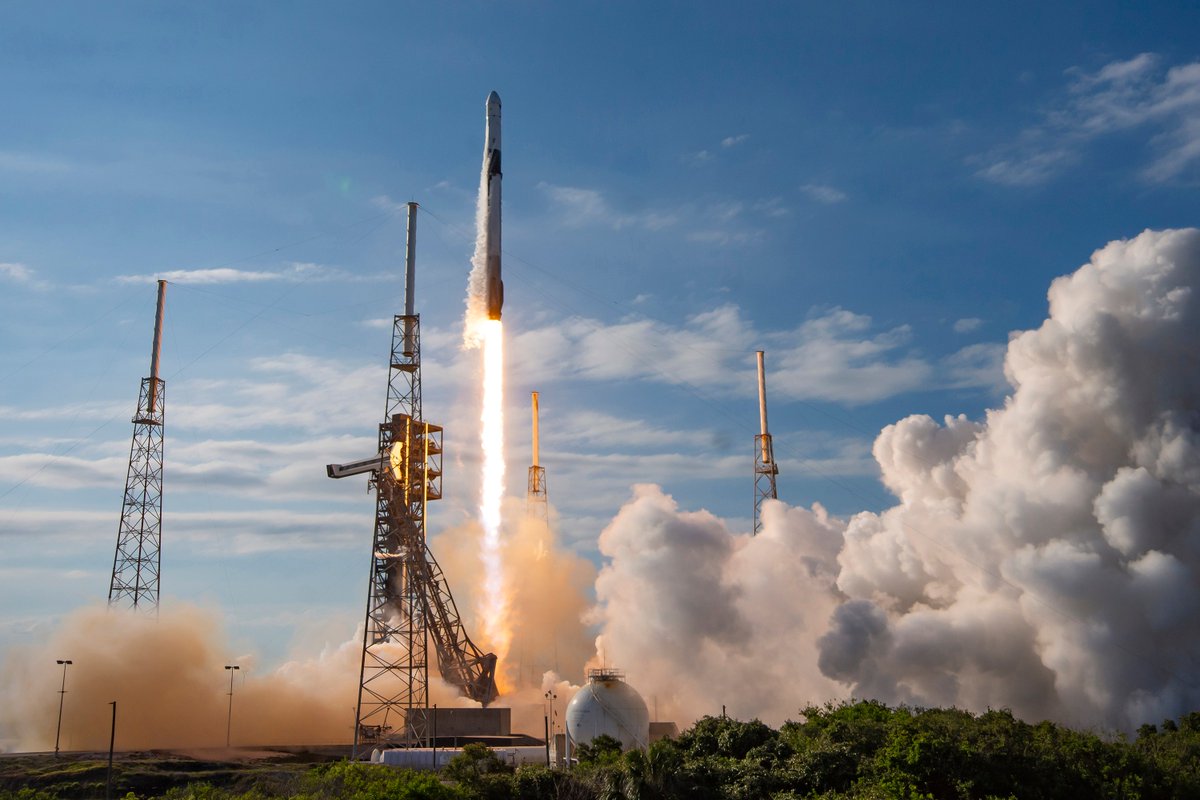
SpaceX and NASA successfully launched CRS-35 to the ISS this morning on Falcon 9, creating a twilight phenomenon or “Space Jellyfish” over the US East Coast on ascent…
We l0ve new @NASAHubble ph0t0s 👀
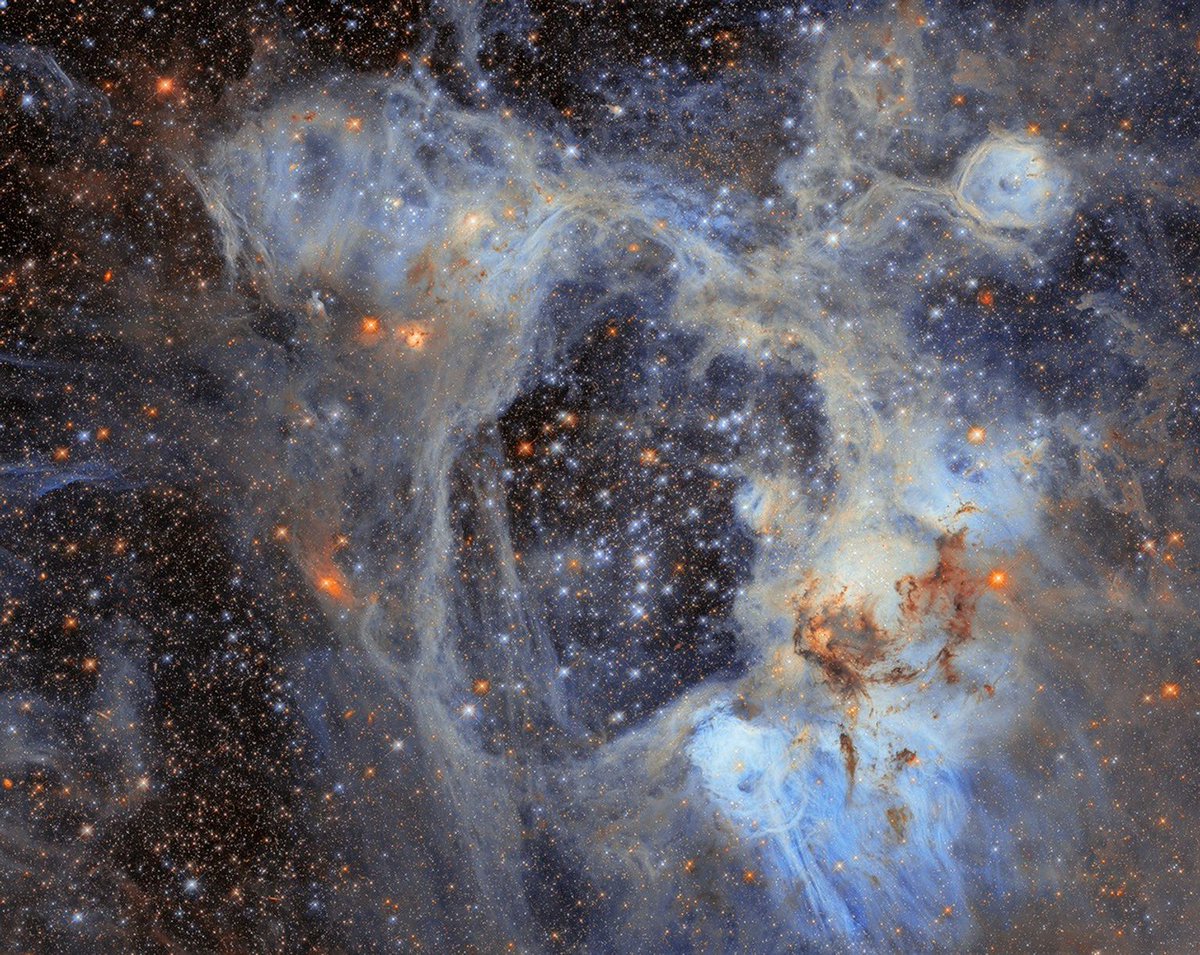
This image features a sprawling view of the nebula N44 in the Large Magellanic Cloud. At the center is a ‘superbubble’ spanning roughly 210 by 140 light-years across.
Learn more about this cosmic zero here >>
https://t.co/d2wHRtj1ek
A tiny crop. An entire universe hiding inside it.
This spiral is MCG-06-33-009, a distant galaxy shining through our own Milky Way. Rubin caught it swimming in a sea of more than 100,000 foreground stars — our Galaxy’s own crowd, glittering in front of a world that has nothing to do with them.
Look at the blue knots along its arms. Those are newborn stars, burning so hot and so fast they flare like blowtorches before they fade. In one frame you can see our crowded neighborhood and, behind it, another galaxy mid-creation.
Over the next ten years, Rubin will find some 20 billion galaxies like this one. This is not the treasure. This is the first handful of sand from the shore.
🌀
Our next uncrewed resupply mission to the @Space_Station is scheduled to lift off on a @SpaceX Dragon capsule in October. More: https://t.co/BenhljgkIQ
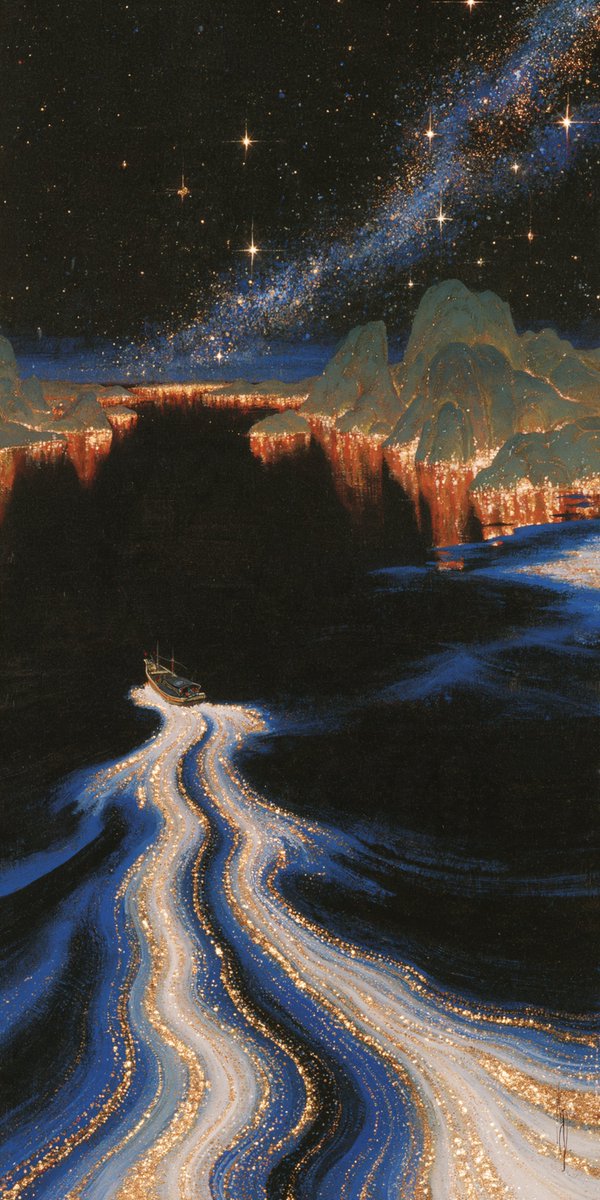
Southern Hemisphere Milky Way galaxy view from the @Space_Station cupola. This 3s exposure series captured two of my favorite cupola views, the particularly dense Milky Way galaxy as seen from the Southern Hemisphere, and the bright, colorful lights of squid fishing boats (here, the bright blue and green lights off the coast of China, Thailand and India). Look at what the light did now!
No matter where you are, we all see the same Moon. 🌕
Sept. 19 is International Observe the Moon Night, an annual celebration dedicated to our closest celestial neighbor. Learn more and find ways to celebrate near you: https://t.co/OgllHIbnbK
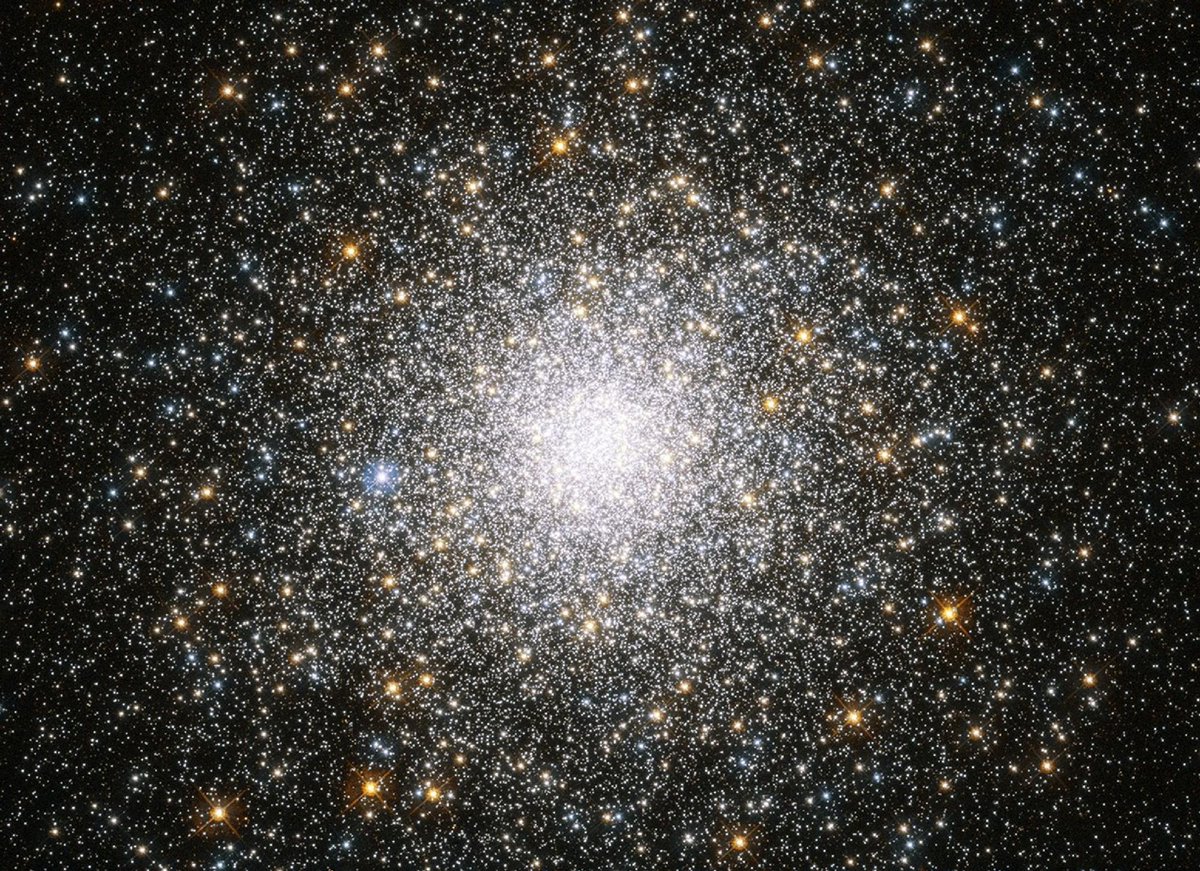
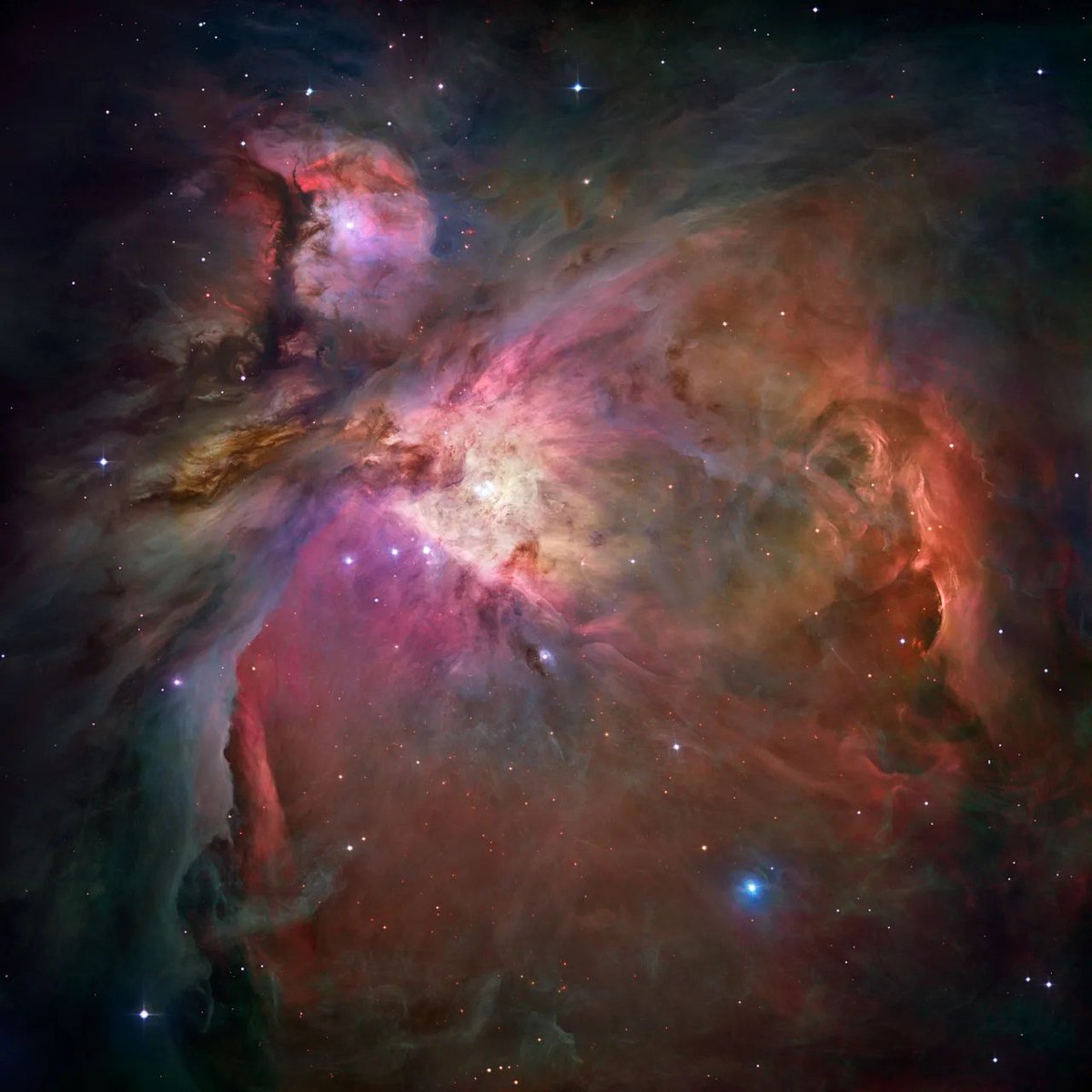
Hubble has observed many Messier catalog items over 35+ years, including the Orion Nebula, the Omega Nebula, globular star cluster Messier 75, and galaxy Messier 109. Scroll through Hubble’s Messier images, and find your favorite: https://t.co/G8MuLavcm7 🔭
Within this star-forming nebula (captured by Webb) are the smallest brown dwarfs ever detected. Neither planet nor star, these objects are formed like stars, raising questions about the star formation process. https://t.co/s58sxdx1dl
Massive stars don’t just live in their environment—they shape it. In nebula N44, stellar winds and supernovae from enormous stars carved out a giant central void, pushing cold gas into an outer shell where a new generation of stars are forming.
https://t.co/oAa4meURmY
This starry view is one of the largest images released to date from @NASAWebb – and it contains a surprise. Researchers found brown dwarfs twice the mass of Jupiter, which is small for this strange class of cosmic object. https://t.co/6HRYpgegUe
Different by design. United by the same DNA. Lamborghini Temerario and Temerario Super Trofeo.
Dealer: Lamborghini Muenchen
Photograph: Michael Kruse
#Lamborghini#Temerario
@Musabsani123@7signxx 8 billion people saw a natural disaster. You saw a supernatural revenge plot. Maybe the demon isn’t me — maybe it’s your confirmation bias.