Gurgaon (local) folks drive / ride so harshly (risky for the other guy who is trying to drive safe) and end up creating bottlenecks for everyone. They are a bunch of idiots, I would say.
#Gurgaon#rashdriving
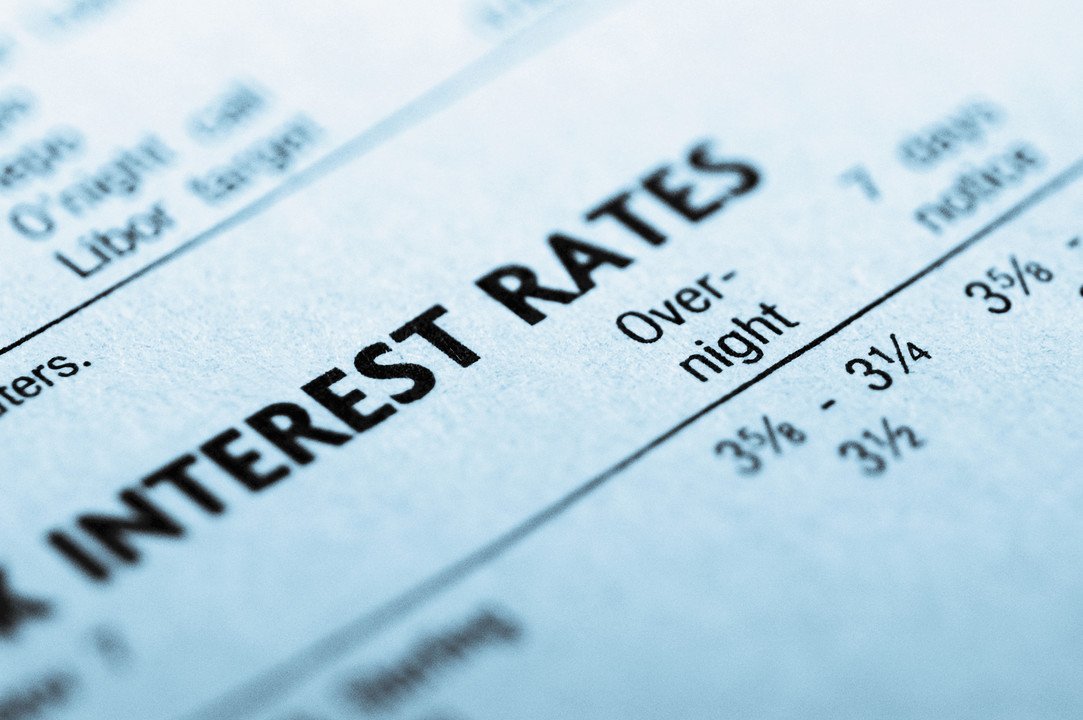
Charging you interest for the privilege of holding your own savings is a confession that the entire monetary system had broken its own internal logic.
Between 2014 and 2022, the European Central Bank held its deposit rate below zero. The Bank of Japan pushed rates negative in January 2016. At the peak, roughly $18 trillion in global debt carried negative nominal yields. Pension funds in Denmark and Switzerland watched the return on safe assets go below zero and had to explain this to retirees. Banks in Sweden passed the cost directly to depositors. You earned less money for having money.
The theoretical justification was that cheap enough credit would prod banks into lending and businesses into investing. This inverts every principle of capital formation. Interest rates coordinate time preferences across millions of people. When rates rise, savers are rewarded and borrowers slow down. When rates fall, the reverse occurs. When rates go negative, the signal says: consuming today is better than saving for tomorrow, always, unconditionally, forever. Ludwig von Mises identified artificial credit expansion as a means of transferring wealth from savers to debtors. Negative rates drop the pretense and do it explicitly.
The practical results confirmed the theory. Corporate zombies that should have liquidated in 2010 borrowed at zero percent and stayed alive, absorbing labor and capital that productive firms needed. Housing prices in Frankfurt, Stockholm, and Auckland inflated grotesquely because yield-starved investors pushed money into any asset generating a positive return. Central banks then pointed at asset price inflation as evidence their policy was working.
The real economy produces goods and services. Finance intermediates between savers and producers. Negative rates punished the first group to subsidize the second group's debt loads, resulting in asset bubbles. The inevitable correction arrived starting in 2022, when the Fed raised rates from 0.25% to over 5% inside eighteen months, and the bond market suffered its worst annual losses since 1788(not a typo).
I've read roughly a book a week for 20 years.
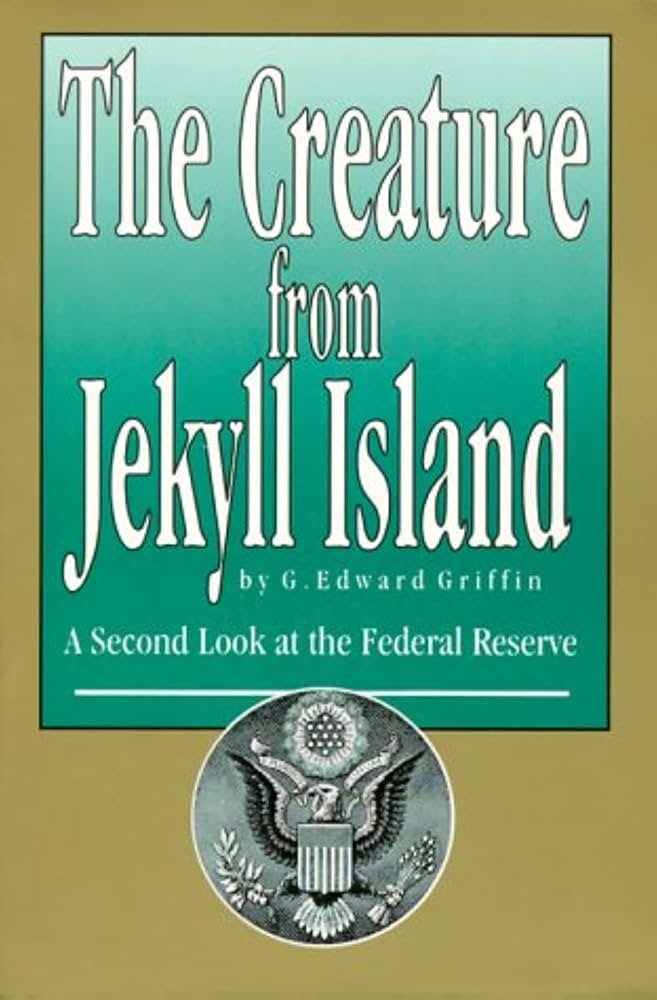
These 5 changed how I think about money, freedom, and what it means to be alive:
1. The Creature from Jekyll Island (G. Edward Griffin)
@Ashish50815754@Patterns0001 the concept of debt in India is ancient and rooted in Vedic ideas as rina. It got formalized in post vedic period with rules carefully detailed in texts such as the Arthashastra and Manusmriti. Debt is not new India.
@BillAckman High interest rates impact the cost of running the business ( small/big). Even for the ones in race for AI, money is not cheap. However, as long as the world is convinced that AI benefits will surpass all costs, money will flow into it keeping the demand high.