#Nephmadness
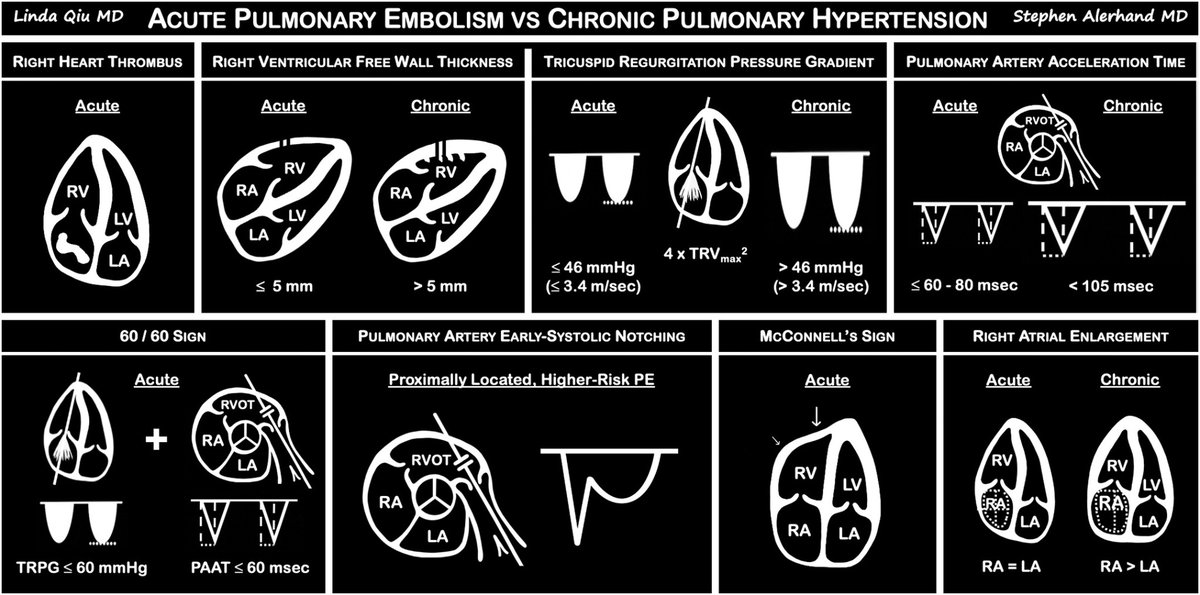
Summary Infographic for Distinguishing Acute Pulmonary Embolism and Chronic Pulmonary Hypertension.
(*overlaps exist, use multiple parameters in the appropriate clinical context)
#POCUS#CriticalCare#Nephpearls
🔗 Alerhand S, Adrian RJ. Am J Emerg Med. 2023 Oct;72:72-84.
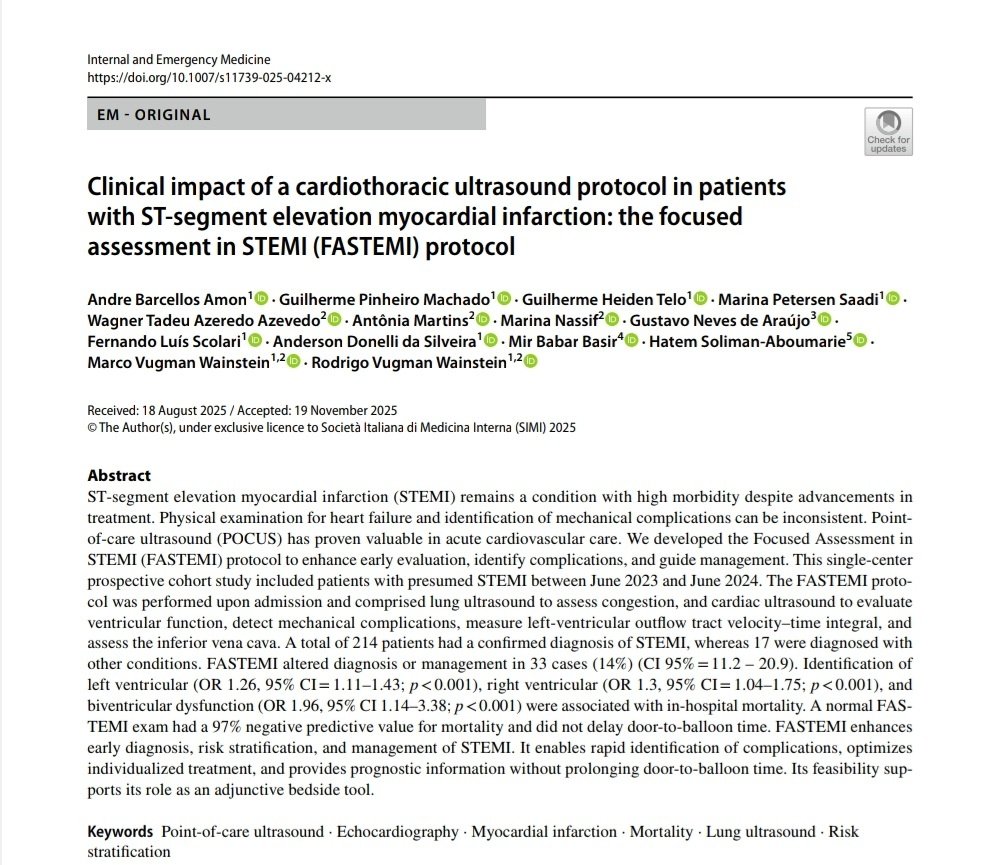
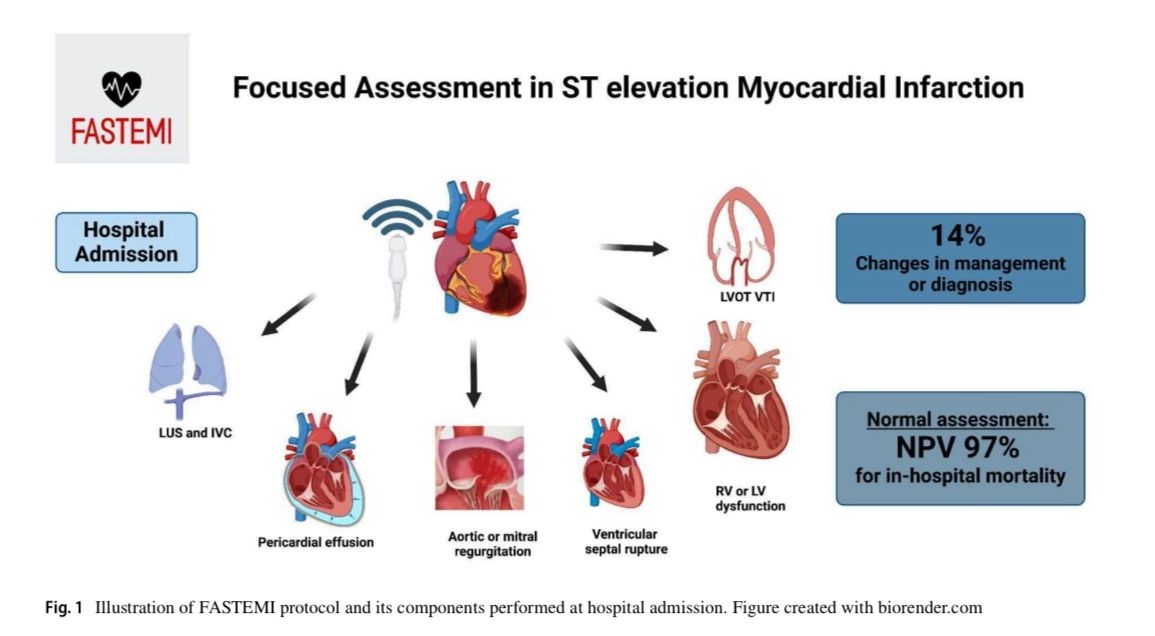
Our FASTEMI study is now published! 🎉
This quick and practical POCUS protocol in STEMI can be truly decisive: it guides management, identifies critical differential diagnoses, and achieves a 97% negative predictive value for in-hospital mortality.
https://t.co/OqRMxgCmwP
1️⃣
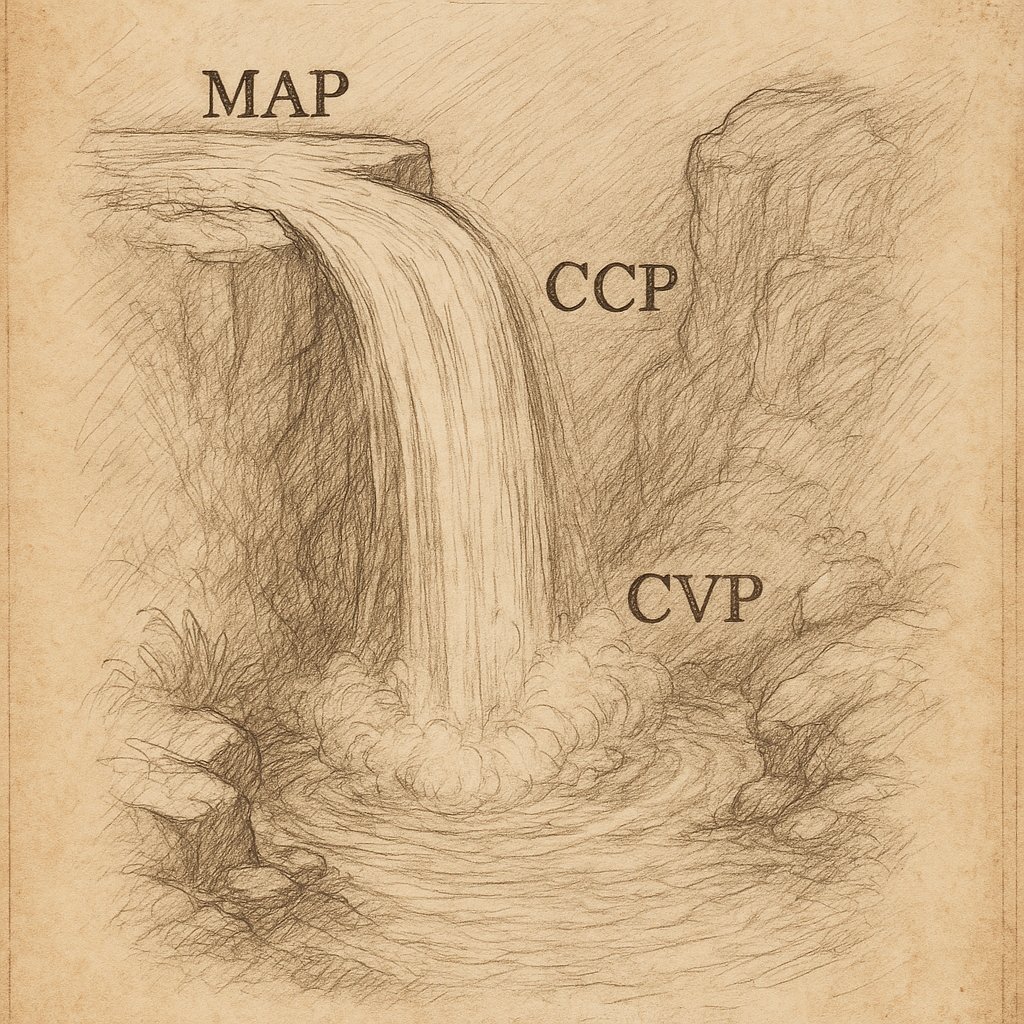
Some patients with severe venous congestion have almost no oedema — and that’s confusing at first.
It only starts to make sense once you unpack the physiology. 👇
🧵 What is Critical Closing Pressure — and why does it matter for perfusion?
A thread to clear up one of the most misused and misunderstood ideas in circulatory physiology.
👇
Rola et al. redesign the Forrester–Kenny diagram using multiple tools to assess flow and congestion.
🎯 Goal: Quadrant 1 -> Warm and Dry.
A clean visual strategy for early shock phenotyping.
https://t.co/dT2Hl22gxq
@ThinkingCC@edu_kattan@AndromedaShock#FOAMed#Shock#ICU
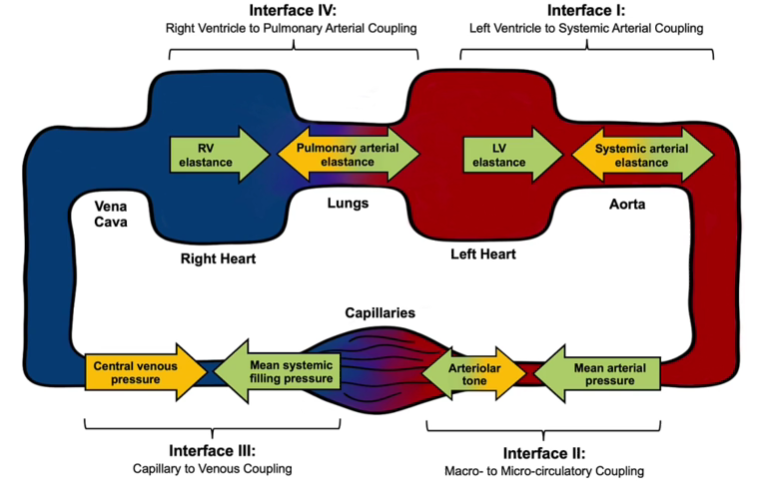
(2/10) Traditional Approaches to Shock are Simplistic - while they sometimes work they are not valuable for complex patients.
The emerging "Hemodynamic Interfaces" paradigm is a more systematic approach that considers:
1) LV - Arterial Coupling
2) Macro - Micro Coupling
3) Capillary to Venous Coupling
4) RV-PA Coupling
At first this seems COMPLICATED. It isn't. It actually is a framework that is complicated enough to consider the challenging physiology of shock patients YET simple and methodical enough to work through.
Full paper: https://t.co/BgyXphHzCp
Latest post on https://t.co/5dIBLwYhWN
- “Hepatic Vein Doppler and EKG: Are There Any Workarounds?”
#POCUS#VExUS#FOAMed#Nephpearls
🔗 https://t.co/LWrQVVO1X3
TPN/PPN Parenteral Nutrition.
BEFORE YOU ORDER...
Perform a full assessment to evaluate the feasibility of using enteral nutrition.
Dietitians are a great resource for this!
https://t.co/lj7HQS8WPA
...🧵This is a thread about 8.4% sodium bicarbonate (aka bicarb amp) in critical care.
This the first part in a series of three about sodium bicarbonate 🧂in critical care:
🧐I will get in deep to complexities, benefits, risks and clinical implications of this (overused) drug.
#echofirst great reminder from @RitikaTuliMD
When LAP is elevated ARd - Ad > 30 ms
i.e. because of the elevated LAP MV closes earlier (end of Ad), LA is emptying back into the pulmonary veins over longer time (ARd)
To recap: ⭐️
1. Understand the pharmacology of the meds you prescribe
2. Pick the dose of furosemide based on renal function in order to reach threshold effect
3. Pick the frequency of furosemide administration based on how much volume you want to take off
4. Monitor your therapies: urine output and spot urine sodium are great
5. Consider tailored adjunctive therapies
Vascular Point-of-Care Ultrasound
KEY POINTS
1-Ultrasound is the first-line test for diagnosing deep venous thrombosis and screening for abdominal aortic aneurysm.
Med Clin N Am-(2024)https://t.co/zG8WzVOwaI https://t.co/oFMZitFxFN
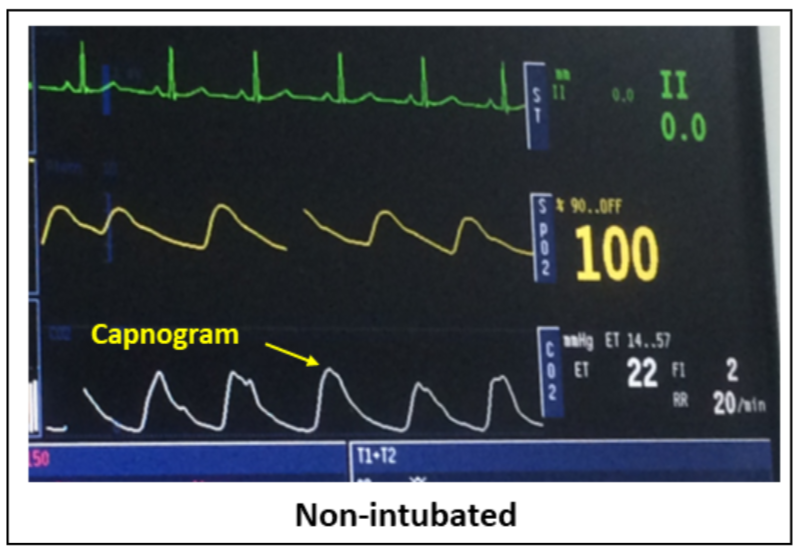
📢 New tutorial released - ATOTW 534: Capnography in the Nonintubated Patient https://t.co/dfYMdFgOW8
Capnography can be used in non-intubated patients undergoing sedation, and in those at risk for airway compromise. Combined with oxygen delivery through masks or nasal prongs; it improves patient safety by detecting ventilatory compromise much earlier than pulse oximetry
#anaesthesia #anesthesiology #anesthesia
1/Do radiologists sound like they are speaking a different language when they talk about MRI?
T1 shortening what? T2 prolongation who?
Here’s a translation w/an introductory thread to MRI.