SikhRI is a global non-profit organization providing educational resources to Sikhs to think critically based on Guru Granth Sahib’s paradigm of IkOankar.
What factors inform your perspective on Justice?
The Sikh Research Institute aims to capture Sikh thoughts and feelings on the topic of Niau: Justice in Sikhi.
Let your voice be heard in just 3 minutes.
Our State of the Panth series reports on a specific issue affecting either a large section of the Panth or the human race.
Previous topics include:
• Sexuality
• Caste & Race
• Abortion
• Miri-Piri
• Marriage
Complete the Survey today: https://t.co/tSh0XGmIDM
#SikhEducation #SikhCommunity #Education #Survey #Justice #Sikhs #Community #Sikhi #StateofthePanth
Today in #Sikh History:
On this date in 1914, Bela Singh, an informant on the Sikh community who worked for Canadian immigration official William Charles Hopkinson, entered the Vancouver Gurduara on West 2nd Avenue and killed two members of the congregation, Bhai Bhag Singh and Bhai Battan Singh, and injured 7 to 8 others. Bhai Bhag Singh was sitting in attendance of Guru Granth Sahib. Bhai Bhag Singh was president of the Vancouver Gurduara and a Ghadar leader.
W.C. Hopkinson had long harassed the Sikh community of Vancouver, especially in the wake of the Guru Nanak Jahaz (Komagatamaru) incident.
Bhai Mewa Singh witnessed the murder and fearlessly testified against Bela in court, even though he was threatened by other informants who worked for Hopkinson. Mewa Singh was threatened once again and in response, Mewa Singh decided that he would rather die a martyr than live in fear. He decided to exact justice by assassinating Hopkinson.
Hopkinson was in court giving testimony in favor of Bela when Mewa Singh calmly walked up to him and shot him dead. This occurred on 21 October 1914. Bhai Mewa Singh was arrested and executed by the Canadian government on 11 January 1915. Bela was later tracked down to his home village in Panjab, where Ghadar activists brought him to justice by killing him.
#TodayInHistory #India #Punjab #Panjab #SikhHistory
Akal, coming from “A” (not) and “Kal” (dying, or ending), together becomes timeless, immortal, or non-temporal. Takht, coming from the Persian word for “the Imperial Throne,” focuses in on temporal power. Akal Takht Sahib (Timeless Throne Sovereign) situated in Amritsar, Panjab is the epitome of the Miri-Piri (Political-Spiritual) doctrine.
The focus of this report is to understand the role and function of Akal Takht Sahib from the Gurmat (Guru’s Way) perspective, as inferred from Bani (wisdom), Tavarikh (history), and Rahit (lifestyle). In understanding the Gurmat explanation of the function and role of Akal Takht Sahib, individuals and institutions can come together to push for a more transparent, independent, representative, and active institution.
Explore the report today: https://t.co/9P6EZMmmMH
#Sikhi #SikhCommunity #AkalTakht #India #Amritsar #Punjab #Panjab #SikhHistory #StateofthePanth
During the tumultuous period of the 18th century, the Sikhs faced utter persecution and huge political challenges. Various rulers and invaders, including the Mughals and the Afghans, often targeted the Sikhs. Due to this, a significant portion of the Sikhs had to abandon and move away from public life.
During this period, the management of Sikh institutions and spaces, particularly gurduaras fell into the hands of udasi mahants who did not always adhere to Sikh principles and traditions. The mahants became landlords and had, over time, accumulated wealth and property and lived a lavish, corrupt, and immoral life, which was in stark contrast to the Sikhi spirit of reflection, humility, and selfless service.
Author: Surender Pal Singh
Continue Reading: https://t.co/b1HTaah2Rk
#SikhHistory #Sikhi #Sikhs #SikhCommunity #Sikh #History
Today in #Sikh History:
The last sovereign of the Sarkar-i-Khalsa, Duleep Singh, the youngest son of Maharaja Ranjit Singh and Maharani Jind Kaur, was born on this day in 1838. After the turmoil following his father's death, the Sikh Empire went through multiple rulers. At the age of five, Duleep Singh was proclaimed the monarch of the Sarkar-i-Khalsa on 16th September 1843, following the assassination of Maharaja Sher Singh. Initially, Raja Hira Singh Dogra, the Prime Minister, held control over the state until his death. Afterward, Duleep Singh's mother, Maharani Jind Kaur, ruled as regent.
In December 1845, the British invaded the Sarkar-i-Khalsa, leading to the first Anglo-Sikh Wars. Despite his nominal rule, the British retained control over the Sikh kingdom. Following the defeat of rebel Sikh forces in the second Anglo-Sikh Wars in March 1849, the Sarkar-i-Khalsa was dissolved, and Duleep Singh was forced to abdicate while the British Empire annexed Panjab. Maharani Jind Kaur had already been exiled, and Duleep Singh was raised by British officials who influenced him to convert to Christianity in 1853. Eventually, he was exiled to Britain in 1854, never returning to Panjab.
Learn more: https://t.co/KKnhNg0pkI
#TodayInHistory #India #Punjab #Panjab #SikhHistory
How Do We Reflect on the Vision of Guru Gobind Singh Sahib?
Join SikhRI for an in-person conversation on Guru Gobind Singh Sahib: Life, Vision & Wisdom, authored by Harinder Singh (@1Force).
Hosted by Manpreet Kaur Chadha & Dr. Arinder Singh Chadha, this gathering invites us to pause and reflect on the life, vision, and wisdom of Guru Gobind Singh Sahib. With humility and intention, we will explore how the Guru’s teachings shape our understanding of courage, responsibility, and connection with the Divine, while inspiring us to turn inward and consider how his vision continues to guide the way we live, lead, and serve.
📅 Saturday, 12 September 2026
⏰ 3:30 PM - 6:00 PM PDT
📍 Los Olivos Community Center, 101 Alfonso, Irvine, CA 92618
Featuring Harinder Singh in conversation with Dr. Gurpreet Singh Ahuja, with Kiran Kaur guiding the afternoon.
Seating is limited. Register in advance: https://t.co/lV9PewAtHQ
Come for a thoughtful conversation and an opportunity to engage with Guru Gobind Singh Sahib’s life, vision, and wisdom in community.
@SALDEF #SikhCommunity #Sikhs #SikhRI #California #SikhRIEvent
Engaging with Gurbani through research and critical study.
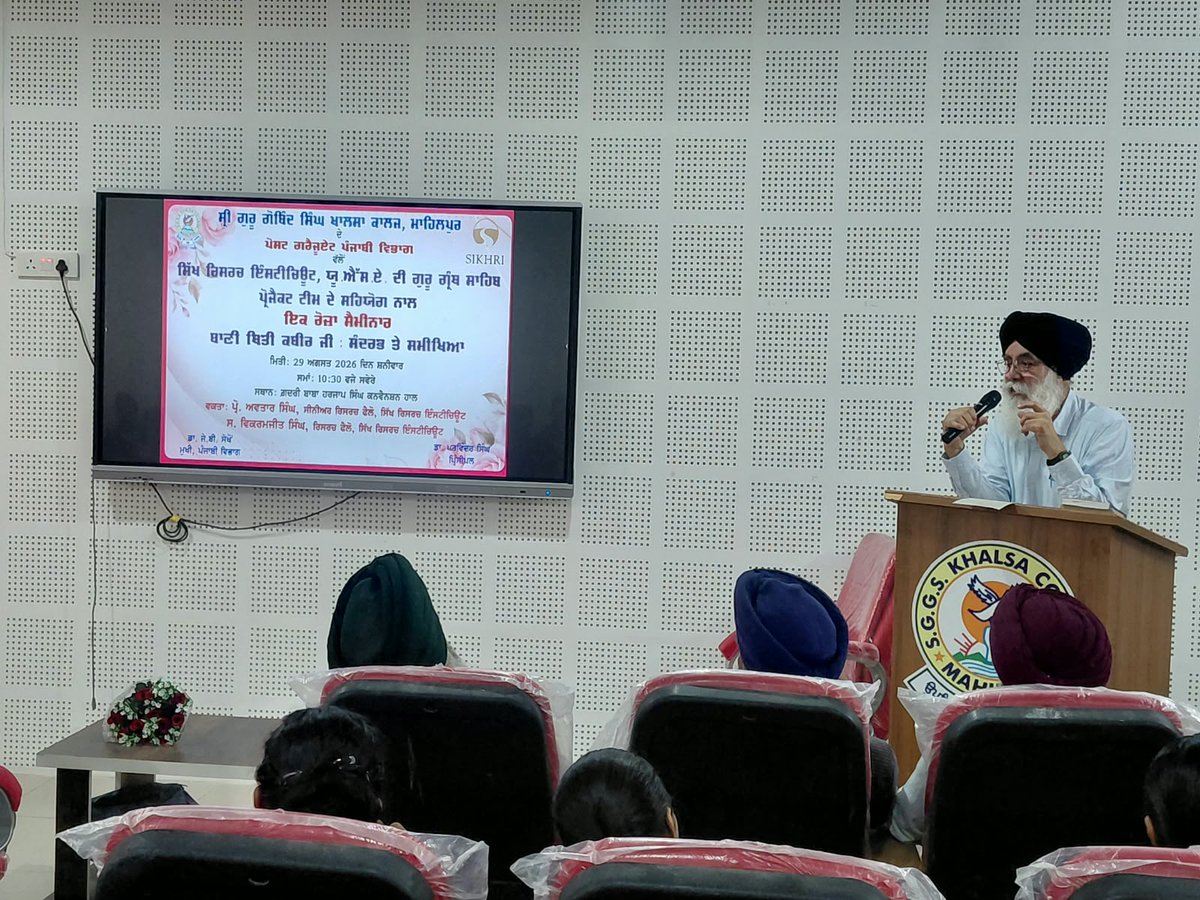
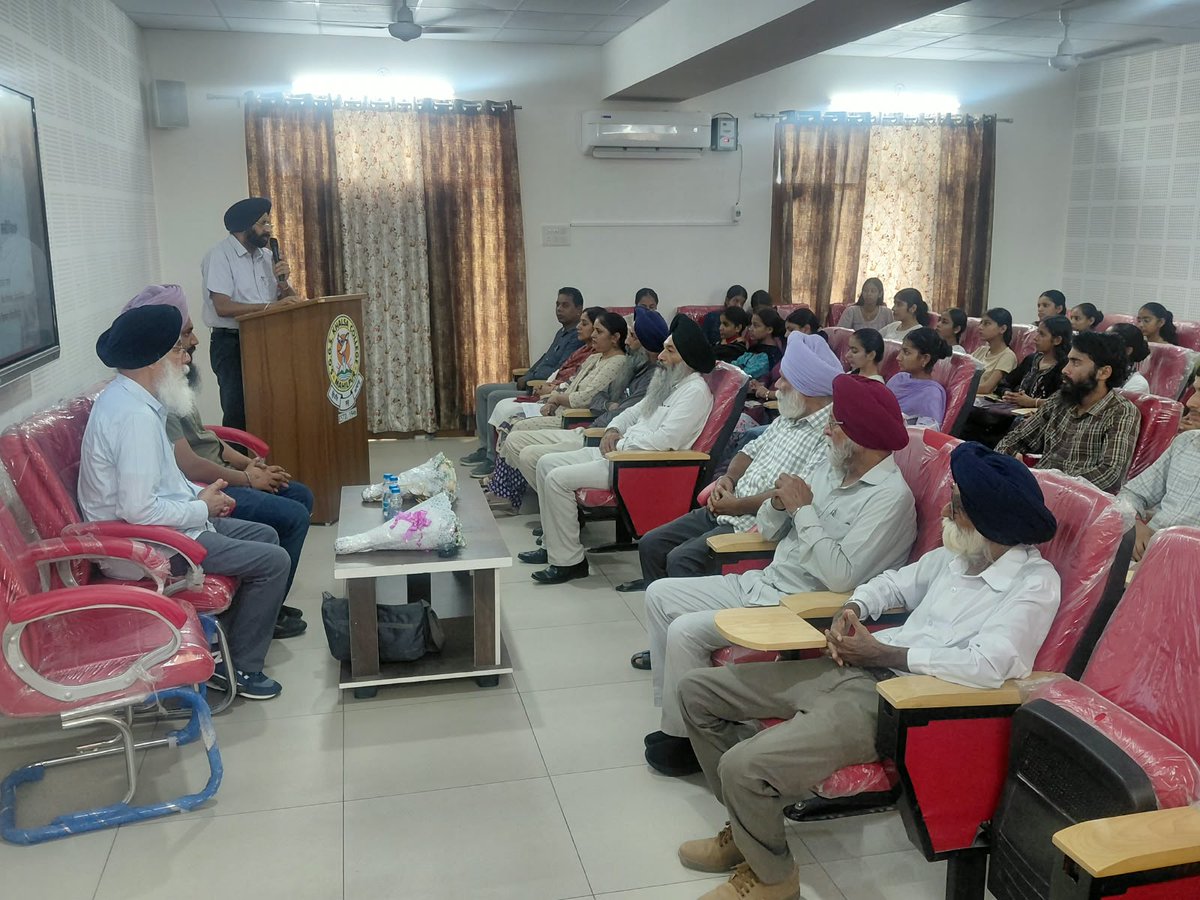
On August 29, Guru Gobind Singh Khalsa College, Mahilpur (Hoshiarpur, Panjab), in collaboration with The Guru Granth Sahib Project (@tggsproject) of Sikh Research Institute (SikhRI), hosted a seminar on Bhagat Kabir Ji’s Bani, Thiti (Kabir Ji).
The seminar brought together students, faculty, and community members to explore the literary, academic, and interpretive dimensions of Thiti. Vikramjit Singh (@Vikramjittihara), Research Associate with The Guru Granth Sahib Project, presented research on the Bani, while Senior Research Fellow Avtar Singh shared additional scholarly perspectives.
The program offered students an opportunity to engage with Gurbani beyond the conventional classroom and syllabus, demonstrating how research can deepen our understanding of its literary and intellectual dimensions.
We are grateful to Guru Gobind Singh Khalsa College, the speakers, faculty, students, and community members for making this meaningful academic exchange possible.
Learn more: https://t.co/1gDPguXvem
#Seminar #BhagatKabirJi #Thiti #Gurbani #GuruGranthSahib #TheGuruGranthSahibProject #SikhRI
What does “Sikh” mean?
When we look at the two meanings as they existed at the time (in Sanskrit and in Pali) and incorporate them into what we now call Sikhi, it actually means learners who are of the Guru. Guru is a mentor, Guru in Sikhi is Perfection. A Sikh then becomes someone who is modelling their life as the Gurus lived it on earth.
Watch: https://t.co/PYEGC87J7f
Submit your questions to us at https://t.co/GBz5XuFN8B
Ask SikhRI is completely anonymous; it doesn’t require your name or contact information.
#AskSikhRI #Sikhi #Wisdom #YouTube #SikhCommunity #Sikhs
Today in #Sikh History:
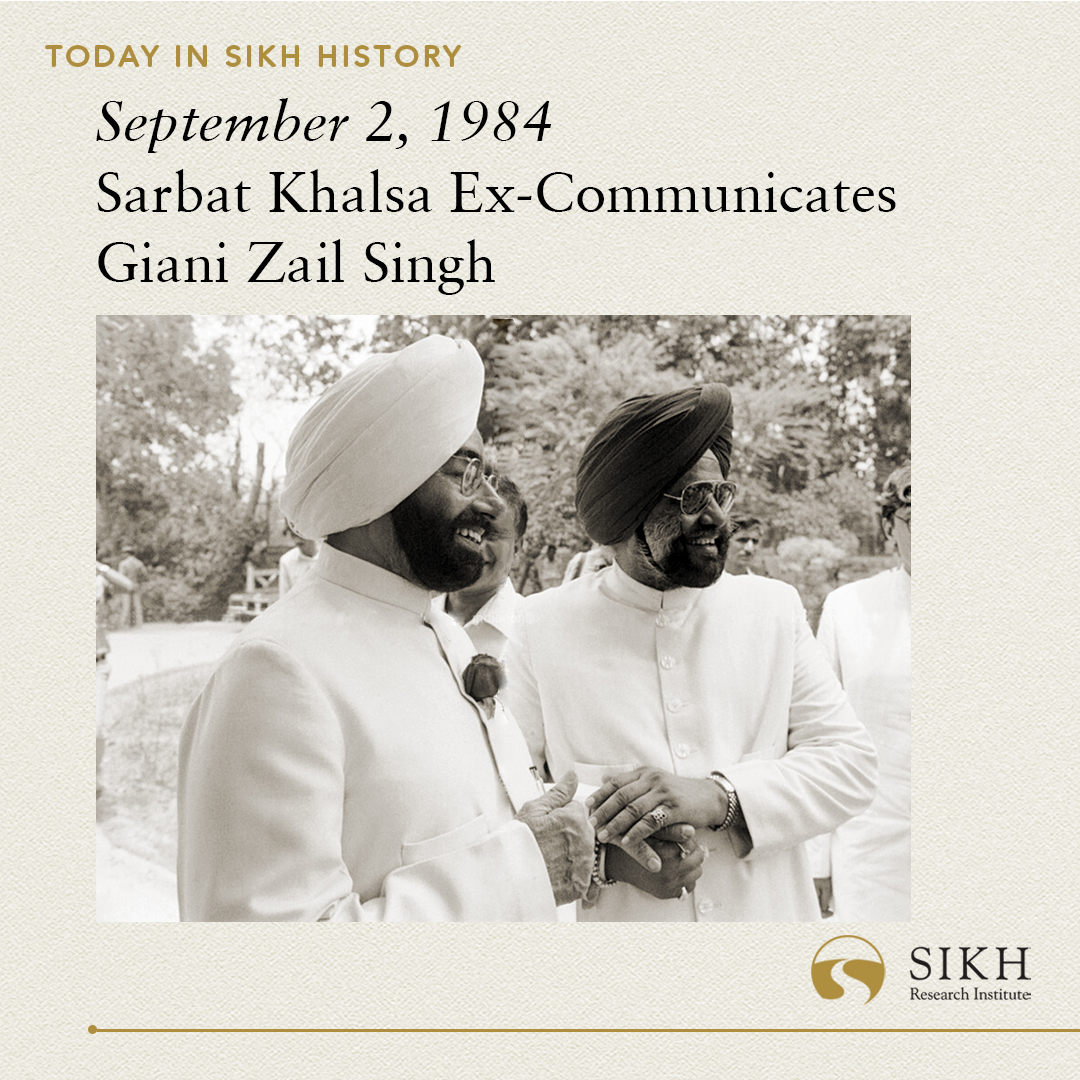
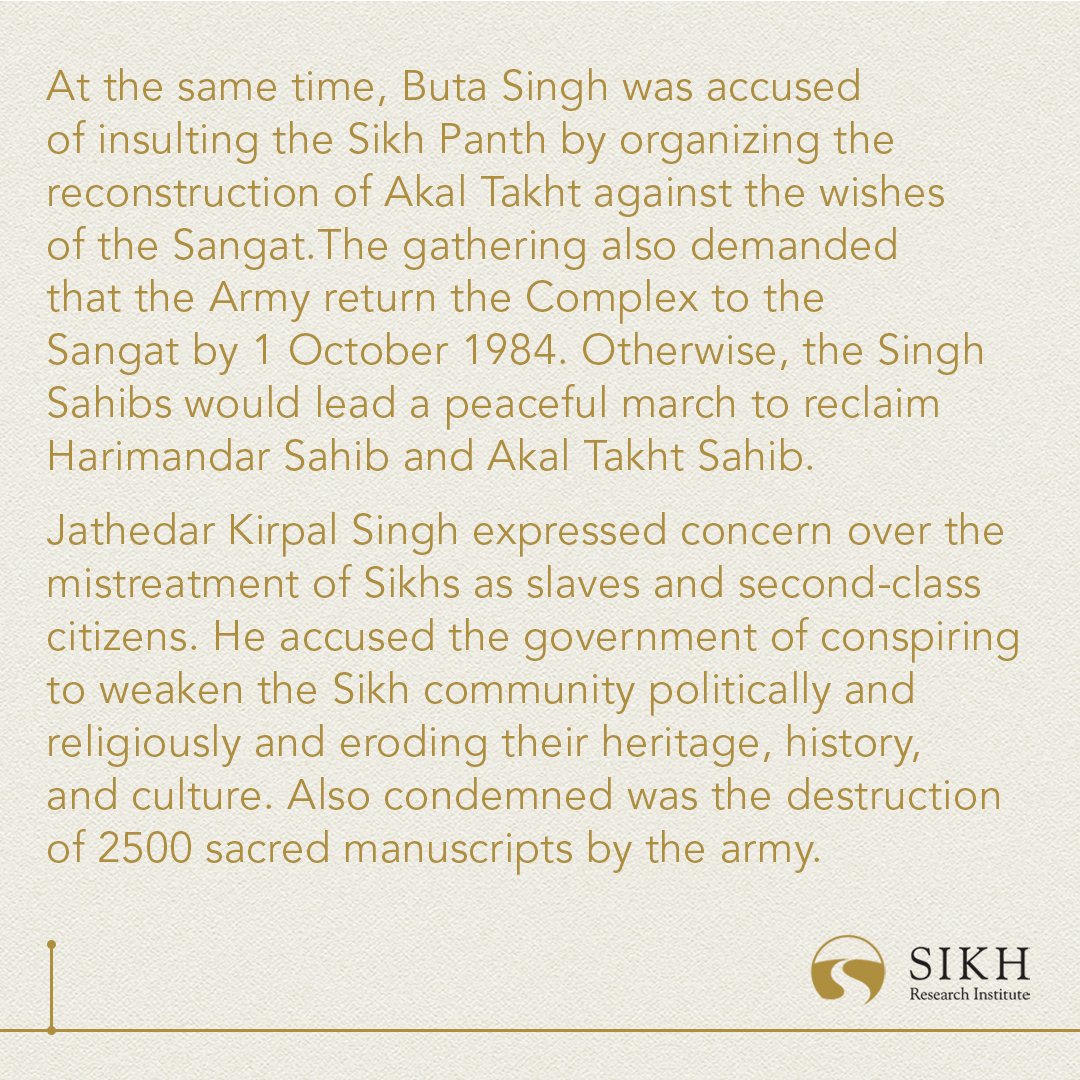
On this day in 1984, Sarbat Khalsa, also known as "Sarab Sansar Sikh Sammelan," was held at Shahid Baba Dip Singh Gurduara in Amritsar. The Panj Piare Singh Sahibs, including Jathedar of Akal Takht Giani Kirpal Singh and Head Granthi of Sri Harimandar Sahib, Giani Sahib Singh, declared the excommunication of Giani Zail Singh, President of India, and Buta Singh, the Union Minister. They were accused of acting against the interests of the Sikh community during the Battle of Amritsar in 1984. Zail Singh was held responsible for desecrating Harimandar Sahib and destroying Akal Takht Sahib as the head of the Indian state. At the same time, Buta Singh was accused of insulting the Sikh Panth by organizing the reconstruction of Akal Takht against the wishes of the Sangat.
The gathering also demanded that the Army return the Complex to the Sangat by 1 October 1984. Otherwise, the Singh Sahibs would lead a peaceful march to reclaim Harimandar Sahib and Akal Takht Sahib. Jathedar Kirpal Singh expressed concern over the mistreatment of Sikhs as slaves and second-class citizens. He accused the government of conspiring to weaken the Sikh community politically and religiously and eroding their heritage, history, and culture. Also condemned was the destruction of 2500 sacred manuscripts by the army.
The Singh Sahibs requested the presence of observers from the Human Rights Commission and Amnesty International to document government abuses against Sikhs. They criticized the misuse of the National Security Act, which labeled all Sikhs as extremists and secessionists. The previous excommunication of Santa Singh was reaffirmed, and the gathering condemned the unjust treatment of Sikhs outside Panjab. They also criticized the government for preventing Sikhs worldwide from attending the gathering. The resolutions passed in the Congress supporting “Sarbat Khalsa” of 11 August 1984 were denounced. In total, nine resolutions were passed at the gathering.
#TodayInHistory #India #Punjab #Panjab #SikhHistory
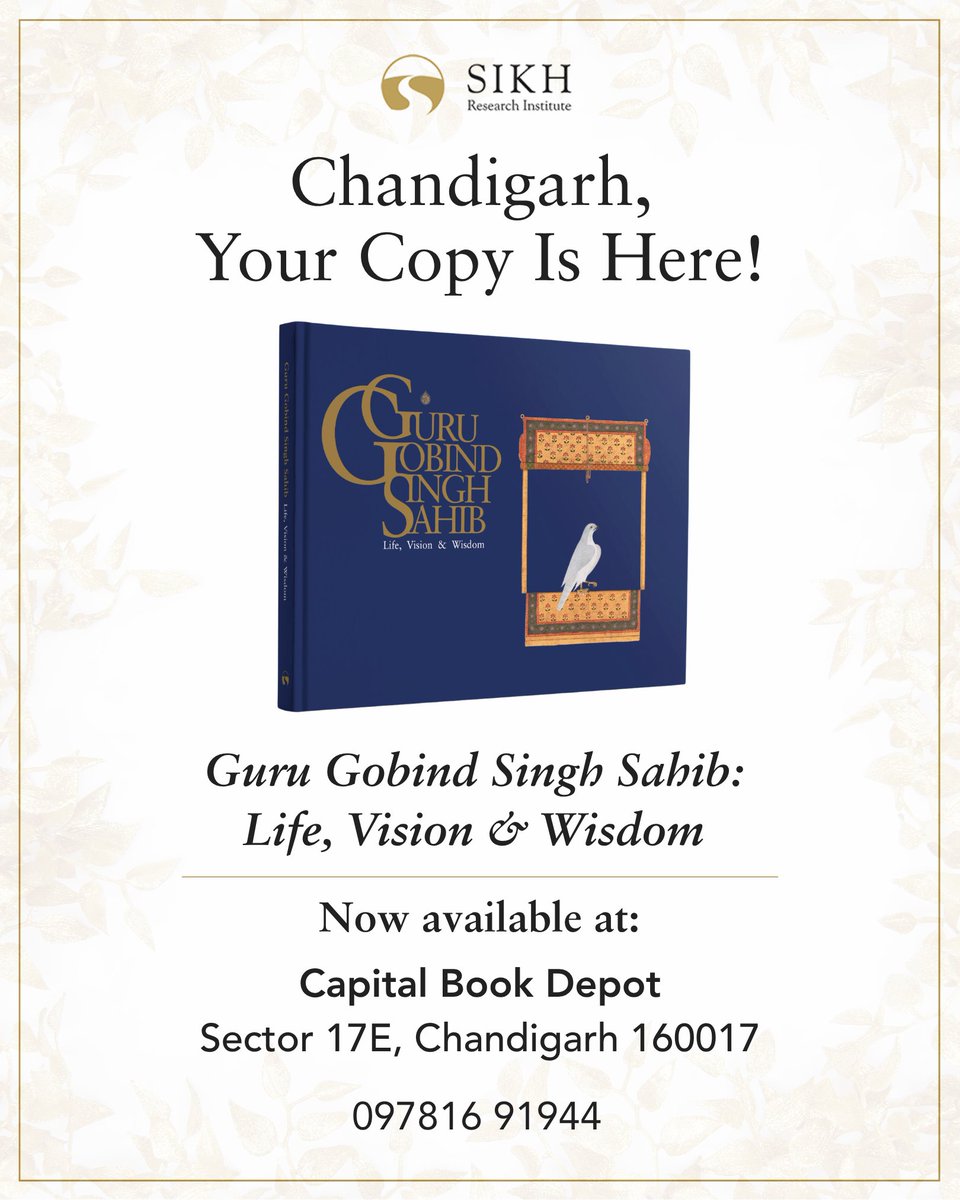
Chandigarh, your copy is here!
Guru Gobind Singh Sahib: Life, Vision & Wisdom is now available at:
📍 Capital Book Depot, Sector 17E, Chandigarh
📞 097816 91944
Through Sabad Hajare, the voices of Bhai Nand Lal Goya & Chandra Sain Sainapati, and original art, this book offers a fresh reflection on Guru Gobind Singh Sahib’s sovereignty, aesthetics, and timeless wisdom.
Get your copy and engage with the life, vision, and wisdom of Guru Gobind Singh Sahib.
Learn more about the book: https://t.co/MucdRRyKRg
#GuruGobindSinghSahib #SikhRI #SabadHajare #BhaiNandLalGoya #ChandraSainSainapati #SikhHistory #SikhWisdom #SikhBooks #Chandigarh #Panjab
Today in #Sikh History:
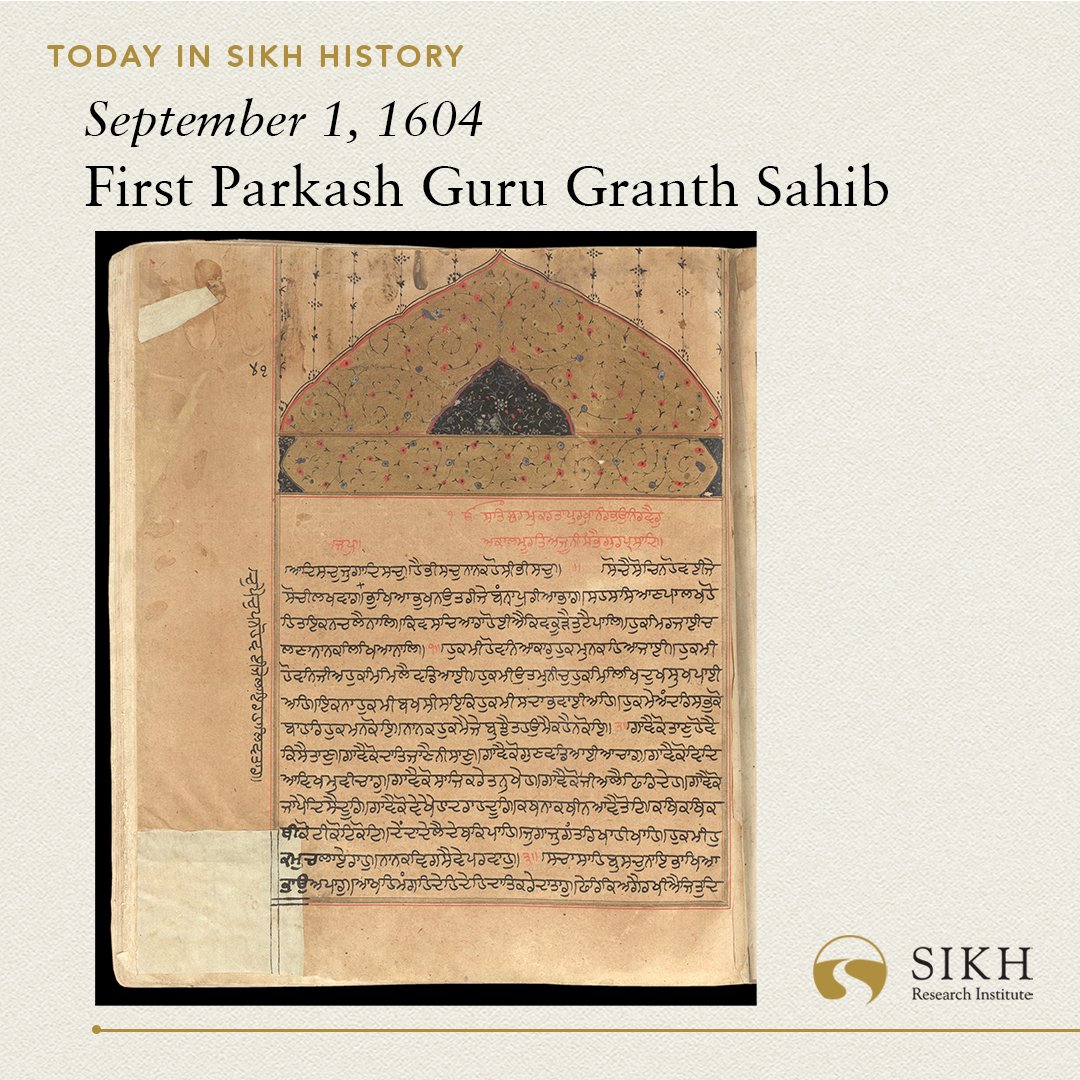
The entire team at the Sikh Research Institute (SikhRI) joins the global Sikh community in celebrating the first Prakash Purab, Illumination Day of Guru Granth Sahib.
Four hundred and eighteen years ago today, the Adi Granth was installed and ceremoniously opened in Sri Harimandar Sahib, Amritsar. On the instruction of Guru Arjan Sahib (Nanak V), Baba Budha (c.1506-1631), the first granthi (one who knows the Granth), opened the Adi Granth Sahib and shared the first Hukam (Command).
#TodayInHistory #India #Punjab #Panjab #SikhHistory
The Guru Granth Sahib is a treasure trove of Sabad-Wisdom. The Sabad is full of beauty, music, poetry, and emotion. The Sabads are love-songs for the Beautiful One, with the power to transform ordinary beings into divine-like beings. On this significant day, let us invite the Sabad-Wisdom into our lives and dwell in the One’s presence.
#PrakashPurab #GuruGranthSahib
The SikhRI team extends heartfelt greetings on the first Prakash Purab of Guru Granth Sahib—an occasion of profound historical significance that continues to illuminate, inspire, and guide us.
#GuruGranthSahibJi#Sikhi#Wisdom
@tggsproject#WordoftheDay
ਨਰਾਇਣੋ
Narayan | Popular Spelling
narāiṇo | Transcription
Literally, 'the all-pervading Primordial Being.' In the Guru Granth Sahib, it is used as a synonym for IkOankar (the Divine).
Learn More: https://t.co/emVrChQP9S
#GuruGranthSahib #GuruGranthSahibJi #Sikhi #Sikh #SikhiDaily #Waheguru
Guru Angad Sahib developed the early Sikh community by establishing institutions that nurtured the whole person. Through the standardization of Gurmukhi and the promotion of literacy, Guru Sahib empowered ordinary people to engage directly with Bani while fostering the intellectual foundations for social and political change.
Alongside Mata Khivi, Guru Sahib strengthened the institution of langar, making equality a lived reality through shared meals and seva. By establishing wrestling akharas, Guru Sahib also emphasized physical discipline and resilience. Together, these institutions formed the Sikh mind, body, and community, laying the foundations for the later development of Miri Piri and the Khalsa.
Author: Santbir Singh
Continue reading: https://t.co/zSKrxiQgoS
#Gurmukhi #Bani #GuruGranthSahib #GuruGranthSahibJi #SikhRIArticle #SikhCommunity #Sikhs #Reading #Community #Sikhi #GuruAngad #GuruAngadDevJi #GuruAngadDev #GuruAngadSahib
In the thirty-third couplet, Guru Nanak Sahib delivers a message through the letter ੜ (‘ṛāṛā’) and asks, O being! Why do you quarrel?
This salok warns against endless arguments that arise from trying to prove one's knowledge or learning. These disputes come and go, distracting us from what truly matters. Instead, we are urged to contemplate IkOankar (the Divine), the Eternal One, and devote ourselves to remembrance of the Eternal. This salok invites us to trade these temporary quarrels for a lasting connection with the Eternal One.
Will we internalize this teaching and redirect our time and energy toward the Eternal rather than fleeting conflicts?
Explore Patti (Mahala 1): https://t.co/B2d676r9PT
@tggsproject #Sikhi #Wisdom #GuruGranthSahib #IkOnkar #GuruGranthSahibJi #SikhCommunity #GuruGranthSahibBani
Today in #Sikh History:
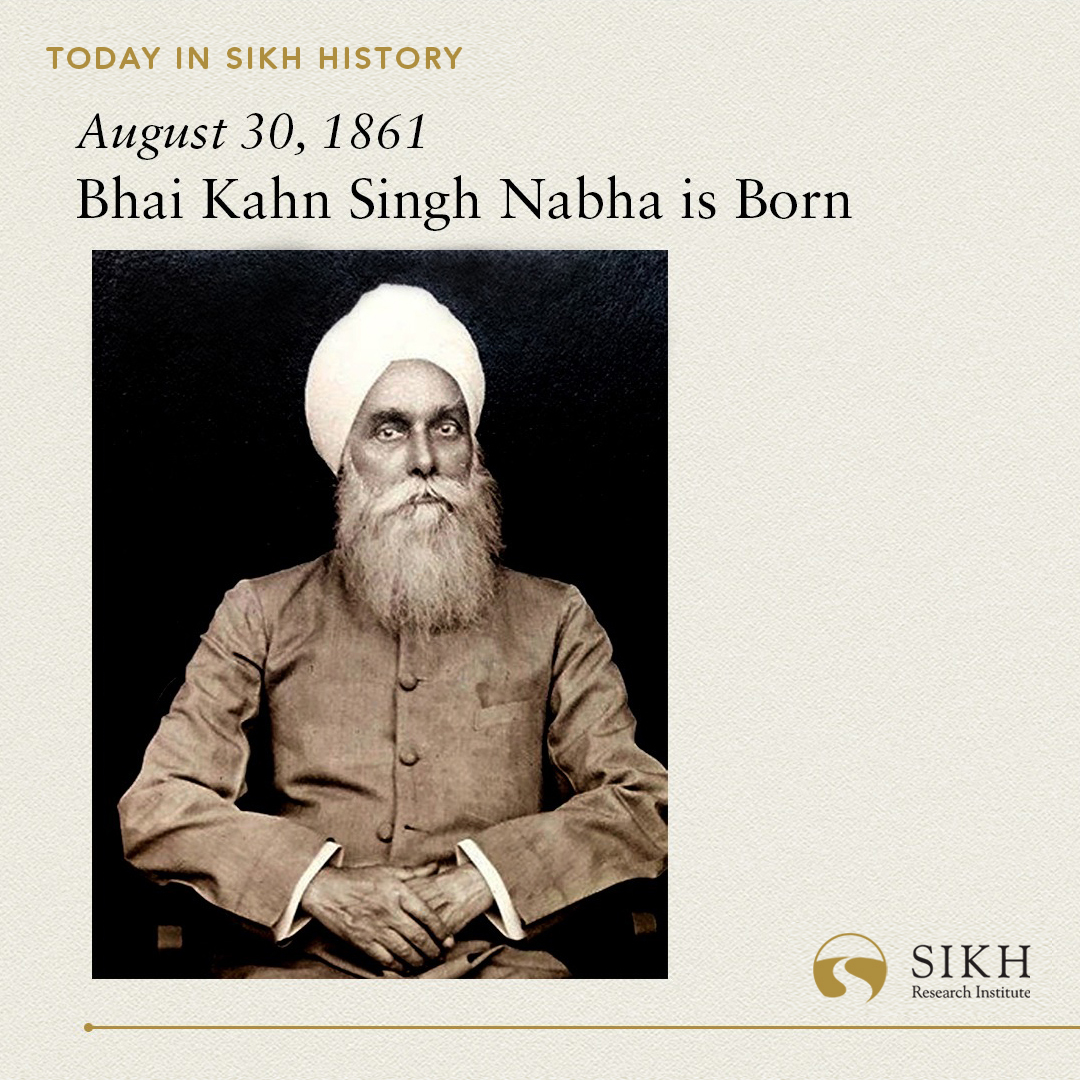
The celebrated Sikh scholar and writer Bhai Kahn Singh Nabha was born. He was a person of letters, a great lexicographer, and an encyclopedist. In addition to being well-versed in Gurmukhi, he had extensive knowledge of Sanskrit classics, musicology, and Persian texts. He also served as the tutor to Tikka Ripudaman Singh, the heir apparent of the Nabha state.
Watch more: https://t.co/Nqpdqg1C6U
#TodayInHistory #India #Punjab #Panjab #SikhHistory
Today in #Sikh History:
The Shiromani Gurdwara Parbandhak Committee (SGPC), the highest religious governing body of Sikhs headed by Baba Kharak Singh, endorsed a policy of non-cooperation with the British government. In November 1921-22, he successfully led the first Morcha (agitation) against the British government. This agitation is known as the Chabian da Morcha (Agitation for the Keys).
#TodayInHistory #India #Punjab #Panjab #SikhHistory
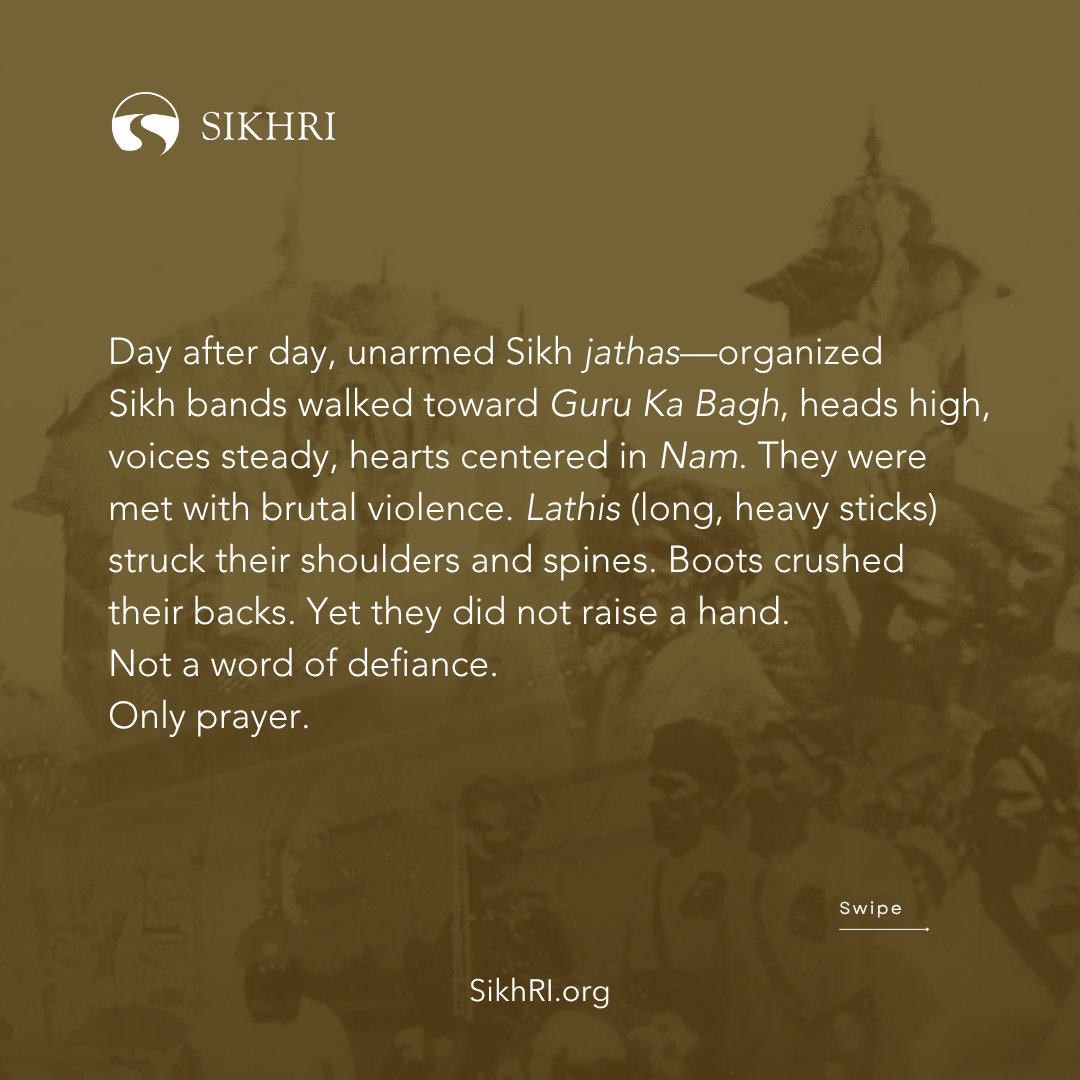
One such moment unfolded in the dust of Guru Ka Bagh, where bare feet met brutal batons, and still, the lips whispered Sabad, the Infinite Wisdom. Still, the heart remained immersed in Nam—Identification with the One.
#SikhCommunity#SikhHistory