“-¿Ya murió? ¿Y de qué?
-No lo supe. Tal vez de tristeza. Suspiraba mucho.
-Eso es malo. Cada suspiro es como un sorbo de vida del que uno se deshace.”
— Juan Rulfo, Pedro Páramo.
Iranian hairstylist Ami Moghadam received death threats for posting videos of women receiving haircuts on Instagram.
So she decided to troll the Islamic Regime and their oppressive mandatory hijab laws in the most epic, hilarious way possible. 😂
Borges y Sabato hablan sobre el final del Quijote:
Sabato: Tal vez yo sea excesivamente sentimental. Pero quiero que me diga si alguna vez no se le cayeron lágrimas leyendo el Quijote.
Borges: (Como si mirase hacia un lugar muy lejano para nosotros.) Sí, sobre todo en esa parte cuando vuelven a la aldea. Es muy triste. Una vez, en la Biblioteca Nacional, di una conferencia y comenté el último capítulo del libro. Mi sobrino Luis leía un párrafo y yo opinaba. Hubo un momento, sobre todo cuando dice: “Alonso Quijano, entre lágrimas y quejas de quienes lo rodeaban, dio su espíritu, quiero decir que se murió”, que me llenó de congoja. (Como si se hubiera quedado inmerso en esa frase, en ese instante, Borges repite: “quiero decir que se murió”.) Cuando yo era un muchacho sentía que en esa circunstancia en que se moría su personaje, Cervantes debía haber puesto una gran frase. Sin embargo, él no la usa. Se ha muerto su amigo y simplemente escribe “quiero decir que se murió”.
Sabato: Eso es lo que parecería ser “escribir bien”.
Borges: Seguro que Cervantes nunca se dio cuenta de que escribía bien. Pero eso no nos importa, en esa frase está sellada la emoción del autor. En cambio, cuando Hamlet dice The rest is silence, “Lo demás es silencio”, uno siente una íntima indiferencia en Shakespeare.
[Diálogos de Borges y Sabato
Compilados por Orlando Barone
1974-1975]
"In the midst of this overwhelming sunset, the image of Hatsumi flashed into my mind, and in that moment I understood what the tremor of the heart had been. It was a kind of childhood longing that had always remained -and would for ever remain- unfulfilled." Murakami
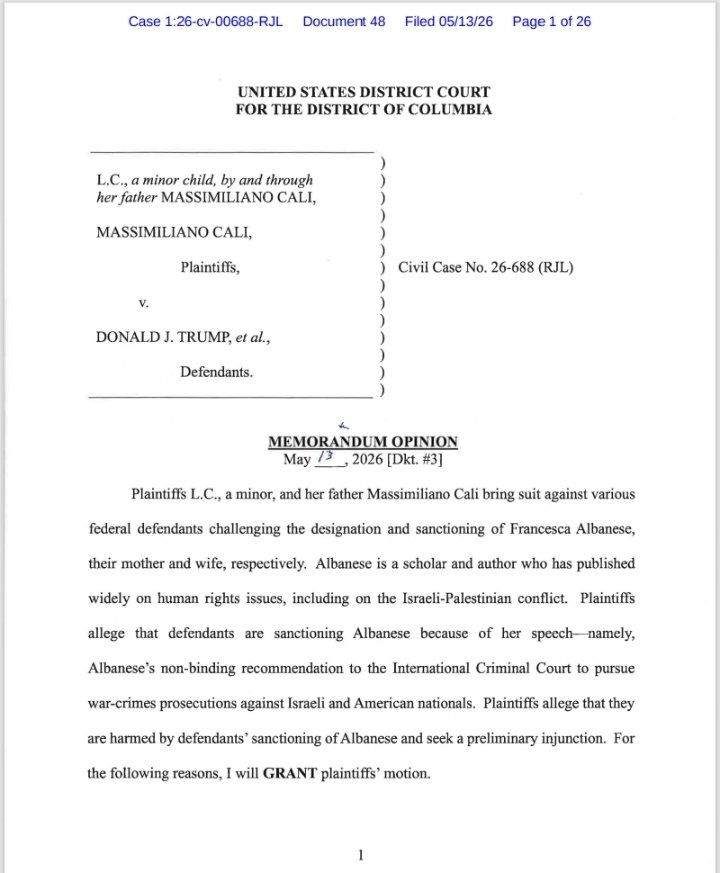
BREAKING! US court ha suspended the US sanctions against me!
As the judge says: "Protecting the Freedom of speech is always just the public interest".
Thanks to my daughter and my husband for stepping up to defend me, and everyone who has helped so far.
Together we are One.
Highlights from our conversation:
• “The history of our species shows a pattern of mistaking the limits of the known for the limits of the knowable.”
• “I don’t subscribe to the tortured genius myth. I don’t think it’s necessary to suffer in order to create. However, I believe that from our suffering comes the restlessness to find meaning, beauty, and wonder.”
• “Diaries are worth reading because they’re a record of how somebody pays attention.”
• “I started writing to figure out how to live, and I still do it for the same reason 20 years later.”
• Can AI make art? Maria says: “All writing that is truly moving is born of feeling and time. AI has neither; it’s an instantaneous, unfeeling delivery of pure information.”
• “AI will never possess genuine feeling; it will only have a simulacrum of it. Even if you attempt to make it suffer by writing a command to execute failure, it will already be succeeding at executing that failure. It will never understand what it means to collide with its own impossibility.”
• “We have reduced creative work and cultural matter to what we call ‘content,’ which presumes a container. The container is advertising.”
• “I do not agree with Keats, who accused Newton of ‘unweaving the rainbow.’ I think science deepens, brightens, and magnifies our appreciation of the phenomena around us.”
• “Poetry opens these back doors of consciousness, giving us access to our own experience, particularly to regions we can’t quite name or comprehend with the analytical mind.”
• “If you’re not a little embarrassed of who you were and how you lived, perhaps the process of growth isn’t quite working.”
• “Language tells thought how to move, and thought tells language how to bend.”
• On walking and writing: “I’ve written almost everything on foot, and then what I do at the keyboard is transcription.”
• “I don’t believe in epiphany. I believe in incremental revelation.”
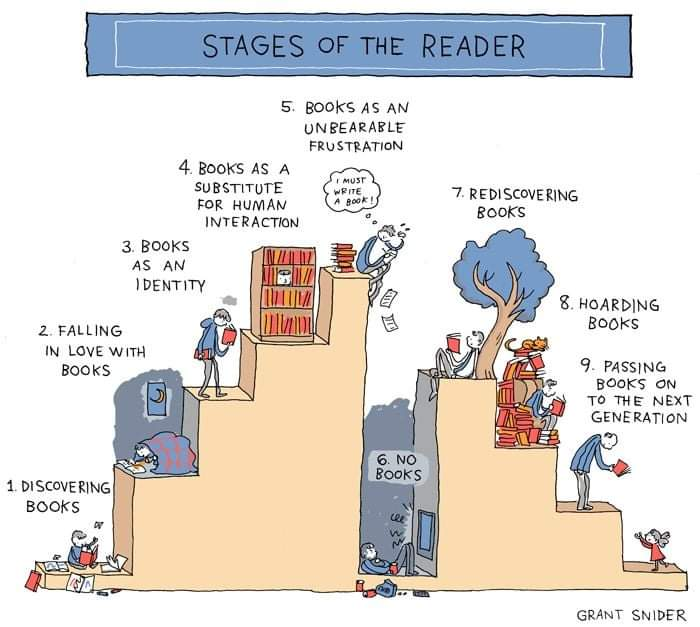
@elenadesaa1999 Los libros en papel, diría yo de "carne y hueso". Los subrayo, doblo, hago anotaciones, pongo la fecha cuando termino de leerlos. Me acompañan y tranquilizan. No hay Kindle o iPad que me procure tal connivencia.


![knbaraldi's tweet photo. Borges y Sabato hablan sobre el final del Quijote:
Sabato: Tal vez yo sea excesivamente sentimental. Pero quiero que me diga si alguna vez no se le cayeron lágrimas leyendo el Quijote.
Borges: (Como si mirase hacia un lugar muy lejano para nosotros.) Sí, sobre todo en esa parte cuando vuelven a la aldea. Es muy triste. Una vez, en la Biblioteca Nacional, di una conferencia y comenté el último capítulo del libro. Mi sobrino Luis leía un párrafo y yo opinaba. Hubo un momento, sobre todo cuando dice: “Alonso Quijano, entre lágrimas y quejas de quienes lo rodeaban, dio su espíritu, quiero decir que se murió”, que me llenó de congoja. (Como si se hubiera quedado inmerso en esa frase, en ese instante, Borges repite: “quiero decir que se murió”.) Cuando yo era un muchacho sentía que en esa circunstancia en que se moría su personaje, Cervantes debía haber puesto una gran frase. Sin embargo, él no la usa. Se ha muerto su amigo y simplemente escribe “quiero decir que se murió”.
Sabato: Eso es lo que parecería ser “escribir bien”.
Borges: Seguro que Cervantes nunca se dio cuenta de que escribía bien. Pero eso no nos importa, en esa frase está sellada la emoción del autor. En cambio, cuando Hamlet dice The rest is silence, “Lo demás es silencio”, uno siente una íntima indiferencia en Shakespeare.
[Diálogos de Borges y Sabato
Compilados por Orlando Barone
1974-1975]](https://pbs.twimg.com/media/HJU8M4wXcAA4MxI.png)