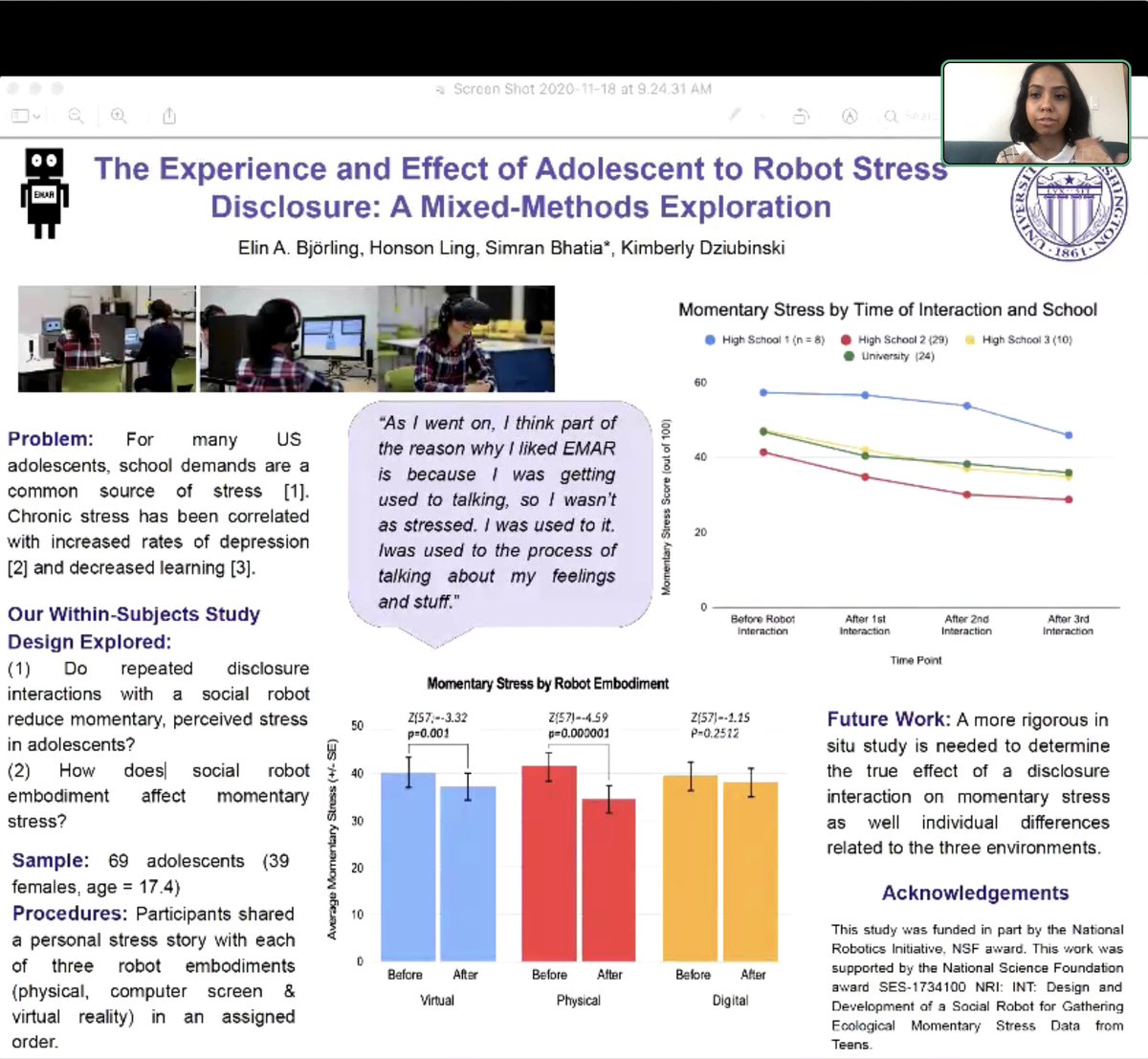
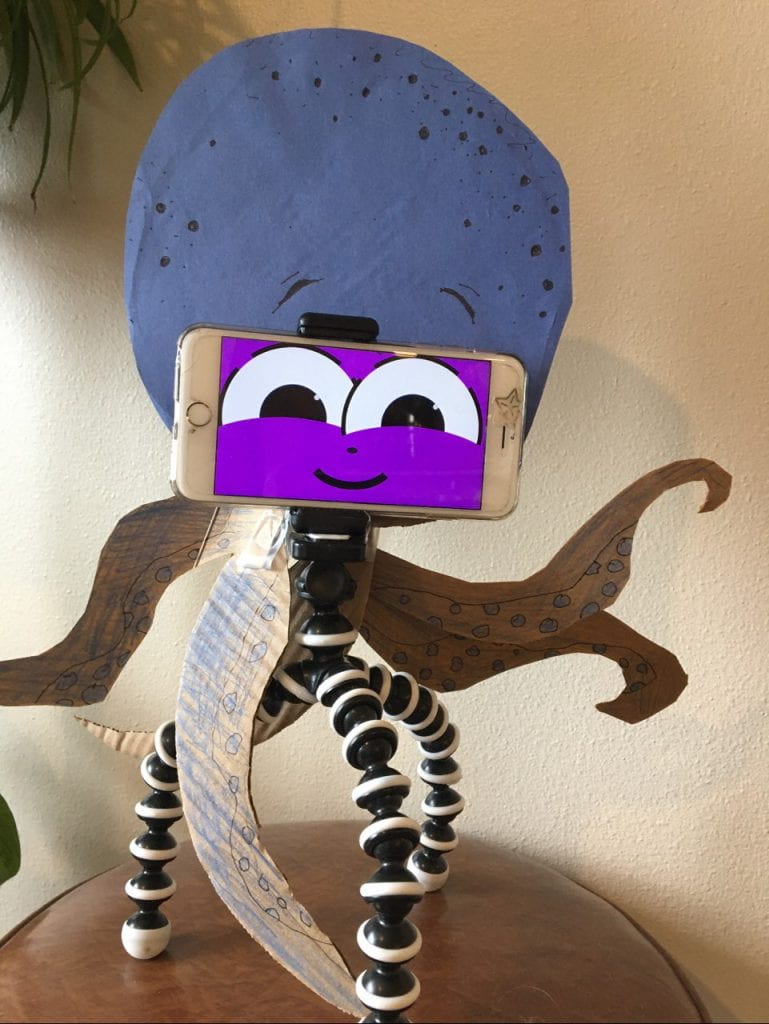
Finally our robot embodiment paper is out! LOTS of teens shared their stressors with @RobotEMAR in #VR, on a computer, and physically present. Guess which embodiment they preferred for this activity? https://t.co/k2NkWGO0MQ @ProjectEMAR@HonsonLing @jeffmatarrese @sim18ran
Had a lot of fun & awkwardness navigating my first *virtual* poster presentation. Thanks @elinbjorling and @RobotEMAR for giving me this awesome opportunity 🤖
Go Team EMAR! @sim18ran is doing a wonderful job presenting our new mixed-methods #stress paper at #ICSR2020 ! This @ProjectEMAR paper is the result of a few long nights of analysis and hardworking students @HonsonLing https://t.co/Jh1e70osc8
There is a misconception that famous researchers in ML are innately brilliant.
Most well known researchers I meet are not. They are smart. But the dominant traits are perseverance and sense of research agenda. They pursue interesting questions and are willing to fail doing so.
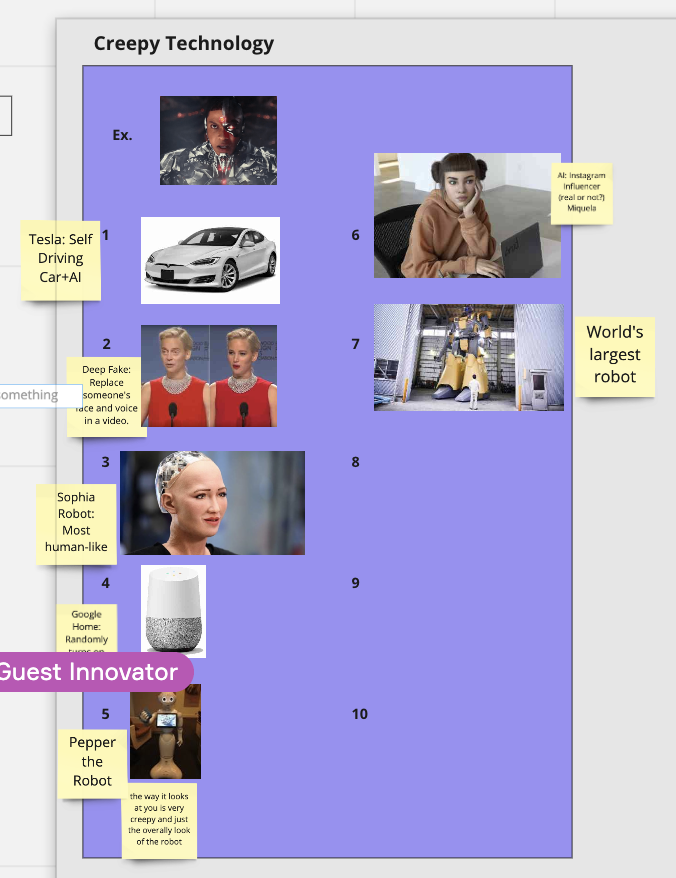
Talking about robot creepiness with #teens for @ProjectEMAR - Regarding a security robot, an 18 year old, female teen shared, “Human police are making mistakes all the time, I might be more comfortable being confronted by a robot police person.”
Today @sim18ran and I talked with #teens about what technologies are creepy and why for @ProjectEMAR creepiness study. I am always amazed at what teens have to say and how they think. Today is no exception.
Any #teens (13-18) out there looking for something fun to do? @ProjectEMAR team is looking for teen collaborators to help us better understand what makes a social #robot creepy. Join our online project! https://t.co/gBOYAiMZ7E
7/9 This is the heart of Simpson's paradox. If you pool data without regard to the underlying causality, you'll get erroneous results. https://t.co/lbPJF3A8WP