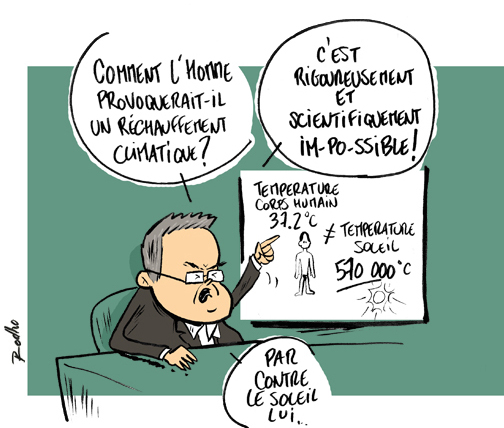
Le réchauffement climatique anthropique est une réalité, oui mais sauriez vous dire pourquoi ? 🌍🌡
C’est parti pour un fil en 3 grandes parties qui expose les principaux éléments de réponse 👇
En démocratie, on débat des opinions, pas des faits, justement parce que les faits ne sont pas des opinions.
Expliquer les faits, ce n’est pas en débattre. C’est « éclairer » le citoyen pour qu’il forge son opinion et décide librement.
C’est ça, le pari de la démocratie.
👇
Nouvelle vidéo sur la chaîne qui fait l’analyse critique de l’idée que notre cerveau nous pousserait à des comportements destructeurs de l’environnement.
Est-ce que notre cerveau nous pousse à la consommation ? Si oui, peut-on y faire quelque chose ?
https://t.co/q8ZHKUBAQt
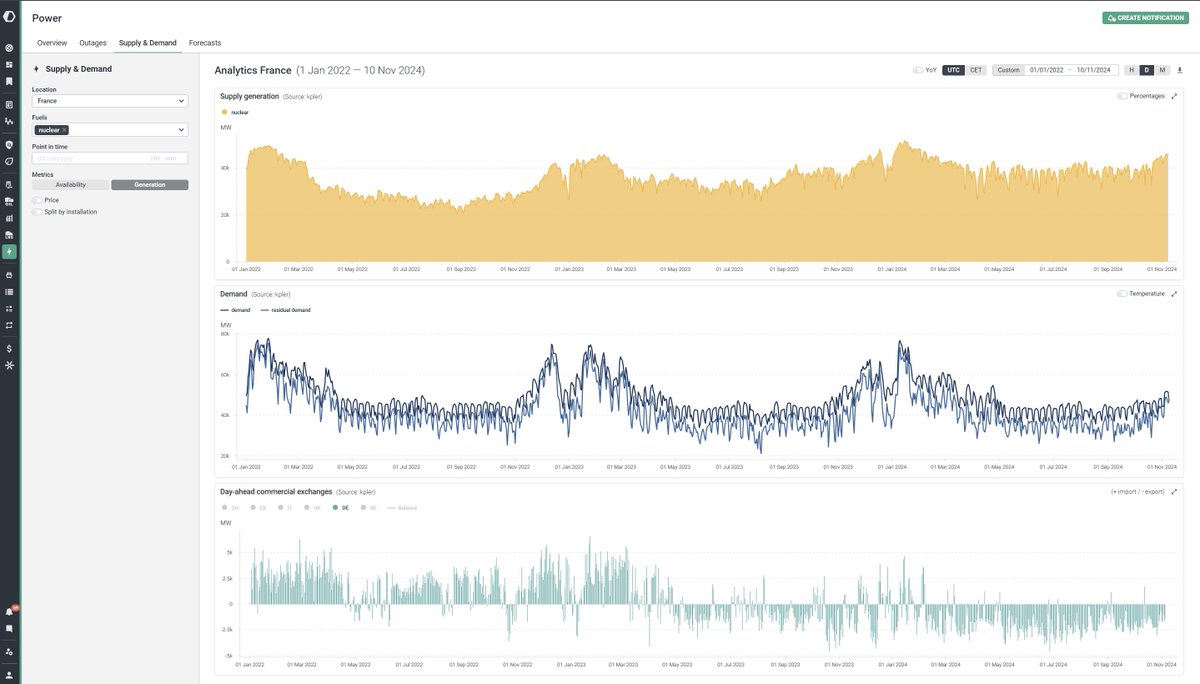
Le modèle énergétique allemand, sa sortie du nucléaire ne sont pas exempts de critiques. Mais voir certains leur tomber dessus, alors qu’ils nous ont littéralement sauvé la mise il y a 2 ans à coup de GW exportés vers la France : un triste spectacle
Mémoire court ou dogmatisme ?
L'empreinte carbone de la France a baissé de 4,1% en 2023.
C'est le chiffre publié aujourd'hui par le SDES et l'INSEE.
Mini 🧶avec qqs conclusions de cette publication.
https://t.co/TFNv3IeGdN
Incredible stat:
A single container ship of solar panels can provide as much electricity as more than 50 large LNG tankers of gas – or 100 large coal ships
There's many more insights in IEA Energy Technology Perspectives 2024 – here's a selection 🧵
1/7
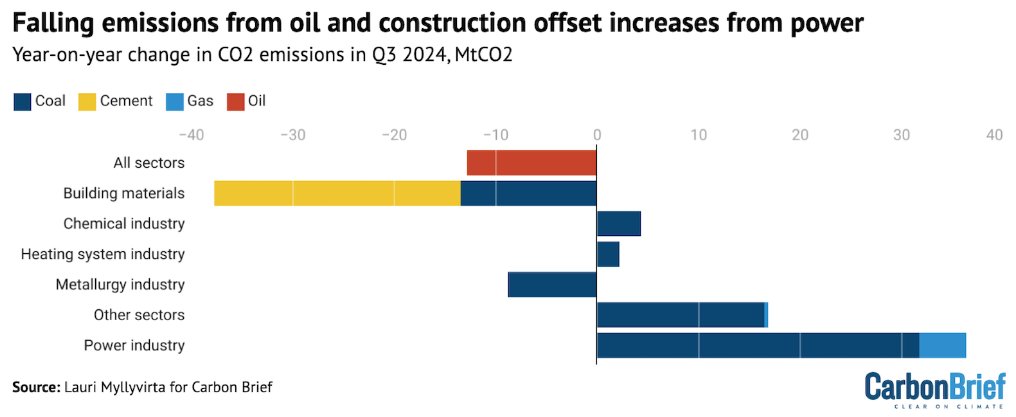
NEW from me: China's CO2 emissions posted zero growth in the third quarter, despite a rebound in coal power generation.
China saw a sharp increase in power demand caused by late-summer heatwaves. Yet total CO2 emissions didn't increase due to rapid growth in clean power generation, which mitigated power sector emission growth, while emissions fell sharply in the steel, cement and freight sectors, affected by the ongoing contraction in construction activity, and gas demand outside the power sector stagnated.
Solar power generation, in particular, increased 44% year-on-year, as China is on track to increase power generation from solar this year by more than the total solar power generation of the U.S. Wind power generation grew by 24%
It's however still uncertain whether emissions will increase or decrease in the full year 2024 compared with the previous year. Emissions need to fall by at least 2% in the last quarter in order for full-year emissions to decline compared with 2023, a drop that will likely be realized if power demand growth cools down as expected and hydropower performs in line with historical average.
The rate of clean energy additions has continued to increase further in 2024, after explosive growth in 2023. Yet, emissions haven't fallen as much as I expected after the rebound from zero-Covid ended in March. Energy consumption growth has continued to exceed historical rates, a symptom of the government's manufacturing-focused economic strategy making the economy more energy-intensive.
Another concerning development was that the coal-to-chemicals industry received renewed political backing and coal consumption in the sector has risen by nearly a fifth in the year to date.
Increasing summertime temperatures and improved living standards are also driving unprecedentedly rapid increases in air conditioning power demand. In addition, hydropower generation has continued to underperform this year compared with historical averages, while recovering from last year's record-low availability caused by historic droughts.
Yet, looking at the whole summer period, whether taken as May-September or June-August, clean-energy expansion covered all of electricity demand growth.
The rapid clean energy growth, if maintained, paves the way for a sustained emissions decline. If the current downturn in China's emissions is sustained, with emissions falling in the second quarter and stable in the third quarter, that would open the door to the country beginning to reduce emissions much faster than its current commitments require.
This would have enormous significance for the global effort to avoid catastrophic climate change, as China's emissions growth has been the dominant factor pushing global emissions up for the past eight years since the signing of the Paris climate agreement.
Recent analyses of China's emission pathway find that the country can achieve very substantial emission reductions by 2035. We at @CREACleanAir projected a 30% reduction from current levels based on current clean energy growth and other positive trends and targets, while the @IEA World Energy Outlook found that China would achieve a 24% reduction following stated policies, rising to 45% following announced levels of ambition, including a consistent pathway to the country's carbon neutrality target.
However, China's policymakers are currently signaling low ambition for the new emission targets for 2030 and 2035 that they need to submit to the UN next year. It's vital that future targets reflect ongoing clean energy trends to avoid locking in lower ambitions.
Read the full article for a deeper look:
👉 https://t.co/ttT9wOoA0T
Pourquoi les luttes contre le changement climatique et contre l’effondrement de la biodiversité donnent-elles parfois l’impression d’être en concurrence l’une avec l’autre, pourquoi est-ce insensé ? Éléments de réponse dans Zéro Émission @franceinfo : 1/3 https://t.co/IOlewkkcvv
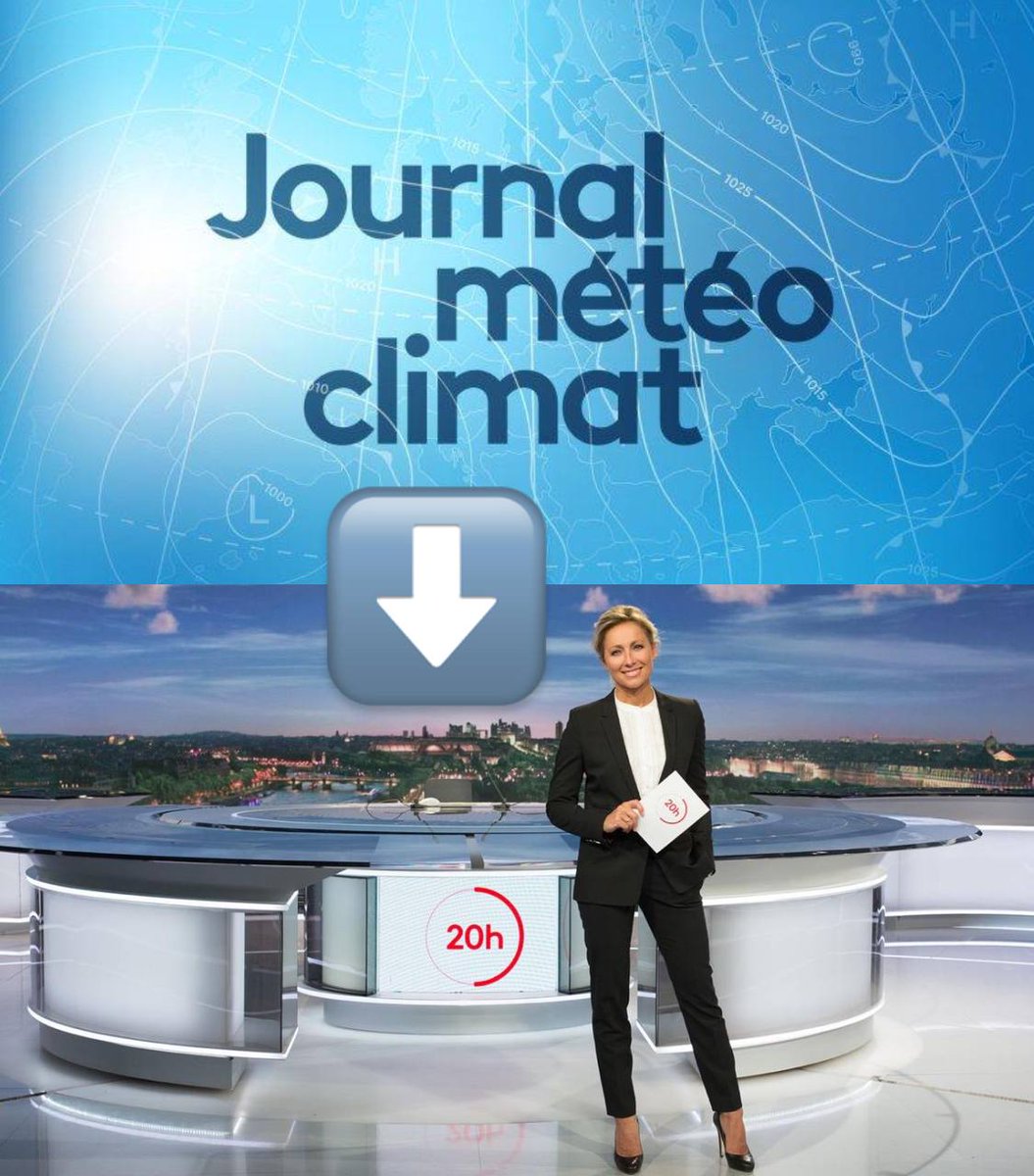
Lundi: Le #GIEC exagère.
Mardi: On est sous l’eau.
Mercredi: Trop de postes à MétéoFrance
Jeudi: Scandale, ils n’ont pas prévu.
Vendredi: Le ZAN, c’est mal.
Samedi: C’est la faute au ruissellement.
Vivement dimanche...
Tout mon soutien aux collègues de @meteofrance ❤️
#QuiAuraitPuPredire, le joker indigne!😡
L’impréparation et la maladaptation face aux risques climatiques sont des choix politiques.
Rejeter la faute sur les prévisions est non seulement fallacieux (elles furent correctes) mais immature&irresponsable pour un homme politique.
1/🧵
Les normes CO2 à respecter par les constructeurs automobiles en Europe déchaînent les passions depuis la rentrée.
Entre mouvement de panique, lobbying et fausses informations… qu’en est-il réellement de ce feuilleton des derniers jours ? ⤵️
J'ai eu l'honneur d'être invité par Jean-Philippe Decka dans son podcast Ozé dédié aux enjeux sociaux et environnementaux, sur le thème des modèles, scénarios et projections climatiques. Il est disponible sur toutes les plateformes d'écoute : https://t.co/ejnOeCjZzN
1/6
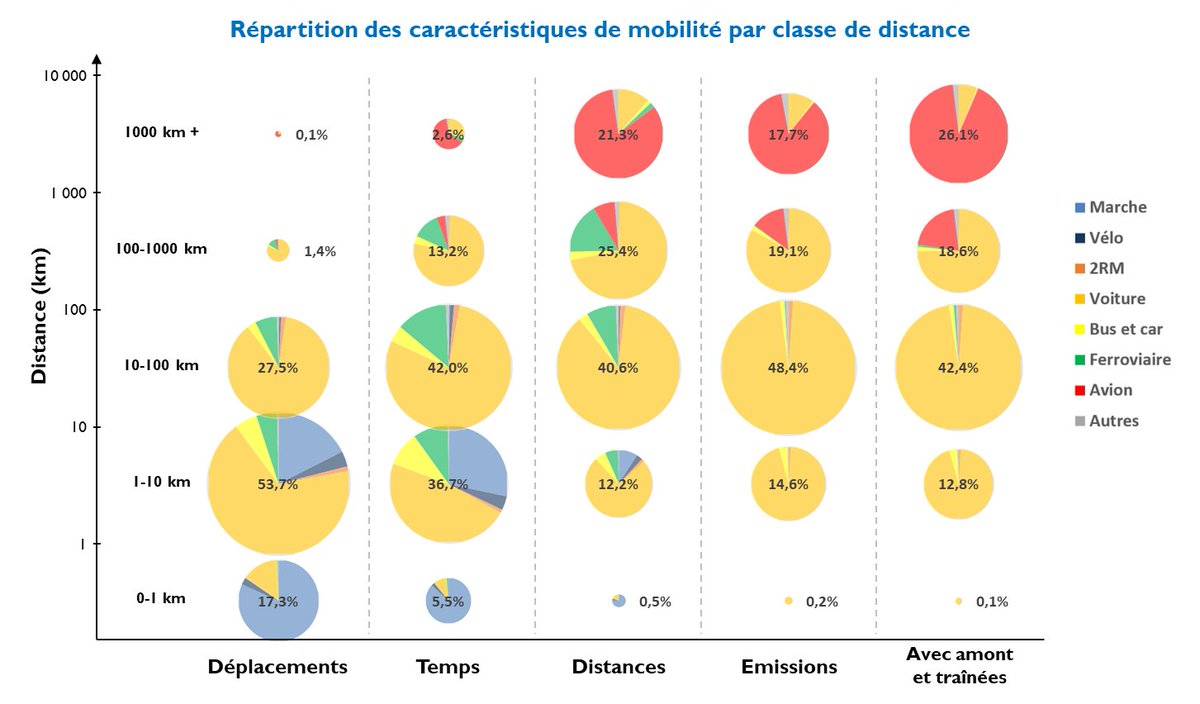
Comment se déplacent les Français ?
👉 Sur quelles distances de déplacement ?
👉 Avec quels modes de transport ?
👉 Quels chiffres en nombre de déplacements, en temps de transport, distances et émissions ?
C'est à ces questions que cherche à répondre ce graphique ⬇️
China's thermal (coal and gas) power generation fell 7% on year in June, accelerating from a 4% drop in May. Solar power continued to deliver most of power generation growth, and the recovery of hydropower from earlier droughts helped push fossil fuels down sharply.
Industrial emissions likely fell too, with cement production down 11% and iron production 3%. Steel products output grew 3%, showing that there was progress in increasing the share of recycled steel.
Crude oil processing volumes, an indicator of oil products consumption, also fell 4%.
The production of electric vehicles grew 37% while overall vehicle production was almost flat, raising the share of EVs to 39% of all vehicles produced.
Total energy consumption grew about 4.2% in the second quarter, while GDP grew 4.7%. The pattern of energy-intensive growth continues, with only a very modest drop in the energy intensity of GDP.
I will have a detailed analysis of the changes in emissions and power generation in a few weeks when the data is available, but it seems clear that the clean energy boom is finally bending China's emissions path.
[#LEvenement] Le Rassemblement National encore une fois seul contre tous sur la question énergétique.
Oui, les #éoliennes sont efficaces & indispensables à notre mix ⚡️ comme l’indiquent tous les experts qui travaillent à la gestion du réseau d'#électricité 🇫🇷
🧶 On déroule 👇
Ces derniers temps, les sujets énergétiques sont quelque peu maltraités dans les débats publics. Histoire de rajouter une couche à tous les fils du moment, quelques mises au point sur le marché et le prix de l’électricité dans ce fil 👇(1/18)
Prochains épisodes à venir sur le solaire, l’éolien, les véhicules électriques et peut être d’autres sujets en lien avec la transition énergétique. (18/18)
Ces derniers temps, les sujets énergétiques sont quelque peu maltraités dans les débats publics. Histoire de rajouter une couche à tous les fils du moment, quelques mises au point sur le marché et le prix de l’électricité dans ce fil 👇(1/18)
Tout n'est pas parfait et des modifications sont possibles (beaucoup de choses ont déjà évolué depuis 2022). Mais pour débattre du sujet et se positionner, mieux vaut se baser sur des prémisses valides et des raisonnements sans biais plutôt que sur une vision fantasmée. 😶🌫️(17/18)









![f_renouvelables's tweet photo. [#LEvenement] Le Rassemblement National encore une fois seul contre tous sur la question énergétique.
Oui, les #éoliennes sont efficaces & indispensables à notre mix ⚡️ comme l’indiquent tous les experts qui travaillent à la gestion du réseau d'#électricité 🇫🇷
🧶 On déroule 👇 https://t.co/ge25T7oaVB](https://pbs.twimg.com/media/GRKOZdxXQAAtkGT.jpg)


