This guy built a squirrel city with over 1,000 homes, complete with cameras to capture what they get up to
including hugging and “kissing” their loved ones in the privacy of their own homes.
Shazam could name any song back in 2002, on flip phones, with zero AI. You dialed the number 2580, held your phone up to the speaker, and hung up. 15 seconds later, a text came back with the song name. That same core trick still runs the app today.
The inventor was Avery Wang, a Stanford PhD in audio signal processing. His problem was brutal. Match a short clip recorded on a 2002 cell phone mic, in a noisy bar, against a database of a million songs, in seconds, over a phone call.
His solution treated music as geometry instead of sound.
The algorithm converts audio into a spectrogram, a picture of the song, then throws almost all of it away. It keeps only the peaks, the loudest frequency points at each moment in time. Bar chatter and blown-out speakers can wreck most of a recording. The peaks survive. Shazam only ever needed the peaks.
Those surviving points form what Wang called a constellation map, because it looks like a star field. Pairs of peaks get converted into hash numbers, and identifying a song becomes a dictionary lookup rather than an audio comparison. That made it fast enough to search a million tracks on 2002 hardware.
Wang published the full method openly in 2003 in a paper called "An Industrial-Strength Audio Search Algorithm." Anyone could read exactly how the magic worked. The moat was the database and the deals with carriers, never the secret.
Apple bought the company in 2018 for a reported $400 million. People have tagged over 100 billion songs since the very first one, Jeepster by T. Rex, during the beta in April 2002.
One deterministic signal-processing trick, written before most people had heard the phrase machine learning, and it's still so good that in 2026 everyone assumes it must be AI.
The 90s-early 2000s period will go down as the most visually anthropologically interesting in human history. The first period during which both photography and video recording were available on a large enough scale to capture every aspect of everyday life while being considered normal enough to be a non-event, and the last before people became aware that all sorts of friends and strangers would be able to see them thus causing them to stop acting naturally and start projecting an idealized version at every opportunity.
Sometimes a photo taken just at the right millisecond can capture the true essence of the moment. We often think of Joe Rosenthal's capture of the rising of the American Flag on the summit of Mt. Surabachi once secured on Iwo Jima in February 1945. This photo captures the demon that is Trump, one can see the eternal black nothingness that is his soul by looking into his eyes, watched closely by his ever-stern bride with whom all of life's joy is gone having been replaced by a never-ending internal agony. Xi Jinping and Peng watching the spectacle and taking in and recording the ridiculousness and vulnerability of the current state of the United States of America.
I have spent 23 years documenting the global LED transition of city lighting from space.
Across my 4 missions to the ISS, I have photographed every major city on Earth, building a data set of the gradual replacement of sodium vapor lighting with LEDs.
The warmer, yellow-orange of gas discharge lamps has been phased out worldwide to multi-colored LEDs, citing energy savings and environmental reasons.
Widespread adoption has markedly changed the way our cities look from orbit, and as many have pointed out, how they feel to those on the ground!
Here is a collection of the most striking before-and-after photos I have observed:
Miami, Florida as seen from the ISS in 2025. This city has changed tremendously since my previous mission, replacing its yellow-orange sodium vapor lights with multi-colored LEDs. The city grid really pops! This LED takeover of city lighting is world wide.
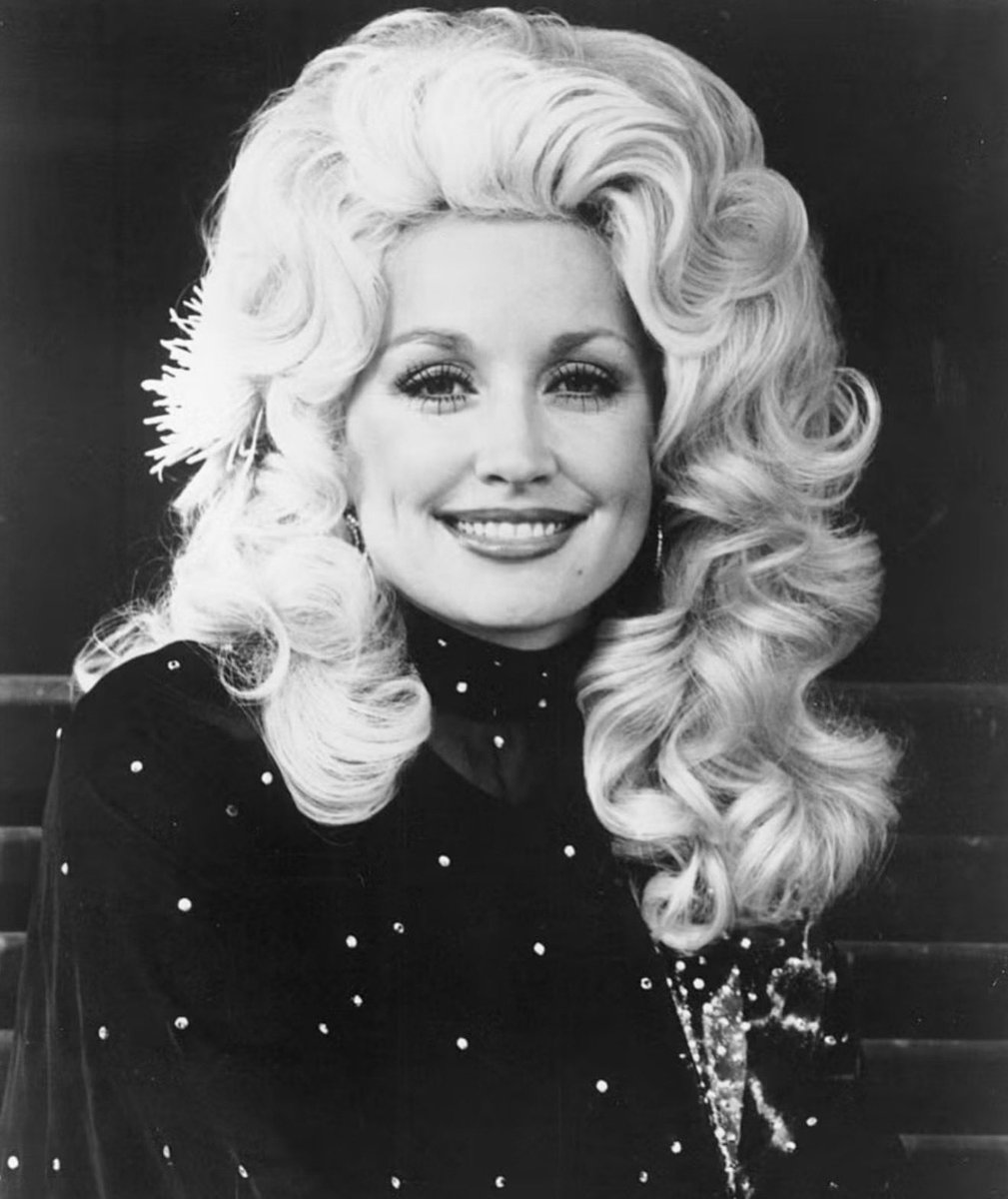
I'm sorry we never got a chance to meet, but getting this note from Dolly really had a an impact on me. She definitely didn't have to take the time to do it. Even for a kid who mostly listened to rap music, she was an icon. A superstar in every sense. Rest easy Dolly. And thank you for the kind words.
The feeling of losing my Aunt Dolly is beyond what feels right to share. Our most sacred moments were private and they’ll stay there behind the stage, beneath the glamour & between our hearts.
What I KNOW is Dolly would want me to feel it, write a song about it, and then continue on and be strong. I have an angel by my side. I always have. One of our last conversations was about music and metamorphosis. 🦋
I will always love her and want to make her proud. My heart breaks for the world, her family and friends who will miss her deeply. We’re in this loss together and we will see her in all of the most beautiful things. 💖 @dollyparton
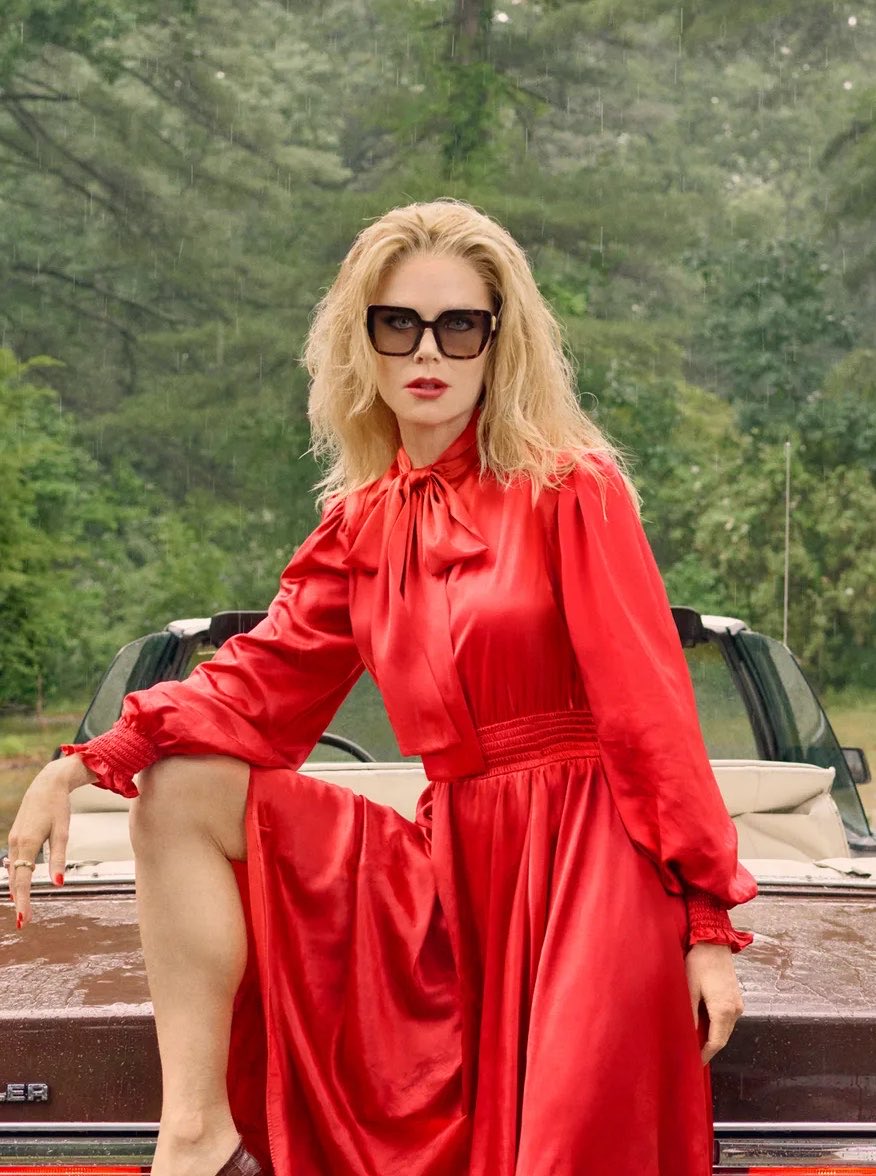
Nicole Kidman shares her approach to raving in Ibiza:
“Dinner at 10.30pm, club at 1am. I’ll put on glasses. Sometimes I’ll wear a little dark wig to hide, and then I can just dance. As long as I’m surrounded by people [I take with me], then I’m fine. I need it.
(https://t.co/3CeydJzeoM)