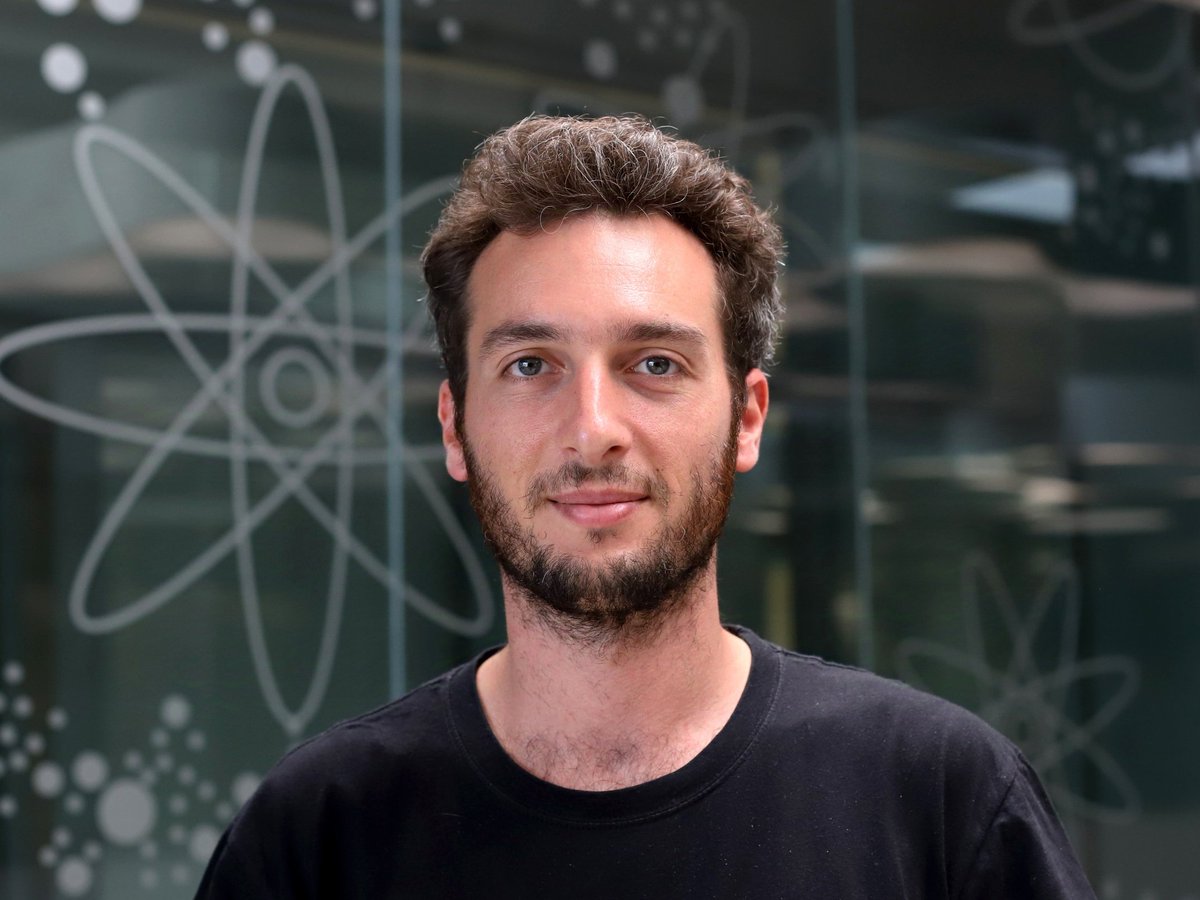
Postdoc position open in my lab at @IBS_Grenoble@CNRS. Looking forward to doing great things together.
You can write me an email but eventually you'll have to formally apply here https://t.co/r03Q5ASsqc
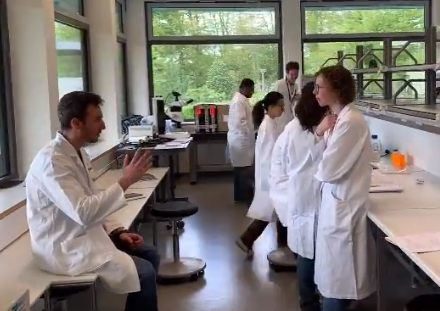
📢 Save the date! Join us for MINDLAB, an interdisciplinary training on neuroscience and #photonics, exploring the brain from molecules to whole organisms.
🗓️ 4–7 Nov 2025
📍 ICFO
More details soon!
#MINDLAB#Photonics#Neuroscience#ICFO#SaveTheDate
Fantastic time at #BER2025 in Granada @CanalUGR! Excellent international school in visual optics with an outstanding organizing committee. Always inspiring to discuss super-resolution and expansion microscopy in retina research. 🔬✨
#ExM@sedoptica
Thanks for this fantastic #spaom2024 meeting.
Very happy to connect with Spanish and Portuguese microscopy community and to get the chance to highlight how ‘cool’ #ExM can be
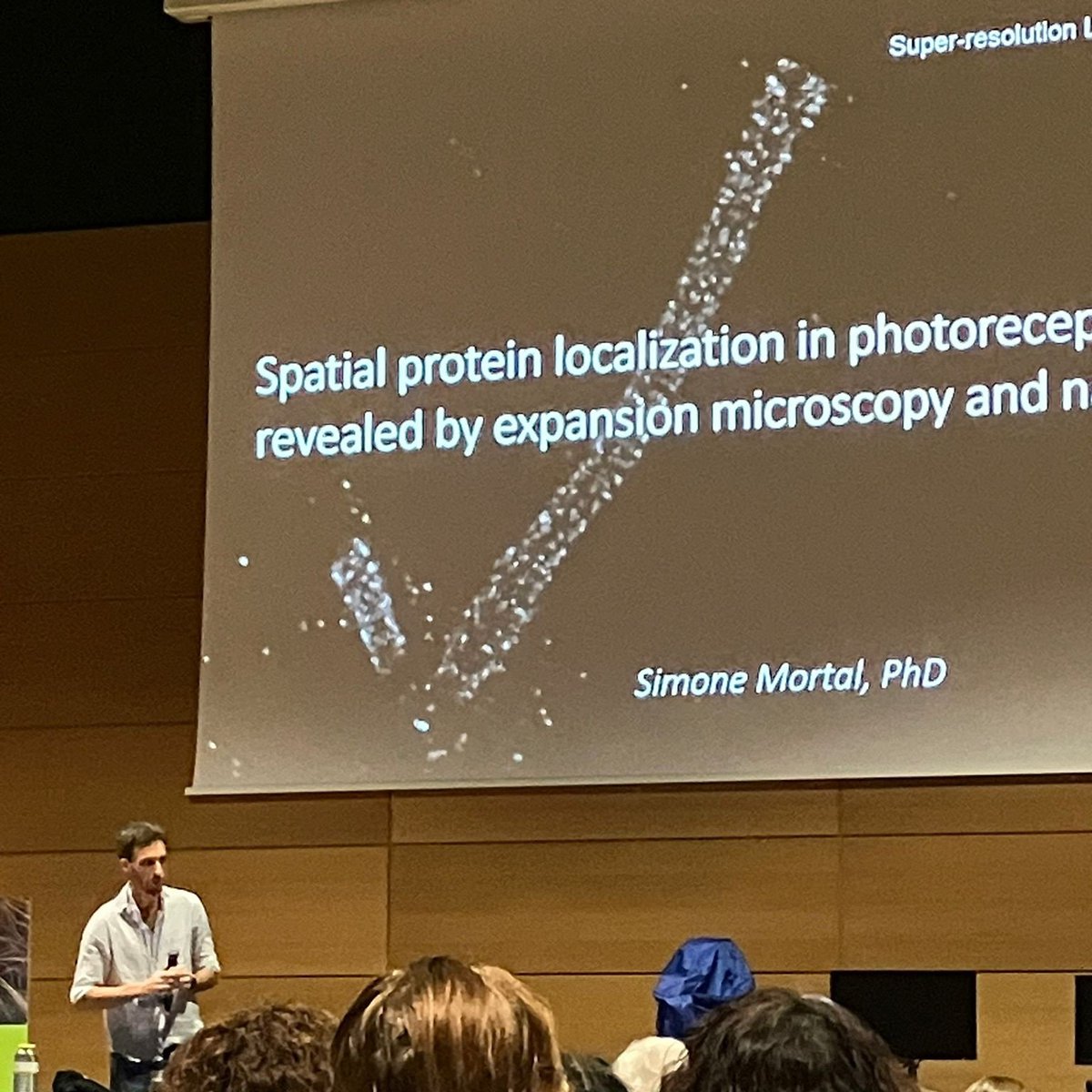
👨🔬 Dr. Simone Mortal, postdoctoral researcher
"Spatial protein localization in photoreceptor discs revealed by expansion microsopy and nanoscopy"
📆 DAY 1 – 20th nov 10.30h (Toledo room)
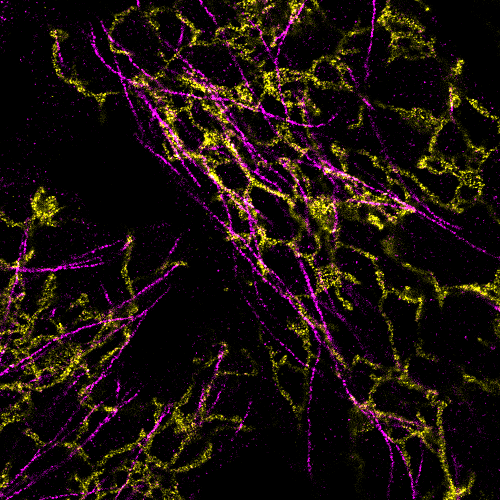
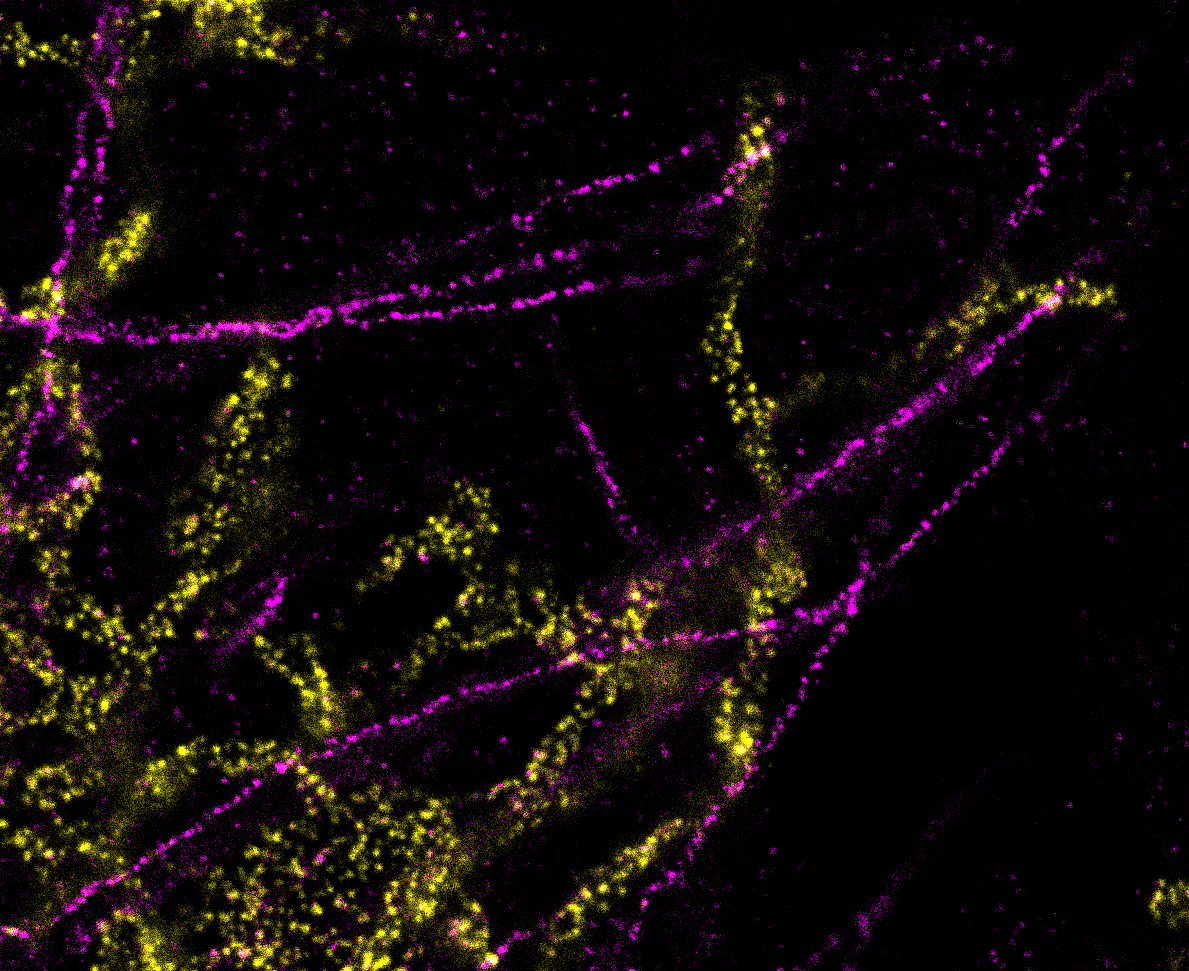
Proud to announce that #ONE_microscopy is now published in @NatureBiotech. We now reveal that ONE enables the 3D reconstruction of single protein molecules from light microscopy. More here: https://t.co/Y5Fy7C8bM3
Silvio and I extend our immense gratitude to our collaborators @eboyden3, @LabSauer, @cppape, @RaduAricescu, @FelipeOpaz_o, @touteiro, @L_AJ_Alvarez, Tobias Moser, Ute Becherer, Brit Mollenhauer, Markus Müller, Chi Zhang and all the contributing scientists, especially @AbedShaib & @GSvilen.
Special thanks to our Editor, Dr. Bishop, and our reviewers, including Prof. Diaspro @AD1959, for their invaluable insights!
A heartfelt thank you to the scientific community for their interest, support and endorsement of our work.
@JoshuaTran_guv That's true, methanol is usually present to stabilize formaldehyde. However, during the anchoring process, cross-linking is necessary to anchor the sample to the gel, so I would exclude the possibility that methanol could play a decisive role in this process.
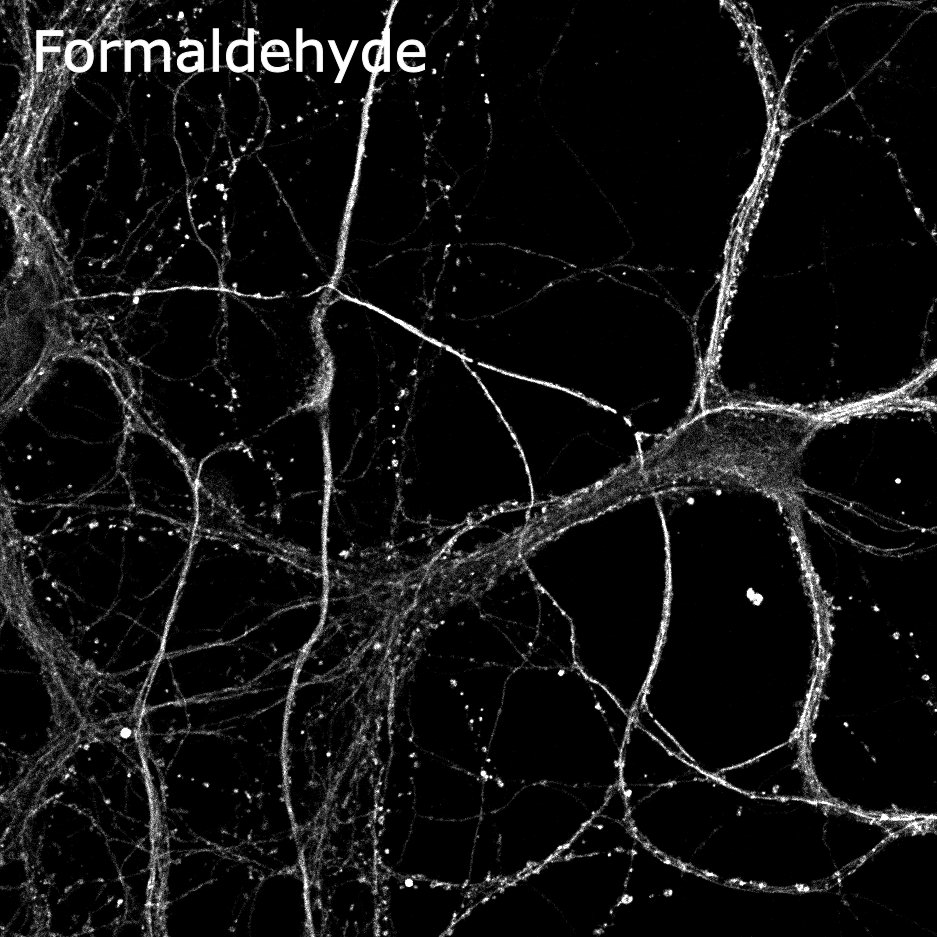
Last week, I was wondering why in all the expansion microscopy protocols I found, formaldehyde is used instead of paraformaldehyde for anchoring. PFA should be much more common and, in principle, it's the same. So, I tested it and, as expected, they look the same.
#ExM
@samjlord Yes, I mean formaldehyde solution prepared from PFA. My point here is that in expansion microscopy protocols, PFA is always reported for fixing and FA for anchoring. However, there are no actual differences, and since PFA is more common, why not report only the PFA concentration?
@manorlaboratory I think it's an impression due to the image compression by X/Twitter. I checked the signal intensity and sharpness of different images, and they look really similar.
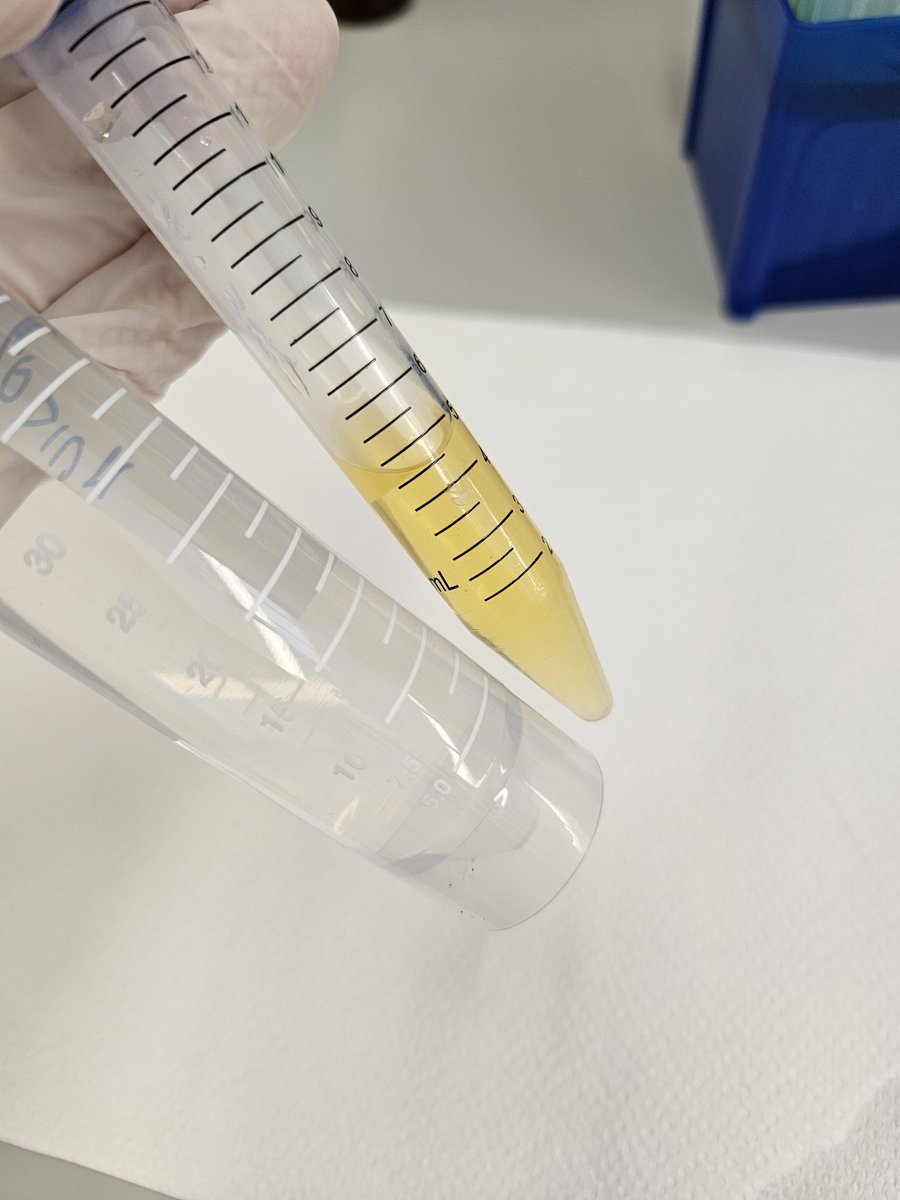
@FrancescoUlloa I tested both today; the yellow one (Sigma) expanded more, around 18% more than the other. However, it is definitely more fragile and less stable at high temperatures 👨🍳