I'm engaging in outstanding discussions with leaders of change in health & care from across the globe at #Quality2024. A big theme is how relationships & relatedness are increasingly becoming the primary focus of change methodologies. Read this blog from @NENC_NHS on how a theory of change was co-created with its learning & improvement community, based on building relationships for change across a big system: https://t.co/uaSYKl2ZWq. Thank you @annielaverty & @SHamiltonCPFT for your leadership. PS: follow the International Forum on Quality & Safety in Healthcare at #Quality2024.
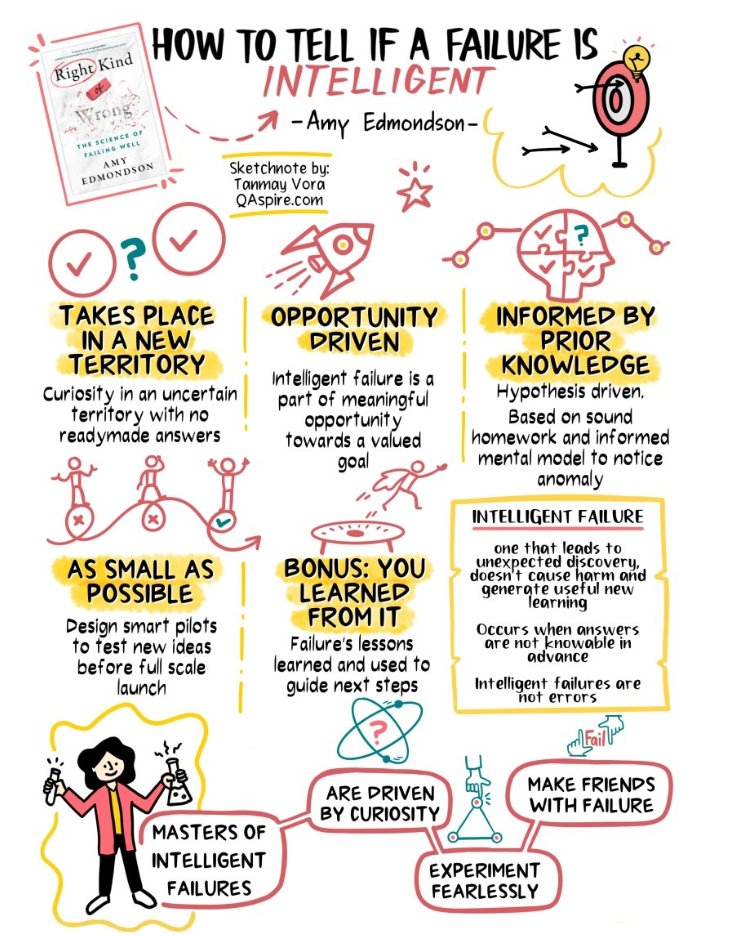
I'm at #Quality2024 live, listening to @AmyCEdmondson talking about principles from her book “The Right Kind of Wrong – The Science of Failing Well”. Amy differentiates three kinds of failures in organisations:
1) Basic failures: caused by carelessness or ignorance
2) Complex failures: caused by a combination of multiple systemic factors, none of which would have caused failure on its own
3) Intelligent failures (the most productive kind): where organisations/teams test new ideas, at small scale to learn & develop.
Graphic from @tnvora: https://t.co/ntgwreu0Hm
Here's another article on Amy's book that focuses on psychological safety & risk taking: https://t.co/IN3OJDY8sv Via @HBSWK
Impostor phenomenon (IP) can fuel stress & burnout, plaguing individuals with self-doubt & fear of being exposed as 'frauds.' Find out about IP amongst the healthcare simulation community. https://t.co/UZWwNfleev #ImpostorPhenomenon#impostorsyndrome
Staff in NHS Lothian have been recognised at two separate events for the work they’re doing to help the Health Board in its journey to Net Zero. Read the full story on our website https://t.co/pIzz3ZvcPD
Today @WarwickBSchool & @HorizonsNHS are hosting the first of two roundtables with NHS leaders on "how we can define and demonstrate (financial) value from improvement activity in the NHS". In many NHS organisations, there's a gap between the indicators used to gauge value in operational delivery & the metrics of quality improvement. We hope this thinking can help fill that gap #LeadingQI
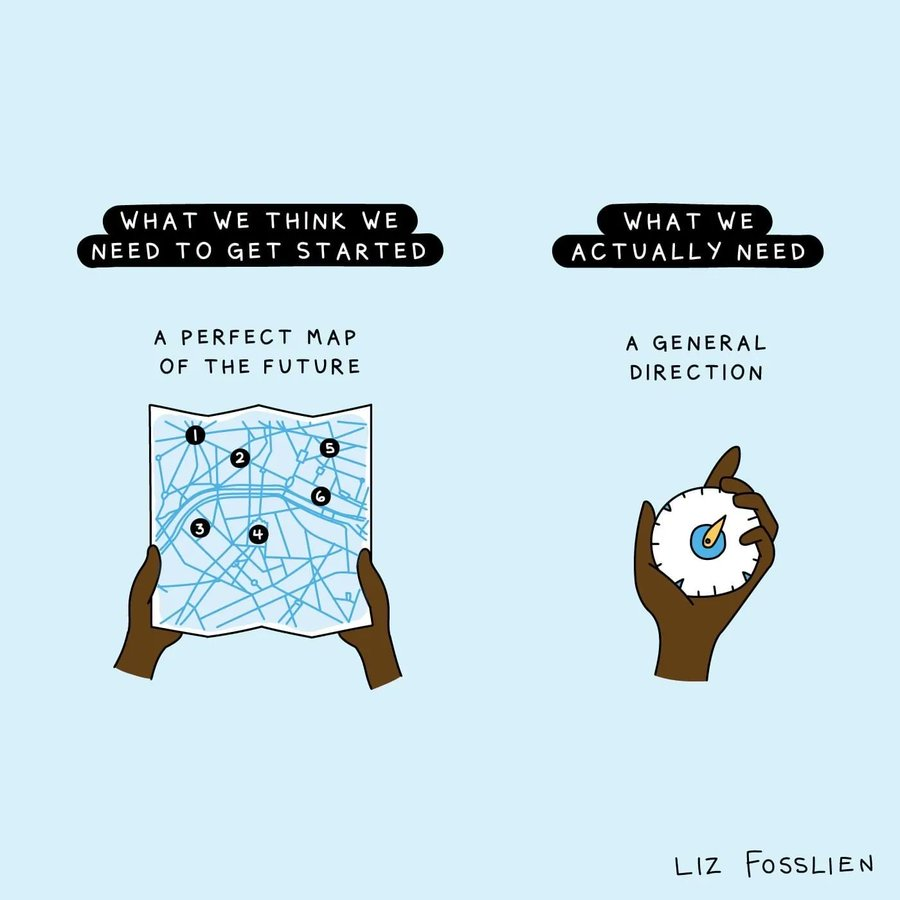
One thing I've learnt over the years is that it's usually a good idea to have a plan for change. The plan gathers people and shows the way. But lasting change is inherently emergent so don’t expect the change to exactly match the plan. The plan needs to be just “good enough” at the start, allowing room for tensions, uncertainties, and learning. Graphic by @lizandmollie
Too often when we think about "organisational design", we rush into drawing new operating models & org charts. Yet there are multiple aspects we should think about first: the ideological, strategic and emotional components of redesign, not just the structural. Here's a brilliant resource list to help us think differently about org design from @EmRoseBaz: https://t.co/MnP3IzVbqH. Graphic: @voinonen