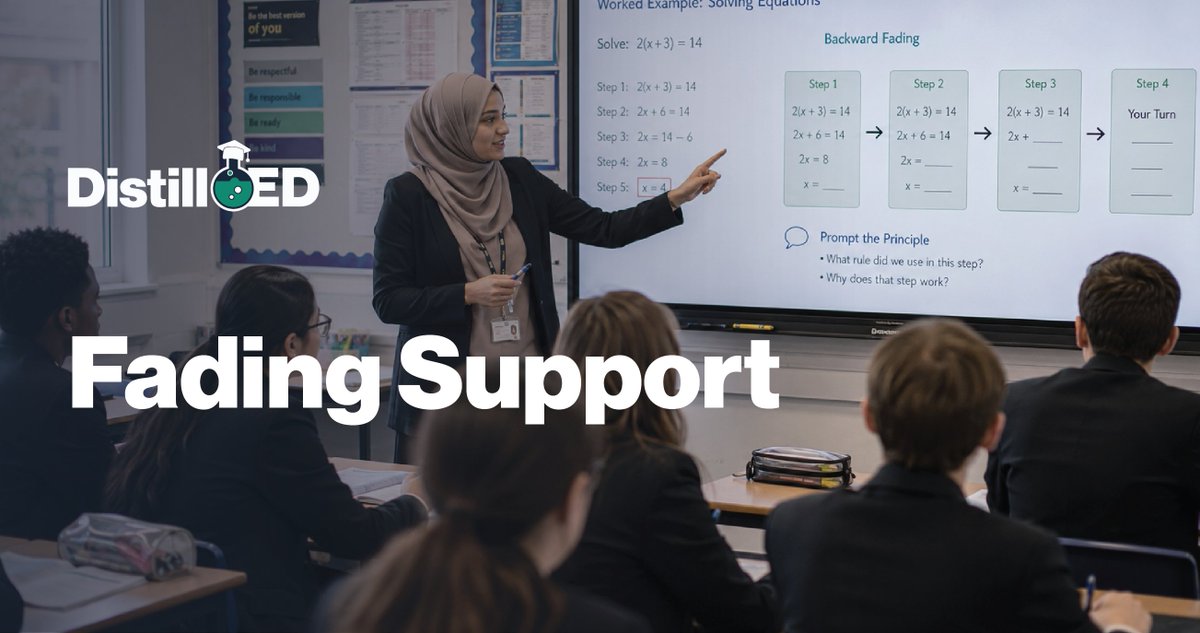
🔔 NEW! This week's DistillED unpacks fading support — the staged, deliberate removal of worked examples and scaffolds as students grow more competent. Research on backward fading suggests that removing the end of a worked solution first, not the beginning, produces the strongest results. The edition breaks this into a five-step classroom sequence. Take a look!
https://t.co/G6N7ihSO7I
Delighted to share one of the outputs from our Sixth Form Working Party: a CPD Booklet on Independent Learning, drawing from the EEF Guidance on Metacognition and Shimamura's MARGE model. https://t.co/3nkTGt1ltf
#SixthForm#CPD#Metacognition#Education#TeachingAndLearning
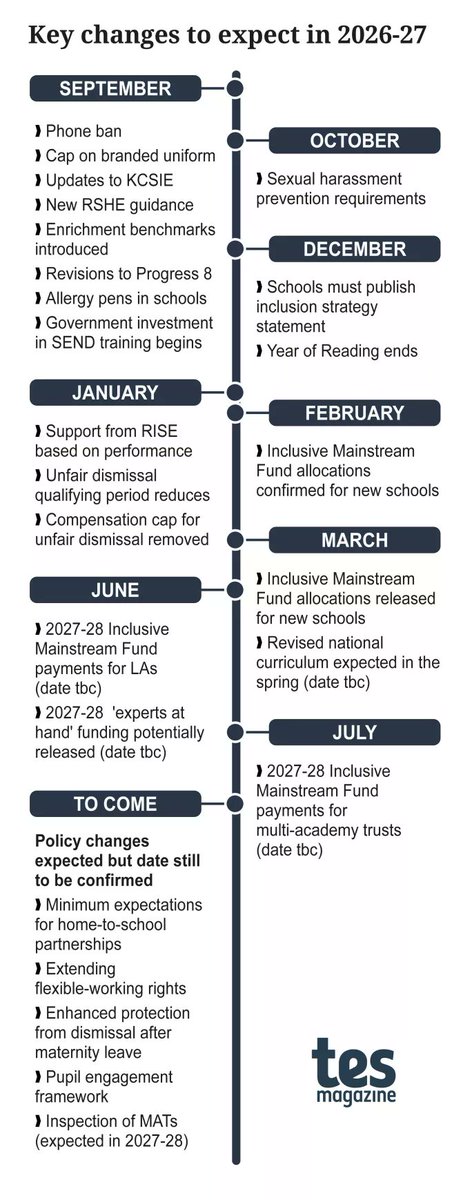
The next academic year brings a huge amount of change for schools to manage and implement.
Is your school ready?
@jasminenorden has all the details here: https://t.co/rzfi8nns6N
(A fantastic timeline from our art director Nige, too!)
Wharton researchers gave nearly 1,000 high school math students access to ChatGPT during practice problems
Result: chatGPT is the perfect trap.
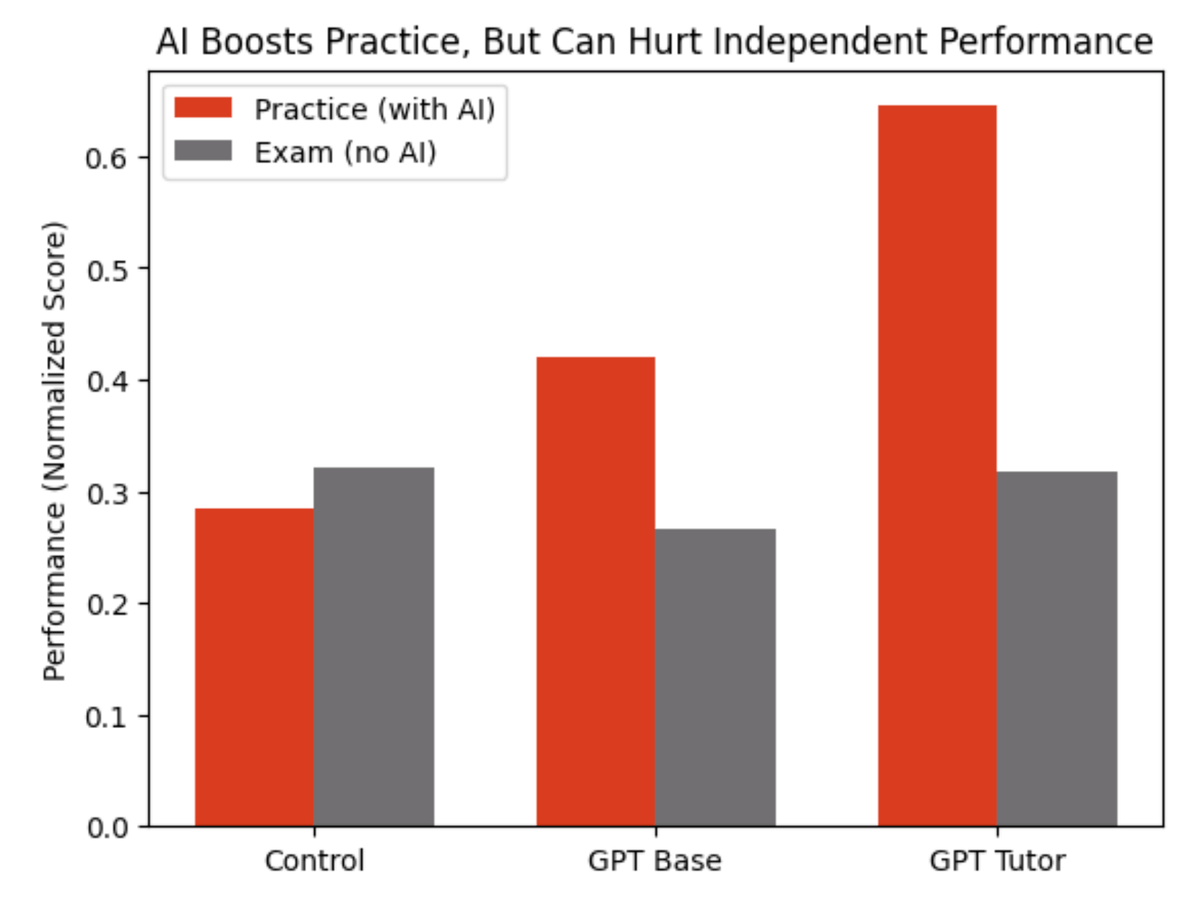
Look at the red bars.
Students with ChatGPT crushed their practice sessions.
The basic ChatGPT group solved more problems and those on the "tutor" version did even more.
Now look at the gray bars. That's the exam.
No AI allowed.
The ChatGPT group scored 17% worse than kids who practiced with zero technology.
And the fancy tutor version?
No better than working alone.
The researchers called AI a "crutch."
When they analyzed what students actually typed into ChatGPT, most of them just wrote - “What’s the answer?”
The kicker: students who used ChatGPT believed it hadn't hurt their learning.
They were confidently wrong.
This is the AI trap in education.
Outsourcing your thinking.
Of course, lots of half-baked AI literacy curricula being rolled out in schools now
Let’s of course ignore that basic literacy (the ability to read) is possible for <50% of 8th graders
Source: Bastani et al. (2025), "Generative AI Can Harm Learning," PNAS
This week won so here's the link (there are around 1200 files in all): https://t.co/tEtmpq3SQL.
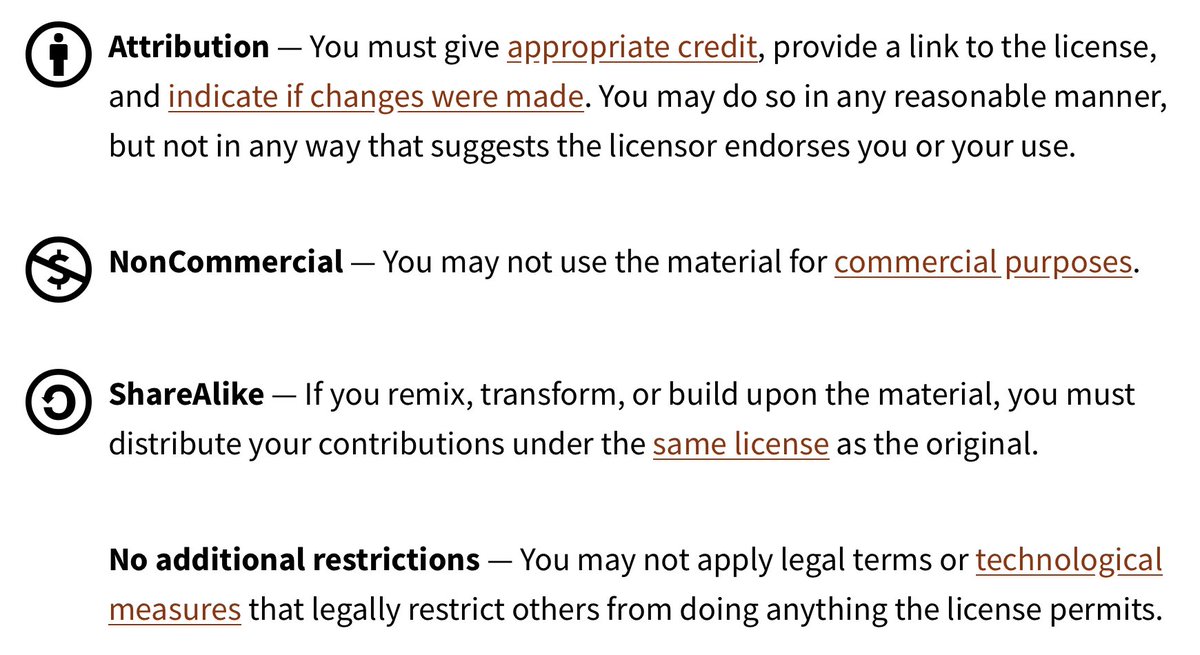
These are made available under a Creative Commons BY-NC-SA license: https://t.co/qei9LJvtu1. This means you can Share and
Adapt the material with the following conditions:
Really enjoyed trialing these structure strips featuring little AfL opportunities with Y10 😁 Marking their responses, you can see how the guidelines and awareness of self-assessment expectations have improved outcomes. Great progress made from 10GS! 👏
Final week of term for post-16 leaders? Focus on these 4 priorities:
✅ Check in on vulnerable students & complete safeguarding actions
✅ Share helplines & support for the break
✅ Thank your team personally
✅ Celebrate successes and bring some joy
Small actions = big impact.
Think-Pair-Share has the widest gap between success and failure in the classroom. With clear prompts, tight timing, and real accountability, it’s a powerhouse for thinking. Toss it in without intentional design and it collapses into noise. With TPS, intentionality is everything.
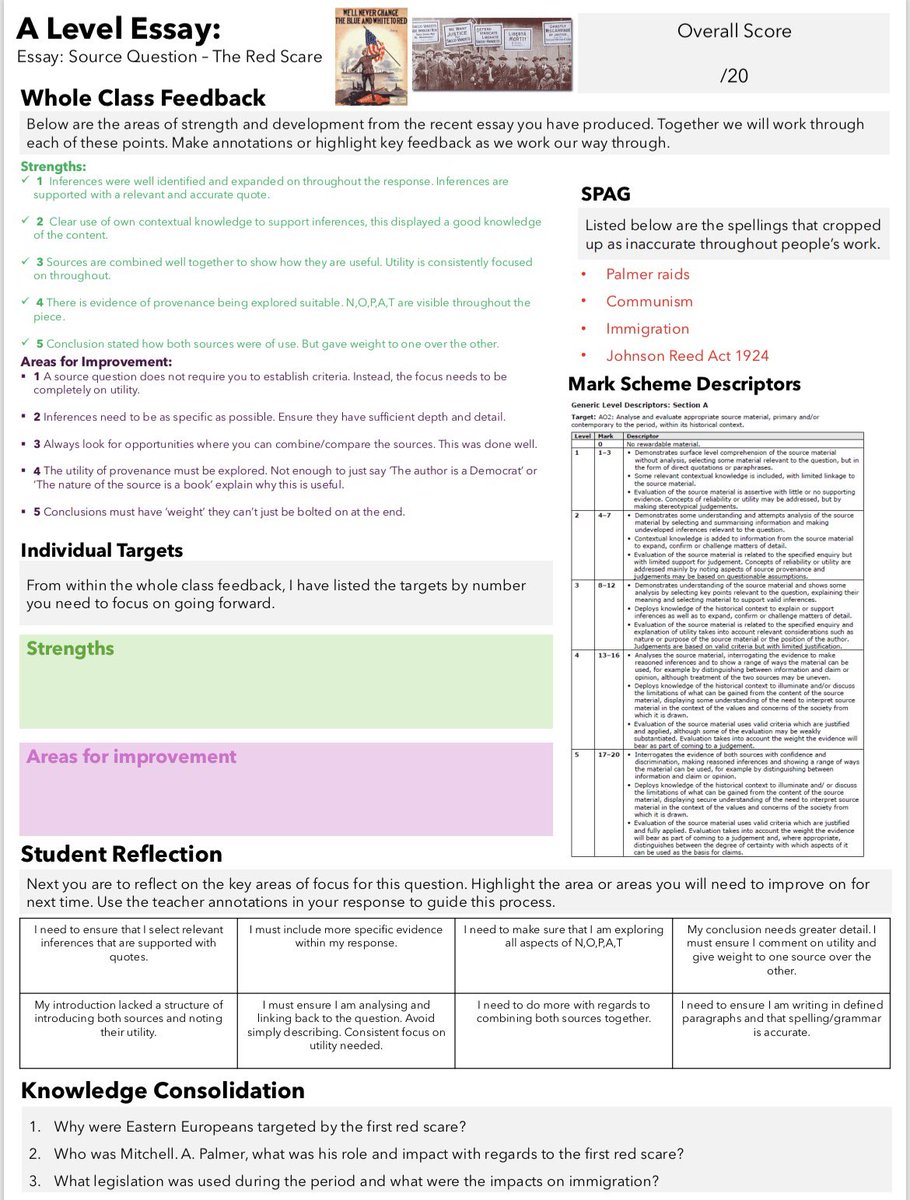
We have big A Level numbers which is great but the mark load is HUGE. Whole class feedback sheets have been a game changer. Specific feedback strengths and weaknesses numbered for students, SPAG noted, highlighted mark scheme descriptors and specific reflection. #historyteacher
A quick approach to effective formative feedback ✅ I’ve really been enjoying this method over the last few weeks. Meaningful, personalised feedback that I can return to students quickly for some AfL 👀
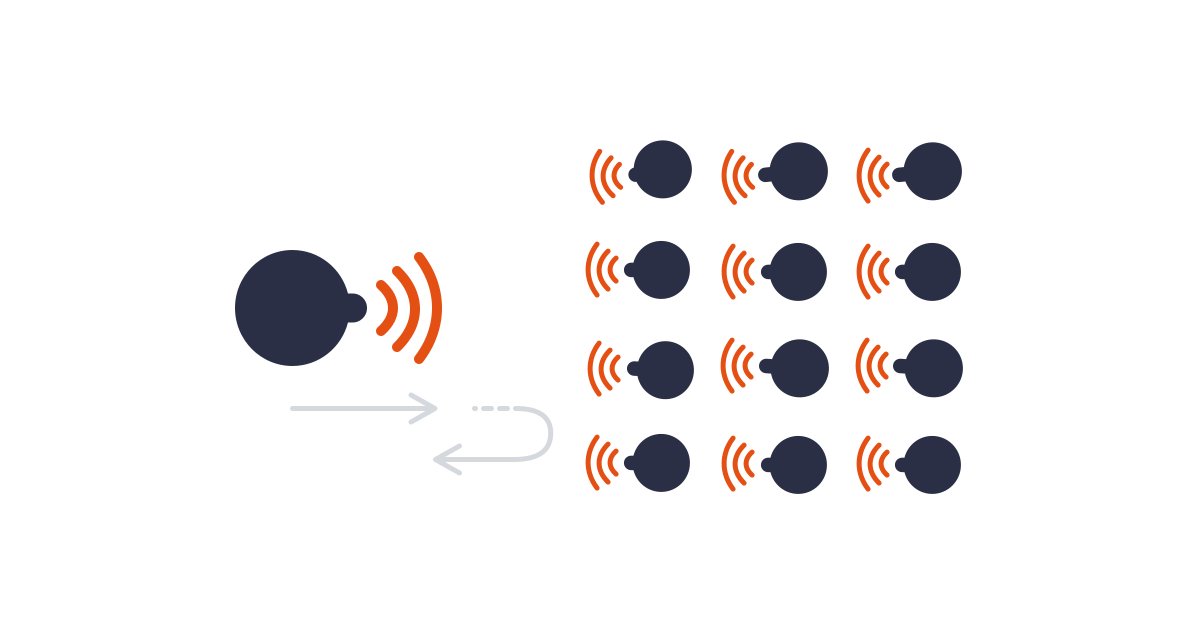
Fab response from staff in our CPD today! This illustration from @Steplab_co (using @olicav’s work) reminded staff of the impact of failing to secure students’ attention on their learning. @m_chiles followed up with how we can then ensure students are thinking hard. 🤓
*NEW* Parental Guide to Metacognition
I've created a 6 page guide, specifically for parents/carers, all around the importance of metacognition, alongside almost a dozen approaches that can be incorporated at home (with examples).
Please do share and tag - free to use (please just credit my work).
Available here: https://t.co/YdanEnf8Qa
This.
All of this.
I've had students come into my reading class with fidget spinners, with stuffed animals, with fidget bracelets, shiny pens, etc.
When asked why they have it, they all say they need it for their anxiety. So, initially, I always let them all come in with it and set the expectations for how the set object will be used.
Unvariably, by the end of the second day, it is obvious that their attention is split between me and their "anxiety object." This is when I have the conversation with them that their "anxiety object" (whatever it is) will have to wait at a different place in our room other than our table.
At first, this is usually not taken well by students, which does not surprise me because I know how stressful reading can be for many students. But I explain to them that they are safe and loved, and that they are capable of doing hard things. I let them know that I understand that they are anxious and why. But I also let them know that we can get through tough moments as a team. I promise that I will never ask them to do something that I have not given them the tools to successfully do.
I also let them know that we can take breaks if they need to, but when I am teaching, I want their attention. I want them to learn, because I know that they can learn, and this object is too distracting for them
Yes, some resist it initially.
But guess what, before the end of the school year, not only have their reading skills improved, but they also have learned that they can persevere through perceived challenges, and they all have gained confidence, and none of them brings that said, object to my class.
Funny how improved reading skills frequently lead to decreased school-related anxiety.
***SUCCESS CRITERIA***
Thread 🧵
The use of success criteria in our classrooms is a key element of quality-first teaching. When used effectively, success criteria break the learning intention into smaller, more manageable actions, helping both teachers and students evaluate performance.
As Griffin notes, they show students what they must do, say, make, create, or perform to demonstrate their learning (Griffin, 2018).
However, success criteria can sometimes become too task-oriented, which limits teachers’ and students’ ability to make meaningful judgements about mastery of subject disciplines across the curriculum.
So, what are we doing at Longdendale to improve this?
#TheLongdendaleLegacy
***CORE TECHNIQUES***
Year 2 of our vision will focus on the following T&L techniques to build on the techniques used last academic year.
Our techniques form part of our wider T&L strategy led by @MissCole279 to put quality first teaching at the heart of everything we do. The techniques are chosen from @WALKTHRUs_5 and TLAC.
What it doesn’t mean is we forget about the techniques from last academic year. We have picked our new techniques to build on and strengthen the use of the techniques from last year.
Principles - Components - Techniques
@teacherhead@olicav@Doug_Lemov
#TheLongdendaleLegacy
A fantastic way to finish the week 😊
100 students attended the aspiration table at break time to show off their masters of knowledge work 💡👏
#TheLongdendaleLegacy