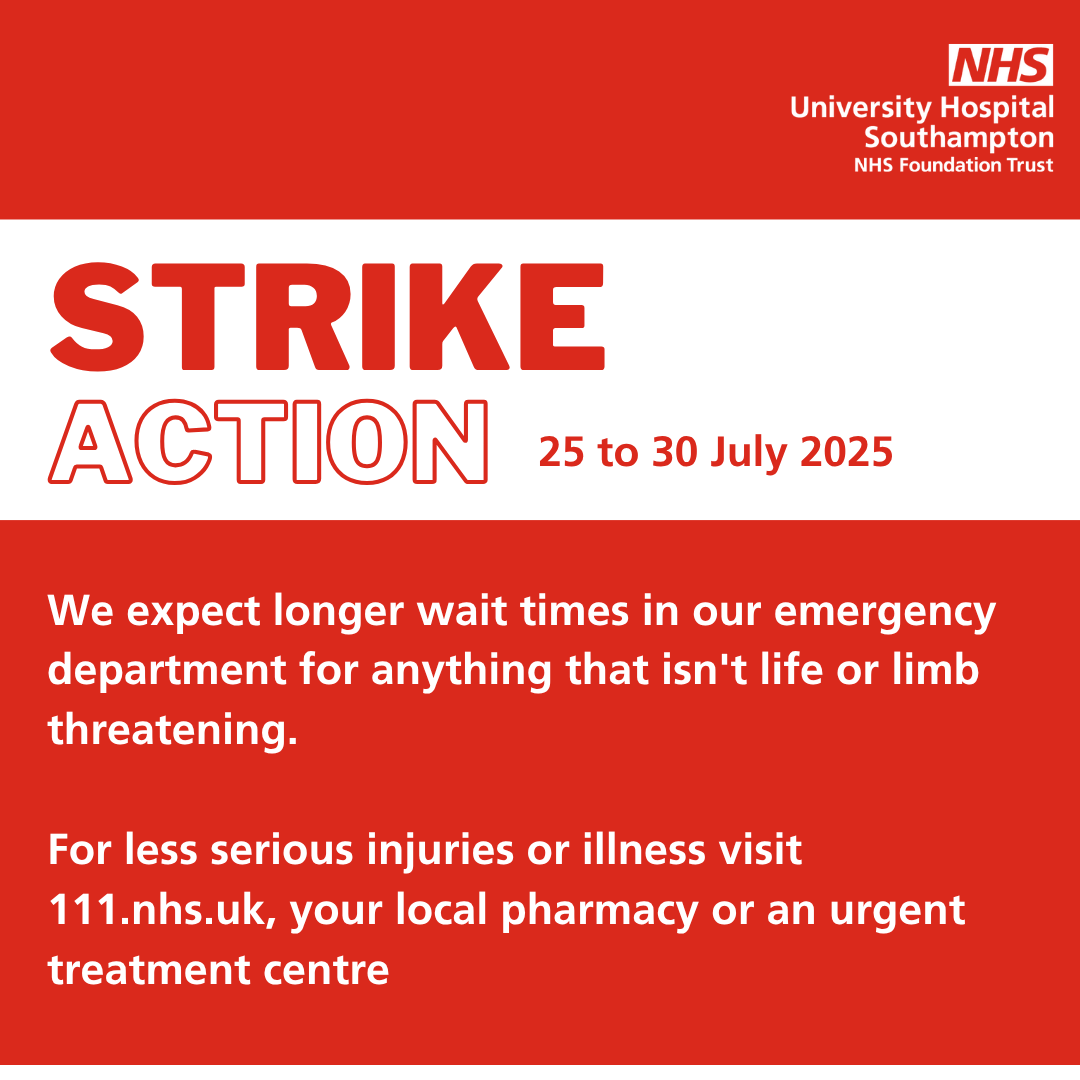
📢 As we head into a weekend during strike action, we expect our emergency department to be very busy.
We ask you to choose services wisely. Only call 999 in medical emergencies.
🔗 More information on how you can help on our website: https://t.co/NksdO3OlZl
@WecareUHSFT@UHSVolunteers@UHSFT Our amazing volunteers on GICU are about to embark on role of meeting and greeting outside the main doors as well as inside. This is where there is so much anticipated anxiety in relatives! You already do such great work and it's about to get better! @simonsamin@UHS_CritCare
Our Graduate Manager Training Programme is your chance to step into a leadership role with a purpose. 🏥 ⭐
🔷 A two-year leadership journey in NHS operations and strategy.
🔷 Senior mentorship to support your career growth.
Apply here: 🔗 https://t.co/F2RgnkLmaj
The biggest issue in leadership:
Disconnect between management and employees.
This creates significant challenges.
In relation to that:
Sidney Yoshida introduced the concept called "The Iceberg of Ignorance".
It highlights how small fraction of issues are visible to senior leadership.
According to research:
A) Executives are aware of only 4% of problems.
B) Middle management sees about 9%.
C) Supervisors understand 74%.
D) Front-line employees know nearly all the issues.
This gap means critical problems are hidden:
From those who have the power to resolve them.
As a result, decision-making becomes flawed:
Decisions fail to address real concerns.
For example:
Tackling high employee turnover,
With misguided solutions without consulting staff,
May only worsen the situation.
The core issue is clear:
Executives fail to communicate effectively,
And avoid engaging directly with employees for feedback.
To improve decision-making, follow these steps:
1. Listen to junior staff first.
2. Foster open conversations.
3. Gather and analyze relevant data.
4. Implement clear feedback systems.
5. Train staff on effective communication.
6. Collect information from the ground up.
7. Ensure communication flows at all levels.
Avoid making decisions without fully understanding the issue.
Engage with employees at all levels:
Their insights are often the key to real progress.
P.S. Is your company dealing with the iceberg of ignorance?
♻️ Repost to help others avoid this pitfall!
----
📌 Wild Capital Academy is LIVE!
Master business scaling like the best.
Enroll now - only 4 days left until we close:
https://t.co/pBhOdsWTma
📢 And register for my free webinar:
Wild Capital Scaling Method™
Tue, Mar 4th, 11am ET / 5pm CET
https://t.co/6FCE3Rfbzk
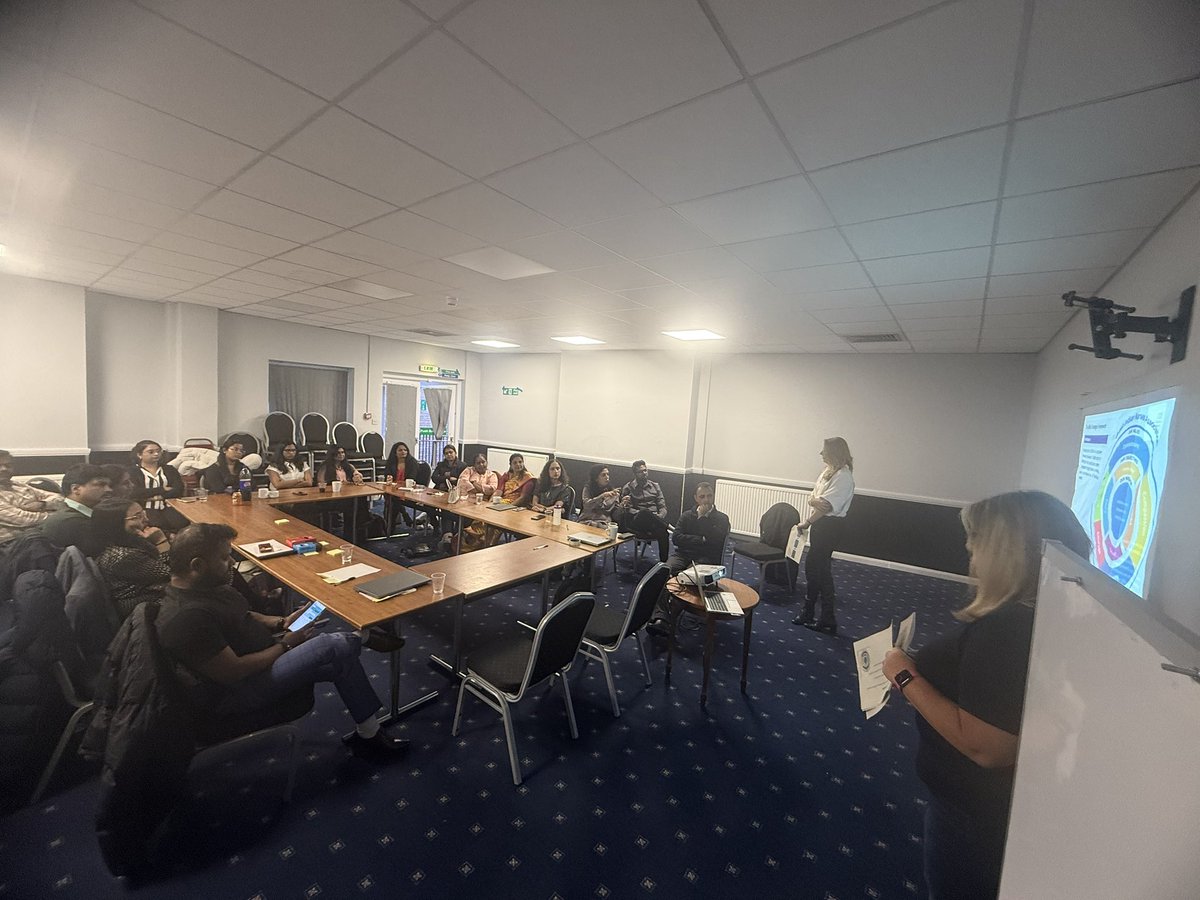
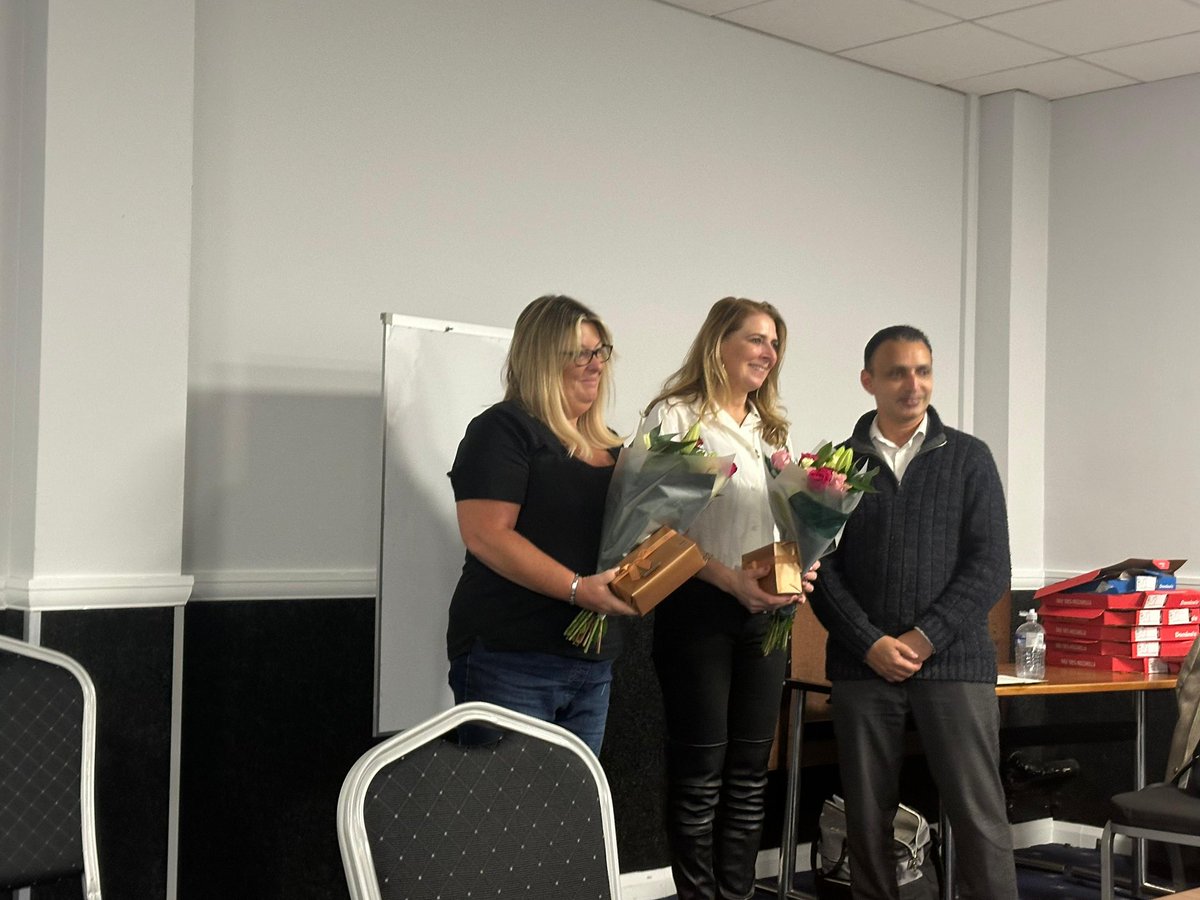
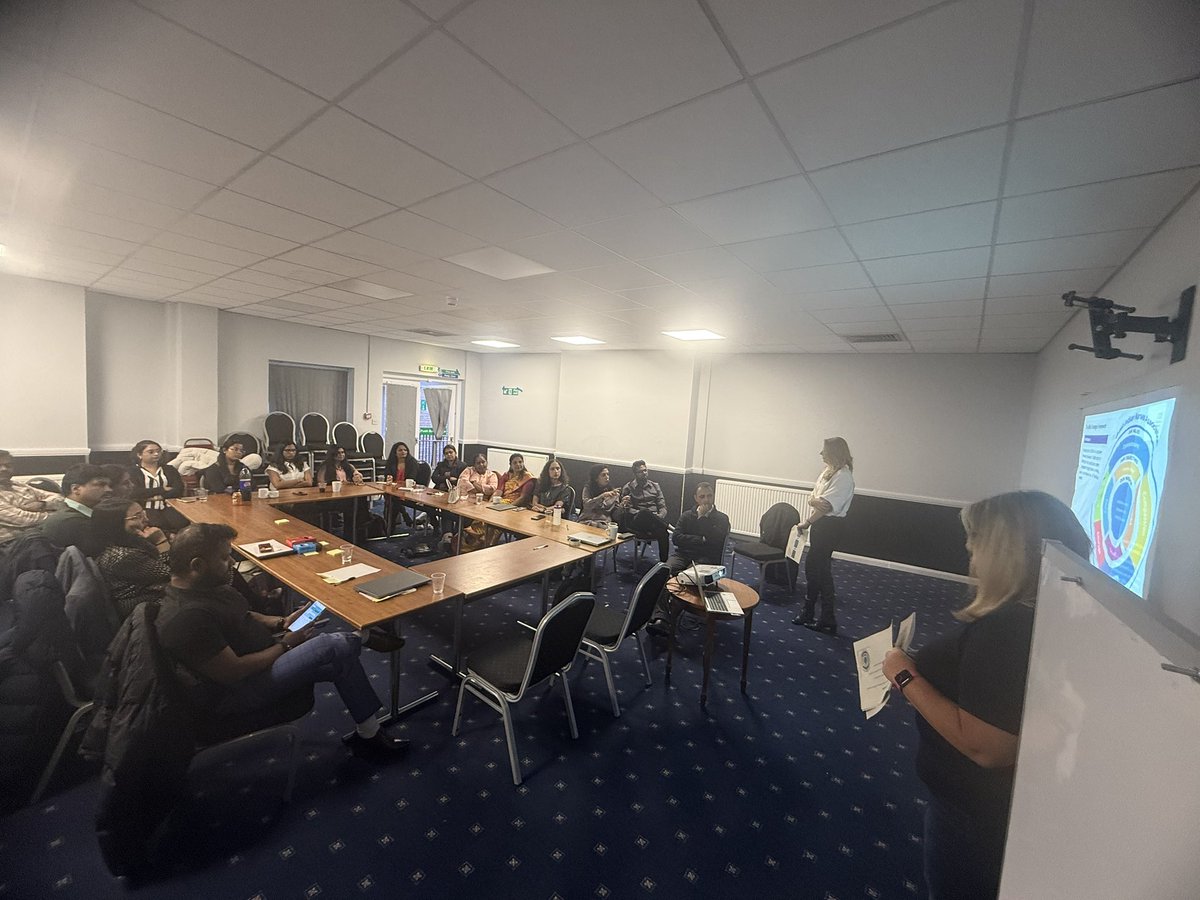
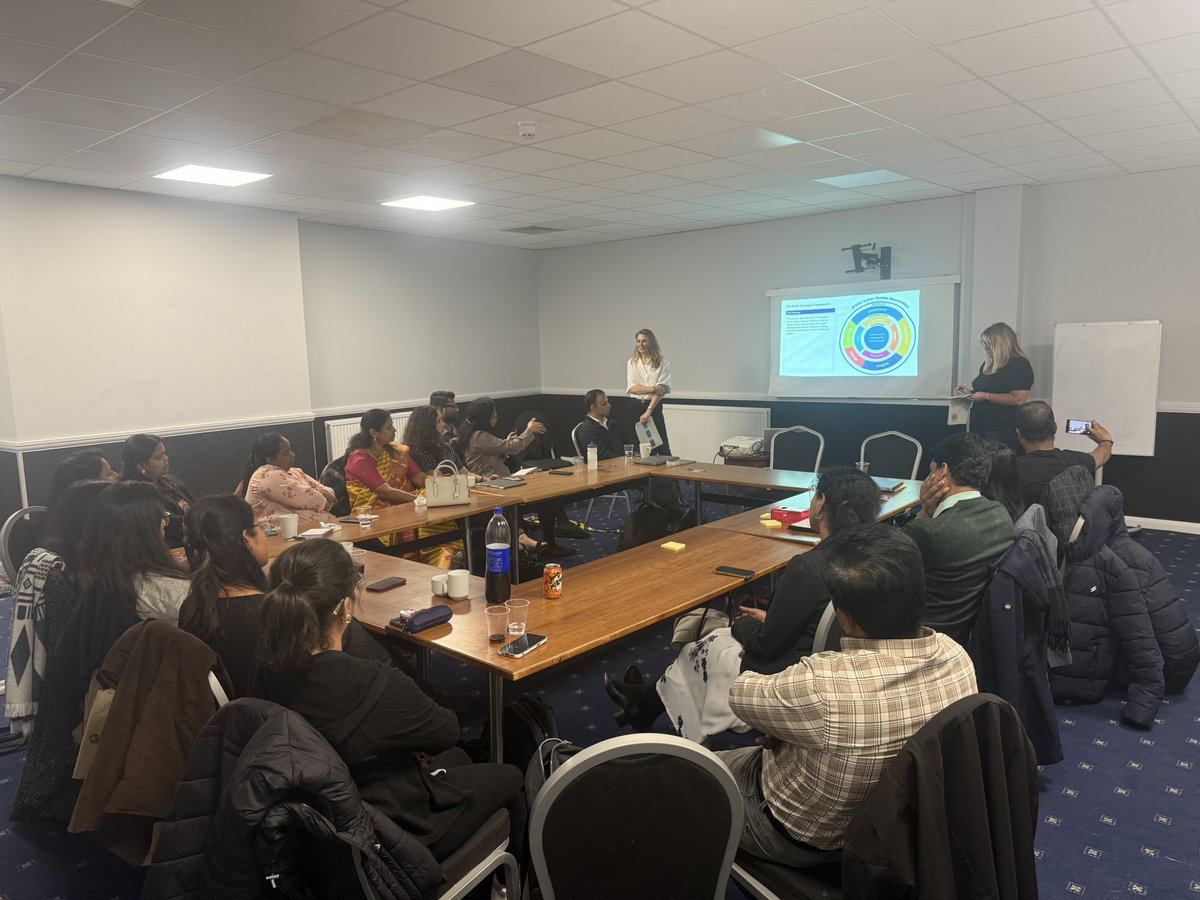
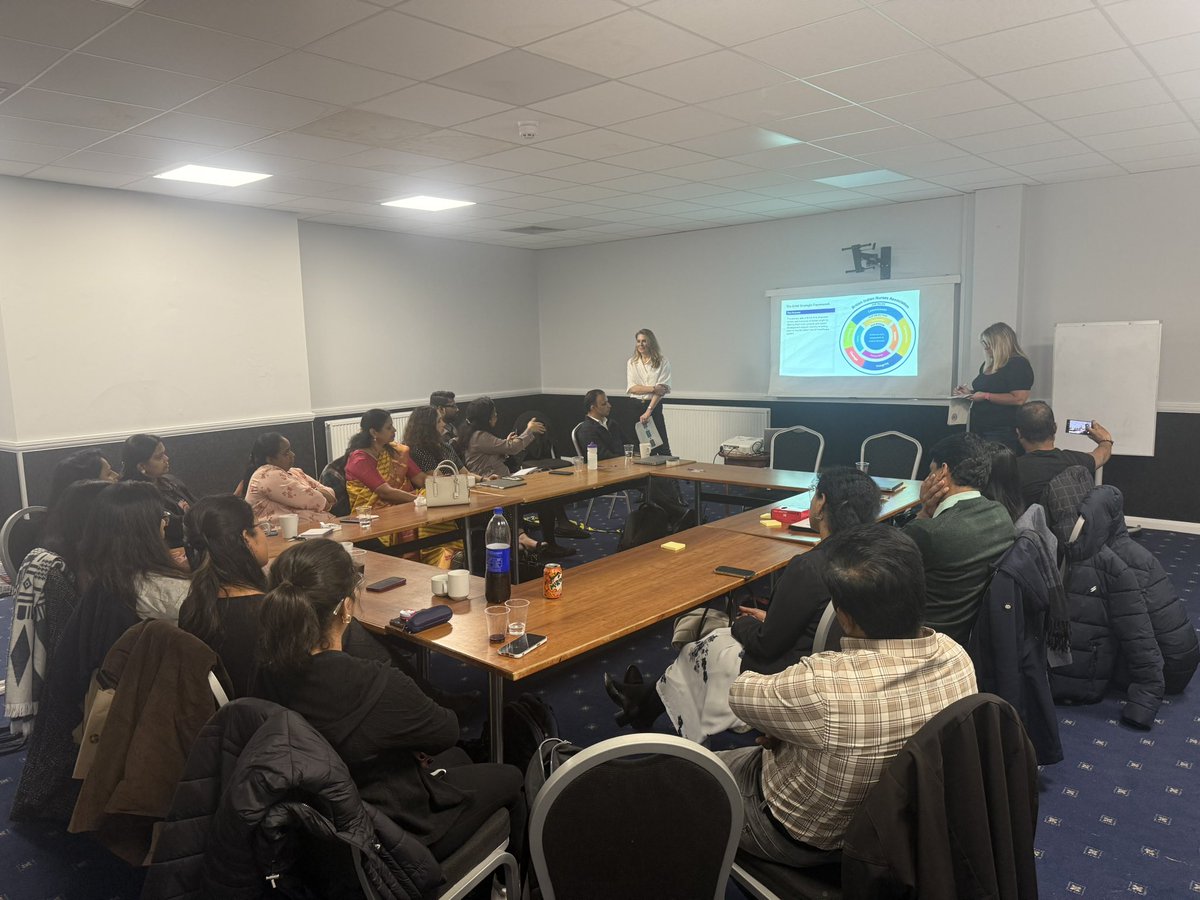
Humbled to see such a wealth of ideas with passion from our team members to uplift our communities. Our heartfelt thanks to Clare T, Karen C @Leic_hospital for the support. Thank you @RMitchell_NHS Julie H for your encouraging words. Well done team #VisionToReality
Amazing Leadership development day for our leaders.Passionate discussion on refreshing our objectives to better support our communities.Special thanks to Clare T & Karen C @Leic_hospital for bringing the best out of our team. Thank you @RMitchell_NHS & Julie H for your kind words
Our leadership away day to refresh our strategy with our leaders. Kick started in the morning. Great conversations to improvise & be explicit in our offer. Well done team Special thanks to Clare T & Karen C @Leic_hospital for your support
If the new bill becomes law, it would make it an offence for someone to call themselves a nurse unless registered with the NMC.
Existing and protected titles such as veterinary nurse and dental nurse would not be affected under the proposed legislation.
https://t.co/x8J1Q6KDBg
Power gradients (the gap between those with the most power & least power in a team or system) create risks, barriers to communication, a negative sense of "us & them", less innovation & poorer patient & performance outcomes. Jade Garratt says that addressing power gradients is THE most effective lever for increasing psychological safety within a team. This means:
1) Reducing the power held or overtly displayed by the most powerful individuals; &/or
2) Increasing the power & influence of those with the least.
There are many ways to reduce power gradients. It doesn't necessarily require radical rethinking of the authority structure (& we may redraw the structure yet not reduce the power gradient): https://t.co/rmMSN7uIe4. Via @tom_geraghty (sign up for his weekly newsletter on psychological safety. It's brilliant)
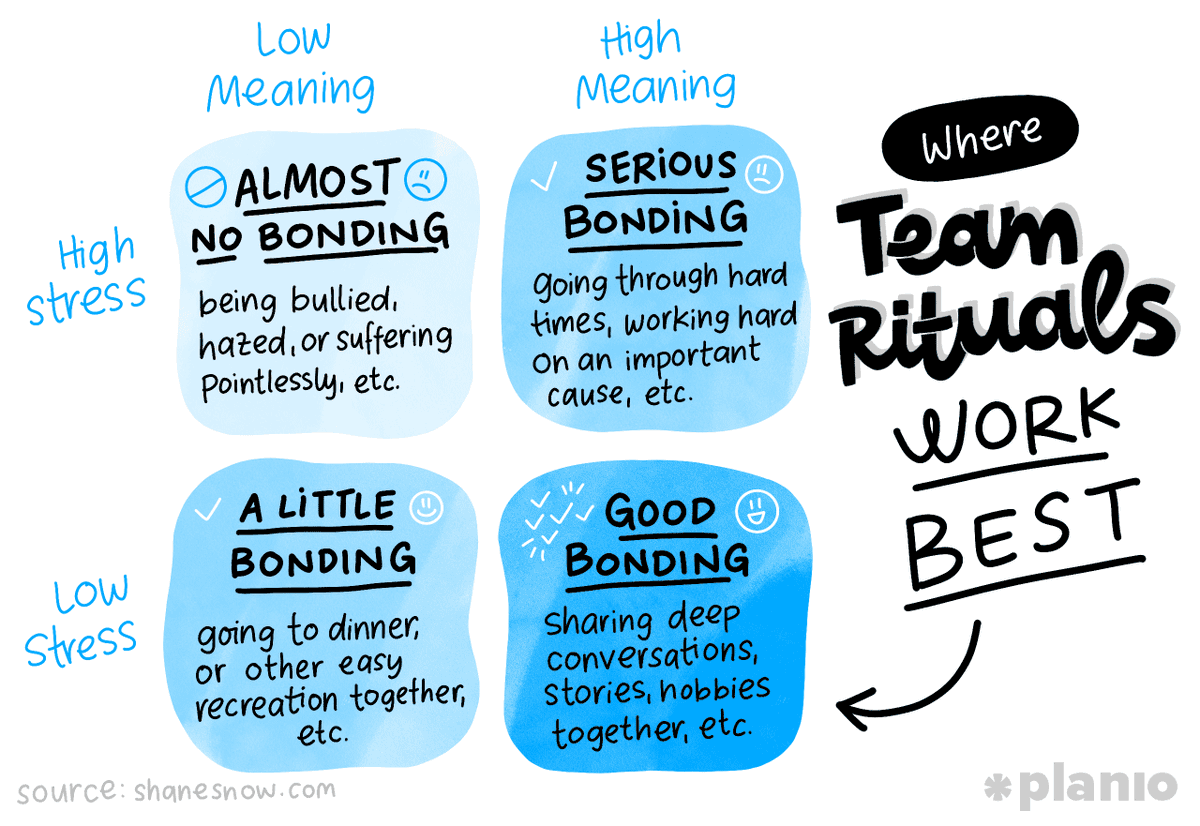
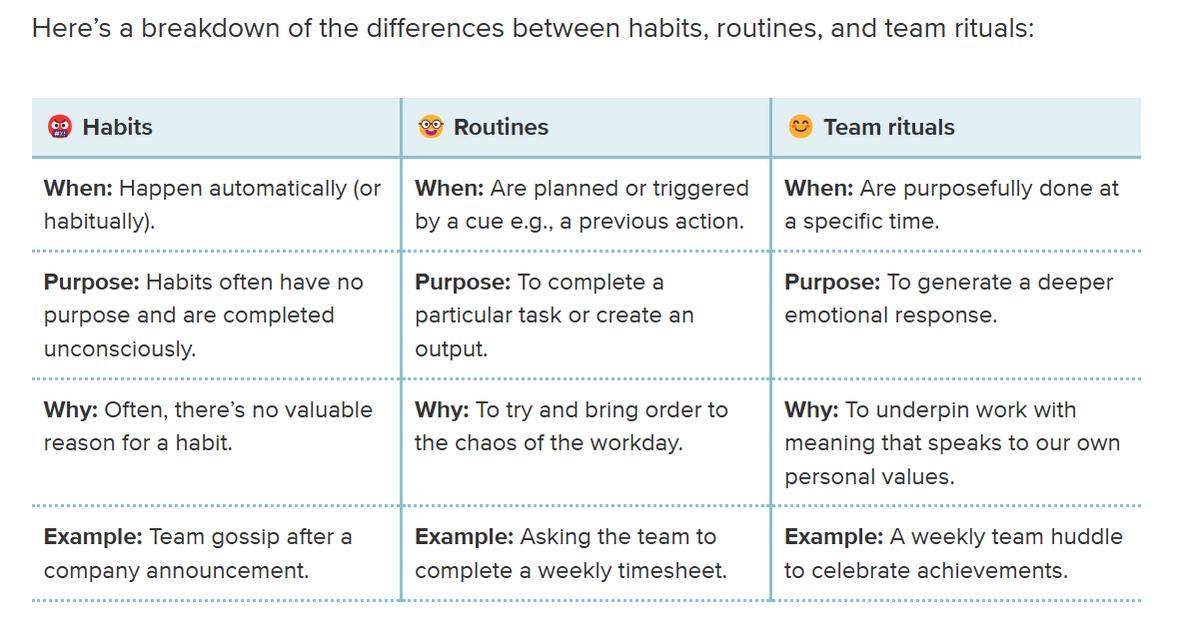
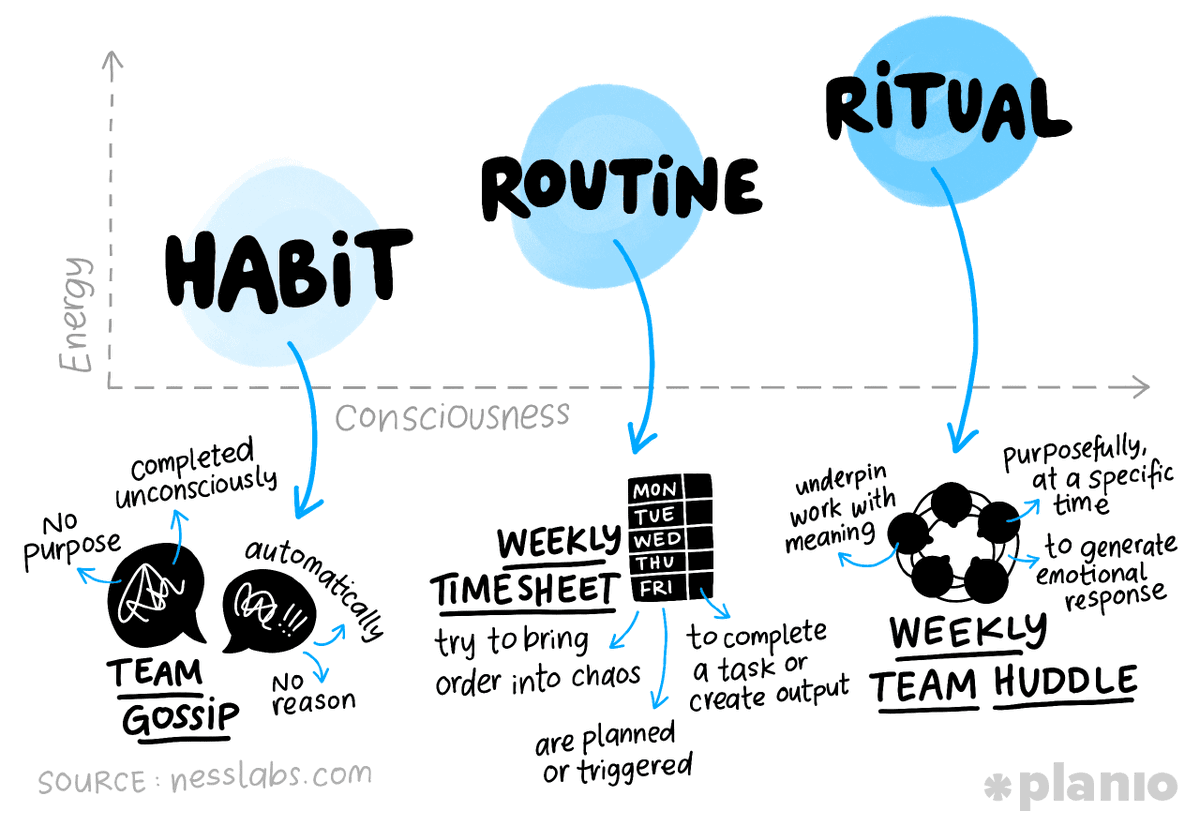
"Team rituals" are regular activities/practices that a team does together. Rituals might include huddles & stand up meetings, team lunches, check-ins & check outs, inductions & celebration of contributions. Team rituals are not "pink & fluffy, nice to do, but a distraction from the real work". They provide certainty & space for team members to engage with each other & connect to the purpose of their work. New research shows that teams with more rituals experience higher engagement, psychological safety, interpersonal knowledge & job satisfaction, all factors that lead to higher productivity & performance.
Rituals are more likely to be sustained where they:
1) Are valued by leaders
2) Are meaningful to the team & fit with team priorities
3) Become enshrined in the team's way of working
4) Are continuously adapted over time
5) Spread to other teams
Research: https://t.co/mITqSuCmG3 via @HarvardBiz .
Graphics from @planio: https://t.co/KDKIt7nVmp
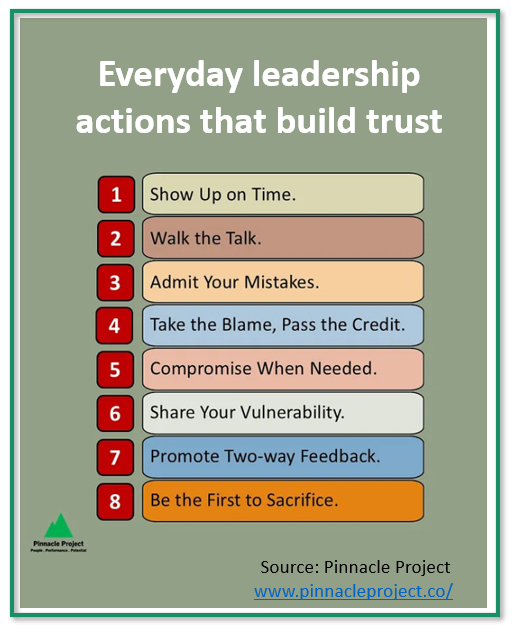
There's a growing appreciation of the importance of trust for team leadership & effective change. As leaders we are signal generators - our smallest actions & interactions can build or destroy trust. I like this piece on powerful, practical ways we can build trust with our team members (& partners, peers & collaborators): https://t.co/6lVx0PSnTI. By Pinnacle Project via @Medium
NHS managers/team leaders at (Agenda for Change) bands 6-8a directly supervise up to 80% of our NHS people. These “frontline” team leaders have an outsize influence on NHS performance.
Yet:
- They don’t have a big collective voice in opportunities to improve NHS productivity
- Only a small proportion of leadership development budgets in the NHS target them
Tomorrow I'm spending the day with four NHS systems identifying potential opportunities to unleash the potential of frontline managers and team leaders to lead change.
For more on the latent power of frontline leaders, see, eg: https://t.co/Aahj8Jftrl by @BCG.
Clare Teeney, Cheif People Officer, UHL delivering keynote address #BINAAC2024. Equity in health care can be achieved by ensuring equity in workforce. Thank you for the amazing keynote on fostering inclusion and addressing disparities. #healthequity#diversityinhealthcare
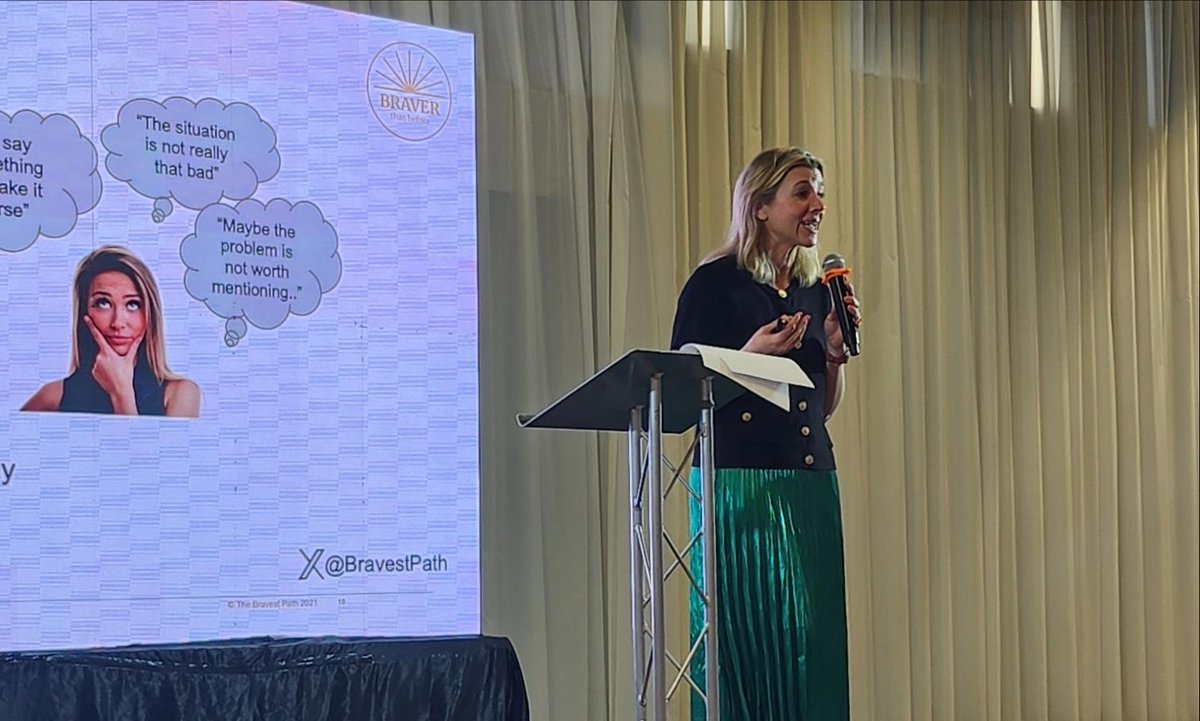
Bethan Davies, Managing director, @BravestPath
delivering an interactive session at BINA conference on holding brave conversations to improve safety in the NHS, self compassion and speaking up. #cleariskind#BINAAC2024
BINA Conference started with the traditional lamp lighting ceremony, a time honoured ritual symbolising light of knowledge and dedication in nursing.A beautiful moment of reflection and commitment to the nursing profession. @davidcoumar and other important guests lighting lamp.
#BINAAC2024 - We have started our Annual Conference 2024 “Classical dance holds a special place in Indian culture, symbolizing grace, spirituality, and tradition”. Let’s celebrate our heritage as we kick off the #BINAConference2024! ✨