Congratulations to the winners of the Goldman environmental prize! For the first time ever, all of its six winners are women activists. Each fighting for a greener, cleaner world.
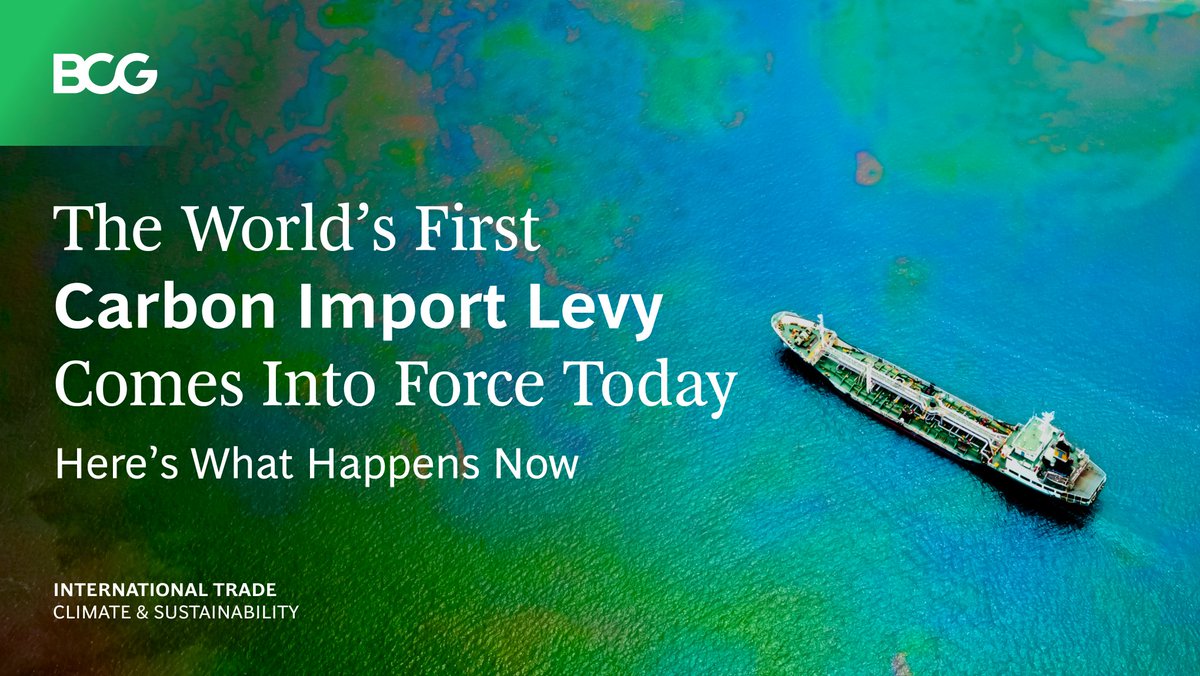
The world’s first carbon border adjustment mechanism comes into force today.
It’s the first such system in the world and will have profound implications for international #trade.
But what is CBAM and why does it matter?https://t.co/U3PqEpUn1X
Adakah laporan resmi publik tentang adanya pembeli internasional besar atau bank kreditur, yang telah secara formal mengonfirmasi penghentian pembelian kertas atau pencabutan fasilitas kredit kepada PT Toba Pulp Lestari menyusul keputusan pemerintah Indonesia?
According to the European Environment Agency, about 110 million people in Europe are exposed to harmful noise pollution that results in at least 66,000 premature deaths a year.
Can carbon trading finance #mangrove conservation?
Indonesia’s 3.39M hectares of mangroves store 3.14B tons of carbon, but experts say carbon credits alone aren’t enough. Fisheries, ecotourism & community-led models matter too.
@DMurdiyarso@hpurnomo3
https://t.co/I7VhjDm0ud
🌱 Take a free @FAO elearning Academy course highlighting the importance of forests in climate change mitigation:
Measurement, reporting and verification for environmental integrity: Introduction
👉 https://t.co/1L023Cwxf8
#AIM4Forests@energygovuk@Climateforest
➡️Definition and Purpose:
- A trading system allowing countries to exchange carbon credits
- Carbon credits represent certified reductions in carbon emissions
- Prices determined by emission caps set by countries
- Aims to direct resources to developing world
➡️Legal Framework:
- Established under Article 6 of Paris Agreement
- Two main components:
* Article 6.2: Bilateral carbon trading between countries
* Article 6.4: Participation in global carbon market
➡️Key Features:
1. Market Structure
- Supervised by United Nations body
- Requires specific standards for:
* Carbon removal
* Project assessment
* Credit verification
* Transparency
2. Accounting Challenges:
- Questions about credit attribution when:
* Developed countries finance projects in developing nations
* Determining eligibility timing for renewable energy credits
* Countries claiming credits from foreign-funded domestic projects
* Including credits in Nationally Determined Contributions (NDCs)
➡️Expected Benefits:
- Could reduce national climate plan implementation costs by $250 billion yearly
- Facilitates cross-border cooperation
- First UN-sanctioned carbon credits expected in 2025
➡️Implementation Status:
- Basic framework in place since 2022
- Recently cleared at COP29 in Baku
- Still needs finalization of implementation methodologies
- Connected to New Collective Quantified Goal (NCQG) for climate finance
The market is seen as a crucial tool for achieving global climate goals, though some implementation details are still being worked out.
India accounts for a per cent of the global total carbon dioxide (#CO2) emissions, and this is expected to increase by 4.6 per cent in 2024, according to a new report released on Wednesday, ahead of the UN climate conference in Baku, #Azerbaijan.
#BakuSummit#TheStatesman
AI for sustainable landscapes? 🤖 In tomorrow's #GLFLive, we’ll dive into AI’s role in Africa’s food systems & explore the ethical considerations. Don’t miss the discussion!
🔗 Save the date: https://t.co/qlsz2KgdoN
#GLFAfrica#ThinkLandscape
@NetaGrow @CIFOR_ICRAF @AntonTechBW
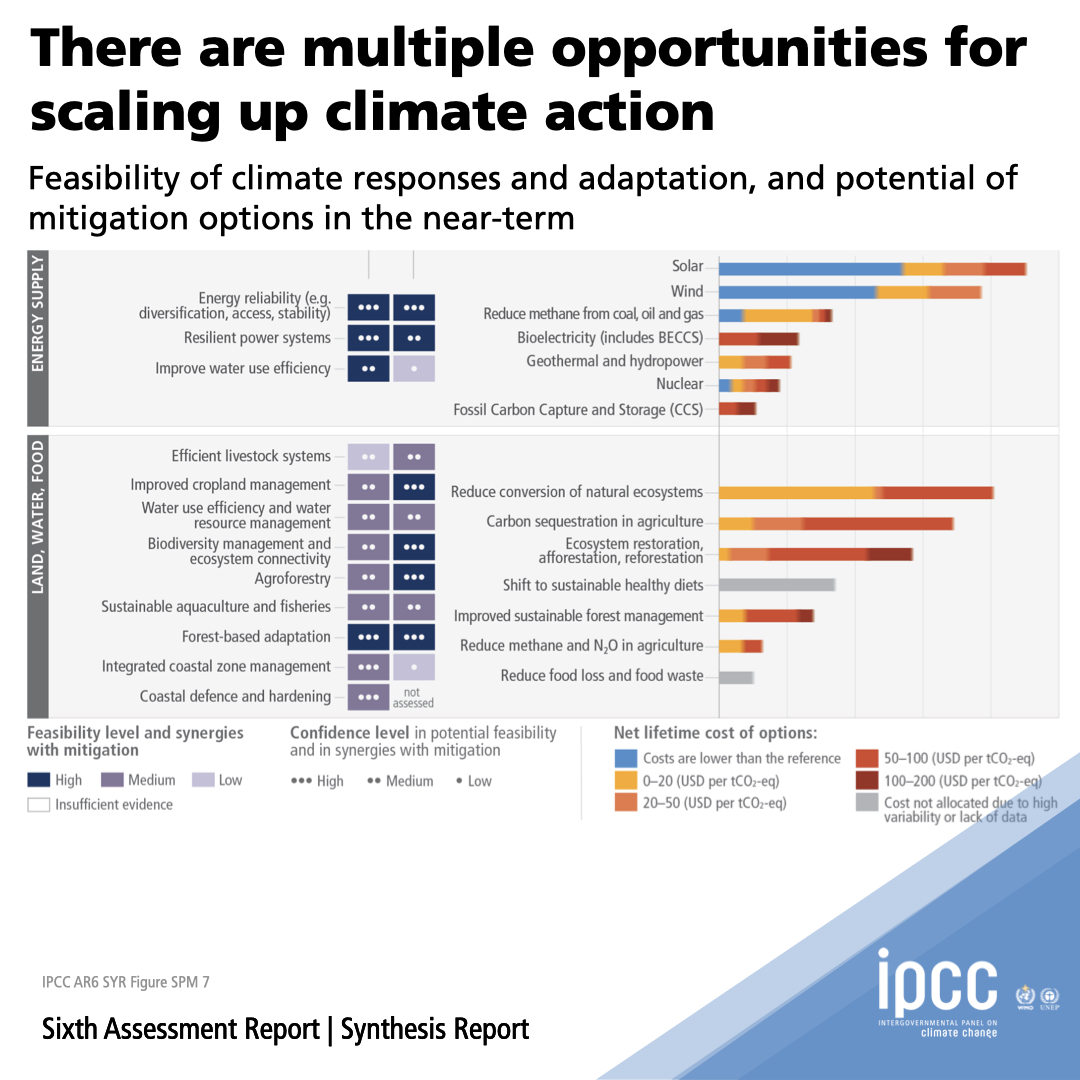
4️⃣ ways in which we use our land, water & food that have the largest potential to scale up #ClimateAction:
✅ Reduce conversion of natural ecosystems
✅ Carbon sequestration in agriculture
✅Ecosystem restoration, afforestation, reforestation
https://t.co/zAMzd12lR7
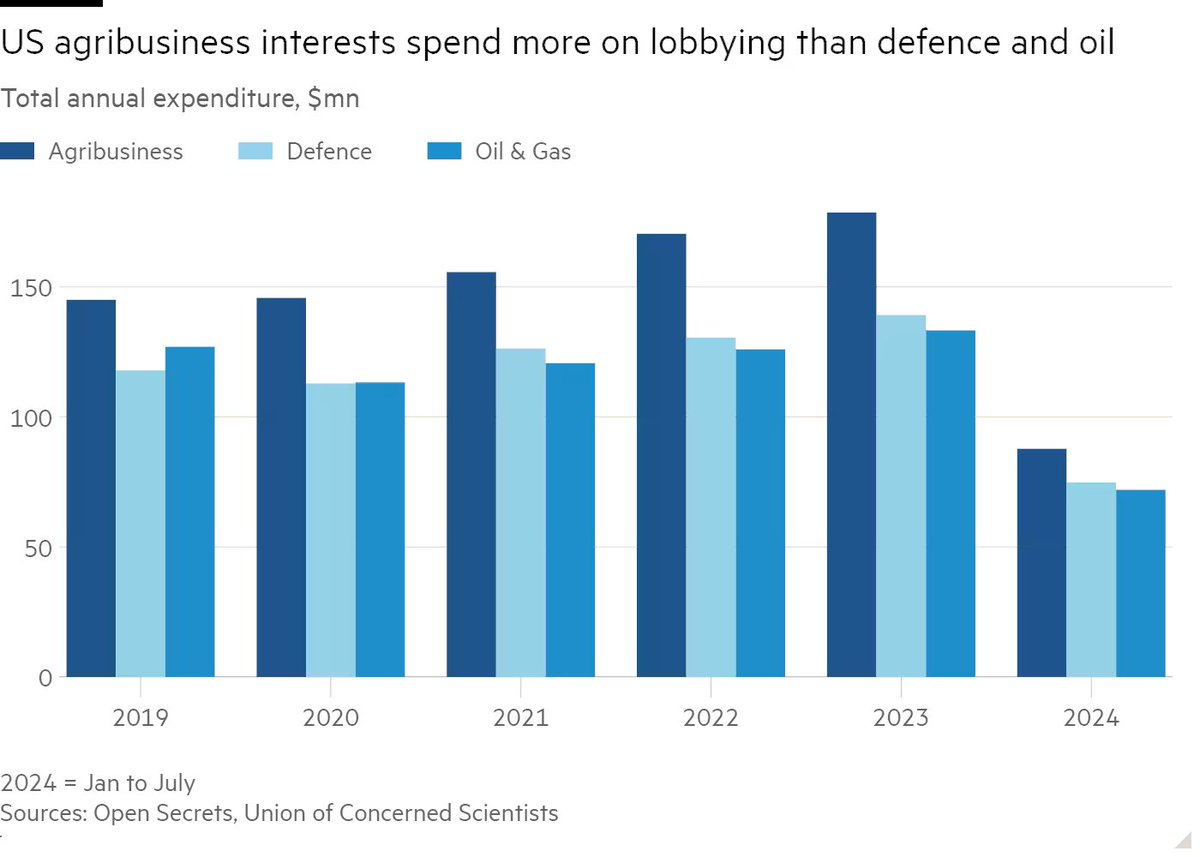
Did you know agriculture spends more on lobbying in the US than the oil & gas or the defence sectors?
More on Big Ag's big lobbying in our read today @SavageSusannah@Michael_Pooler
https://t.co/LgjQYXcQGI
#BogDay 2024 | Countries urgently need to take action on greenhouse gas emissions linked to #deforestation and peatland degradation. @TraseEarth data found that commodity-driven peatland loss and deforestation emit more carbon than #Germany 📈
https://t.co/q5SXTq0w4c