Humans are bad at hiring.
Not because we don’t try hard - but because our psychology betrays us.
Centuries of cognitive evolution + flawed social reasoning = bad bets on people.
Let’s unpack why. 👇
👀 This candidate looked completely real.
Until one question exposed the deepfake.
Would your hiring team catch it?
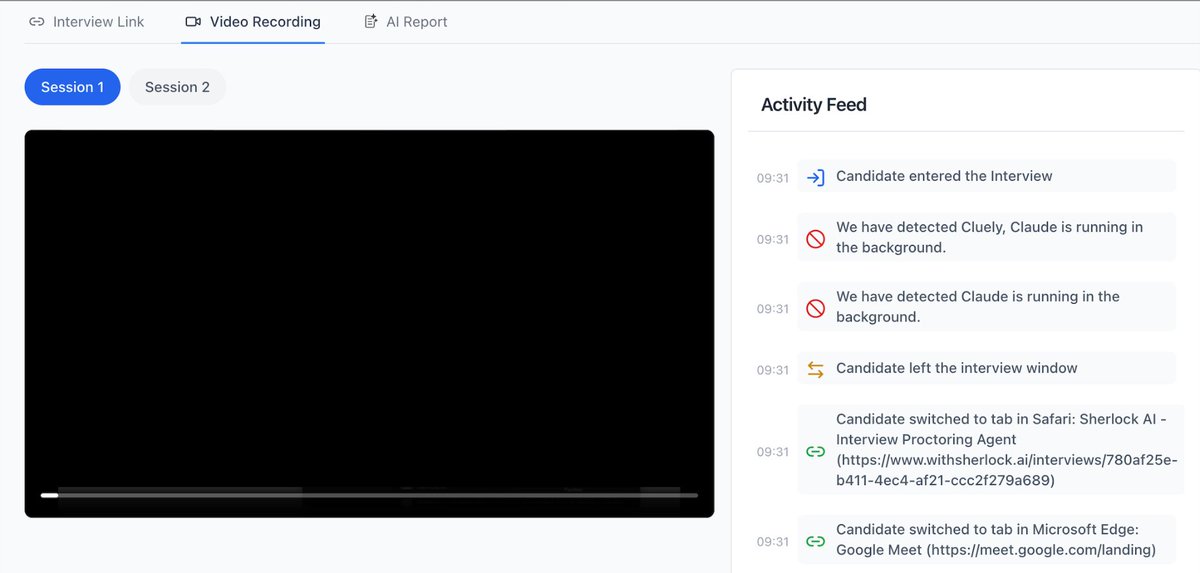
Sherlock AI detects AI-powered interview fraud before you make the wrong hire.
👉 https://t.co/IxgaQWDIab
#SherlockAI#Deepfake#Hiring#Recruitment#AI
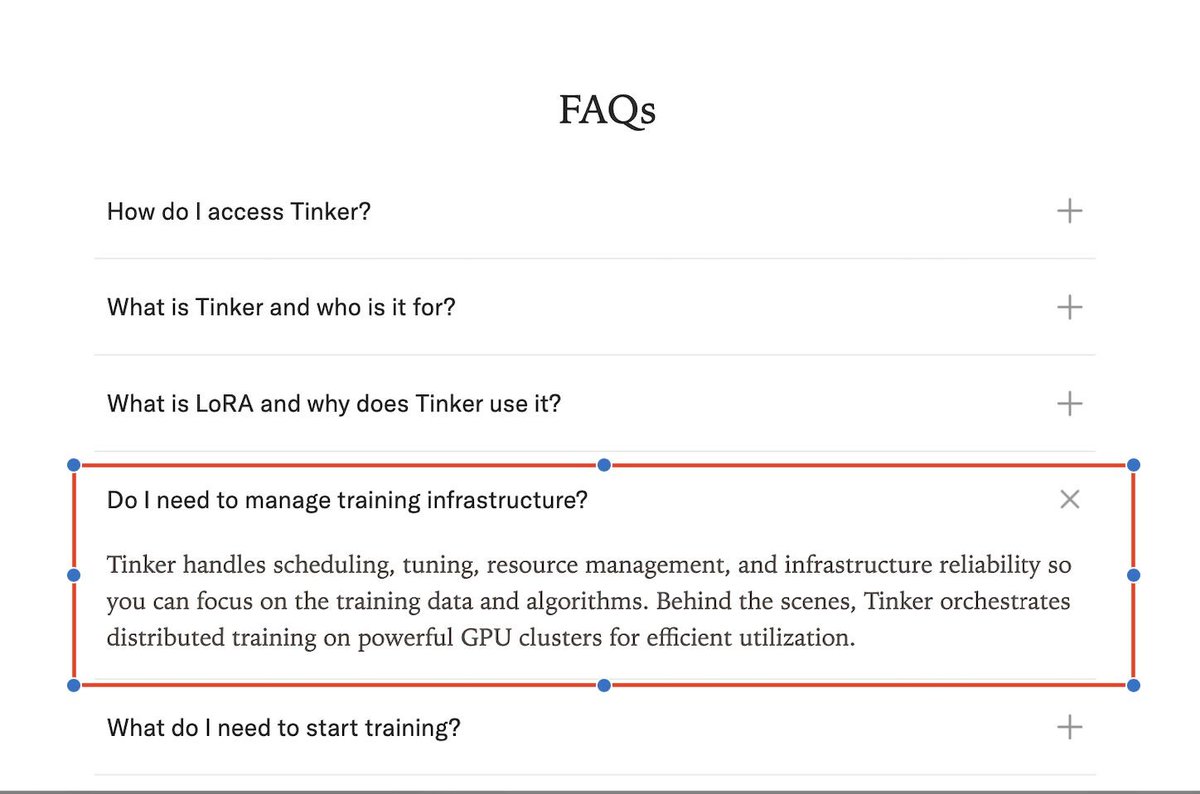
Couldn't anticipate last year models training would abstract so fast.
Such an interesting trend to see AI infra moving one layer up the stack.
When training infra becomes programmable through APIs, the bottleneck wouldn't be distributed computing but the boring stuffs.
AI fraud in job interviews is the iceberg no one’s talking about.
A candidate logs on.
Their responses are flawless, even charming.
But you’re not speaking to them you’re speaking to their AI agent.
This isn’t sci-fi. I’ve seen it happen.
Eye faking. AI teleprompters.
Flawless transcripts fed instantly.
It’s easier than ever to fake expertise and pass screening rounds.
Here’s what most hiring teams are missing:
You’re not just interviewing for skills.
You’re interview for credibility
What happens when you hire someone who can’t deliver what their “AI agent” sold you?
The old ways - gut feeling, resume checks, standard interviews—are officially obsolete.
We need new defences:
- Live, unscripted problem solving
- Deeper reference checks
- Skills assessments in the workflow
The future of recruiting? It’s not just about finding great talent. It’s about seeing past the façade.
How are you protecting your hiring process from AI fraud?
@benln Feel the same. Never got why people complicate meetings with Zoom or Teams - slow, and annoying sign-in flows.
Guess zoom/teams users stereotype Google Meet users as SMBs or bootstrappers, but Google itself runs on Meet. Can’t get more enterprise than that.