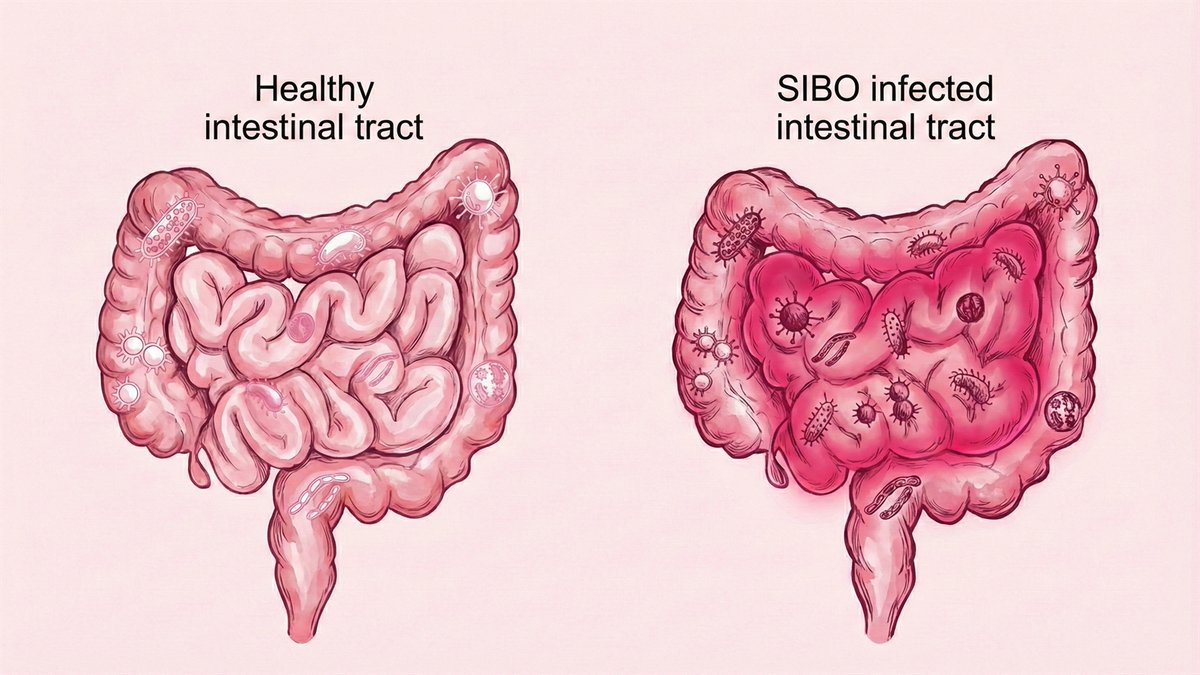
The reason your SIBO keeps coming back: you're nuking the bacteria without fixing motility or repairing the gut lining.
Here's my three-phase protocol that actually addresses why the overgrowth happened in the first place:
Cellulite typically isn't a fat distribution problem. It's a connective tissue and inflammation problem.
What happens is the cellulite forms when fat herniates through weakened collagen septae in the subcutaneous layer. The question is why those septae weaken and why that tissue becomes inflamed and fibrotic.
As I see it there are three (main) reasons -
Oxidized PUFAs from processed oils incorporate directly into cell membranes and adipose tissue. Once there they generate localized oxidative stress and inflammatory signaling in the fat tissue itself. This damages the connective tissue matrix surrounding fat cells - exactly the environment that produces the dimpling pattern.
Estrogen dominance - increasingly driven by xenoestrogens from plastics, BPA, phthalates, and synthetic fragrances - directly promotes fat storage in hips, thighs, and glutes while simultaneously weakening collagen. Estrogen receptor activation in adipose tissue also promotes the fibrotic changes that make cellulite permanent-looking rather than just soft. This is why cellulite is usually a female issue and why it's gotten worse as plastic exposure has increased.
Vitamin E deficiency - is the piece nobody mentions. Tocotrienols specifically protect polyunsaturated fats in cell membranes from oxidation. Low vitamin E means the PUFAs in your tissue oxidize faster, the inflammatory burden is higher, and connective tissue repair stalls.
The form of the nutrient matters as much as the dose. Most cheap multivitamins are technically accurate on the label and nearly useless in the body which I see all the time, I'll mention the biggest hitters, but really make sure you understand what you consume EVERY TIME.
Folic acid instead of methylfolate. Folic acid is synthetic and requires the MTHFR enzyme to convert it into the active form your cells can use. Roughly 40% of people have an MTHFR variant that impairs this conversion.
Cyanocobalamin instead of methylcobalamin. Cyanocobalamin is the cheapest form of B12. Your body has to remove a cyanide molecule before it can use it - small amount, but an unnecessary detox burden. Methylcobalamin is the bioavailable form that actually enters the methylation cycle.
Magnesium oxide is the most common form in multivitamins. Absorption rate is around 4%. It's cheap, stable, and nearly inert in your body. Magnesium glycinate for example - absorbs at roughly 80%.
Vitamin D without K2 - already a problem on its own, but in a multivitamin context where D doses are low, people assume they're covered and never supplement separately.
The kidney point is real but the liver and brain take the bigger hit from what i've seen.
Artificial dyes are xenobiotics - compounds your body has no natural pathway to process. The liver treats them like toxins, running them through phase 1 and phase 2 detoxification.
This consumes glutathione, your liver's primary detox molecule. Every batch of brightly colored cereal is a small withdrawal from a pool most people are already running low on.
The brain connection is where it gets important. Several artificial dyes - Red 40, Yellow 5, Yellow 6 - have been shown to interfere with glutamate and dopamine signaling in the brain. Glutamate is your main excitatory neurotransmitter. When its regulation breaks down, you get a brain stuck in overstimulation - inability to focus, impulsivity, emotional dysregulation, sleep disruption.
This is the mechanism behind the dye-ADHD link that mainstream medicine keeps calling "inconclusive." The UK and EU require warning labels on foods containing these dyes stating they may cause hyperactivity in children. The US doesn't, wonder why.
Studies show people with multiple skin tags have significantly higher fasting insulin, higher HbA1c, and higher triglycerides than people without them. One study found skin tags predicted insulin resistance with similar accuracy to standard clinical markers.
They're not caused by friction. Friction is where they appear. Insulin is why they grow.
The same mechanism drives acanthosis nigricans - the dark, velvety patches that appear on the neck and armpits alongside skin tags in insulin resistant individuals. Different presentation, same root signal.
What this means practically: if you're developing new skin tags, your body is showing you years of metabolic dysfunction on the surface of your skin before it shows up clearly on standard bloodwork.
Fix the insulin environment and new ones stop forming.
Skin tags are not a cosmetic issue. They're a metabolic warning sign.
Those small soft growths that appear on the neck, armpits, groin, and under the breasts - are strongly associated with insulin resistance and elevated insulin levels. Chronically high insulin activates IGF-1 receptors in skin cells, triggering abnormal proliferation of collagen fibers and skin cells in areas of friction. The skin is literally responding to your metabolic environment.
Collagen supplements won't work without it's cofactors, truly important to remember.
Your body can't assemble collagen without vitamin C and copper. Vitamin C activates the enzymes that crosslink collagen fibers - without it your body produces weak, unstable collagen regardless of how much you supplement. This is literally what scurvy is - collagen that falls apart because there's no C to stabilize it.
Copper activates lysyl oxidase - the enzyme responsible for the final crosslinking step that gives collagen its tensile strength. Most people aren't severely deficient but chronically low copper is common, especially in people taking zinc long term without balancing it.
The other piece worth knowing: collagen is roughly 25-30% glycine by weight, making it one of the best dietary sources of an amino acid most people don't get enough of from muscle meat alone. Glycine also directly fuels gut lining repair alongside butyrate - which is why bone broth has a genuine biological basis for gut healing.
Worth adding the co-factors most people completely ignore when supplementing D3.
Vitamin D3 raises calcium absorption significantly - which is exactly what you want for bones, but a problem if K2 isn't present to direct that calcium away from arteries and soft tissue and into bone where it belongs. Without K2, high dose D3 long term is a calcification risk.
MK-4 specifically - not just any K2. MK-7 gets more attention because it stays in circulation longer, but MK-4 is the form that activates osteocalcin in bone tissue most directly and is the dominant form found in the brain, pancreas, and arterial walls. They work through different pathways. Ideally both.
Magnesium is the one almost nobody mentions - and it's critical. Magnesium converts D3 into its active form (calcitriol) in the kidneys. Without sufficient magnesium you can supplement D3 indefinitely and never fully activate it. Low magnesium also means the calcium D3 mobilizes has nowhere to go properly.
Would combine with -
MK-4 + MK-7
Magnesium glycinate or chloride
Adequate dietary calcium
Most people think cancer just needs sugar. Reality: cancer cells use FOUR MAIN FUEL SOURCES and switch between them based on availability and the type of tumor - this metabolic flexibility is why they're so hard to kill.
Cancer's Metabolic Arsenal:
Glucose - The primary fuel via the Warburg effect. Even with oxygen, cancer ferments glucose to lactate instead of oxidizing it fully. This seems inefficient (18x less ATP per glucose), but it's fast and generates biosynthetic precursors. Cancer compensates by upregulating glucose transporters (GLUT1), consuming 10-200x more glucose than normal tissue.
Glutamine - Second most consumed after glucose. Supplies nitrogen for DNA/protein synthesis and carbon to maintain the TCA cycle when pyruvate is shunted to lactate. Many cancers exhibit "glutamine addiction" - they undergo apoptosis without it even with abundant glucose. Oncogene-driven cancers (MYC, KRAS) particularly depend on glutamine.
BEFORE doing it, make sure you understand WHICH TYPE of tumor you have, and the metabolic pathways to it.
Some tumors actually thrive on ketones more than on sugar, which is the dangerous part, and then metabolic understanding may be the key to unlock healing from another direction even.
If your tumor feeds on sugar, or even on ketones+sugar, I really saw some interesting results with fasting, and it's worth investigating. Always make sure to understand your cancer type AS MUCH AS YOU can before going either way, because if it feeds on ketones, the last thing you want is to feed it because of an assumption.
The CEO of Pepsi was recorded saying he'd never let his family touch any of their products.
Mark Zuckerberg puts tape over his laptop's camera & microphone.
Steve Jobs banned his kids from using the iPad.
Bill Gates strictly limited his children's tech use.
The CEO of McDonald's would barely touch a Big Mac .
DRUG DEALERS NEVER CONSUME
@KYWildcat41063@CarlosMagnoXXI@dr_ericberg I don't recall telling you to be healthy or saying that I'm a Healthcare professional 🤣
I will share more of my IRL soon, but idk, dont feel like I need to show my body on demand to strange men online
Would time it according to your breakfast, if you eat at 8 AM, then 4 PM.
I know it's less convenient for most, but insulin sensitivity is higher during the morning, and goes down during the day.
I will detail more about it in posts about the topic of fasting, but thats the jist of it
Ideally eat big breakfast, if you must lunch, and then start.
I would say in long fasts(48h+) the significance of when you start isn't very critical though(unlike 16:8 fasts, then it matters a lot).
The priority in long fasts is always hydration. I will detail more about my protocol for autophagy purpose fasts if people are curious.
Taurine is one of the most underrated calming compounds that exists.
It activates GABA receptors directly and buffers calcium influx during neuronal overstimulation. It doesn't just calm you down subjectively - it mechanistically protects neurons from their own excitatory damage.
Far from just something you see on energy drink labels.
Your omega-3 supplement might be doing more harm than good.
Fish oil is one of the most unstable supplements you can buy. EPA and DHA oxidize rapidly when exposed to heat, light, and oxygen. Once oxidized, you're not getting anti-inflammatory omega-3s - you're getting lipid peroxides and malondialdehyde, which actively generate oxidative stress.
The opposite of what you paid for.
The problem starts before it reaches you. That bottle sat in a warehouse, then a truck, then a shelf - potentially for months at room temperature or higher. A study testing North American omega-3 supplements found 50% exceeded recommended oxidation limits before expiration.
The fishy burp isn't just unpleasant. It's your body telling you the oil is rancid.
Krill oil has a meaningful advantage here. The omega-3s are bound to phospholipids instead of triglycerides, which improves absorption at lower doses. More importantly, krill naturally contains astaxanthin - a potent antioxidant that provides built-in oxidation protection. It's also why krill oil is red. The tradeoff is, krill oil rarely comes refrigerated, and the amount of O-3 fatty acids you'll get isn't the best value for money.
One honest caveat: astaxanthin degrades over time, so freshness still matters.
What to look for for any Omega 3 supplement:
– Refrigerated shipping or cold chain delivery
– Ideally dark glass or opaque packaging
– Third party IFOS certification
Smell it when it arrives - it should smell like the ocean, not a fish market
Store in the fridge immediately.
If it smells off, throw it out. Rancid omega-3 is worse than no omega-3.