$5.59 bought an AI agent a broad market intelligence sweep across regime, breadth, leadership, signals, screening and portfolio analysis. The real question is what it would cost a builder to recreate the intelligence behind those calls. https://t.co/5rczRMd06R
@GregsonWorks No, and I don't think a seller should grade itself. That's the buyer's job, or an independent reviewer's like 402reviews. Our job is to make it checkable: free tools and a free catalog to test before paying, and every paid answer comes from the same rules since 1980.
@lonniev One layer worth adding before it reads your book: market structure. The Stock Trends API and Remote MCP give an agent weekly trend classifications, breadth, relative-strength leadership and regime, classified the same way for decades. Context for the report, not calls.
@PayAINetwork Matches what we see selling data to agents at Stock Trends. No cart, no account: the agent reads the pricing catalog, pays per call over x402, gets the answer. One capped sweep: 17 paid calls, 0 failures, $5.59 of a $10 cap.
@amirsadjady@CoinbaseDev Before paying anything, the agent priced its plan from the free catalog and workflow endpoints: estimated max $7.35.
Then every call settled on-chain. Two of the 17:
Market regime, $0.15
https://t.co/SjNPozIyBf
Portfolio compare, $1.25
https://t.co/dn4OSa7mrd
@0xkvro "78% of the return was just the market" is the key line. Most agents read raw prices and never check what the market is doing first. Stock Trends sells agents that context per call: regime, breadth, trend state and relative strength vs the market, same rules for decades.
@LukeYoungblood@mamo Smart to hide the plumbing from users. Underneath, the agent still needs more than prices: is the trend maturing, how strong is it vs the market. That's the layer Stock Trends sells to agents per call, so apps don't have to build it.
@vet402_com@x402@Celo@prezenti_grants Right question. A settled payment proves money moved, not that the data was delivered or useful. As a seller I welcome it: an agent paying Stock Trends should be able to check what it got, call by call, before it pays again.
@orthogonal_sh That's the customer we see too. At Stock Trends an agent reads the free catalog, prices the job, then pays per call over x402. No sales call, no signup. The work moves from closing deals to being findable and worth the call.
@TxnSheng Congrats on the listing. As a seller, Stock Trends prices agent calls from $0.0025, so settlement has to be cheap and reliable for micropayments to work. Good to see more of the stack backing x402. We've applied to be listed in Circle's seller directory too.
@DylanGrabowski@gsmachado@SmartEconomyPod Agreed, it's our experience at Stock Trends: micropayments are core to how agents buy our data, and only stablecoin rails make them work. Same $5.59 of data: one card charge pays $0.46 in fees. 17 separate x402 calls on Base: about $0.03 in network fees. https://t.co/rTmYKCN5tA
@amirsadjady@CoinbaseDev Before paying anything, the agent priced its plan from the free catalog and workflow endpoints: estimated max $7.35.
Then every call settled on-chain. Two of the 17:
Market regime, $0.15
https://t.co/SjNPozIyBf
Portfolio compare, $1.25
https://t.co/dn4OSa7mrd
@mvellank Agree, and there's a layer before the runtime too: context. An agent that only sees a price feed has to guess what kind of market it's in. Stock Trends gives it weekly trend states, breadth, RS leadership and regime, classified by the same rules since 1980, to check first.
@ChenFinNotes@getDrivenAI Agents that keep monitoring the market need context, not just prices. Stock Trends classifies stocks and ETFs into trend states every week, plus breadth, RS leadership and regime, callable through our API and Remote MCP. Happy to compare notes. https://t.co/AMLBhtO0cA
@emmacui@a16z@promptingco Same with trading agents. Ask if a strategy works and it backtests the recent tape. Tell it to check across bull, bear and sideways regimes and the answer can flip. Stock Trends gives agents that regime history, classified weekly since 1980, via API and MCP.
Point 1 is where most agents are weakest. Given raw prices, it has to work out trend and regime itself. Stock Trends gives agents that layer pre-computed: weekly trend states, relative strength, breadth and regime, by the same rules since 1980.
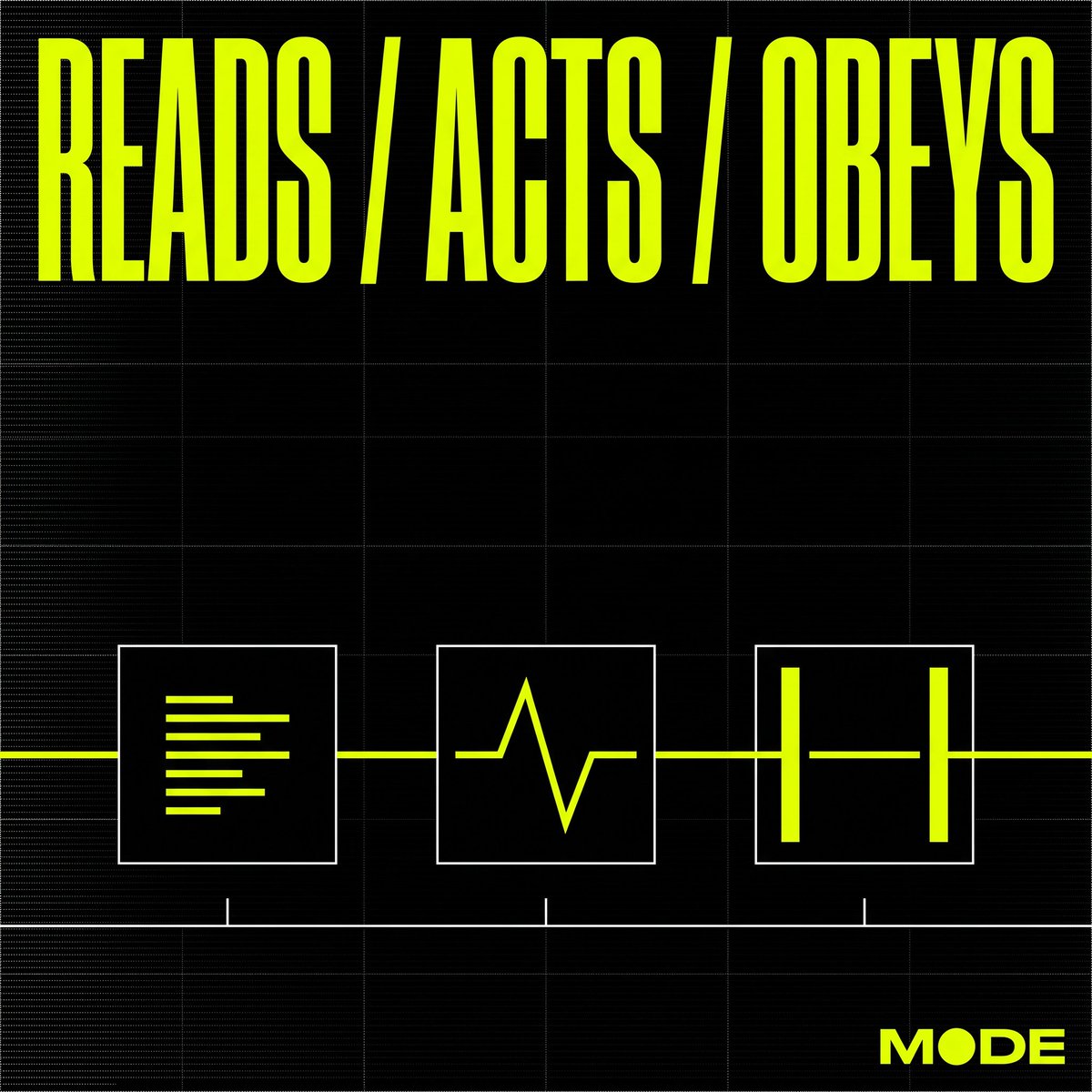
An AI trading agent is only as good as three things:
1. What it reads (data)
2. What it acts on (signals)
3. What it can't override (your rules)
Weak link in any of them and the whole thing wobbles.
https://t.co/8EQNYxDkYl
@thegreatola Live data covers now. For testing, agents also need how setups behaved before. Stock Trends has weekly trend classifications, relative strength, breadth and regime by the same rules since 1980. Public Remote MCP with free tools, nothing to install. https://t.co/AMLBhtO0cA
@hryhorii77@base Nice build. Price at 3am is step one. The next thing an agent asks is context: what trend state the stock is in, relative strength vs the market, whether the broader regime supports the trade. Stock Trends serves that per request over x402, USDC on Base.
@tokenterminal@base As tokenized stocks move to Base, agents on Base will trade them, and they'll want what a human analyst wants first: trend, relative strength, how the underlying behaved in past regimes. The data upstream of the trade becomes part of the product.
@massive_com Good timing. Vol spikes are when agents need history, not just the tape. Pair past IV with trend context (where a stock sits in its trend cycle, relative strength vs the market) and agent answers get a lot more useful. Glad to see more market data over MCP.
@alecglovett@grok@OpenAI 60%+ w/w is wild. The next question is what those agents spend on. On the data side we see it already: an agent prices a Stock Trends job from a free catalog, then pays per call in USDC via x402. Price before spend is what turns wallets into buyers.
An important distinction in the emerging B2A economy: being discoverable by agents and being valuable to agents are two very different things.
At Stock Trends, we've made decades of proprietary market intelligence discoverable, machine-readable and autonomously purchasable via API, MCP and agentic payment rails.
The next frontier is demonstrating that an agent makes a better decision because it consumed that intelligence.
Discovery earns consideration. Demonstrable intelligence earns repeat business.
That's where I believe the real competitive moat in the agent economy will emerge.
Agents are the next big distribution channel for products, services, and software.
But how do they decide what to recommend?
@omooretweets and I did a deep dive with @promptingco - and we're sharing takeaways after running 11k+ agent tests 👇 https://t.co/9tPBG9NJvj
For sure. But the promise of the agentic economy is accountability. It's not "hey, let's give my teenage daughter my credit card!" Machines will ultimately be held to account. Did they not only do the job, but also do it efficiently and cost effectively? Did another agent do it better?
Pay-per-call endpoints for agents are becoming normal. On Base, an agent ran a budget-capped sweep of 17 paid x402 calls against the Stock Trends API, from market regime through portfolio construction: all settled in USDC, 0 failures, $5.59 of a $10 cap.