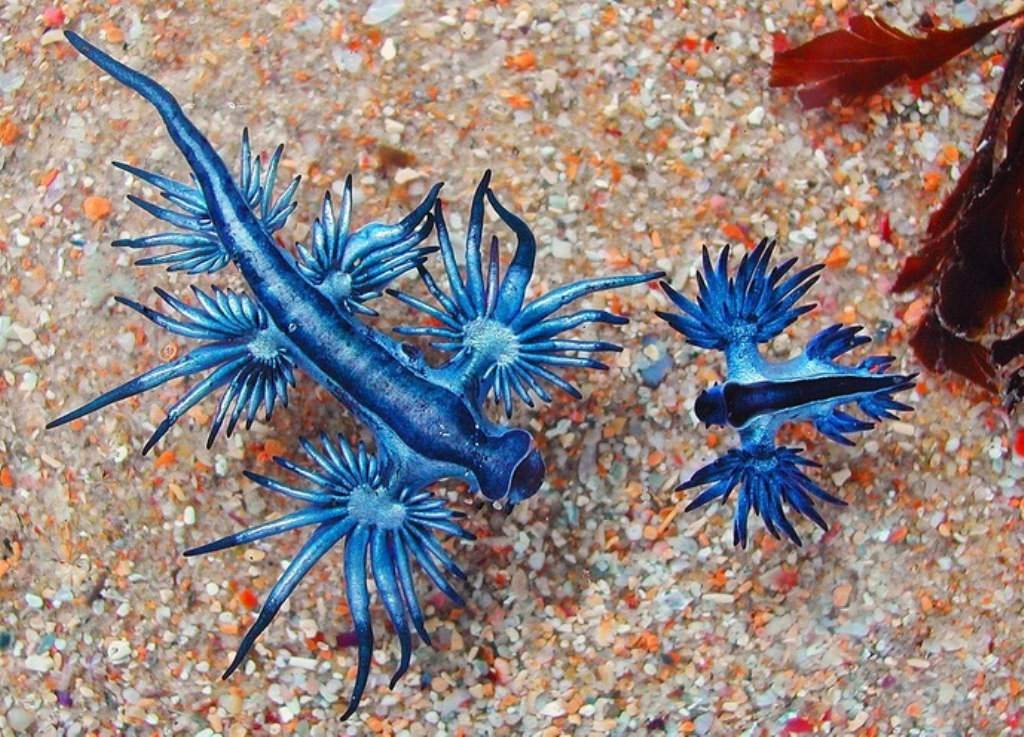
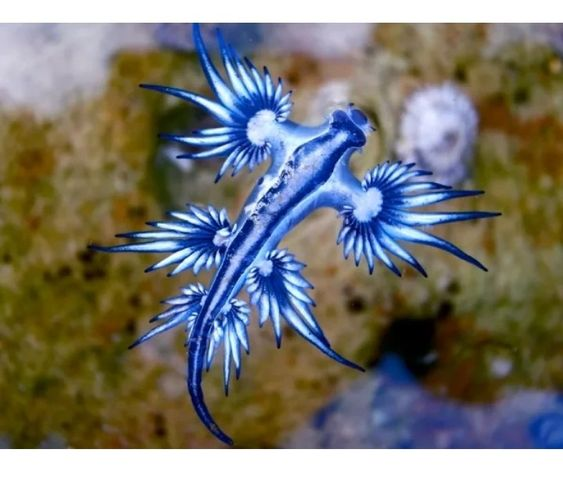
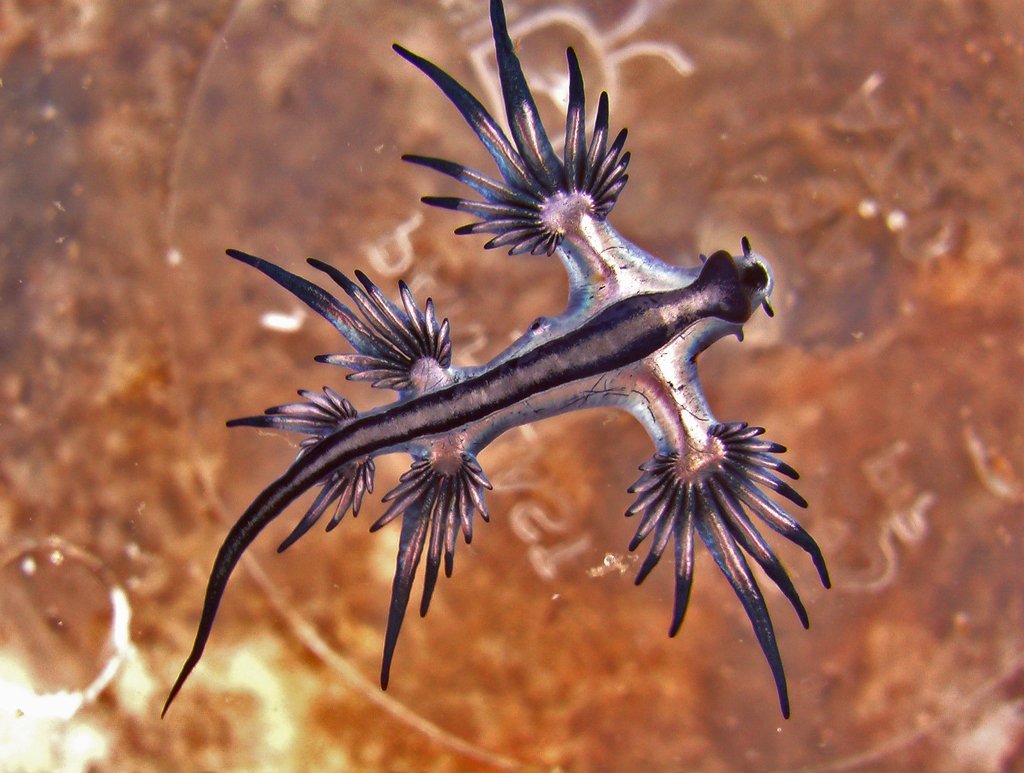
Glaucus atlanticus (blue sea dragon, sea swallow, blue angel, blue glaucus, dragon slug, blue dragon, blue sea slug and blue ocean slug) is a species of small, blue sea slug, a pelagic aeolid nudibranch, a shell-less gastropod mollusk in the family Glaucidae.
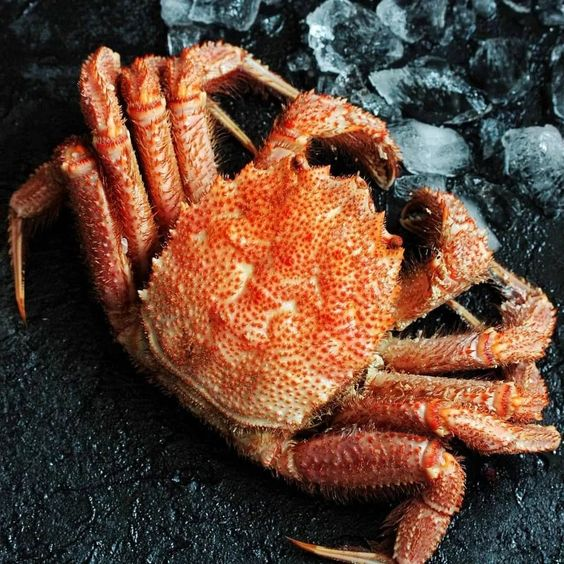
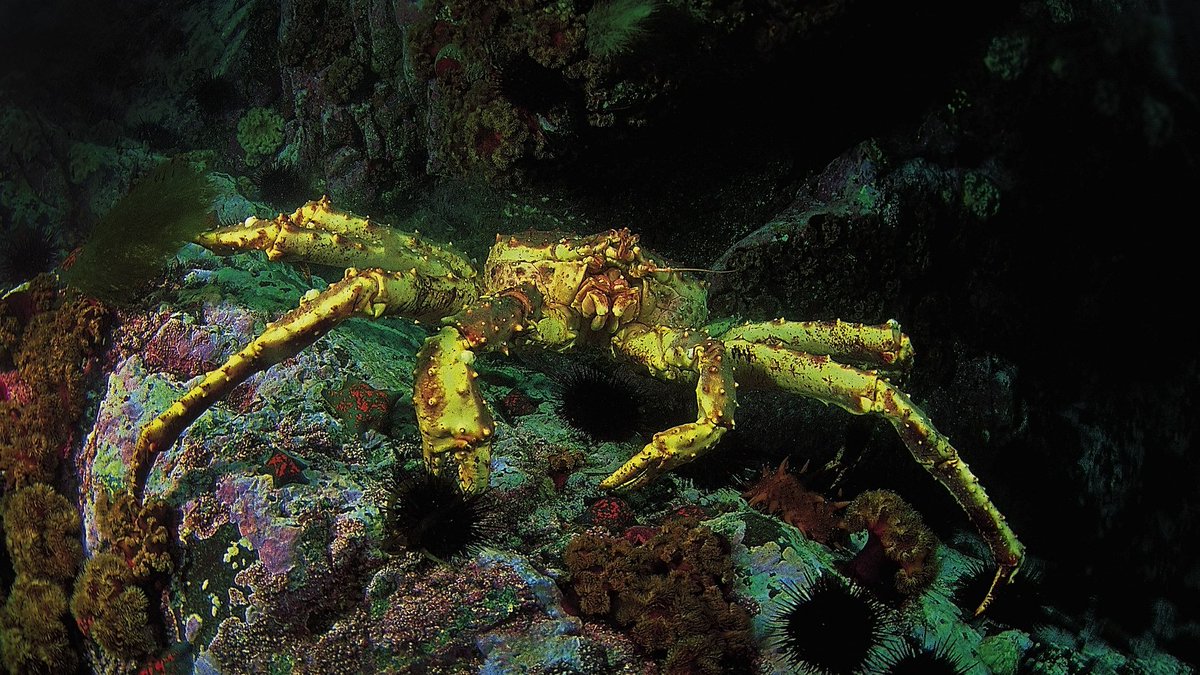
The red king crab, also called Kamchatka crab or Alaskan king crab, is a species of king crab native to the Bering Sea and Gulf of Alaska. It was introduced to the Barents Sea. It grows to a leg span of 1.8 m, and is heavily targeted by fisheries.
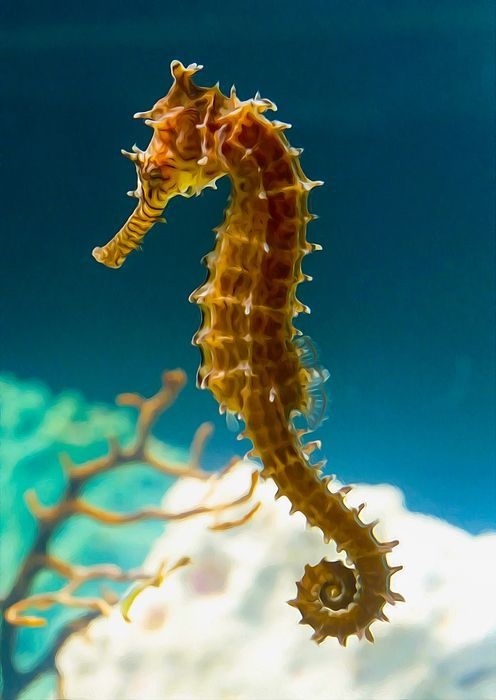
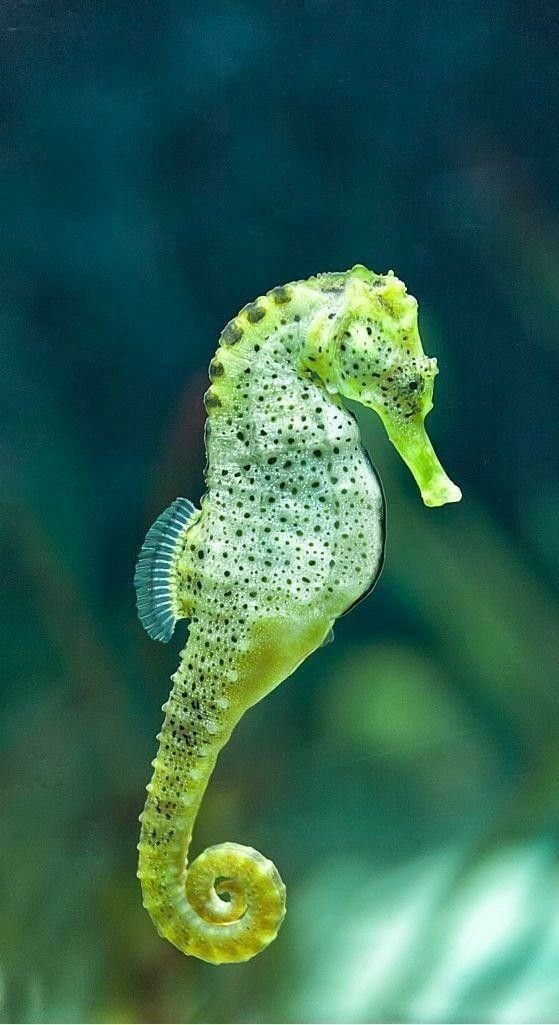
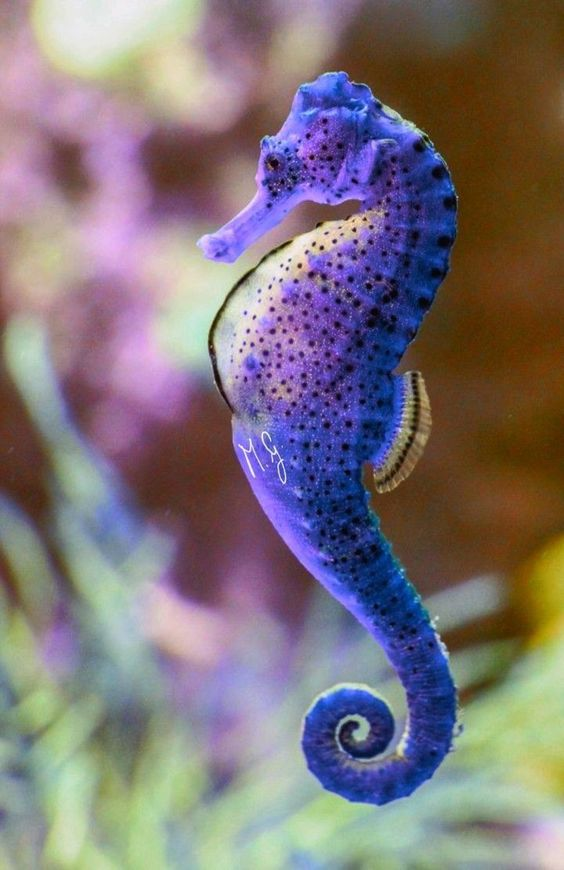
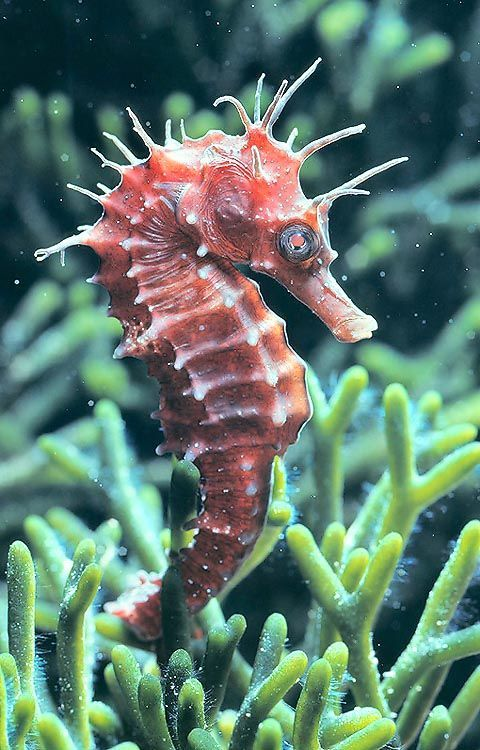
A seahorse is any of 46 species of small marine fish in the genus Hippocampus. Having a head and neck suggestive of a horse, seahorses also feature segmented bony armour, an upright posture and a curled prehensile tail.
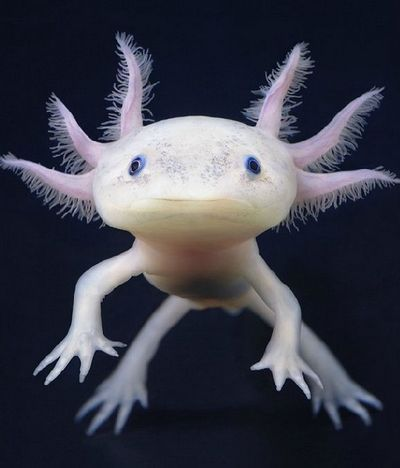
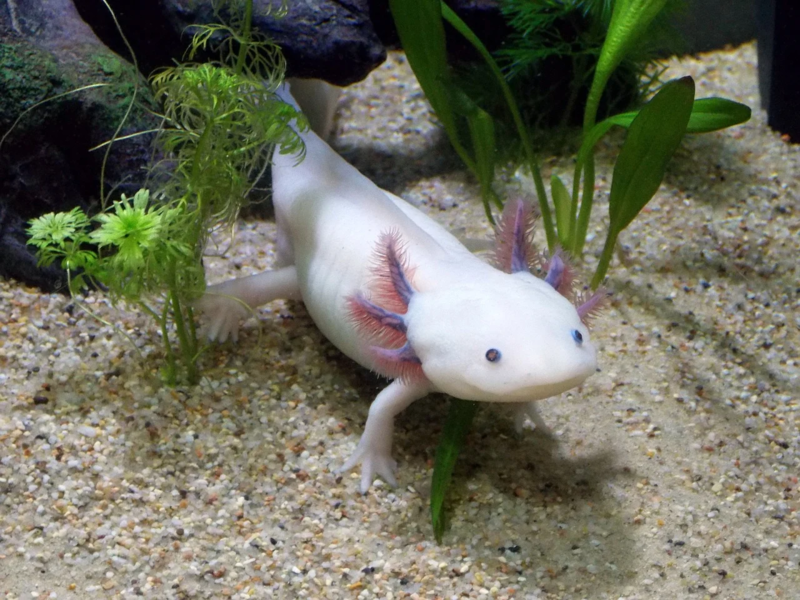
The axolotl is a paedomorphic salamander related to the tiger salamander. The species was originally found in several lakes, such as Lake Xochimilco underlying Mexico City. Axolotls are unusual among amphibians in that they reach adulthood without undergoing metamorphosis.
Crinoids are marine animals that make up the class Crinoidea, one of the classes of the phylum Echinodermata, which also includes the starfish, brittle stars, sea urchins and sea cucumbers.
The cornetfishes or flutemouths are a small family, the Fistulariidae, of extremely elongated fishes in the order Syngnathiformes. The family consists of a single genus, Fistularia, with four species, found worldwide in tropical and subtropical marine environments.
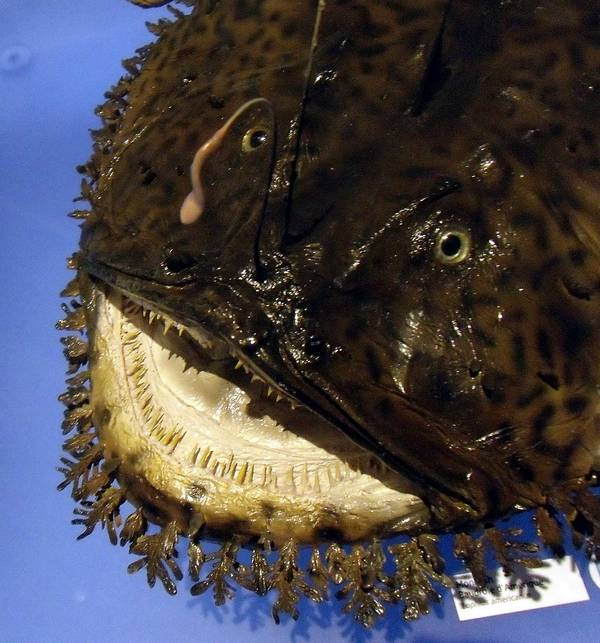
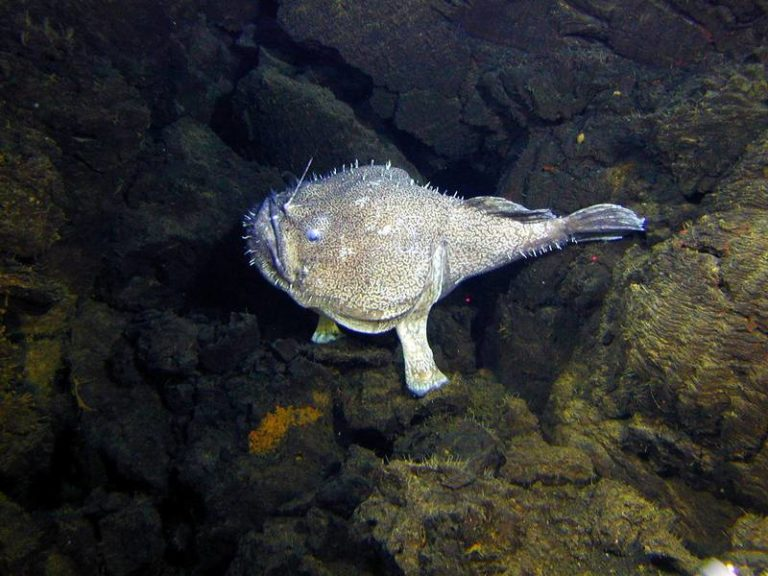
Monkfish, or anglerfish, is a predatory sea bottom fish that belongs to the class of ray-finned fish. These are rather large predatory fish that live on the bottom and reach a length of 1.5-2 meters. The monkfish weighs 20 or more kilograms.
Argyrosomus regius is a fish of the family Sciaenidae. It is similar in form to a European seabass, with a pearly-silver coloration and a yellow-coloured mouth. Length can range from 40–50 cm to 2 m long, with weights up to 55 kg.
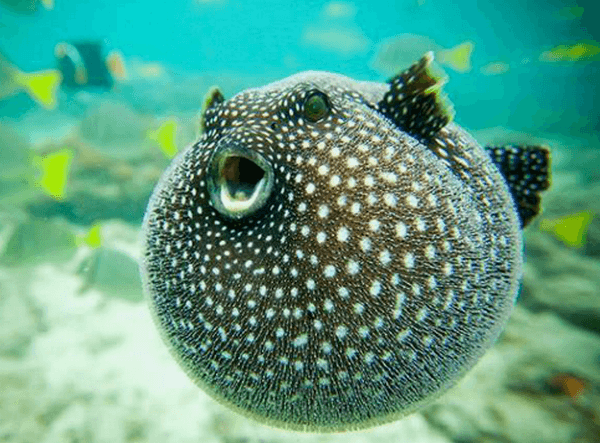
Puffer fish contains a lethal dose of tetrodotoxin in internal organs, mainly in the liver and caviar, gallbladder and skin. The liver and caviar of puffer fish are the most poisonous.
Oratosquilla oratoria. They can be of different colors, from inconspicuous to the brightest, like pink or yellow. They feed on scraps or crumbs from the ocean floor. They are found in shallow waters in tropical or subtropical marine bodies, most of the time they hide in burrows.