India’s fastest growing brand is not in apparel or beauty but 1,000 Cr explosive food startup La Pino’z
La Pino’z appears tiny compared to Domino’s. La Pino’z began 16 years after Domino’s. LP has raised 0 capital. Founder had no food background. LP struggled in its first year. Giant QSR brands have died prematurely in India. Far from explosive, it appears destined to be gobbled up.
But opening the oven reveals India’s first 10,000 Cr potential QSR brand going global
Sanam Kapoor had a stable job at HCL. Despite this, he wanted to start something. Nudged by his Dad, Sanam left HCL in 2011. But he didn’t go to start a hot tech co. Instead, he started a tiny 120-sq-ft pizzeria. Not in Bangalore, but Chandigarh. Kapoor’s Pinocchio served what was a novelty, giant pizza slices.
Pinocchio would rebrand to a more inspiring La Pino’z
Kapoor seemed crazy. Giants like Domino’s owned Pizza’s 1,000 Cr market. Restaurants were not scalable. VCs wouldn’t even look. As expected, LP struggled in its first few years
But people loved its localized taste, spreading word of mouth
LP diversified products beyond giant slices, adding small pizzas. Kapoor tried franchising in 2013. It failed due to LP’s small brand and no process. But having seen McDonald’s success, Kapoor persevered. To increase adoption, LP reduced the royalty rate while supplying raw materials. By 2015, LP had grown to 50 outlets.
By 2016, QSR had grown to 3 lakh crore
Despite growth, QSR was a wasteland. The reason was not lack of opportunity, but everyone trying to serve the same urban customer. KFC lost stores. Most QSRs were negative EBIDTA. Yet, LP incredibly kept growing without external capital.
By 2017, it reached 100 stores
Unlike global brands, it gave local operators immense latitude. Due to this, it rapidly adapted locally. LP was a massive hit in Gujarat, positioned “vegeterian” only. LP proliferated in Tier 2, then not a focus for others
By 2019, it reached 200 stores, taking off
2020’s pandemic would almost kill QSR. Local rip-offs of Domino’s would undercut franchisees. Store-focused LP would rapidly pivot to delivery. Its localisation, franchise trust and quality focus would win. For a business that initially appeared to have no moat, scale, differentiation, LP had all 3
By 2022, it reached 400 stores, and 600 Cr of system revenue
LP had global ambitions. Becoming India's first QSR to export, LP opened in UAE. The little pizzeria from Chandigarh was astonishingly India’s 3rd largest Pizza brand.
FY23 would result in closing 1,000 Cr of system revenue
LP’s flywheel had begun to turn. With an ambition of reaching 1,000 stores soon, it was exponential. LP added a new burger chain called Lord Petrick. Incredibly, the little guy was now straddling cities, geographies and products. The story of quiet, resilience and ambition started in Chandigarh was global.
With details here (https://t.co/pD71L88zsz), La Pino'z could be India’s first 10,000 Cr global fast food brand
10 Mental Models that will level up your Thinking:
1. First Principle Thinking - Rethink the problem from the ground up.
Separate the underlying facts from assumptions made based on them.
2. Second-Order Thinking - Instead of thinking about the immediate consequences, think about the second-level consequences.
3. Inversion - Look at the problem at hand from the endpoint instead of the starting point.
Don't ask: "What do I need to do?"
Ask: "What must I avoid?"
4. Opportunity Costs - Think about the costs that arise because you decide in favor of one option and thus against every other option.
5. Randomness - Keep in mind that there aren't always cause-effect relationships.
Lots of stuff is random.
6. Leverage - “Give me a lever long enough and I shall move the world.” - Archimedes
7. Margin of Safety - Assume that your assumptions can be wrong and plan with a safety margin.
8. Occam's Razor - Always choose the less complex explanation/option.
"Never multiply unnecessarily."
9. Law of Diminishing Returns - Up to a certain point, additional units offer more value.
But there's a turning point where additional units offer less and less value and costs rise.
10. Niches - Specializing is an effective way to success. Use it and choose a niche where you become an expert.
What Mental Model helps you the most?
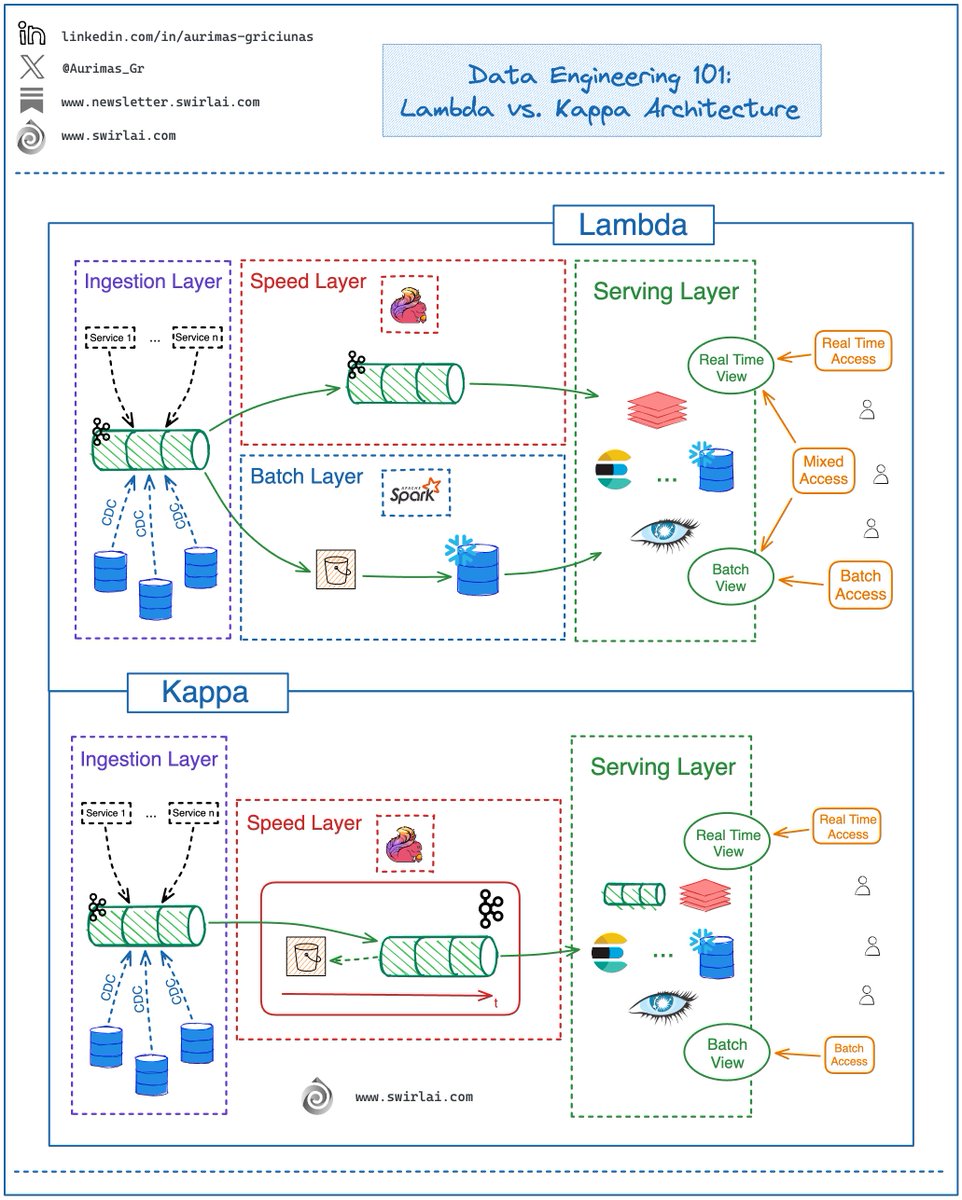
What is the difference between 𝗟𝗮𝗺𝗯𝗱𝗮 𝗮𝗻𝗱 𝗞𝗮𝗽𝗽𝗮 𝗔𝗿𝗰𝗵𝗶𝘁𝗲𝗰𝘁𝘂𝗿𝗲𝘀?
Lambda and Kappa are both Data architectures proposed to solve movement of large amounts of data for reliable Online access.
The most popular architecture has been and continues to be Lambda. However, with Stream Processing becoming more accessible you will be hearing a lot more of Kappa in the near future. Let’s see how they are different.
𝗟𝗮𝗺𝗯𝗱𝗮.
➡️ Ingestion layer is responsible for collecting the raw data and duplicating it for further Real Time and Batch processing separately.
➡️ Consists of 3 additional main layers:
👉 Speed or Stream - Raw Data here is coming in Real Time and is processed by a Stream Processing Framework (e.g. Flink) then passed to the Serving layer to create Real Time Views for low latency near to Real Time Data access.
👉 Batch - Batch ETL Jobs with batch processing Frameworks (e.g. Spark) are run against raw Data to create reliable Batch Views for Offline Historical Data access.
👉 Serving - this is where the processed Data is exposed to the end user. Latest Real Time Data can be accessed from Real Time Views or combined with Batch Views for full history. Historical Data can be accessed from Batch Views.
❗️ Processing code is duplicated for different technologies in Batch and Speed Layers causing logic divergence.
❗️ Compute resources are duplicated.
❗️ Need to manage two Infrastructures.
✅ Distributed Batch Storage is reliable and scalable, even if the System crashes it is easily recoverable without errors.
𝗞𝗮𝗽𝗽𝗮.
➡️ Treats both Batch and Real Time Workloads as a Stream Processing problem.
➡️ Uses Speed Layer only to prepare data for Real Time and Batch Access.
➡️ Consists of only 2 main layers:
👉 Speed or Stream - similar to Lambda but (optionally) often contains Tiered Storage which means that all of Data coming into the system is stored indefinitely in different Storage Layers. E.g. S3 or GCS for historical data and on disk log for hot data.
👉 Serving - same as Lambda but all transformations that are performed in Speed Layer are never duplicated in Batch Layer.
❗️ Some transformations are hard to perform in Speed Layer (e.g. complex joins) and are eventually pushed to Batch storage for implementation.
❗️ Requires strong skills in Stream Processing.
✅ Data is processed once with a single Stream Processing Engine.
✅ Only need to manage single set of Infrastructure.
Have you dealt with Kappa architecture in your day-to-day? What are your thoughts around it? Let me know in the comments 👇
--------
Follow me to upskill in #MLOps, #MachineLearning, #DataEngineering, #DataScience and overall #Data space.
Also hit 🔔to stay notified about new content.
𝗗𝗼𝗻’𝘁 𝗳𝗼𝗿𝗴𝗲𝘁 𝘁𝗼 𝗹𝗶𝗸𝗲 💙, 𝘀𝗵𝗮𝗿𝗲 𝗮𝗻𝗱 𝗰𝗼𝗺𝗺𝗲𝗻𝘁!
Join a growing community of Data Professionals by subscribing to my 𝗡𝗲𝘄𝘀𝗹𝗲𝘁𝘁𝗲𝗿: https://t.co/qgNCnGtF4A
Mock interviews can make ALL the difference.
It’s the best way to reduce anxiety before interviews and help identify areas you need to work on.
Websites that enable you to simulate the interview environment:
1. Pramp:
https://t.co/o147aFqdT1
2.Interviewbit:
https://t.co/27akdmbH1z
3. Interviewing:
https://t.co/UlYjqkcXaB
4. Gainlo:
https://t.co/L2MHCqzgBO
5. Techmockinterview:
https://t.co/LkCwLC4nQf
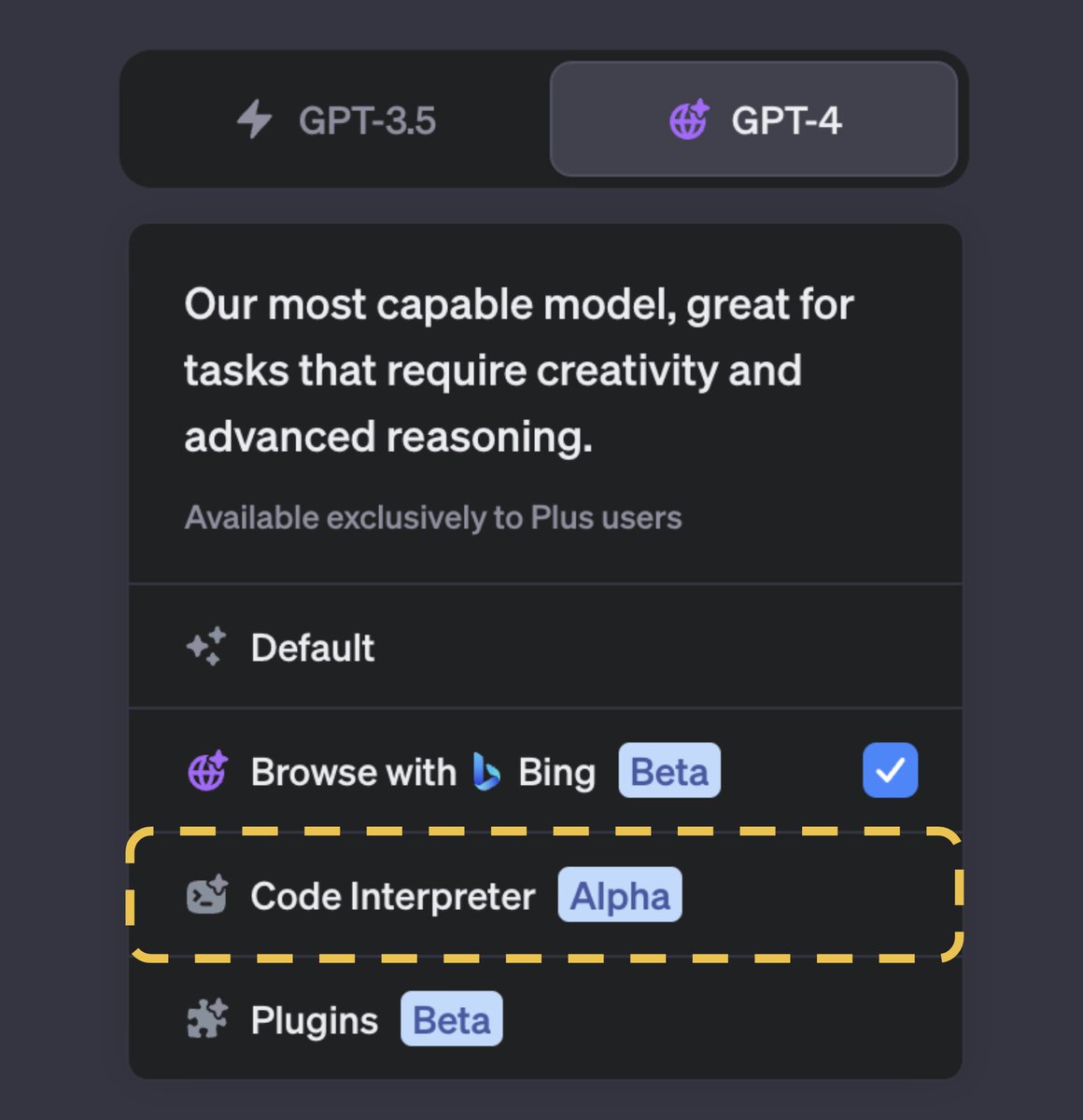
🚨 BREAKING: Code Interpreter is FINALLY rolling out to all ChatGPT Plus users.
It's the most powerful feature OpenAI has released since GPT-4. It makes everyone a data analyst.
Here are 15 mind-blowing use cases of Code Interpreter:
Time and time again, Conte has been provoking other managers when his team scores. The funny thing is, earlier, he used to used do it with Chelsea and their fans loved it and today, he did against them and they are riled up🤣🤣🤣
#Conte#CHETOT
I'm deeply disturbed by the lack of outrage from Western journalists & the US government re: Israel's killing of Shireen Abu Akleh.
It reinforces what we as Palestinians have long felt: that there is little regard for our humanity.
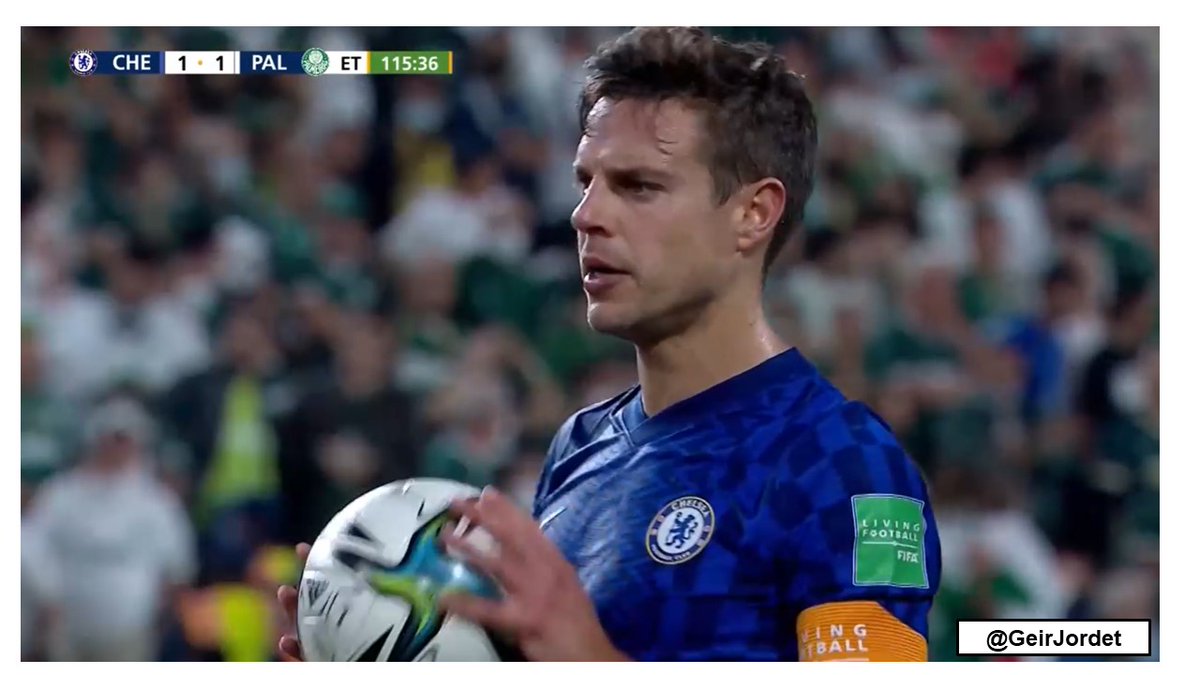
A penalty kick is a team performance! For Chelsea's decisive penalty last night, Azpilicueta acted as decoy for Palmeira's mind games, while the real penalty taker, Havertz, quietly prepared his kick in the periphery. Then a last-second switch. How did they do it? And why? 1/9
Delighted that he accepted the offer to exchange his vehicle for a new Bolero. Yesterday his family received the Bolero & we proudly took charge of his creation. It will be part of our collection of cars of all types at our Research Valley & should inspire us to be resourceful.
Hear this educated young man forced to drive a rickshaw in Lucknow because of lack of jobs. He explains the ground situation of UP's development under Yogi