📢 NEW PUB! @nedcpr, @margaret_eby, and I wrote this last Spring to theorize the disorienting impact ChatGPT has on social institutions & norms. 2 years later, everything feels different, but many aspects of AI development remain the same. Read more here:
https://t.co/UgZ0E1Mokg
This year, the NeurIPS 2026 Position Paper Track made the decision to require that all papers be substantially human-written, with AI used for only copy-editing or similar peripheral changes to the main text!
For more details, please check our blogpost: https://t.co/wrWuMQJwrx
🚨 Excited to share my new pub with @neurosamuel in @BigDataSoc! We show that what counts as “spurious” in ML is not just a statistical question, but a practical and normative judgment about relevance, generalizability, human-likeness, and harm. 🚨
https://t.co/L98zkGghxs
Spoke with @julieebeck from @TheAtlantic a few months ago about the rise of AI companionship & friendship. Her piece is out today—featuring my work on “on-demand intimacy” and a ton of cool research into this emerging phenomenon. https://t.co/ViWuLml1qX
This work directly shapes how opportunity, hiring, and careers function at scale. The “future of work” isn’t just a buzzword for me—it’s something I care about both intellectually and personally.
This week, I flew to San Francisco to start a part-time Research Scientist role with HART (Handshake AI Research Team). @joinHandshake focuses on expert and professional data that underpins today’s frontier systems.
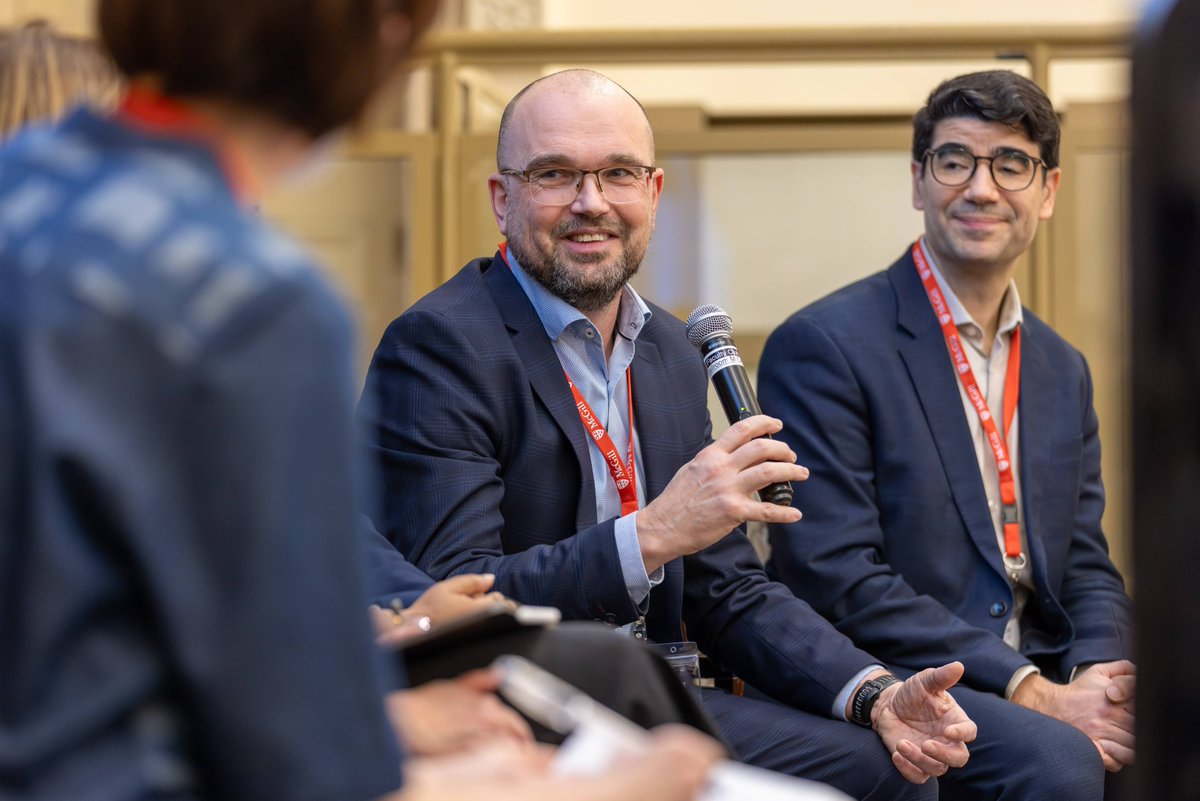
Thank you to everyone who attended the McCAIS Annual Symposium last week! Researchers, students, industry partners and community members from across #McGill and beyond were present for a full day of conversations at the intersection of #AI and society.
I am currently developing a large-scale longitudinal project that looks at the impact of AI companions on users' relational expectations and experiences (with both human and AI companions). Please contact me if you'd like to collaborate.
If you are curious about why AI companions are so gripping for many people, you should read my 📢 new paper 📢 with @MarcoDehnert in @SocialMedia_Soc—"On-Demand Intimacy: The Sociotechnical Appeal of AI Companions." https://t.co/PscYg6D8SS
From this perspective, AI companions are not failed substitutes for “real” intimacy, but a distinctive relational form shaped by the same on-demand infrastructures that organize much of contemporary social and economic life.
📢 Excited to share our new work on Omnilingual ASR—automatic speech recognition for 1,600+ languages, out of the box. Unlike past systems with fixed coverage, it can adapt to entirely new languages from just a few in-context examples. 🌍🗣️ Paper here: https://t.co/sQq7ZZclOE
Introducing Meta Omnilingual Automatic Speech Recognition (ASR), a suite of models providing ASR capabilities for over 1,600 languages, including 500 low-coverage languages never before served by any ASR system.
While most ASR systems focus on a limited set of languages that are well-represented on the internet, this release marks a major step toward building a truly universal transcription system.
🔗 Learn more: https://t.co/kwCgH9h2vA
University of @mcgillu professor and @Meta researcher, Skyler Wang, studies intimacy and how tech reshapes human connection.
He’s seen #AI shift from chatbots to tools to agents.
The next phase? Companionship.
This isn’t about function. It’s about relationships.
Great week in London with @thought_channel, leading a session on AI safety, and learned how the UK does AI research differently. Then off to Cambridge for a talk on digital intimacy, followed by punting, a pub hang, and some brilliant conversations with students and faculty.
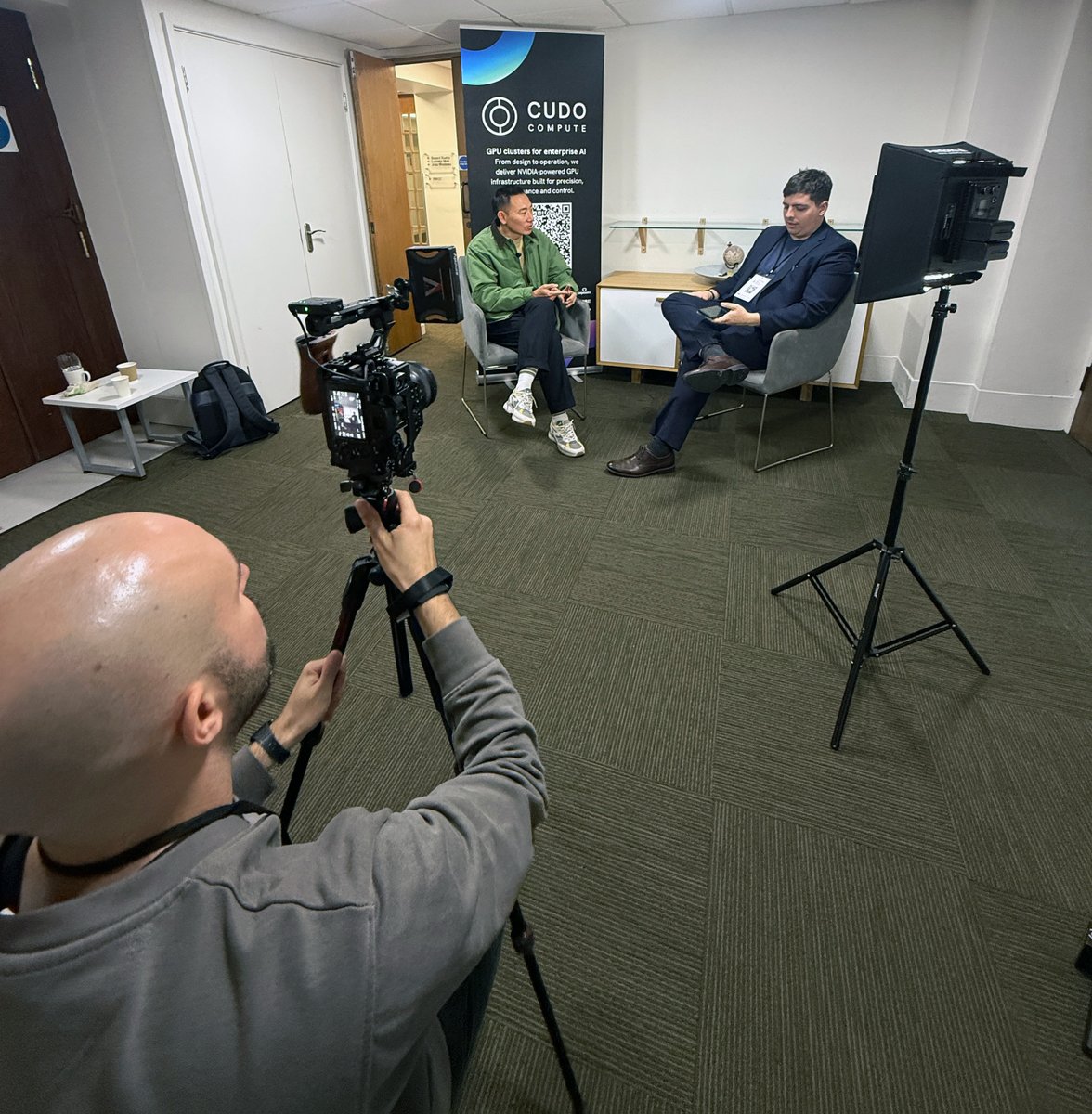
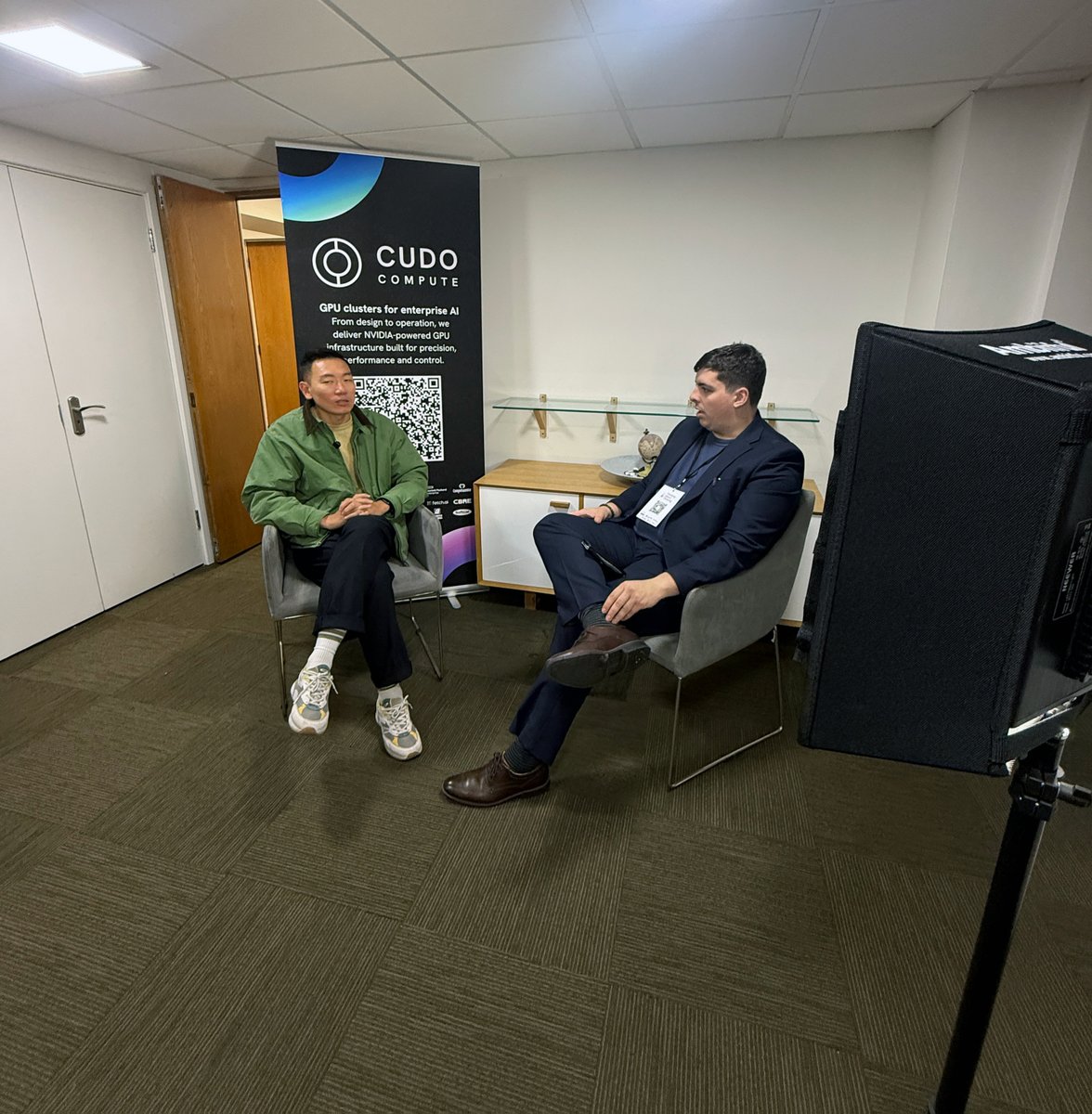
@thought_channel That wraps day two at the AE Global Summit on Open Problems for AI by @thought_channel.
From regulatory frameworks to infrastructure access, we're unpacking the real pressures shaping how #AI gets built & deployed.
Earlier, Nick sat down with @skylrwang to discuss what's next.