Publishing The Evening Sky Map since January 2000. A free, easy-to-use 2-page monthly all-sky map & sky calendar of celestial events for sky watchers worldwide.
The Moon will reach apogee (farthest from Earth) at 23h UT (now) on 16 October 2026. At this time the Moon's distance from Earth will be 404,643 km or 251,433 miles and it will span an angular size of 29.5 arc-minutes. 🔭
#stargazing#Moon
Oct'26 Events: https://t.co/Xd8BxQsyXr
The planet Mars is currently passing through the Beehive star cluster (aka M44). The celestial event is visible worldwide in the morning sky and makes for a wonderful photo opportunity. 🔭
More sky events: https://t.co/Xd8BxQsyXr
10 October: New Moon at 15:49 UT (now). Start of lunation 1284.
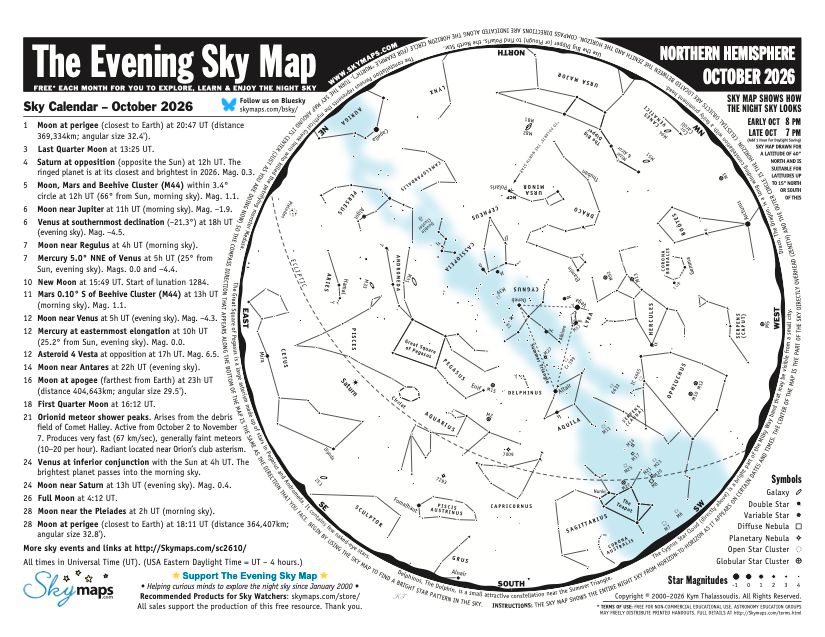
The next few days are a great time for stargazing. Download The Evening Sky Map (PDF) at https://t.co/rRufh0ciyp and begin exploring the Universe with your eyes, binoculars or a telescope! 🔭
#astronomy#stargazing
🌘⭐ Over the next few hours on 6-7 Oct'26 the waning crescent Moon will pass near the bright star Regulus -- the brightest star in the constellation Leo (the Lion) -- which is located on the ecliptic ensuring regular encounters with the Moon. 🔭
#stargazing
Asteroid 2 Pallas reaches opposition at 10h UT (now) on 6 October 2026. The asteroid is currently in the constellation Cetus and is at magnitude 8.2.🔭
#stargazing
October sky events: https://t.co/Xd8BxQsyXr
The waning crescent Moon is currently near Jupiter (mag. –1.9). The event is visible worldwide in the morning sky. A lunar occultation of Jupiter will be visible from parts of North America and Africa. 🔭
More info: https://t.co/P6796DAVDF
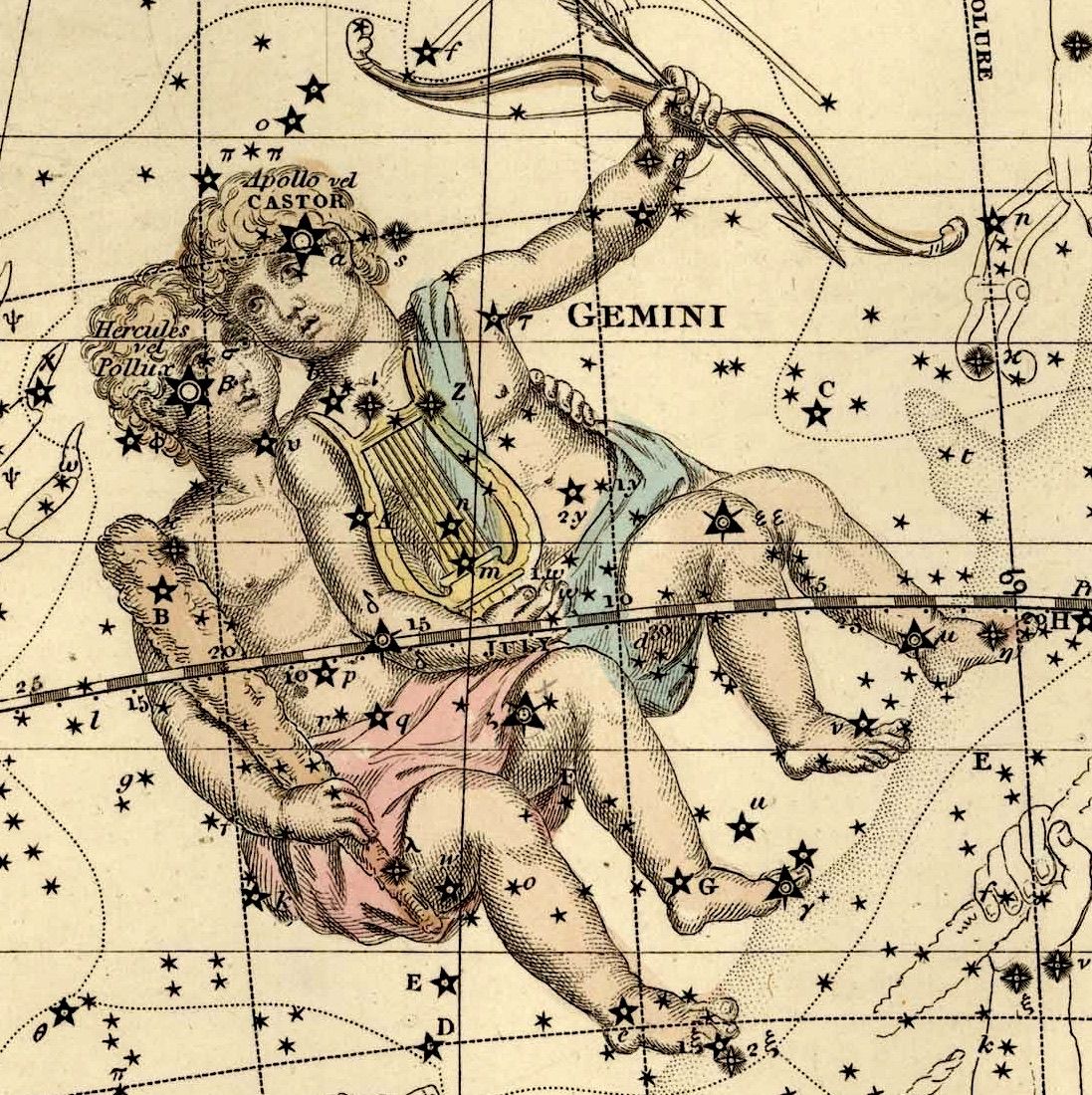
🌗🌟 Over the next few hours the Moon will pass near Castor and Pollux -- the twins of Greek mythology and the brightest stars in Gemini. Closest approach is at 7h UT and 12h UT on 4 October, respectively. 🔭
#stargazing
Sky Myths: https://t.co/F9V7z7pA6H
🌗 3 October: Last Quarter Moon at 13:25 UT (now). Last Quarter marks the start of dark moonless evening skies for the next 7 to 10 days. Download a copy of The Evening Sky Map (PDF) from https://t.co/rRufh0ciyp and enjoy an evening under the stars! 🔭
🤩 #stargazing
🌖 The waning gibbous Moon reaches perigee (closest to Earth) at 20:47 UT (now) on 1 October 2026. At this time the Moon's geocentric distance will be 369,334 km or 229,494 miles and span an angular diameter of 32.4 arc-minutes. 🔭
#stargazing
More events: https://t.co/Xd8BxQsyXr
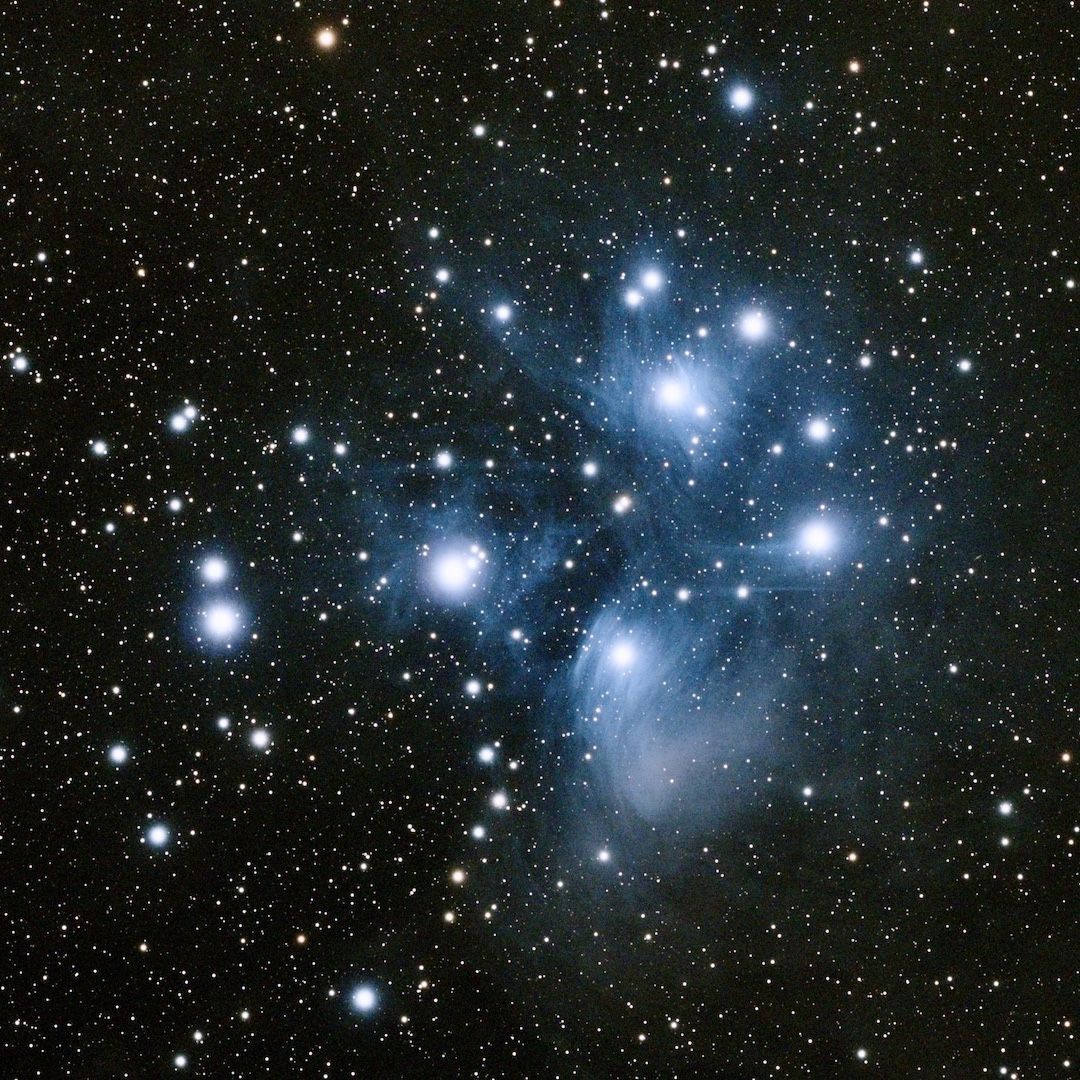
The waning gibbous Moon is currently near the Pleiades star cluster (aka The Seven Sisters or M45). Closest approach is at 19h UT on September 30th. Simply look up in the pre-dawn sky to enjoy the best view. 🔭
#stargazing
Image taken with an Askar SQA55: https://t.co/rK3iyXjZor
💫 The October 2026 edition of The Evening Sky Map (PDF) is available for download at https://t.co/rRufh0ciyp. It features easy-to-use sky maps for the northern & southern hemispheres, and equatorial regions. Enjoy exploring the night sky! 🔭
#stargazing#space#nightsky
🌕 The Full Moon occurs at 16:49 UT (now) on 26 September 2026. Step outside this evening and look up to enjoy the view. 🔭
Sept 2026 sky events: https://t.co/RZuuJ9pGK2
Imaging rig: https://t.co/7XPXrSINjX
Mercury 0.9° NNE of Spica at 9h UT(now) on 26 September 2026. The innermost planet is 21° from Sun in the evening sky. Best seen from the southern hemisphere. Mags. −0.1 and 1.0. 🔭
#stargazing
🌟 Venus will reach peak brightness (mag. -4.56) at 18h UT on 22 Sept'26. Step outside shortly after sunset and enjoy the view of the brilliant "Evening Star" in the western sky. 🔭
#stargazing
More events: https://t.co/RZuuJ9pGK2
🌓 18 Sept: First Quarter Moon at 20:43 UT (now).
The days around First Quarter Moon are a great time to view craters and other lunar features. Use binoculars or, better still, a telescope for some incredible views. 🔭
#stargazing#moon
Sky Calendar: https://t.co/RZuuJ9pGK2
🌙 🌟 The waxing crescent Moon will pass close to Venus over the next few hours. The beautiful conjunction is visible worldwide soon after sunset on 14 Sept 2026 with closest approach at 12h UT favouring Australia, SE Asia & Japan. 🔭
More Sept. events: https://t.co/RZuuJ9pGK2
New Moon occurs at 3:26 UT (now) on 11 September 2026. Start of lunation 1283.
🌟 The next few days are a great time for some evening stargazing. Download The Evening Sky Map (PDF) (https://t.co/rRufh0ciyp) and enjoy exploring the Universe! 🔭
#stargazing#space
🌟 In the next few hours the Moon will pass near Castor and Pollux -- the twins of Greek mythology and the brightest stars in the constellation Gemini. Closest approach occurs at 1h UT and 6h UT on 7 Sept, respectively. 🔭
#stargazing
Sky Myth Books: https://t.co/F9V7z7pA6H
🌒 The Moon will reach perigee (closest to Earth) at 20:44 UT (now) on 6 Sept 2026. At this time the Moon's distance from Earth will be 368,259 km or 228,826 miles and span an angular diameter of 32.4 arc-mins. 🔭
#stargazing#Moon
Sept'26 Sky Events: https://t.co/RZuuJ9pGK2