Please help us continue and expand the work of Slavers of New York- including developing an interactive map & app, more research, public education & art efforts & more https://t.co/pGAyq5QLta
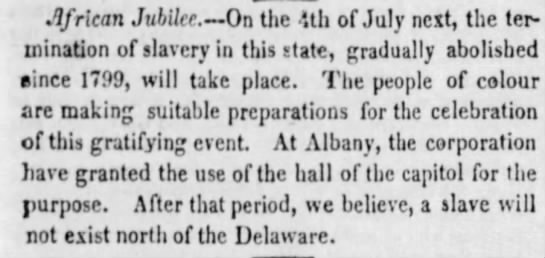
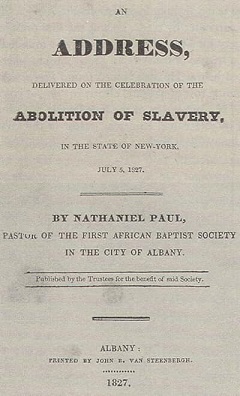
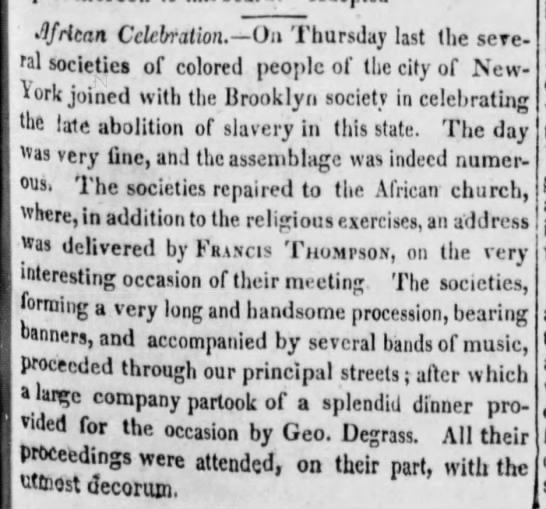
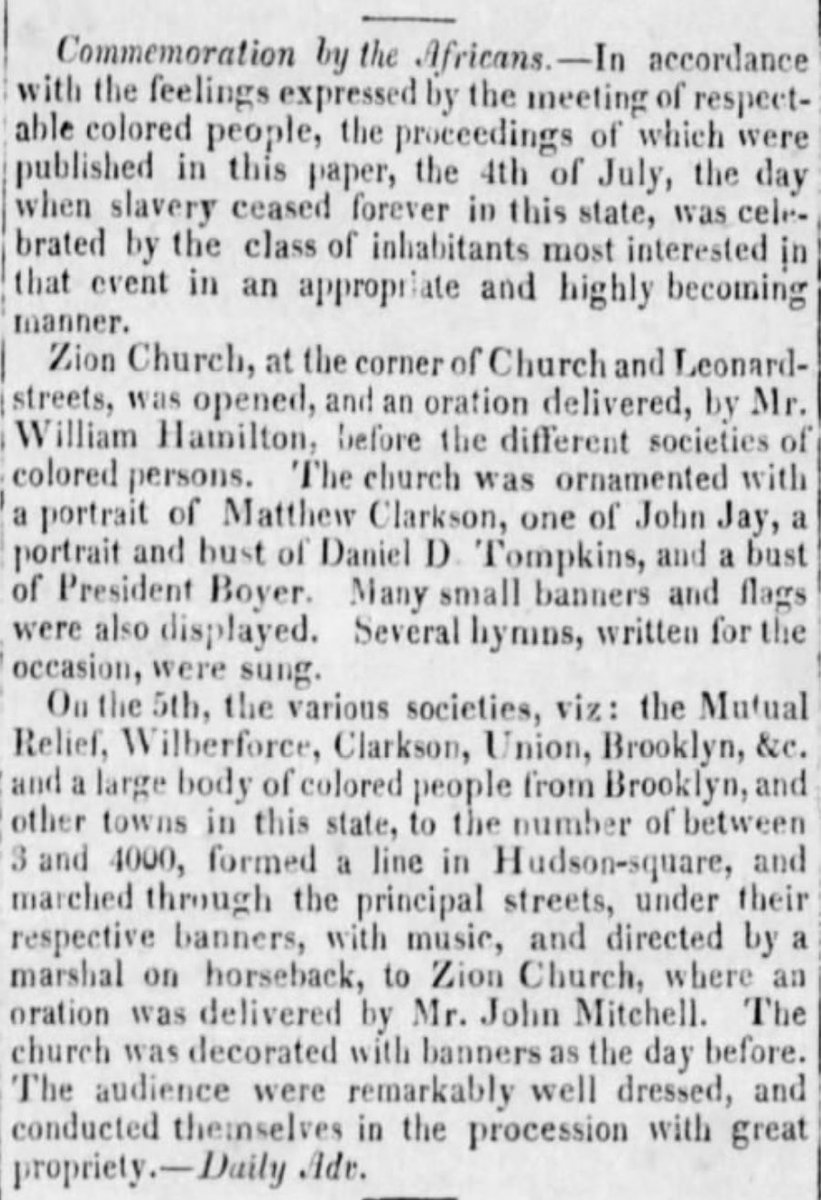
In 1817, Daniel Tompkins passed a law emancipating all Black NYers born before July 4 1799 as of July 4 1827. On July 4, 1827 slavery ended in New York State. Black NYers chose to celebrate the next day in order to avoid comment on the paradox of slavery & freedom in the US.
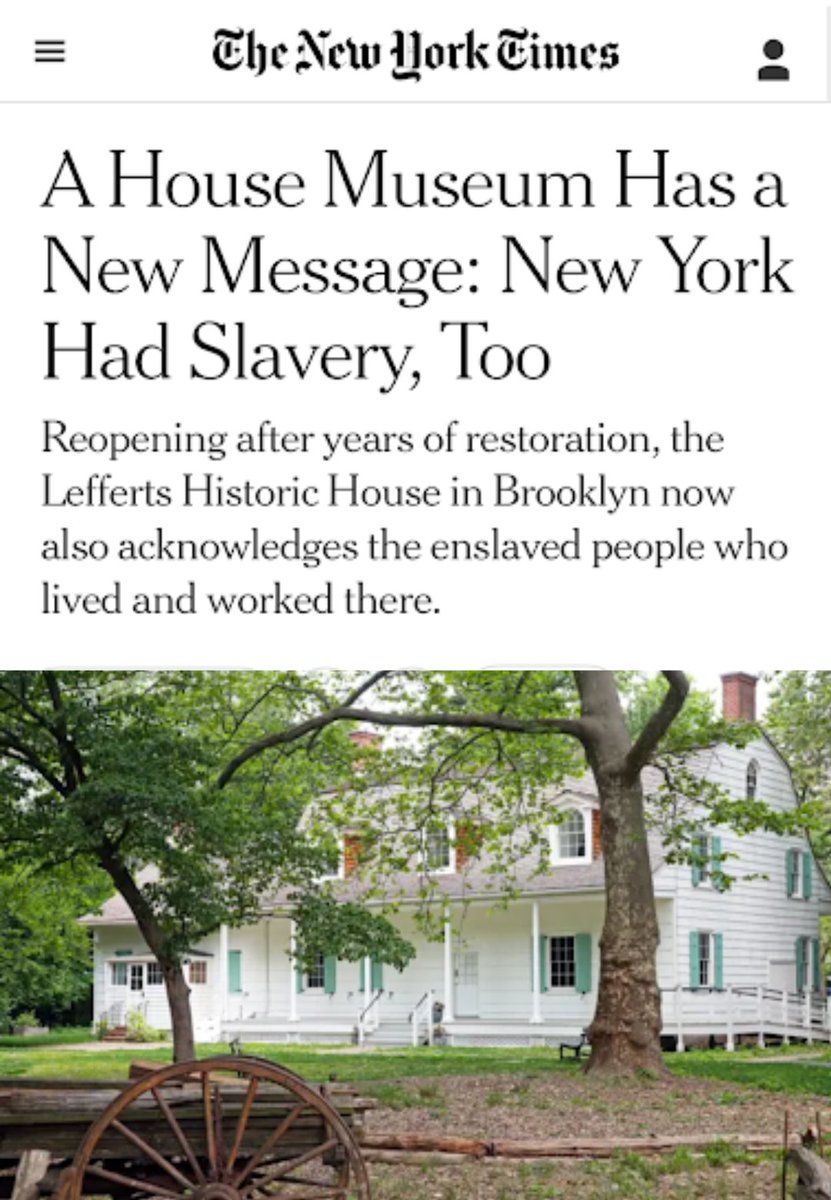
Read the @nytimes feature of Prospect Park Alliance's ReImagine Lefferts initiative. Learn about the Alliance's work to focus programming on the stories of the Indigenous people of Lenapehoking + the enslaved Africans who lived + worked on the land: https://t.co/JEjSykOqTC
My students online tour of sites in NYC connected to slavery, both on the side of abolition & supporting its institution has broken 12,000 views! Students are now expanding it to cover all 5 boroughs @Civics_For_All@gencitizen@slaversofny@democracyready https://t.co/49xc8KzIj4
When 17-year-old Sophie Kloppenburg learned about the largest lynching in her state’s history, and realized it had mostly been forgotten, she took it upon herself to rectify an injustice nearly 150 years in the making. @SteveHartmanCBS is On the Road.
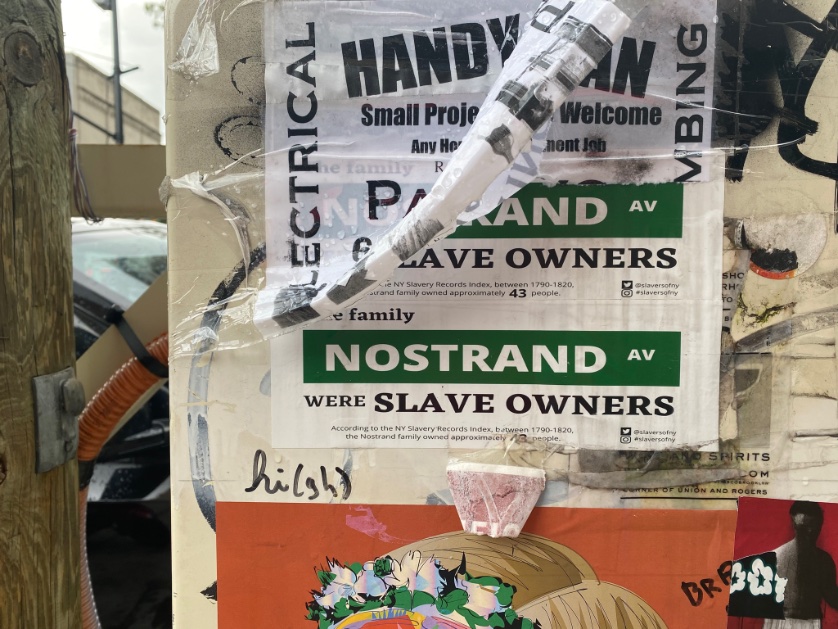
Spotted: @slaversofny
Read my @nytimes story from last year on this initiative dedicated to calling out the history of slavery in NYC.
https://t.co/K2hK2qYraO
I understand why the slaves did what they did. Independence Day represents being independent, freedom from being governed or ruled by another country. Yet the black people were still in bondage had no rights as a citizen in their own country.
We are a small team of 3 operating on our own costs and donations. If you’d like to donate so we are able to continue our work that would be greatly appreciated. We are hoping to build an educational website, map places in NYC named for enslavers & more https://t.co/pGAyq5QLta
Hello new followers! If you’d like to learn more about Slavers of NY and our work and mission, this is a good place to start- an excellent piece by @JulianneMcShane in the NYT last year https://t.co/yOy0tB9MD0
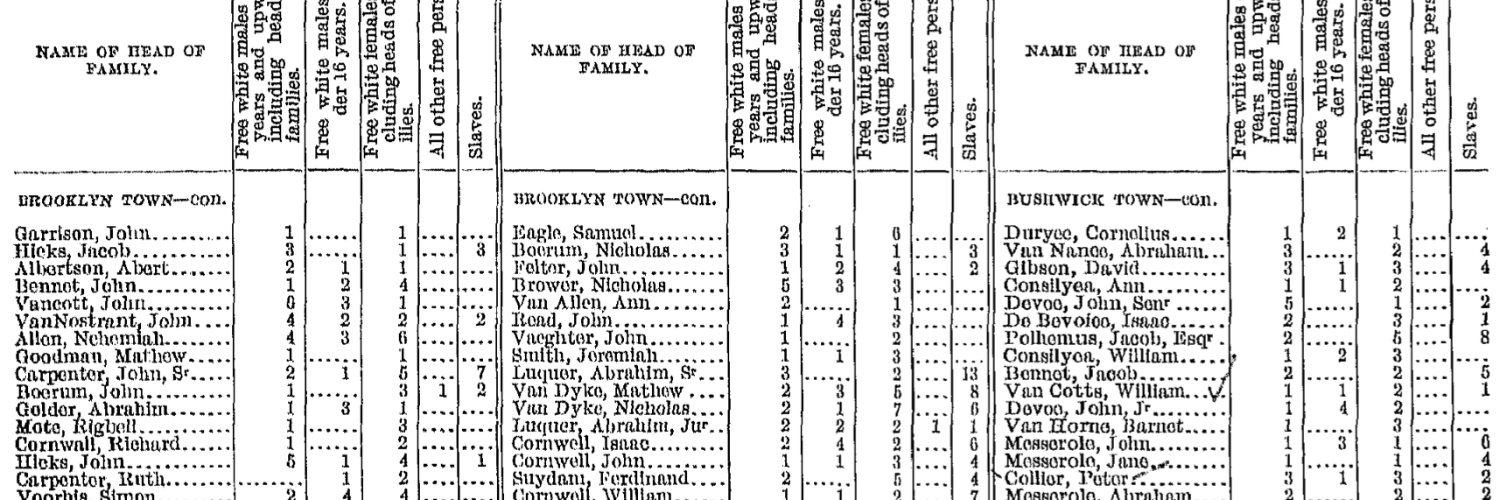
Slavery in New York began in 1626 when 11 captive Africans arrived on a Dutch West India Company ship. The DWIC was a company of Dutch merchants, heavily involved in the Atlantic Slave Trade, who later employed Peter Stuyvesant who went on to traffic nearly 300 slaves in NYC.
Though Black New Yorkers won final emancipation on July 4th, 1827, they still lacked important civil rights as universal suffrage, trial by jury for fugitives, and access to licensed occupations. #4thofJuly
@quietlionness Thank you so much for sharing! This is why we do the work we do- to provide as much access to this information as possible and encourage others to learn and share too
Many free Black New Yorkers eventually chose to celebrate the end of slavery in the state on July 5th instead of the 4th, as to not celebrate on the same day as Independence Day. As Frederick Douglass said “what to the slave is the Fourth of July?” #slaversofny