🏥 🩺 52 yr old lady with DM on ART comes in with a 3 month weakness and difficulty in getting up from seats.
👉 See her hands & feet( compared to her daughter)
🔥 What is the diagnosis
🔥 What do we do?
@DrOribaDan@Internist_02@TSM_Humanist@DennisPhd1
Diagnosis
Psychosis with prominent religious delusions; likely schizophrenia-spectrum disorder.
She needs a Psychiatrist & a Mental Hospital.
✍️✍️✍️🙏🙏🙏🇺🇬🇺🇬🇺🇬
The passing of the King of Toro has brought attention to a relatively uncommon but very aggressive cancer: GLIOBLASTOMA (GBM).
GBM is a WHO grade 4 malignant brain tumour that grows rapidly and infiltrates surrounding brain tissue.
What causes it?
In most cases, the exact cause is UNKNOWN. It usually results from acquired DNA/genetic changes in brain cells that make them grow uncontrollably. It is generally not inherited, and there is no evidence that ordinary lifestyle factors such as smoking, alcohol, stress or specific foods directly cause GBM.
Risk factors include:
1. Increasing age more common in older adults, though it can occur at any age.
2. Previous exposure to ionising radiation, especially to the head.
3. Rare inherited syndromes such as neurofibromatosis and Li Fraumeni syndrome.
4. Male sex, gliomas occur somewhat more frequently in men
Importantly, most people who develop GBM have none of these identifiable risk factors.
How common is it?
Brain and other CNS cancers are relatively uncommon. Brain and other nervous system cancers occur at about 6.1 cases per 100,000 people per year. Globally, there were approximately 321,476 new brain and CNS cancer cases in 2022, although this includes several tumour types, not just GBM.
Symptoms may include:
Persistent/worsening headaches, seizures, vomiting, personality or behavioural changes, memory problems, difficulty speaking, visual problems, weakness/numbness, and problems with balance or coordination.
These symptoms do NOT necessarily mean someone has a brain tumour, but persistent or progressive neurological symptoms should be medically assessed.
Treatment usually involves maximal safe surgical removal, followed by radiotherapy and chemotherapy, commonly temozolomide.
Unfortunately, GBM is highly aggressive, infiltrates surrounding brain tissue and has a high tendency to recur, making it one of the most difficult cancers to treat.
The important message: GBM is uncommon, aggressive, and in most cases there is no obvious thing a person did to cause it.
May the King of Toro rest in peace. 🕊️
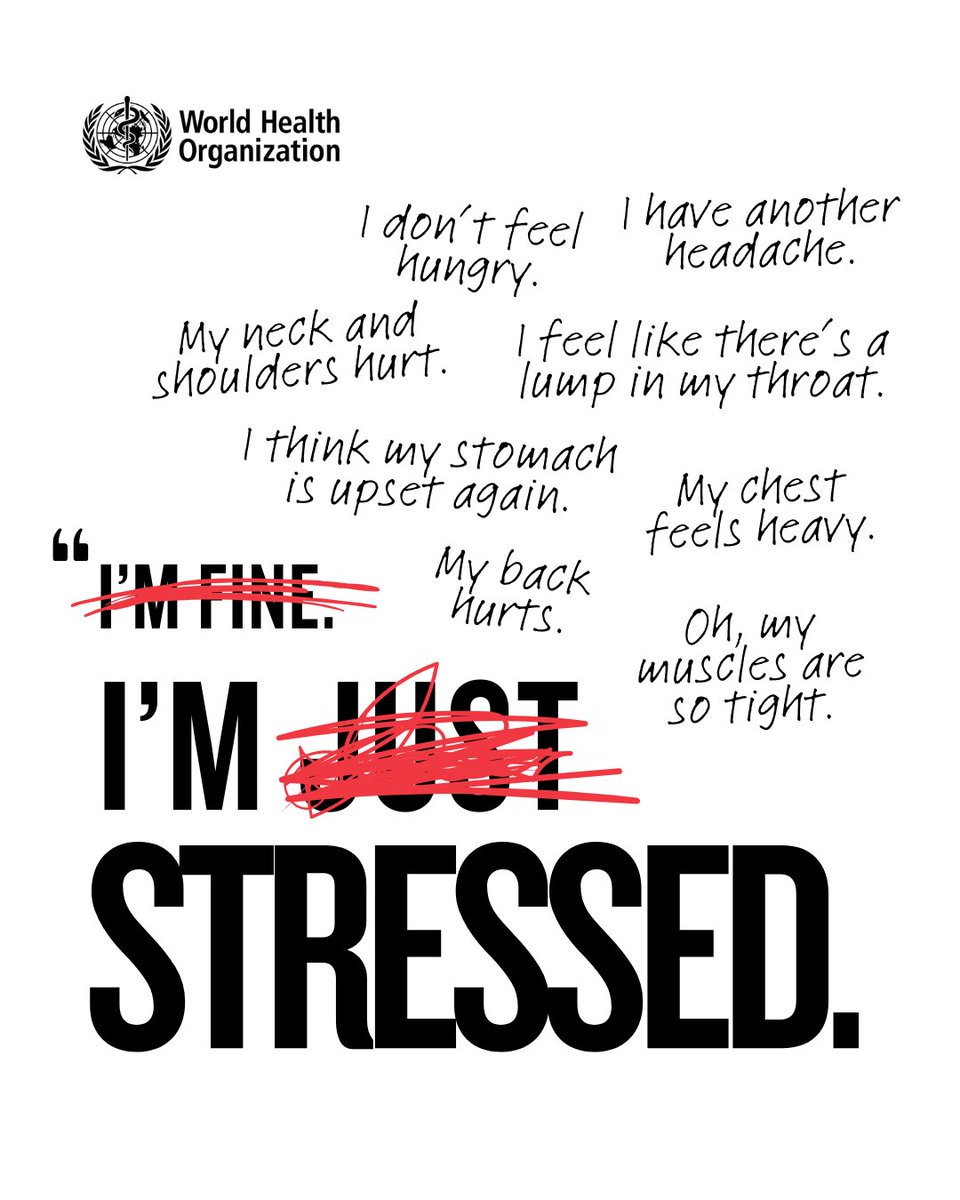
Stress is not something to ignore.
It makes it hard for us to relax and take decisions; it shoots up anxiety and irritation, and negatively impacts our overall health.
Learn to spot the signs of stress and practice simple techniques that help you pause, breathe, and slow down.