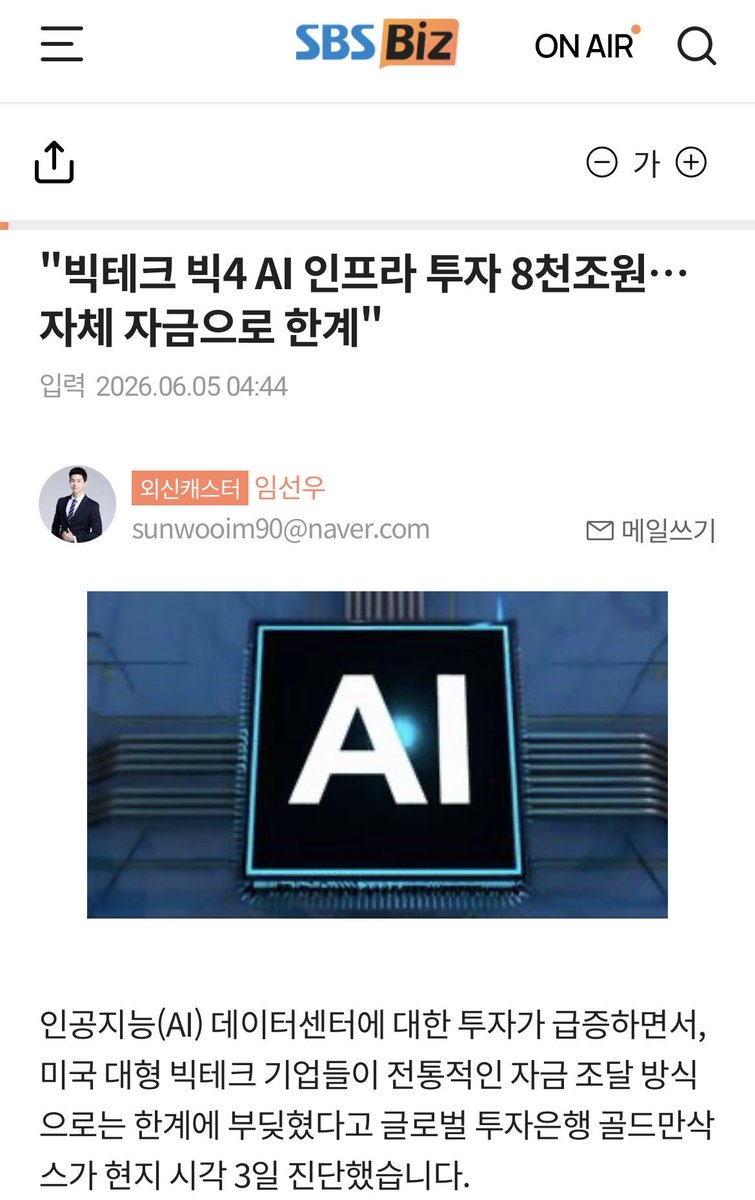
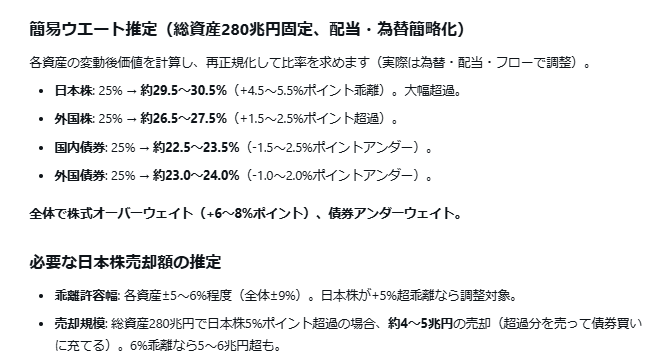
두 기사는 같은 맥락이다.
반도체 인플레이션이 발생하면
결국 시장금리는 높아질 것이고
그럼 결국 현금을 많이 가지거나 현금흐름이 좋은 기업으로 돈이 몰린다는거다.
첫번째 기사는 2023년 한창 러우전쟁과 머니프린팅으로 인플레가 치솟아 고금리 시절이고
두번째는 현금이 떨어져 빅테크들이 채권 발행을 해서 자금 조달을 해야 한다는 것이다.
자금 조달이 많이지고 빈번하면 금리는 오를수 밖에
금리가 오르면 현금의 가치는 더 높아질 수 밖에
https://t.co/KndUu8H6t3
https://t.co/pQpB6OUrpV
China's semiconductor glass substrate push closes in on Korea with price and volume
China's "semiconductor glass substrate rise" is threatening because it offers an attractive option to chipmakers, the end customers: the ability to secure price competitive glass substrates in large volumes. The industry worries that while demand will initially favor products from front runners such as Korea in the early stage of the glass substrate market, China's share will gradually expand.
Officially, the first Chinese company to enter the semiconductor glass substrate business was BOE. A global display manufacturer, BOE designated semiconductor glass substrates as a future growth engine, leveraging its glass processing expertise from LCD and other display production. It is moving at full speed, having built a pilot production line only about two years after declaring its market entry.
Visionox, considered one of China's top three display companies, is also investing in glass substrates. Since last year it has been assembling a supply chain of materials, components, and equipment for glass substrate manufacturing, and it is currently making capital investments in production facilities. The company is reportedly in contact with numerous materials, components, and equipment suppliers, working hard to implement the best possible process technology.
Semiconductor substrate companies and outsourced semiconductor assembly and test (OSAT) companies are also entering the glass substrate market and securing technology. Based on what has been identified so far, more than ten companies are estimated to be participating in the market.
An official in the materials, components, and equipment industry commented, "The defining feature of China's glass substrate development is that they rapidly pursue a wide variety of attempts to secure and validate technology. They are accelerating technological advancement at a pace that feels almost aggressive."
Some companies are known to have secured technology on par with, or close to surpassing, Korean glass substrate manufacturers. An official at a partner company of a Chinese glass substrate maker said, "We believe China has nearly caught up with Korea in through glass via (TGV) and etching, the core technologies of glass substrates. Once they resolve metallization and other remaining issues, we expect them to begin full preparations for mass production."
The United States, Korea, and Japan have been preparing their glass substrate businesses since around 2010 to 2020. They have accumulated technology accordingly, but full scale capital investment only began around 2023 to 2024. Today, the representative semiconductor glass substrate manufacturers include Intel of the United States; Absolics (an SKC subsidiary), Samsung Electro Mechanics, and LG Innotek of Korea; Dai Nippon Printing (DNP) of Japan; and Unimicron of Taiwan.
Because the front runners spent a long time preparing, the stability and reliability of their glass substrate prototypes are assessed as higher than China's. However, the industry believes that at China's current pace of pursuit, the situation could quickly reverse. From the customer's perspective, products from Korea, the United States, and Japan may be adopted in the early phase of semiconductor glass substrate adoption, but once China achieves mass production, there is a strong possibility customers will switch or diversify their supply chains.
An official in the semiconductor glass substrate industry said, "Many big tech companies, including Broadcom, Amazon Web Services (AWS), and Samsung Electronics, are pushing to adopt semiconductor glass substrates. If Chinese products stabilize, there is a strong possibility the supply chain mix will shift toward China on cost and productivity grounds. The real competition will take place at the mass production stage."
조합의 시대는 온다
대통령의 지적에 따라
정부가 공공사업 선금제도변경방안을 발표했다
작년 국토부 업무보고에서
철도납품지원을 문제삼은건데 이로인해
공공사업에 허용되던 선금이 70프로에서
원칙적 30프로로 변경된다
상반기 일부관리에서 내달부터는 본격시행
이미 지자체와 기관 대부분은
30프로 선금지급으로 계약을 진행 중이다
20억미만 계약은
40~50프로의 선금을 우대한다고 하나
대통령의 질타로 발생한 변경방안에서
경위를 기재하며 선금지급율을 높일
사업담당자는 찾아보기 힘들다
70프로의 선금을 받아
월급주고 고정비쓰며 연간사업을 운영하던
대관사업체들은 난관에 봉착했다
이미 불경기를 겪으며 대출이 더 나오기 힘든
중소업체들에겐 그야말로 위기가 찾아왔다
고정비가 낮은 5인미만 업체와
재정적체력이 있는 백억이상 매출업체들을
제외하면 중간층의 기업들에 에로사항이 생기며
대관사업에도 양극화가 발생 될 예정
그렇다면 이 중간단계의 사업들은
다른 방식 으로 누구에게 흘러갈 가능성이 높을까
조합의 시대는 온다
모든 게 떨어진 날, 범인은 미국이 아니라 일본이었음
- 지난주 미국에서 예상치의 두 배에 달하는 고용 지표가 나오면서 증시가 급락했고 많은 이들이 이걸 원인으로 봤음
- 그런데 주식만 떨어진 게 아니라 금, 은, 비트코인까지 전부 함께 빠졌는데 고용 지표 하나가 이 모든 자산을 한꺼번에 끌어내릴 수는 없음
- 진짜 불씨는 이미 도쿄에서 타오르고 있었음
- 발단은 호르무즈 해협으로 이란발 갈등이 원유 수송을 막으면서 유가가 배럴당 100달러를 넘겼음
- 유가가 오르자 전기를 대량으로 쓰는 AI 데이터센터 운영 비용이 직격탄을 맞았고 투자자들이 기대하던 AI 수익도 빠르게 줄었음
- 그 AI 투자 자금 상당수는 일본에서 빌려온 돈이었음
- 일본은 오랫동안 금리가 사실상 제로였기 때문에 글로벌 투자자들이 엔화를 싸게 빌려 미국 기술주, 금, 비트코인 등에 투자하는 엔 캐리 트레이드를 광범위하게 해왔음
- 수익이 줄자 이 판이 흔들리기 시작했고 출구를 찾는 큰손들이 하나둘 포지션을 정리하기 시작했음
- 엔화는 미일 금리 차 탓에 수개월째 약세였는데 일본 정부가 350억 달러 이상을 투입해 시장에 개입했지만 며칠을 버티다 다시 주저앉았음
- 강한 고용 지표가 나오자 시장은 미국이 당분간 금리를 내리지 않을 거라 봤고 달러 강세와 엔화 약세가 한층 심해졌음
- 엔화를 지킬 선택지가 금리 인상 하나로 좁혀지면서 6월 16일 일본 금리 인상 가능성이 예측 시장에서 97%까지 올랐음
- 시장은 공식 발표 전에 먼저 움직이는데 일본이 금리를 올릴 때마다 비트코인은 발표 수일 전부터 20~30% 넘게 빠지는 패턴을 반복해왔음
- 금과 은까지 함께 빠진 건 헤지펀드들의 강제 매도 탓으로 손실이 난 자산 대신 수익 중인 금을 팔아 현금을 확보한 것임
- 에너지 비용 급등, AI 수익 악화, 엔화 약세, 개입 실패, 금리 인상 임박, 강제 매도가 같은 주에 전부 겹쳤고 어떤 자산도 버티기 어려운 상황이었음
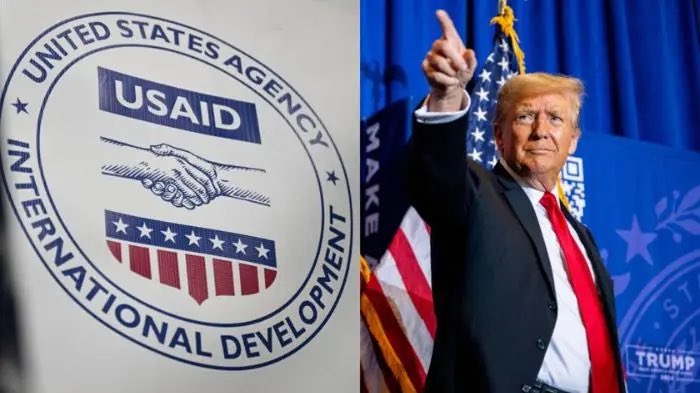
Desde que el presidente Donald Trump cerró el programa de financiamiento USAID, ningún país en Latinoamérica ha vuelto a ganar elecciones un líder de izquierda, se acabaron las caravanas de migrantes y los “estallidos sociales”.
¿Se dieron cuenta de esto?.
You have to be 16 to drive.
You have to be 18 to vote.
You have to be 21 to drink.
You have to be 25 to rent a car.
Why are teachers talking to our kids about sexuality at 12?
Why are kids encouraged to mutilate their bodies at 13?
This gender ideology madness needs to end.
지금은 가격을 쫓을 때가 아니다. 가치를 찾아야 할 때다.
최근 세계 각국은 예상보다 빠르게 자본 통제와 자본 유도 정책을 확대하고 있다.
영국은 연기금의 국내 투자 확대를 요구하고 있고,
캐나다 역시 유사한 정책을 검토 중이다.
유럽은 산업정책을 통해 자국 생산기반을 강화하고 있으며,
미국 역시 IRA와 CHIPS Act를 통해 자본을 전략산업으로 유도하고 있다.
이는 단순한 보호무역이 아니다.
고부채 시대에 국가가 자본 배분의 주도권을 다시 가져오는 과정이다.
지난 30년은 자본의 세계화 시대였다.
앞으로의 30년은 자본의 국유화가 아니라 "자본의 재국가화"가 진행될 가능성이 높다.
그리고 이러한 변화는 글로벌 자산 배분의 방향 자체를 바꾸게 된다.
AI보다 더 중요한 것은 물리적 세계다
최근 몇 년 동안 시장은 AI에 집중했다.
물론 AI는 인류 역사상 가장 강력한 생산성 혁명 중 하나가 될 수 있다.
하지만 투자에서는 항상 한 가지 질문을 던져야 한다.
"그 혜택은 누구에게 돌아가는가?"
AI 혁명이 진행될수록 의외로 가장 큰 수혜를 받을 수 있는 곳은 물리적 세계(Material World)일 수 있다.
데이터센터를 짓기 위해서는 전력이 필요하다.
전력을 공급하려면 송전망이 필요하다.
송전망을 만들기 위해서는 구리와 철강이 필요하다.
그리고 글로벌 공급망을 유지하기 위해서는 조선업과 제조업이 필요하다.
AI는 결국 실물경제 위에 세워진다.
따라서 앞으로 투자 기회는 디지털과 물리적 세계의 교차점에서 발생할 가능성이 높다.
특히 지난 30년 동안 소외되었던 제조업, 인프라, 에너지, 조선업 등은 생각보다 긴 상승 사이클에 진입할 수 있다.
최근 세계 각국은 예상보다 빠르게 자본 통제와 자본 유도 정책을 확대하고 있다.
영국은 연기금의 국내 투자 확대를 요구하고 있고,
캐나다 역시 유사한 정책을 검토 중이다.
유럽은 산업정책을 통해 자국 생산기반을 강화하고 있으며,
미국 역시 IRA와 CHIPS Act를 통해 자본을 전략산업으로 유도하고 있다.
이는 단순한 보호무역이 아니다.
고부채 시대에 국가가 자본 배분의 주도권을 다시 가져오는 과정이다.
지난 30년은 자본의 세계화 시대였다.
앞으로의 30년은 자본의 국유화가 아니라 "자본의 재국가화"가 진행될 가능성이 높다.
그리고 이러한 변화는 글로벌 자산 배분의 방향 자체를 바꾸게 된다.
1945년 이후의 금융 억압 시대가 다시 찾아온다면,
앞으로 가장 큰 수혜자는 단순히 시장을 따라간 사람이 아니라 변화하는 구조를 먼저 이해한 투자자가 될 것이다.
지금은 가격을 쫓을 때가 아니다.