Coral Reef Scientist | Lecturer with @WorldFishCenter @TheWCS @CoralCoE @jcu | National Geographic Early Career Leader @NatGeo | #HumanRights#Conservation
🧵Thread🐟
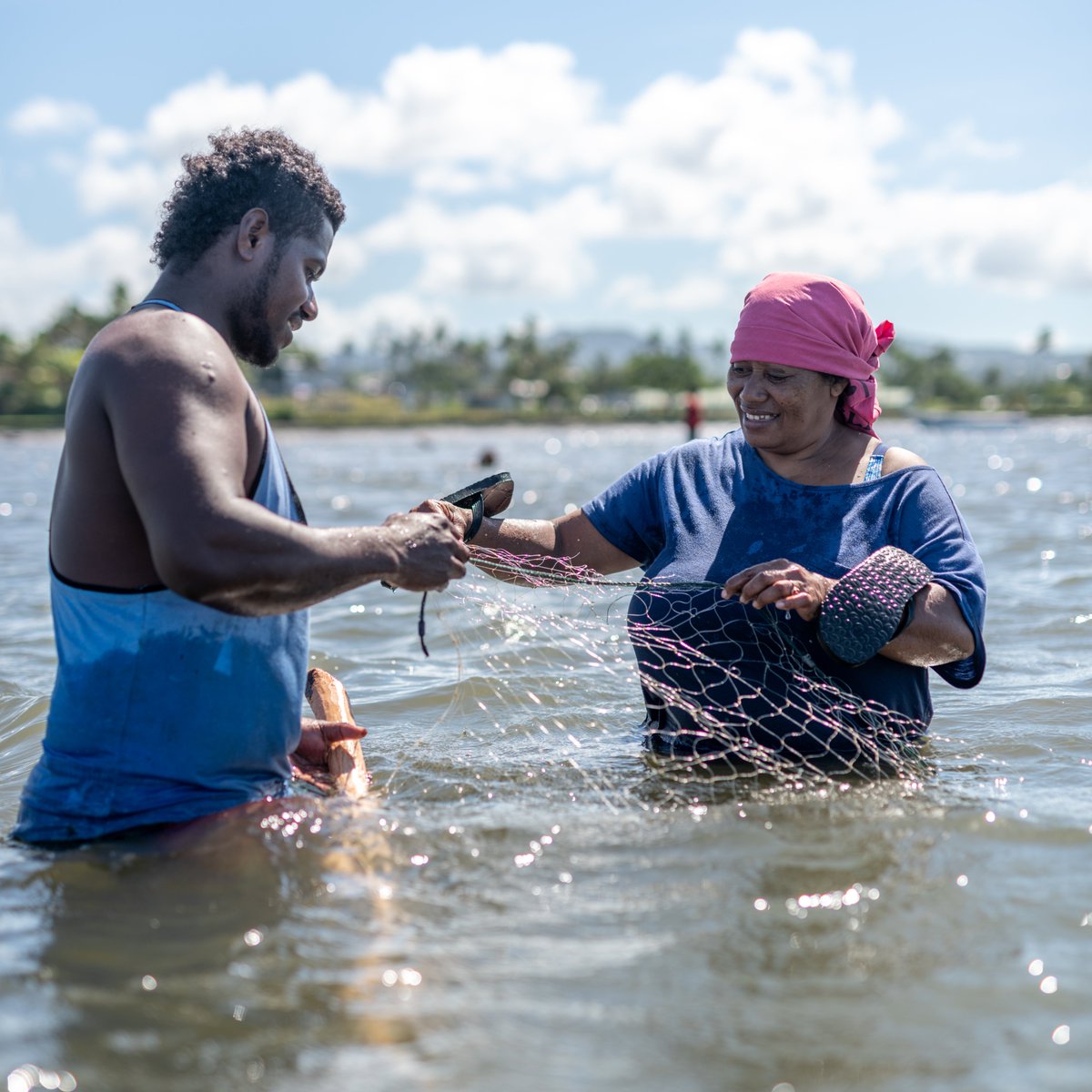
💡#Fisheries co-management is the collaborative arrangement where #fishers communities and agencies have responsibility and authority over #fisheriesresource.
🤔How do we effectively implement co-management? Explore the guide to learn more 👉 https://t.co/iojgnblZub
Super proud for this work to be out - more than 2 years in the making. Co-management is widely accepted as the best way to manage small-scale fisheries, but what makes it succeed or fail?
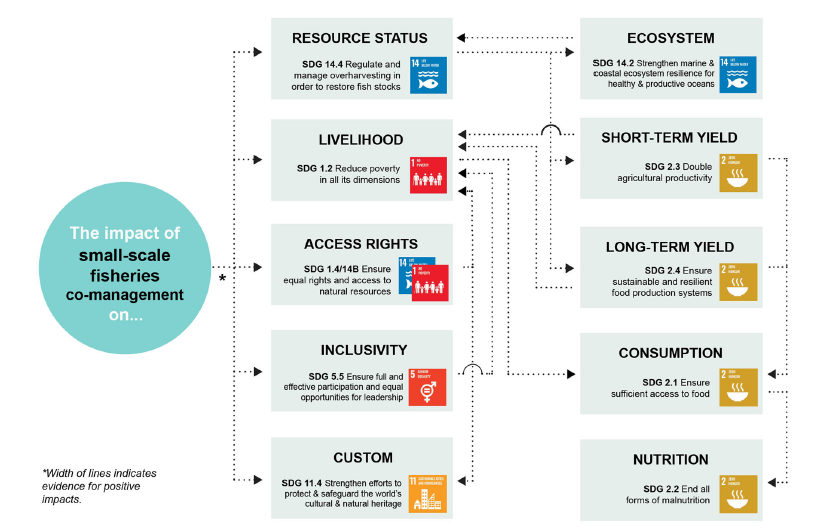
As #fisheries co-management grows, it can also succeed or fail, as the implementation does not always mean positive impacts on #foodsecurity, #nutrition, &#livelihoods.
A new guide aims to synthesize successful fisheries co-management across dimensions.👉 https://t.co/iojgnblZub
Director of Peace Research Institute Oslo (PRIO) releases his shortlist for 2023 Nobel Peace Prize, including Vicky Tauli-Corpus and Juan Carlos Jintiach. https://t.co/8p4wnHwP7E
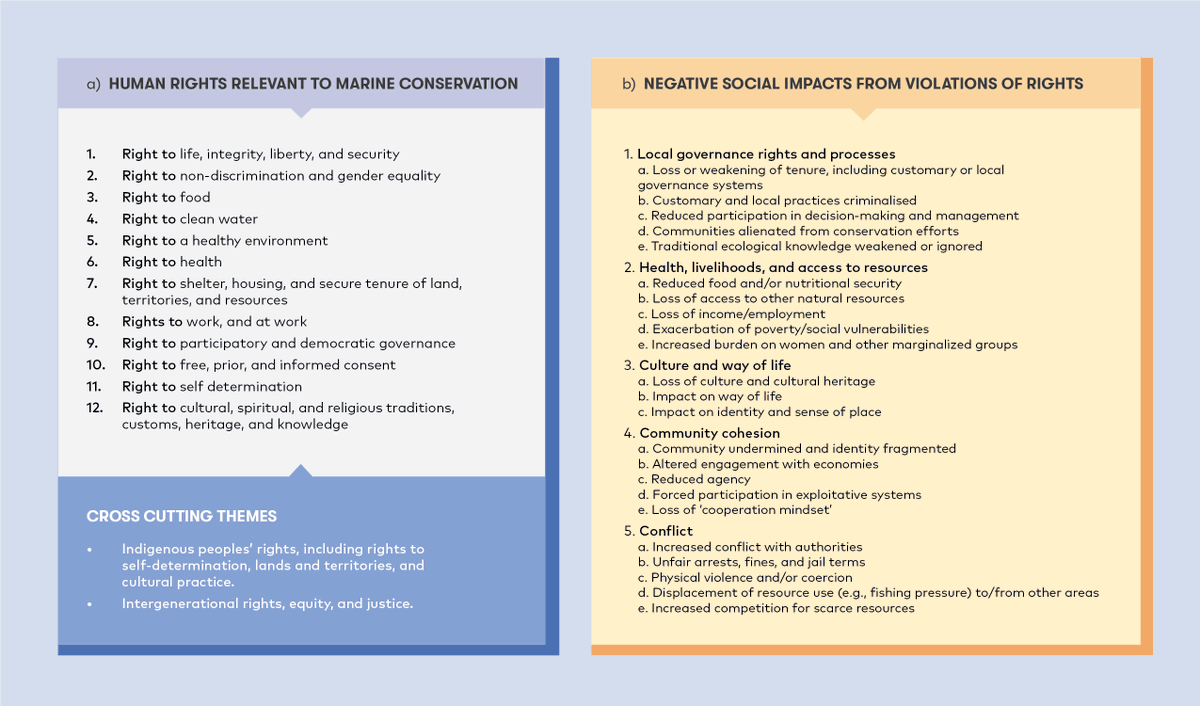
In the marine #conservation space, what exactly do we mean when we talk about human rights? And, what are the negative impacts that can ripple through communities when those rights are violated?
Read more: https://t.co/ltaYzT0Nf0
When it comes to human rights, we discuss two main groups: duty-bearers and rights-holders.
Learn more about their relationship, and how taking a human rights-based approach to marine #conservation ultimately serves both duty-bearers and rights-holders 🔗 https://t.co/ltaYzT0Nf0
New science: Why Human Rights Matter for Marine Conservation, out now via @FrontMarineSci
How can we respect, protect, and fulfill human rights, while also securing the most sustainable and impactful conservation outcomes?
Read it here 👉 https://t.co/ltaYzT0Nf0
New paper out in @FrontMarineSci - We argue that adopting human rights principles is key for progressing effective and equitable marine conservation outcomes, and that there are strong legal, ethical, and practical reasons for marine conservation to support human rights
New Research: Why human rights matter for marine conservation: Human rights matter for marine conservation because people and nature are inextricably linked. A thriving planet cannot be one that contains widespread human suffering or… https://t.co/UCpqUjzemN #MarineScience
Out now in @ConBiology - our study led by @SmallhornWest@PipCohen and team showing evidence of SSF co-management improving stock resource status, but less evidence of achieving other #SDGs related to livelihoods, food security and nutrition. https://t.co/78temC2ElW
@WCSOcean
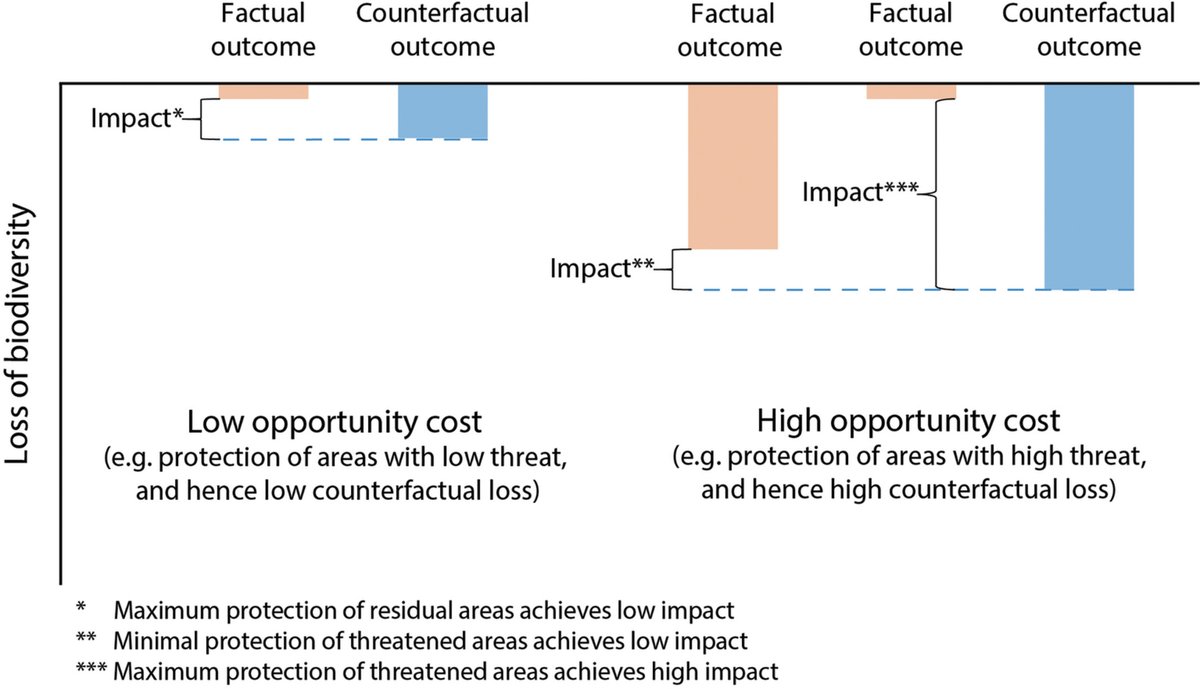
JCU scientists say a more direct approach should be taken to conservation planning – with greater focus on the real impact of conservation actions and less attention paid to targets or actions that misrepresent progress.
Full story here 👉 https://t.co/7TNP8rpqIp
🐾"Effective management of depleted natural resources can be achieved only through changes in human actions."🌿
In this article, Smallhorn-West and Pressey investigate why #conservation may minimize opportunity costs. You can learn more at https://t.co/SXbsUQjHnj
#science
Latest research on coral reef community management and small-scale fisheries just published😀Ten years of catch monitoring from a fishing community in Solomon Islands shows long-term trends and outcomes from local marine management.
Read here: https://t.co/a1xQ6SwEu4 😀
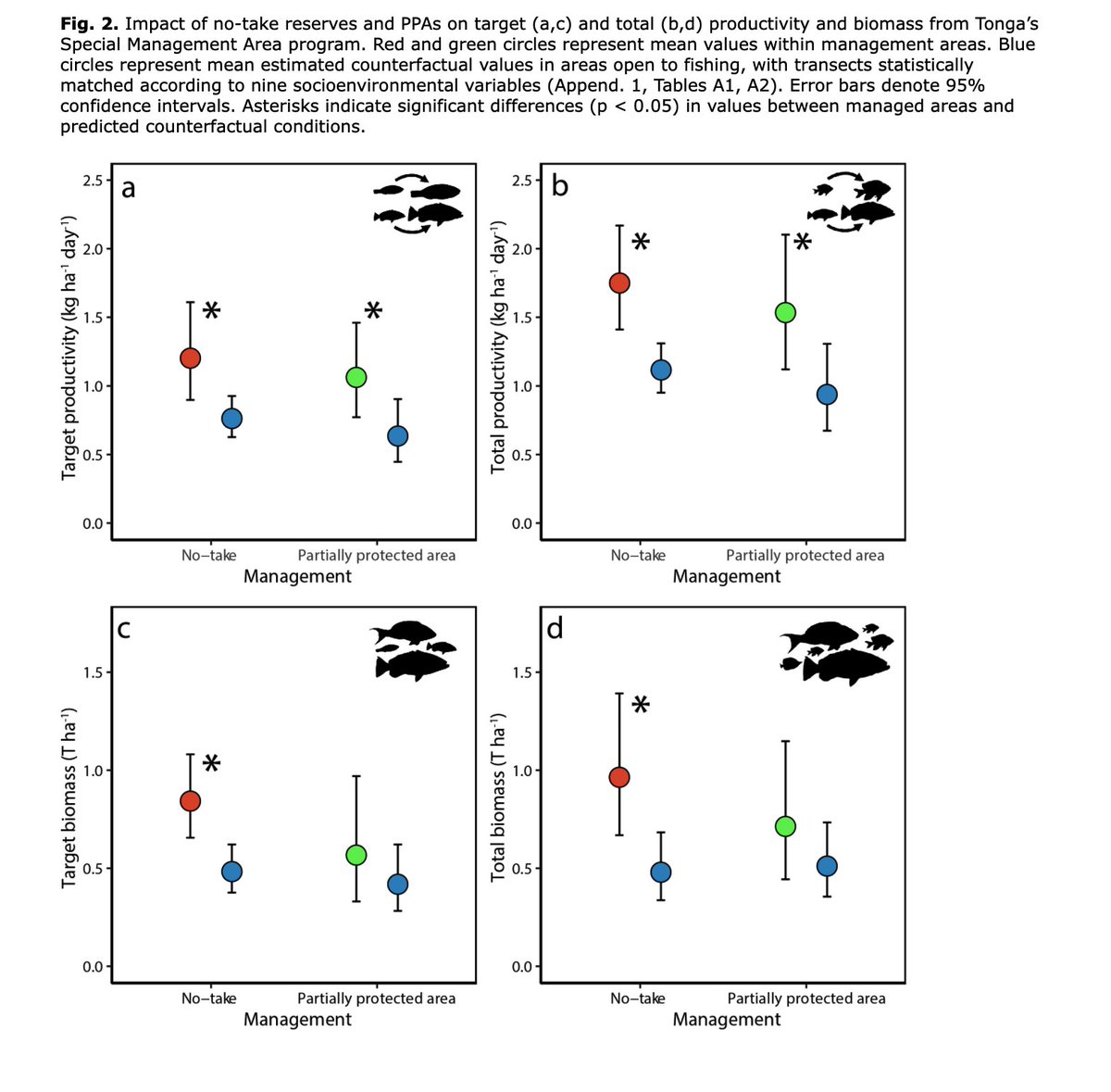
As an added bonus our analysis also demonstrates the ability for fully closed Marine Protected Areas to enhance fisheries productivity using the newly developed #rfishprod package!
Our new paper shows Partially Protected Areas can:
*boost fisheries production
*enhance the ease with which fishers catch their prey
*alter the composition of fisheries yields
This can benefit fishers but carry risks for ecosystems.
https://t.co/Vh8q0cyZsn
New paper out on quantifying management requirements for communities with diverse fishing practices in Malaita province, Solomon Islands: https://t.co/sdkMgXyWQC
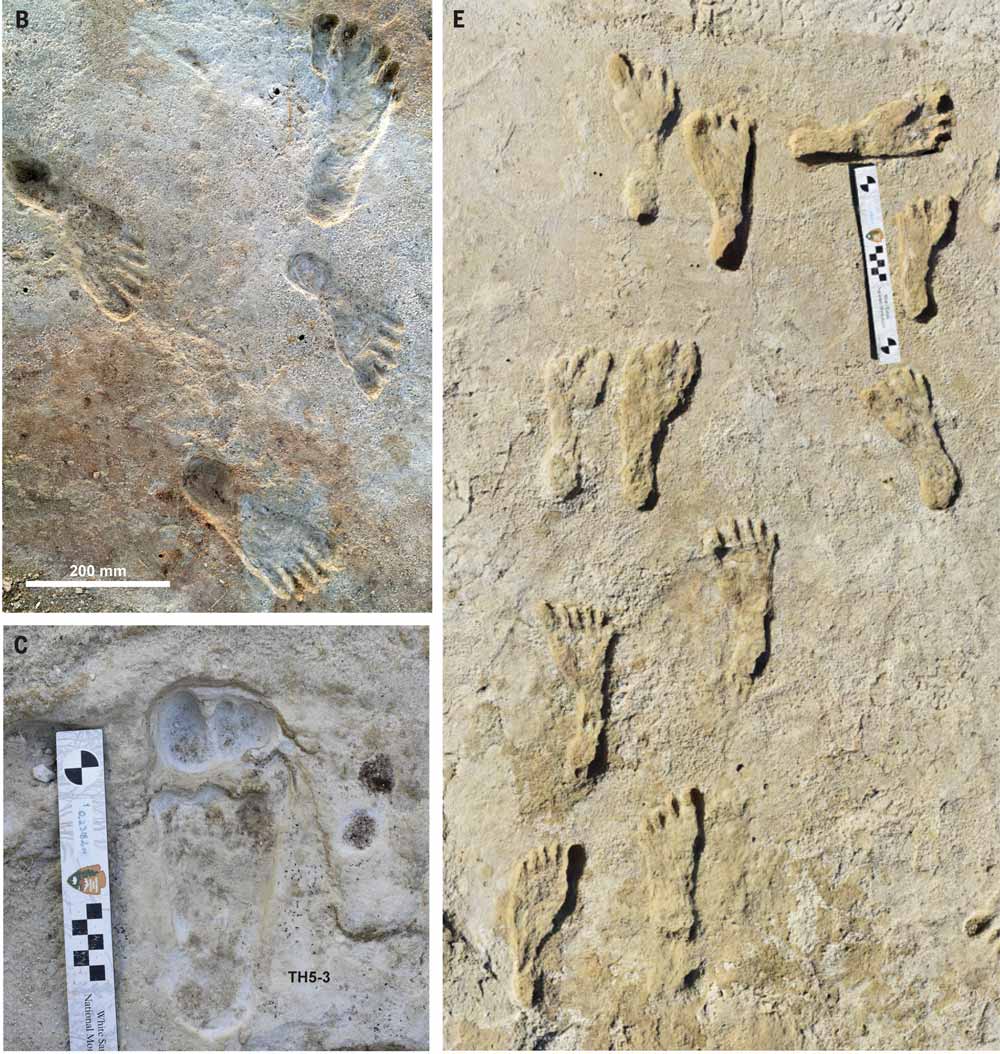
Footprints place ancient people in present-day New Mexico more than 21,000 years ago. Stratified evidence, radiocarbon, multiple human evidences over 1000+ years. https://t.co/w19uuRPY97
Don't worry everyone, the port is offering school grants for worm farms and recycling bins to offset the destruction of our planet so we should be sweet
https://t.co/z15U4SyA2n
https://t.co/0dsKJ89iqZ
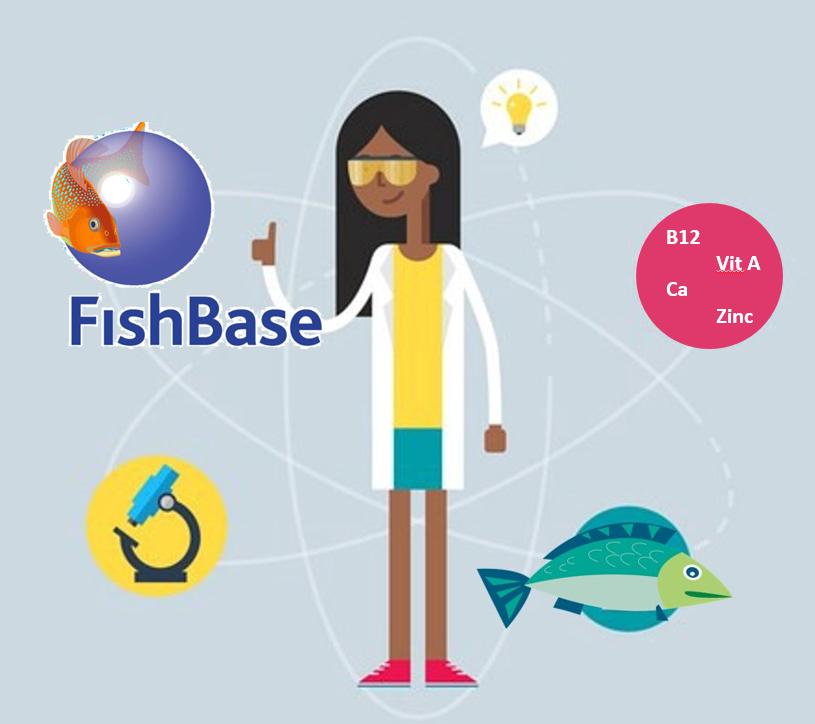
FishNutrients, a new tool that contains nutritional data relating to over 500 fish species from around the world, has been incorporated in FishBase! Read more: https://t.co/WnU5pqpabz