As promised, I will present the portfolio with which I am starting 2026, along with a brief explanation of the rationale behind each position.
This portfolio has been recently restructured, which means some positions are fairly new. I would not describe myself as a highly concentrated investor, but neither as excessively diversified. I currently hold 11 positions, providing a reasonable level of diversification, although two of them, IREN and NBIS, have a high degree of correlation.
Portfolio Allocation (01/01/2026)
Cash – 29.66%
MELI – 16.38% | Average price: $2,093.35
HROW – 8.32% | Average price: $48.59
UBER – 8.29% | Average price: $82.04
ZETA – 6.54% | Average price: $18.84
DLO – 6.34% | Average price: $13.47
HCC – 6.08% | Average price: $61.32
GOOGL – 5.08% | Average price: $146.91
NOVO-B – 4.78% | Average price: 320.62 DKK
OMDA – 3.61% | Average price: $16.42
NBIS – 3.39% | Average price: $88.77
IREN – 1.53% | Average price: $48.42
Cash
At the moment, I’m holding a large cash position because I want to be prepared to take advantage of any significant market downturn this year, whether caused by a macro event, a black swan, or any other reason. I’ll continue deploying capital whenever I see opportunities to do so, but I’ll try to keep the cash position between 20% and 30%.
Mercado Libre (MELI)
This is my high-conviction long-term play, the company I least expect to sell anytime soon. Mercado Libre is the undisputed leader in Latin American e-commerce and also one of the strongest fintech platforms in the region, with a significant competitive moat.
As stated by the company’s CEO:
“MercadoLibre is the only company in the world to grow more than 22 consecutive quarters at a yearly rate greater than 30%. Currently, 27 consecutive quarters.”
After this statement, there is little more to add. At current prices, I consider MELI one of the most attractive opportunities within large caps, which is why I recently increased this position.
Harrow Health (HROW)
Harrow Health is a small-cap company operating in a highly specialized niche within ophthalmology, with a business model focused on branded pharmaceuticals and compounded ophthalmic products. One of the key aspects that initially attracted me to this investment is the company’s high level of insider ownership, which creates strong alignment between management and shareholders.
HROW operates in a segment that benefits from structural tailwinds, such as an aging population and increasing demand for ophthalmic treatments, while remaining relatively insulated from broader macroeconomic cycles. As a result, I view the company’s risk profile as primarily idiosyncratic rather than macro-driven. Execution is the central variable, and so far, management has demonstrated a strong ability to scale revenues, expand margins, and allocate capital efficiently. nother important element of the thesis is the company’s portfolio of FDA-approved products, which provides pricing power and recurring revenue streams. As operating leverage continues to improve, incremental revenue should increasingly translate into higher free cash flow, significantly strengthening the company’s financial profile over time.
From a valuation perspective, I believe the market continues to underestimate both the durability of Harrow’s business model and its long-term earnings power. At current prices, the stock trades at levels that I find particularly compelling given the company’s growth trajectory, improving profitability, and strategic positioning within a defensible niche. This makes HROW, in my view, one of the most attractive small-cap opportunities currently available.
UBER
Uber needs no introduction. It is the dominant company in its sector and one of the few large caps still delivering ~20% year-over-year growth.
Uber has completed a long and complex transition from a growth-at-all-costs disruptor into a scaled, profitable, and increasingly cash-generative global platform. Today, it is a true free cash flow machine.
I am, of course, aware of the risks and the main bear thesis: autonomous vehicles (AVs). However, I view this more as a potential expansion of Uber’s TAM rather than an existential threat. I do not believe there will be only one or two dominant AV players. Instead, I expect multiple players to coexist, with a strong need for an aggregation platform connecting supply and demand.
Given the capex requirements of AVs, companies cannot afford low utilization rates. In this context, I believe Uber will remain a key player in this ecosystem. Moreover, the gradual transition from traditional vehicles to AVs could significantly increase Uber’s FCFF, driven by the reduction of labor costs.
DLOCAL (DLO)
dLocal is a payments company focused exclusively on enabling global merchants to operate in emerging markets. Its platform provides access to local payment methods, currencies, and regulatory infrastructure across a wide range of high-growth regions, making it a critical enabler for cross-border commerce in markets that are otherwise difficult to penetrate.
One of the most attractive aspects of dLocal’s investment case is its clean and asset-light balance sheet. The company operates with no debt and requires limited capital investment to scale its platform, which provides significant financial flexibility and resilience. This asset-light structure allows dLocal to generate strong incremental margins as volumes grow, while remaining well positioned to navigate the volatility typically associated with emerging markets.
dLocal benefits from strong structural tailwinds. Emerging markets continue to experience rapid growth in digital payments and e-commerce penetration, driven by increasing internet access, smartphone adoption, and financial inclusion. As a pure-play on these regions, dLocal is well positioned to capture this secular growth over the coming years.
The company has demonstrated a high-growth profile, supported by expanding volumes, increasing merchant adoption, and deeper penetration within existing clients. While growth rates can be volatile quarter to quarter due to the nature of emerging markets, the long-term trajectory remains compelling in my view.
Management quality is another key pillar of the thesis. The leadership team is highly experienced, with Pedro Arnt, former CFO of Mercado Libre , bringing deep expertise in scaling fintech and e-commerce businesses across Latin America. This background is particularly valuable given the operational and regulatory complexity of dLocal’s core markets.
From a competitive standpoint, dLocal’s business model is difficult to replicate. Building a global payments network across emerging markets requires years of local relationships, regulatory approvals, compliance infrastructure, and operational know-how. This creates meaningful barriers to entry and strengthens the company’s competitive positioning.
Finally, valuation remains a significant part of the opportunity. Despite its growth profile, strong balance sheet, and strategic positioning, dLocal trades at levels that I believe underestimate its long-term earnings power. At current prices, the risk-reward appears particularly attractive, making DLO one of the more compelling growth opportunities within the emerging markets payments space.
Warrior Metal Coal (HCC)
Warrior Met Coal represents a differentiated exposure within my portfolio, both from a sectoral and a fundamental perspective. The company operates with a clean balance sheet, holding more cash than debt, which provides financial resilience and strategic flexibility across commodity cycles.
The core of the investment thesis lies in the disconnect between recent cash flow performance and the company’s forward-looking free cash flow potential. Operating cash flow has declined from approximately $700 million in 2023 to around $367 million in 2024, with even lower levels expected in 2025. This decline has been driven primarily by lower realized coal prices, despite increasing production volumes.
This dynamic is set to change materially in 2026. With the completion of the Blue Creek project, production capacity is expected to more than double, while capital expenditures decline following the end of the construction phase. This creates a powerful inflection point in free cash flow generation. While the valuation is no longer as compelling as when I initially built the position around $61 per share, I still believe the market is underestimating the magnitude and durability of the post-2026 FCFF profile. Under normalized coal pricing, free cash flow should increase substantially, and in a scenario where coal prices recover further, FCFF could expand dramatically relative to the company’s current market capitalization.
From a portfolio construction standpoint, HCC also plays an important diversification role. It provides exposure to a commodity-driven business that is largely uncorrelated with technology or AI-related investments, helping to balance the overall risk profile of the portfolio while maintaining asymmetric upside potential.
ZETA global (ZETA)
Zeta Global is a data and identity-first marketing technology company built around its proprietary Zeta Marketing Platform (ZMP), a unified AI-powered marketing cloud that integrates identity resolution, predictive analytics, and omnichannel activation. Unlike many competitors that evolved from traditional marketing automation tools, Zeta was designed from the ground up around data, identity, and AI, which gives the platform a structurally differentiated foundation.
The company serves large enterprise clients and is increasingly benefiting from scale. Revenue continues to grow at a strong pace, with more than 15 consecutive quarters of 20%+ growth, driven by both customer expansion and rising average revenue per customer. Scaled customers (spending over $100k annually) and super-scaled customers (spending over $1M annually) continue to grow at healthy rates, highlighting the platform’s ability to compound customer value over time.
Zeta is approaching a clear profitability inflection point. Adjusted EBITDA margins have expanded meaningfully, stock-based compensation is declining both in absolute terms and as a percentage of revenue, and free cash flow generation is improving. The business exhibits strong operating leverage, as incremental revenue increasingly converts into EBITDA and FCFF.
Management’s 2028 targets imply continued 20% revenue CAGR, significant margin expansion, and high free cash flow conversion. While the stock may not appear optically cheap on near-term metrics, the valuation looks more attractive when viewed through the lens of forward free cash flow and EBITDA. Given Zeta’s consistent execution and history of exceeding guidance, there is a reasonable probability that these targets prove conservative.
Overall, ZETA represents a high-quality growth investment with exposure to a very large TAM, strong customer retention dynamics, and a differentiated, difficult-to-replicate platform. As profitability scales, the company has the potential to transition from a growth story into a durable, cash-generative enterprise software business.
Alphabet (GOOGL)
Alphabet needs no introduction. I initiated this position around April 2025, at a time when the company appeared meaningfully undervalued relative to its long-term earnings power , although, in hindsight, I wish the position had been larger.
The investment thesis was driven by the market’s excessive pessimism around AI-driven disruption to search, combined with near-term margin pressure from elevated investment spending. In my view, these concerns underestimated Alphabet’s structural advantages: unmatched data scale, global distribution, a dominant advertising ecosystem, and the financial capacity to invest aggressively while maintaining very strong free cash flow generation.
Alphabet remains one of the most profitable and cash-generative businesses in the world, with multiple long-term growth vectors beyond search, including YouTube, Cloud, and AI-driven products embedded across its ecosystem. Rather than viewing AI as an existential threat, I see it as a catalyst for product improvement, higher-value advertising formats, and incremental monetization opportunities over time.
Overall, Alphabet represents a high-quality, defensive growth holding within the portfolio, a company with a wide moat, strong balance sheet, and durable free cash flow, providing stability alongside higher-risk, higher-upside positions.
Novo Nordisk (Novo-B)
Novo Nordisk is a global leader in diabetes care and other chronic disease treatments, with a strong portfolio of branded pharmaceuticals and a history of consistent innovation. I hold NOVO-B as part of the portfolio because it represents a high-quality business with durable competitive advantages, driven by leading market share in insulin and GLP-1 therapies , categories that benefit from secular demand growth due to rising global prevalence of diabetes and obesity.
At the current valuation, I consider Novo Nordisk to have characteristics of a value stock within this portfolio. While not a traditional deep value play, the stock currently trades at multiples that, in my view, do not fully reflect the strength of its earnings power, cash flow generation, and strategic positioning. This valuation disconnect provides a margin of safety and enhances the risk-reward profile, particularly when considered over a multi-year horizon.
I am fully aware of the risks associated with the business and the competitive dynamics of the GLP-1 market. Eli Lilly is currently the market leader in this category, both in terms of product efficacy and execution. However, I do not view the GLP-1 space as a winner-takes-all market. Given the sheer size of the addressable population, supply constraints, differentiated products, and varying patient needs, there is ample room for multiple high-quality players to coexist and generate substantial value over time.
Omada Health (OMDA)
Omada Health is a digital healthcare company focused on chronic condition management, operating primarily through a B2B and B2B2C model with employers, payers, and health plans. The company targets large and structurally growing healthcare categories such as diabetes, obesity, hypertension, and musculoskeletal conditions, positioning itself as a long-term cost-reduction solution rather than a discretionary healthcare service.
Omada is a founder-led company, which I view as a positive attribute at this stage of its development. Founder leadership tends to support long-term decision-making, cultural consistency, and a focus on sustainable value creation rather than short-term optimization. This is particularly important in healthcare, where outcomes, trust, and execution over multiple years matter more than near-term growth optics.
The company is also positioned at the center of a powerful secular trend. The global rise in chronic conditions continues to place increasing pressure on healthcare systems, employers, and insurers. As healthcare costs rise, there is a growing incentive to invest in preventative care and long-term condition management solutions that can demonstrably reduce total medical spend. Omada’s platform is directly aligned with this shift, benefiting from structural demand that is largely independent of short-term economic cycles.
Omada continues to deliver very strong top-line growth, with revenue expanding at approximately 50% year-over-year, while steadily progressing toward a profitability inflection point. Unlike many consumer-facing digital health platforms, Omada’s growth is driven by long-term contracts, high customer retention, and measurable clinical and economic outcomes, which support predictable revenue streams as the business scales.
The company’s business model is inherently more defensive than consumer-driven healthcare platforms. Omada sells into healthcare budgets tied to cost containment and outcome improvement, making demand less sensitive to macroeconomic conditions. This dynamic supports more consistent growth and margin expansion as operating leverage improves.
From a valuation perspective, Omada trades at a market capitalization that appears conservative relative to its growth rate, business quality, and proximity to profitability. While the company is not yet profitable, the path to normalized margins is increasingly visible, and current valuation levels reflect limited embedded expectations when compared to peers with similar growth profiles.
Overall, OMDA represents a high-growth yet relatively defensive healthcare investment, combining strong secular tailwinds, founder-led execution, and an approaching earnings inflection point. Within the portfolio, it serves as a disciplined allocation toward a structurally attractive healthcare model where execution, rather than sentiment, should be the primary driver of long-term returns.
Nebius Group (NBIS)
Nebius Group is an AI-focused infrastructure and technology company positioning itself as a next-generation cloud platform purpose-built for artificial intelligence workloads. The company has secured contracts with major hyperscalers, which validates both the quality of its infrastructure and its relevance within the rapidly expanding AI ecosystem.
Management has outlined an ambitious growth trajectory, targeting approximately $7–9 billion in annualized revenue run-rate by the end of 2026. This outlook reflects strong demand visibility, long-term customer relationships, and the scalability of Nebius’ infrastructure as AI training and inference workloads continue to grow at a rapid pace.
A key strength of the company is its leadership team. Nebius is founder-led by Arkady Volozh, former CEO and founder of Yandex, and is run by an experienced management group with deep technical and operational expertise built over many years at Yandex. This background is particularly relevant given the complexity of building and operating large-scale, high-performance AI infrastructure.
Nebius should not be viewed merely as a bare-metal infrastructure provider. The company’s stated ambition is to become a full-stack AI cloud, offering not only compute, but an integrated platform designed specifically for AI workloads. This includes optimized infrastructure, tooling, and services that support training, inference, and deployment, positioning Nebius higher up the value chain than commoditized infrastructure players.
Beyond its core cloud business, Nebius holds interests in several additional technology ventures that provide strategic optionality across the AI ecosystem. These include AVRide (autonomous driving technology), ClickHouse (a high-performance analytics database), TripleTen (technology education and reskilling), and Toloka (data labeling and AI training services). While not all of these assets are fully reflected in the current valuation, they reinforce Nebius’ broader positioning across multiple layers of the AI value chain.
Overall, NBIS represents a high-growth, high-upside investment directly tied to the structural expansion of AI infrastructure. While execution and capital intensity risks remain elevated, the combination of hyperscaler validation, experienced founder-led management, ambitious revenue targets, and a differentiated AI cloud vision makes Nebius a compelling long-term growth opportunity within the portfolio.
Iris Energy (IREN)
Iris Energy provides exposure to AI and high-performance computing infrastructure and is correlated within the portfolio with Nebius, as both companies are ultimately leveraged to the same structural trend: the rapid growth in AI compute demand. As such, these positions should be viewed as related exposures rather than fully independent sources of risk.
Historically, IREN operated primarily as a Bitcoin miner, leveraging low-cost renewable power to run energy-intensive mining operations. Over time, management began to reposition the business toward AI and high-performance computing, seeking to repurpose its power assets and data center infrastructure for higher-value, longer-duration workloads. This strategic pivot represents a fundamental shift in the company’s business model.
While IREN has meaningful upside potential, my conviction level is lower compared to NBIS. The key difference lies in business model positioning. IREN remains largely a bare-metal infrastructure provider, focused on supplying raw compute and power capacity rather than building a differentiated, full-stack AI cloud platform. As a result, its long-term economics are more exposed to pricing, utilization rates, and capital intensity, with a more fragile competitive moat.
That said, IREN has made tangible progress in executing its AI strategy. The company has secured contracts with hyperscalers, validating both the quality of its infrastructure and the attractiveness of its power assets. These agreements improve revenue visibility and support the transition away from a purely crypto-driven revenue model toward AI-related workloads.
Management has provided clear guidance targeting approximately $3.4 billion in annualized revenue run-rate by the end of 2026, driven by increased AI capacity, higher utilization, and long-term customer contracts. From a valuation perspective, if management delivers on this guidance, the current valuation implies meaningful upside relative to the company’s long-term earnings and cash flow potential.
This portfolio is intentionally constructed around a small number of high-conviction ideas, complemented by selective positions that add diversification or asymmetric upside. Core holdings such as Mercado Libre, Uber, and Zeta reflect a long-term focus on scalable platforms with strong execution and improving free cash flow profiles. Alongside these, positions like Novo Nordisk provide a valuation-driven anchor, while investments in Hims represent higher-growth, higher-risk opportunities tied to structural healthcare trends.
Exposure to AI infrastructure is expressed through both Nebius and Iris Energy, with an explicit recognition of their correlation and differing business quality. Nebius represents a more platform-oriented, long-duration bet on AI cloud infrastructure, while IREN is held more tactically, reflecting its more commoditized positioning and higher execution risk. Outside of technology, Warrior Met Coal adds uncorrelated exposure and a clear free cash flow inflection point, helping balance the portfolio’s overall risk profile.
Overall, this portfolio reflects a disciplined, fundamentals-driven approach focused on long-term compounding rather than short-term narratives. Position sizing, valuation awareness, and business quality play a central role in capital allocation decisions, and holdings are continuously reassessed as execution, competitive dynamics, and market conditions evolve.
Final Thoughts
This portfolio is built around several clearly defined investment pillars. Exposure to emerging markets plays a central role through Mercado Libre and dLocal, both of which provide leveraged access to long-term digitalization and financial inclusion trends in structurally underpenetrated regions. Mercado Libre represents the highest-conviction, long-duration compounder in the portfolio, while dLocal offers a more valuation-driven, high-growth way to benefit from cross-border payments in emerging markets.
In healthcare, the portfolio combines a niche, execution-driven small-cap in Harrow Health with broader exposure to global pharmaceutical and digital health trends through Novo Nordisk and Omada Health. Harrow reflects a focused bet on a specialized, defensible business with idiosyncratic risk, while Novo Nordisk provides a value-oriented anchor with durable cash flows. Omada offers high-growth exposure through a B2B-driven digital health model that is approaching a profitability inflection point.
Technology and AI exposure is expressed selectively rather than indiscriminately. Core platform businesses such as Uber and Zeta combine scale, strong execution, and improving free cash flow profiles. AI infrastructure exposure is deliberately split between Nebius and Iris Energy, with a clear recognition of their correlation and differing business quality. Nebius represents a more platform-oriented, long-term bet, while IREN is held more tactically given its more commoditized positioning.
Finally, Warrior Met Coal adds diversification through a commodity-driven business with a clear free cash flow inflection point and limited correlation with technology or AI.
🧵👇
🚨 JUST IN:
$NBIS and $PLTR partner to deliver a complete sovereign AI stack to Palantir customers
- Palantir names Nebius its preferred sovereign AI infrastructure partner, bringing Nebius compute and inference inside the Palantir perimeter
- Strategic partnership based on shared vision that open models and looped customer data create the smartest domain intelligence and provide better security
- Companies will work together to bring new AI capacity online faster
“Nebius’ compute infrastructure powers your ability to run your own AI models under conditions you control. Our ontology and their infrastructure will undergird the sovereignty our partners are demanding.”
- Alex Karp
“Organizations need both the performance of large-scale AI infrastructure and control over their data and models. Together with Palantir, we are bringing this to commercial clients enabling them to run their optimized open models on trusted infrastructure.”
- Arkady Volozh
Palantir selected Nebius for what few providers can claim: being built for AI from the ground up rather than adapted from general-purpose computing, with infrastructure and software designed together for demanding AI workloads, and able to be integrated directly into Palantir’s Sovereign AI Operating System.
@KrisPatel99 It is irrelevant if the multiple expands or not because of the AV narrative, because as long as fundamentals keep improving, eventually shareholders will get their returns, if its not by multiple expansion it will be through buybacks
Markets of the future are full of opportunity, but expansion means navigating local tax, compliance, and payments.
Meet dMoRe, your Merchant of Record for emerging markets. One integration handles all, across 60+ markets. 🌍
🚀 https://t.co/J2aXchxv7i
#dMoRe#MerchantofRecord
Why $DLO Is So Misunderstood
$DLO is a little confusing because $1 of TPV is not worth the same amount of money. This is why looking at TPV growth, revenue, or take rate alone can give you a completely distorted picture of what is actually happening in the business.
Imagine $UBER uses $DLO in Brazil. A customer pays $UBER $100 in Brazilian currency, and $UBER uses $DLO to pay its driver in Brazilian currency. The money never leaves Brazil and there is no currency conversion. This is called “local to local”, and because there is no FX involved, $DLO makes less money processing that $100.
Now imagine a global company collects the same $100 in Brazil but needs the money converted into another currency and settled outside the country. $DLO is doing considerably more work and can monetize that transaction much better. This is called “cross border”.
Here is where it gets interesting. Both transactions add the exact same $100 to TPV, despite producing completely different economics for $DLO. So when a huge customer like $UBER gives $DLO billions of dollars of local to local volume, TPV absolutely explodes while the take rate falls dramatically.
Imagine $DLO starts with $10 billion of mostly cross border TPV producing $100 million of gross profit. Then $UBER gives them another $10 billion of local to local volume that produces only $30 million of additional gross profit. TPV just doubled, but gross profit only grew 30%. Meanwhile, the gross profit take rate falls from 1% to just 0.65%.
If you only look at TPV, the business looks like it’s exploding. If you only look at the falling take rate, the business looks like it’s deteriorating. Neither tells you what is actually happening.
The real question is what that additional $30 million of gross profit costs $DLO to support. If processing all that additional volume requires only $5 million of additional operating expenses, roughly $25 million falls through to operating profit. The take rate collapsed while the actual economics of the business improved.
This is why I largely ignore TPV and reported revenue when analyzing $DLO. Gross profit is what I consider the company’s “real revenue”. It tells says much economic value all those wildly different transactions are actually creating for the business.
Then there is only one other number I really care about: what percentage of gross profit (aka “real revenue”) converts into operating profit. If gross profit continues compounding and $DLO can convert over 60% of it into operating profit, the economics become extremely interesting. Especially buying it at 10x forward estimates and considering their capital return program.
That’s the paradox of $DLO, TPV can explode while the economics barely improve, and the take rate can collapse while the economics improve tremendously.
🌹
$META $NBIS I think the algorithms are totally off. After this META news, the market should be reacting the complete opposite way. META is already way behind on this business.
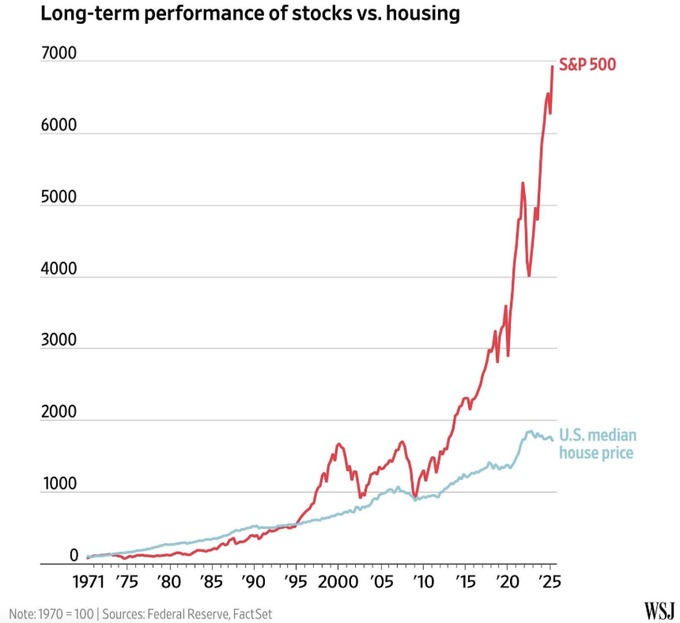
@MaisSobrioTT@miguel_milhao Errado @MaisSobrioTT o ordenado de quem trabalha nas obras só iria aumentar se a procura pela casas fosse grande.Caso a oferta de casas fosse superior a procura,isso iria levar a menos construções e logicamente o ordenado dos trabalhadores setor acabaria por diminuir ou estagnar.
@jpmayall Quem é que teria feito um lump sum no pico de 2000 e nunca mais teria investido? O mais provável seria ter feito DCA ao longo dos anos.
Esse cenário é hipotético e irrealista.
Imobiliário é coisa de pobre... pobres de mentalidade e de carteira! Obviamente os tugas adoram imobiliário... caso contrário não seríamos tugas eheh
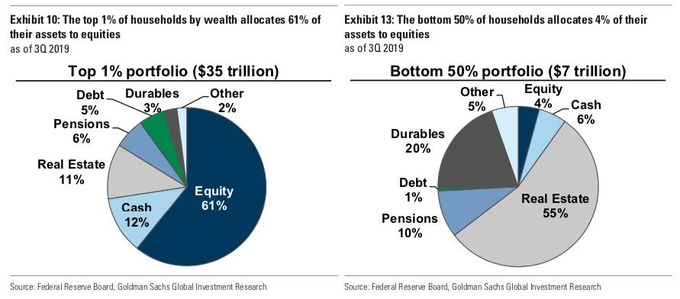
Equities é o caminho, esqueçam o betão pessoal!
The urge to constantly act is hard to resist in investing, especially when headlines change every five minutes.
But just as important as knowing when to buy or sell is knowing when to do nothing.
Most of the time, that’s the right decision.
$DLO just reported its Q4 Earnings Report and at first sight it looks amazing. 👀
TPV of $13.1B (+70% YoY)
Revenue of $338M (+65% YoY)
Gross Profit of $116M (+38% YoY)
Adj. EBITDA of $78M (+38% YoY)
FCF of $65M (+100% YoY)
2026 guidance:
TPV growth of 50%-60% YoY
Gross Profit growth of 22.5%-27.5% YoY
Operating Profit growth of 27.5%-32.5% YoY
$300M buyback program announced
What an amazing company and management team.
🚨 JUST IN:
$NBIS signs new AI infrastructure agreement with $META.
Total contract value of up to ~$27B.
Under the five-year agreement, Nebius will provide $12B of dedicated capacity across multiple locations, based on one of the first large-scale deployments of the NVIDIA Vera Rubin platform. Nebius will deliver this capacity starting early 2027.
Furthermore, in��connection with access to these NVIDIA Vera Rubin deployments, Meta has committed to purchase additional available compute capacity across certain upcoming Nebius clusters up to a total of $15B over a five-year period. Nebius currently intends to sell this capacity to third-party customers of its AI cloud business, with remaining capacity to be purchased by Meta.
"We will continue to deliver."
- Arkady Volozh, Founder and CEO of Nebius
Here is my analysis of Omada Health — a position I first initiated in December and have gradually increased in recent months, as I believe it represents a compelling small-cap opportunity in the digital health space.
Introduction
Omada Health was founded in 2011 with the objective of addressing the prevention and long-term management of chronic disease through a digital-first, evidence-based approach. The company was co-founded by Sean Duffy, whose background in human-centered design and behavioral science helped shape Omada’s early focus on sustained engagement and measurable health outcomes rather than short-term wellness interventions.
The company’s mission is to “bend the curve” of chronic disease by enabling individuals to make lasting health changes and by delivering continuous care in the periods between traditional doctor visits.
Omada’s core value proposition is to help members stay on track between physician visits, recognizing that many of the factors determining long-term health outcomes occur outside the clinical setting. These include lifestyle behaviors such as nutrition, physical activity, medication adherence, and social support.
Traditional healthcare systems remain largely structured around short and infrequent appointments, limiting their ability to influence these day-to-day behavioral drivers of chronic disease progression. Omada’s model focuses on this “between-visit” period, providing continuous engagement and behavioral support.
This is achieved through a hybrid care model that combines specialized human care teams with technology-enabled tools that continuously monitor and track key health metrics. Members interact with Omada’s platform through digital applications and connected devices such as smart scales, blood pressure monitors, and glucose monitoring tools, while receiving ongoing guidance from dedicated health coaches and clinical specialists.
Omada gained early national recognition through its work in diabetes prevention, becoming one of the first virtual providers to receive pending recognition from the U.S. Centers for Disease Control and Prevention (CDC) for its Digital Diabetes Prevention Program in 2015. In 2018, the company achieved full CDC recognition, validating the clinical effectiveness of its digital delivery model and establishing credibility with employers, health plans, and healthcare stakeholders.
Over time, Omada expanded its offering beyond diabetes prevention into a broader, multi-condition chronic care platform, adding programs for diabetes management, hypertension, weight management, and musculoskeletal conditions. Throughout this expansion, the company maintained a consistent strategic emphasis on outcomes-based care, aligning its commercial success with demonstrable clinical improvements.
Following its initial public offering in 2025, Omada entered its next phase of development as a public company. The IPO provides access to permanent capital to support continued platform expansion, deeper integration with health plans, and progress toward sustainable profitability. Today, Omada is positioned as one of the more established and clinically validated platforms in digital chronic care, with a long operating history and a business model aligned with the broader shift toward value-based healthcare.
Total Addressable Market
Omada operates within several large and growing chronic care markets that collectively represent a substantial addressable opportunity.
Prediabetes: $46.4B
Diabetes: $18.1B
Hypertension: $29.7B
Cholesterol: $3B
Musculoskeletal: $40.9B
These conditions frequently overlap within the same populations, creating opportunities for multi-condition platforms like Omada to expand revenue per member as customers adopt additional programs.
Because Omada’s platform is designed to address multiple cardiometabolic conditions simultaneously, the company’s effective opportunity is not limited to a single vertical but rather spans the broader chronic disease management ecosystem.
Business Model
Omada Health operates a business-to-business digital healthcare model focused on the prevention and management of chronic conditions through a combination of technology-enabled programs and human clinical support. The company’s value proposition centers on delivering measurable clinical outcomes that translate into lower long-term healthcare costs for employers and health plans.
This model is supported by years of clinical research and published studies designed to build a robust evidence base demonstrating that Omada’s programs improve outcomes for individuals with chronic conditions.
These studies have been instrumental in establishing credibility with employers, insurers, and healthcare stakeholders, allowing Omada’s services to be integrated into employer health benefits and insurance plans.
As a result, Omada operates primarily under a B2B or B2B2C model rather than the traditional direct-to-consumer approach used by many digital health applications.
One of Omada’s key competitive advantages is the clinical evidence accumulated over time, including more than 30 peer-reviewed publications demonstrating the effectiveness of its programs. Building this level of clinical validation takes many years and represents a meaningful barrier to entry for new competitors.
This approach also makes the company’s model significantly less dependent on consumer marketing and advertising compared with typical B2C digital health platforms.
Customer Structure
Omada serves two primary customer segments:
First, employers, particularly large self-insured organizations, contract directly with Omada to offer its programs as a health benefit to eligible employees. In this model, employers bear healthcare costs directly and are therefore economically incentivized to invest in preventive and chronic care solutions that can reduce future medical spend.
Second, health insurers and health plans integrate Omada’s programs into the plans they sell to employers under a B2B2C structure. In this arrangement, Omada becomes part of the insurer’s product offering, supporting population health management, reducing actuarial risk, and enhancing plan competitiveness.
In addition to employers and health plans, Omada also distributes its programs through channel partners such as pharmacy benefit managers and other healthcare intermediaries, expanding its reach across a broader set of covered populations.
These two channels are complementary and allow Omada to address both large, sophisticated buyers directly and smaller or mid-sized employers indirectly through insurer partnerships.
Revenue Model
Omada generates revenue based on fees that are dependent, in part, on the number of covered individuals enrolled in its programs on a monthly basis.
Members are typically counted as enrolled when their participation in a program has been billed at least once within the preceding 12 months.
Contracts increasingly include performance-based components, whereby a portion of Omada’s fees may be subject to repayment or adjustment if predefined clinical outcomes or performance criteria are not achieved.
This outcomes-linked pricing structure aligns Omada’s incentives with those of its customers, reduces perceived buyer risk, and supports long-term customer retention and renewals.
Product
Omada’s programs combine three core elements: a digital platform that enables tracking, education, and behavioral interventions; access to health coaches and clinicians who provide personalized guidance; and data analytics that measure and report clinical outcomes to customers.
This model reflects what the company internally describes as “Compassionate Intelligence”: a hybrid care approach that combines human-led care teams with technology, connected devices, and advanced analytics to deliver personalized support at scale.
Members interact with the platform primarily through a mobile application that integrates educational content, progress tracking, peer support groups, and direct communication with care teams. In addition, members are often provided with connected devices, including smart scales, blood pressure monitors, and glucose monitoring tools, which automatically transmit health data to Omada’s platform.
These data streams allow Omada’s care teams to monitor progress in real time and intervene when necessary, creating a continuous feedback loop between member behavior, clinical guidance, and measurable health outcomes.
The inclusion of human coaching differentiates Omada from pure software solutions but introduces a variable cost structure driven by clinical labor. As a result, gross margins are structurally lower than those of traditional SaaS businesses, though still attractive within the context of healthcare services.
Although the inclusion of human coaching constrains gross margin expansion, Omada benefits from multiple sources of operating leverage over time. Once a customer relationship is established, incremental programs can be deployed with limited additional acquisition cost. Employer clients also tend to expand adoption across additional conditions and populations, while improvements in tooling and workflow efficiency increase the number of participants supported per coach.
Together, these dynamics support improving contribution margins and a path toward sustainable profitability, even if lon-term steady-state margins lower than those of pure software peers.
Omada’s business model is positioned between traditional healthcare delivery, which is difficult to scale cost-effectively, and wellness-focused digital solutions that often lack clinical rigor and economic accountability. By combining evidence-based care, outcomes-linked pricing, and enterprise distribution, Omada has built a differentiated platform that is defensible through execution, data, and integration, even if not fully insulated from competitive pressure.
Core Growth Drivers
Omada Health’s growth is driven by a combination of structural healthcare trends and company-specific execution factors that support both revenue expansion and improving unit economics over time.
The first driver is the structural growth in chronic disease prevalence and the associated economic burden on employers and health plans. Chronic conditions such as diabetes, hypertension, obesity, and musculoskeletal disorders account for a disproportionate share of healthcare spending in the United States.
Approximately 40% of adults live with obesity and nearly two-thirds have at least one cardiometabolic risk factor, highlighting the magnitude of the underlying problem Omada is addressing.
As employers and insurers continue to shift from volume-based to value-based healthcare models, demand for scalable, preventive, and outcomes-oriented solutions is increasing. This secular trend provides Omada with a long growth runway that is largely independent of short-term economic cycles.
A second key driver is multi-condition expansion within existing customers. Omada’s platform is designed to address multiple chronic conditions across the same covered population. Once an employer or health plan adopts Omada for an initial program, additional programs can be introduced with limited incremental sales and onboarding costs. This dynamic increases average revenue per customer and lifetime value without a proportional increase in customer acquisition cost, supporting attractive long-term unit economics.
A third growth driver is clinical credibility and evidence-based outcomes as a commercial enabler. The availability of peer-reviewed clinical evidence and CDC-recognized programs reduces procurement friction with employers and health plans, improves win rates in competitive RFP processes, and enables the use of outcomes-based contract structures. As buyers become more selective and increasingly demand demonstrable ROI, this clinical credibility becomes a meaningful advantage in customer acquisition and retention.
The fourth driver is distribution leverage through health plan partnerships. Integrations with insurers allow Omada to reach mid-sized and smaller employers more efficiently than through direct sales alone. This channel expands the company’s addressable market, reduces customer acquisition volatility, and embeds Omada more deeply into the healthcare ecosystem.
Finally, operational and sales efficiency gains represent an important internal growth lever. As Omada scales, increasing brand recognition and referenceability are expected to shorten sales cycles and reduce acquisition costs. On the delivery side, continued investments in tooling, automation, and clinical workflow optimisation increase the number of participants supported per coach, supporting gradual margin expansion over time.
Taken together, these drivers position Omada to grow through a combination of new customer acquisition, expansion within existing customers, and operating leverage, while remaining aligned with the broader shift toward value-based healthcare delivery.
Q4 Numbers
Omada Health delivered a strong full-year 2025 performance, reflecting continued scale expansion and meaningful progress toward profitability.
Total enrolled members increased significantly, reaching approximately 886,000 members by the end of 2025, representing 55% year-over-year growth.
Revenue also grew rapidly, with full-year revenue increasing 53% to approximately $260 million, while fourth-quarter revenue rose 58%year-over-year to $68 million.
Gross margins expanded meaningfully as the company scaled its platform, reaching approximately 66%GAAP gross margin and 68% non-GAAP gross margin for the year.
One of the most important milestones during the year was the company’s progress toward profitability.
In Q4 2025, Omada achieved its first quarter of positive GAAP net income, reporting approximately $5 millionin profit.
At the same time, adjusted EBITDA turned positive for the full year, reaching approximately $6 million.
Operational scale also continued to expand. Omada now serves more than 2,000 customers and supports an estimated population of over 25 million covered lives through employer and health plan relationships.
Taken together, these metrics suggest that Omada is approaching an operational inflection point where continued revenue growth begins translating into sustained profitability.
Valuation
Omada Health is currently valued primarily on revenue-based metrics, reflecting its position at a transitional stage between high-growth digital health platforms and more mature healthcare services companies.
Although the company recently achieved an important milestone by reporting its first quarter of positive GAAP net income in Q4 2025, Omada is still in the early stages of demonstrating consistent profitability. As a result, valuation in the public market continues to be anchored largely to revenue-based multiples rather than traditional earnings metrics.
While the price-to-sales (P/S) ratio is not the most relevant metric for assessing a company’s long-term intrinsic value, it remains the most commonly used reference point at this stage of the company’s lifecycle.
At the current market capitalization of approximately $856 million and 2025 revenue of roughly $260 million, Omada trades at a price-to-sales multiple of about 3.3x.
This valuation appears relatively modest for a company that is still growing revenue above 50% annually, particularly when compared with many historical digital health and healthcare technology peers that have traded at materially higher multiples during comparable growth phases.
Part of this valuation discount likely reflects investor caution regarding the durability of margins, the competitive dynamics within digital health, and the relatively short track record of GAAP profitability following the company’s recent IPO.
However, Omada’s balance sheet provides an additional layer of downside protection. The company holds approximately $222 million in cash and cash equivalents and carries no financial debt, giving it substantial financial flexibility to continue investing in growth while maintaining a strong liquidity position.
Although it is not yet possible to define a precise intrinsic value or establish a reliable long-term price target, several factors support a constructive investment view.
First, Omada has demonstrated the ability to scale revenue rapidly while expanding gross margins and reaching GAAP profitability. Second, the company operates in a large and structurally growing market driven by the rising prevalence of chronic disease. Third, the business benefits from a founder-led management team and a model aligned with the broader shift toward value-based healthcare.
At ~3.3x sales, investors are paying a relatively modest multiple for a company growing revenue above 50% with improving margins and a debt-free balance sheet.
Risks
Despite Omada Health’s strong recent operating performance and the achievement of GAAP profitability in Q4 2025, several material risks remain that could influence the company’s long-term investment outcome.
A primary risk relates to the durability of profitability. While Omada reported its first quarter of positive GAAP net income in Q4 2025 and achieved positive adjusted EBITDA for the full year, the company has only recently crossed this threshold and has not yet demonstrated consistent profitability across multiple periods or economic cycles.
The company’s business model still requires ongoing investment in product development, clinical capabilities, and technology infrastructure. If revenue growth slows or operating costs increase, profitability could remain volatile in the near term.
A second key risk relates to customer and channel partner concentration.
Omada distributes a significant portion of its programs through channel partners such as health plans and pharmacy benefit managers, and a limited number of these partners account for a meaningful share of revenue and receivables. Changes in these relationships or renegotiations of commercial terms could materially affect growth and profitability.
Another important risk is competitive pressure within the digital health and chronic care ecosystem.
Omada competes with a wide range of players, including digital health platforms, traditional healthcare providers, health systems, and insurers that are increasingly developing internal digital care capabilities.
The rapid emergence of GLP-1 therapies has also attracted significant investment and new entrants into obesity and cardiometabolic care, which could intensify competition in Omada’s core markets.
A further risk relates to execution and product expansion.
Omada continues to invest in new capabilities such as GLP-1 prescribing, expanded cardiometabolic programs, and artificial intelligence-driven care tools. While these initiatives could strengthen the platform over time, they also introduce operational complexity and require continued investment.
Finally, Omada operates in a highly regulated healthcare environment. The company must comply with evolving federal and state healthcare regulations, privacy laws, and data protection standards. Any changes in regulation, compliance failures, or increased enforcement could increase costs or limit the scope of certain offerings.
Conclusion
Omada Health represents a differentiated opportunity within the digital health and chronic care landscape, combining strong structural tailwinds with meaningful operational progress.
The company operates at the intersection of several powerful secular trends, including the rising prevalence of chronic disease, the growing economic burden of cardiometabolic conditions, and the healthcare system’s gradual shift toward value-based care models that prioritize measurable outcomes and long-term cost reduction.
Over the past several years, Omada has demonstrated the ability to scale its platform, expand its member base, and improve financial performance while building a clinically validated care model that resonates with employers and health plans.
Importantly, 2025 marked a key milestone in the company’s evolution as a public business. Omada achieved its first quarter of positive GAAP net income in Q4 and delivered positive adjusted EBITDA for the full year, suggesting that the operating leverage embedded in the model may begin to materialize as the platform continues to scale.
At the same time, the company maintains a strong financial position.
With approximately $222 million in cash and no financial debt, Omada has a robust balance sheet that provides flexibility to continue investing in product innovation, platform expansion, and distribution while maintaining a comfortable liquidity buffer.
From a valuation perspective, the company currently trades at approximately 3.3x trailing revenue, which appears relatively modest for a business still growing revenue at a high rate and beginning to demonstrate improving profitability metrics.
While execution risks remain, particularly around competitive dynamics, channel concentration, and the durability of profitability, the combination of strong revenue growth, improving operating leverage, and a large addressable market creates a potentially attractive long-term setup.
Ultimately, Omada remains in the early stages of its journey as a public company. However, its founder-led leadership, evidence-based care model, expanding multi-condition platform, and alignment with long-term healthcare system incentives provide a credible foundation for continued growth.
If the company continues to execute on member growth, margin expansion, and multi-condition platform adoption, the current stage of development may represent an interesting entry point for long-term investors.
That´s it guys. I hope you enjoyed!
This post was also shared on my free substack: https://t.co/LByUgsgRXY
Feel free to comment or share! Thank you in advance!
Here is my analysis of Omada Health — a position I first initiated in December and have gradually increased in recent months, as I believe it represents a compelling small-cap opportunity in the digital health space.
Introduction
Omada Health was founded in 2011 with the objective of addressing the prevention and long-term management of chronic disease through a digital-first, evidence-based approach. The company was co-founded by Sean Duffy, whose background in human-centered design and behavioral science helped shape Omada’s early focus on sustained engagement and measurable health outcomes rather than short-term wellness interventions.
The company’s mission is to “bend the curve” of chronic disease by enabling individuals to make lasting health changes and by delivering continuous care in the periods between traditional doctor visits.
Omada’s core value proposition is to help members stay on track between physician visits, recognizing that many of the factors determining long-term health outcomes occur outside the clinical setting. These include lifestyle behaviors such as nutrition, physical activity, medication adherence, and social support.
Traditional healthcare systems remain largely structured around short and infrequent appointments, limiting their ability to influence these day-to-day behavioral drivers of chronic disease progression. Omada’s model focuses on this “between-visit” period, providing continuous engagement and behavioral support.
This is achieved through a hybrid care model that combines specialized human care teams with technology-enabled tools that continuously monitor and track key health metrics. Members interact with Omada’s platform through digital applications and connected devices such as smart scales, blood pressure monitors, and glucose monitoring tools, while receiving ongoing guidance from dedicated health coaches and clinical specialists.
Omada gained early national recognition through its work in diabetes prevention, becoming one of the first virtual providers to receive pending recognition from the U.S. Centers for Disease Control and Prevention (CDC) for its Digital Diabetes Prevention Program in 2015. In 2018, the company achieved full CDC recognition, validating the clinical effectiveness of its digital delivery model and establishing credibility with employers, health plans, and healthcare stakeholders.
Over time, Omada expanded its offering beyond diabetes prevention into a broader, multi-condition chronic care platform, adding programs for diabetes management, hypertension, weight management, and musculoskeletal conditions. Throughout this expansion, the company maintained a consistent strategic emphasis on outcomes-based care, aligning its commercial success with demonstrable clinical improvements.
Following its initial public offering in 2025, Omada entered its next phase of development as a public company. The IPO provides access to permanent capital to support continued platform expansion, deeper integration with health plans, and progress toward sustainable profitability. Today, Omada is positioned as one of the more established and clinically validated platforms in digital chronic care, with a long operating history and a business model aligned with the broader shift toward value-based healthcare.
Total Addressable Market
Omada operates within several large and growing chronic care markets that collectively represent a substantial addressable opportunity.
Prediabetes: $46.4B
Diabetes: $18.1B
Hypertension: $29.7B
Cholesterol: $3B
Musculoskeletal: $40.9B
These conditions frequently overlap within the same populations, creating opportunities for multi-condition platforms like Omada to expand revenue per member as customers adopt additional programs.
Because Omada’s platform is designed to address multiple cardiometabolic conditions simultaneously, the company’s effective opportunity is not limited to a single vertical but rather spans the broader chronic disease management ecosystem.
Business Model
Omada Health operates a business-to-business digital healthcare model focused on the prevention and management of chronic conditions through a combination of technology-enabled programs and human clinical support. The company’s value proposition centers on delivering measurable clinical outcomes that translate into lower long-term healthcare costs for employers and health plans.
This model is supported by years of clinical research and published studies designed to build a robust evidence base demonstrating that Omada’s programs improve outcomes for individuals with chronic conditions.
These studies have been instrumental in establishing credibility with employers, insurers, and healthcare stakeholders, allowing Omada’s services to be integrated into employer health benefits and insurance plans.
As a result, Omada operates primarily under a B2B or B2B2C model rather than the traditional direct-to-consumer approach used by many digital health applications.
One of Omada’s key competitive advantages is the clinical evidence accumulated over time, including more than 30 peer-reviewed publications demonstrating the effectiveness of its programs. Building this level of clinical validation takes many years and represents a meaningful barrier to entry for new competitors.
This approach also makes the company’s model significantly less dependent on consumer marketing and advertising compared with typical B2C digital health platforms.
Customer Structure
Omada serves two primary customer segments:
First, employers, particularly large self-insured organizations, contract directly with Omada to offer its programs as a health benefit to eligible employees. In this model, employers bear healthcare costs directly and are therefore economically incentivized to invest in preventive and chronic care solutions that can reduce future medical spend.
Second, health insurers and health plans integrate Omada’s programs into the plans they sell to employers under a B2B2C structure. In this arrangement, Omada becomes part of the insurer’s product offering, supporting population health management, reducing actuarial risk, and enhancing plan competitiveness.
In addition to employers and health plans, Omada also distributes its programs through channel partners such as pharmacy benefit managers and other healthcare intermediaries, expanding its reach across a broader set of covered populations.
These two channels are complementary and allow Omada to address both large, sophisticated buyers directly and smaller or mid-sized employers indirectly through insurer partnerships.
Revenue Model
Omada generates revenue based on fees that are dependent, in part, on the number of covered individuals enrolled in its programs on a monthly basis.
Members are typically counted as enrolled when their participation in a program has been billed at least once within the preceding 12 months.
Contracts increasingly include performance-based components, whereby a portion of Omada’s fees may be subject to repayment or adjustment if predefined clinical outcomes or performance criteria are not achieved.
This outcomes-linked pricing structure aligns Omada’s incentives with those of its customers, reduces perceived buyer risk, and supports long-term customer retention and renewals.
Product
Omada’s programs combine three core elements: a digital platform that enables tracking, education, and behavioral interventions; access to health coaches and clinicians who provide personalized guidance; and data analytics that measure and report clinical outcomes to customers.
This model reflects what the company internally describes as “Compassionate Intelligence”: a hybrid care approach that combines human-led care teams with technology, connected devices, and advanced analytics to deliver personalized support at scale.
Members interact with the platform primarily through a mobile application that integrates educational content, progress tracking, peer support groups, and direct communication with care teams. In addition, members are often provided with connected devices, including smart scales, blood pressure monitors, and glucose monitoring tools, which automatically transmit health data to Omada’s platform.
These data streams allow Omada’s care teams to monitor progress in real time and intervene when necessary, creating a continuous feedback loop between member behavior, clinical guidance, and measurable health outcomes.
The inclusion of human coaching differentiates Omada from pure software solutions but introduces a variable cost structure driven by clinical labor. As a result, gross margins are structurally lower than those of traditional SaaS businesses, though still attractive within the context of healthcare services.
Although the inclusion of human coaching constrains gross margin expansion, Omada benefits from multiple sources of operating leverage over time. Once a customer relationship is established, incremental programs can be deployed with limited additional acquisition cost. Employer clients also tend to expand adoption across additional conditions and populations, while improvements in tooling and workflow efficiency increase the number of participants supported per coach.
Together, these dynamics support improving contribution margins and a path toward sustainable profitability, even if lon-term steady-state margins lower than those of pure software peers.
Omada’s business model is positioned between traditional healthcare delivery, which is difficult to scale cost-effectively, and wellness-focused digital solutions that often lack clinical rigor and economic accountability. By combining evidence-based care, outcomes-linked pricing, and enterprise distribution, Omada has built a differentiated platform that is defensible through execution, data, and integration, even if not fully insulated from competitive pressure.
Core Growth Drivers
Omada Health’s growth is driven by a combination of structural healthcare trends and company-specific execution factors that support both revenue expansion and improving unit economics over time.
The first driver is the structural growth in chronic disease prevalence and the associated economic burden on employers and health plans. Chronic conditions such as diabetes, hypertension, obesity, and musculoskeletal disorders account for a disproportionate share of healthcare spending in the United States.
Approximately 40% of adults live with obesity and nearly two-thirds have at least one cardiometabolic risk factor, highlighting the magnitude of the underlying problem Omada is addressing.
As employers and insurers continue to shift from volume-based to value-based healthcare models, demand for scalable, preventive, and outcomes-oriented solutions is increasing. This secular trend provides Omada with a long growth runway that is largely independent of short-term economic cycles.
A second key driver is multi-condition expansion within existing customers. Omada’s platform is designed to address multiple chronic conditions across the same covered population. Once an employer or health plan adopts Omada for an initial program, additional programs can be introduced with limited incremental sales and onboarding costs. This dynamic increases average revenue per customer and lifetime value without a proportional increase in customer acquisition cost, supporting attractive long-term unit economics.
A third growth driver is clinical credibility and evidence-based outcomes as a commercial enabler. The availability of peer-reviewed clinical evidence and CDC-recognized programs reduces procurement friction with employers and health plans, improves win rates in competitive RFP processes, and enables the use of outcomes-based contract structures. As buyers become more selective and increasingly demand demonstrable ROI, this clinical credibility becomes a meaningful advantage in customer acquisition and retention.
The fourth driver is distribution leverage through health plan partnerships. Integrations with insurers allow Omada to reach mid-sized and smaller employers more efficiently than through direct sales alone. This channel expands the company’s addressable market, reduces customer acquisition volatility, and embeds Omada more deeply into the healthcare ecosystem.
Finally, operational and sales efficiency gains represent an important internal growth lever. As Omada scales, increasing brand recognition and referenceability are expected to shorten sales cycles and reduce acquisition costs. On the delivery side, continued investments in tooling, automation, and clinical workflow optimisation increase the number of participants supported per coach, supporting gradual margin expansion over time.
Taken together, these drivers position Omada to grow through a combination of new customer acquisition, expansion within existing customers, and operating leverage, while remaining aligned with the broader shift toward value-based healthcare delivery.
Q4 Numbers
Omada Health delivered a strong full-year 2025 performance, reflecting continued scale expansion and meaningful progress toward profitability.
Total enrolled members increased significantly, reaching approximately 886,000 members by the end of 2025, representing 55% year-over-year growth.
Revenue also grew rapidly, with full-year revenue increasing 53% to approximately $260 million, while fourth-quarter revenue rose 58%year-over-year to $68 million.
Gross margins expanded meaningfully as the company scaled its platform, reaching approximately 66%GAAP gross margin and 68% non-GAAP gross margin for the year.
One of the most important milestones during the year was the company’s progress toward profitability.
In Q4 2025, Omada achieved its first quarter of positive GAAP net income, reporting approximately $5 millionin profit.
At the same time, adjusted EBITDA turned positive for the full year, reaching approximately $6 million.
Operational scale also continued to expand. Omada now serves more than 2,000 customers and supports an estimated population of over 25 million covered lives through employer and health plan relationships.
Taken together, these metrics suggest that Omada is approaching an operational inflection point where continued revenue growth begins translating into sustained profitability.
Valuation
Omada Health is currently valued primarily on revenue-based metrics, reflecting its position at a transitional stage between high-growth digital health platforms and more mature healthcare services companies.
Although the company recently achieved an important milestone by reporting its first quarter of positive GAAP net income in Q4 2025, Omada is still in the early stages of demonstrating consistent profitability. As a result, valuation in the public market continues to be anchored largely to revenue-based multiples rather than traditional earnings metrics.
While the price-to-sales (P/S) ratio is not the most relevant metric for assessing a company’s long-term intrinsic value, it remains the most commonly used reference point at this stage of the company’s lifecycle.
At the current market capitalization of approximately $856 million and 2025 revenue of roughly $260 million, Omada trades at a price-to-sales multiple of about 3.3x.
This valuation appears relatively modest for a company that is still growing revenue above 50% annually, particularly when compared with many historical digital health and healthcare technology peers that have traded at materially higher multiples during comparable growth phases.
Part of this valuation discount likely reflects investor caution regarding the durability of margins, the competitive dynamics within digital health, and the relatively short track record of GAAP profitability following the company’s recent IPO.
However, Omada’s balance sheet provides an additional layer of downside protection. The company holds approximately $222 million in cash and cash equivalents and carries no financial debt, giving it substantial financial flexibility to continue investing in growth while maintaining a strong liquidity position.
Although it is not yet possible to define a precise intrinsic value or establish a reliable long-term price target, several factors support a constructive investment view.
First, Omada has demonstrated the ability to scale revenue rapidly while expanding gross margins and reaching GAAP profitability. Second, the company operates in a large and structurally growing market driven by the rising prevalence of chronic disease. Third, the business benefits from a founder-led management team and a model aligned with the broader shift toward value-based healthcare.
At ~3.3x sales, investors are paying a relatively modest multiple for a company growing revenue above 50% with improving margins and a debt-free balance sheet.
Risks
Despite Omada Health’s strong recent operating performance and the achievement of GAAP profitability in Q4 2025, several material risks remain that could influence the company’s long-term investment outcome.
A primary risk relates to the durability of profitability. While Omada reported its first quarter of positive GAAP net income in Q4 2025 and achieved positive adjusted EBITDA for the full year, the company has only recently crossed this threshold and has not yet demonstrated consistent profitability across multiple periods or economic cycles.
The company’s business model still requires ongoing investment in product development, clinical capabilities, and technology infrastructure. If revenue growth slows or operating costs increase, profitability could remain volatile in the near term.
A second key risk relates to customer and channel partner concentration.
Omada distributes a significant portion of its programs through channel partners such as health plans and pharmacy benefit managers, and a limited number of these partners account for a meaningful share of revenue and receivables. Changes in these relationships or renegotiations of commercial terms could materially affect growth and profitability.
Another important risk is competitive pressure within the digital health and chronic care ecosystem.
Omada competes with a wide range of players, including digital health platforms, traditional healthcare providers, health systems, and insurers that are increasingly developing internal digital care capabilities.
The rapid emergence of GLP-1 therapies has also attracted significant investment and new entrants into obesity and cardiometabolic care, which could intensify competition in Omada’s core markets.
A further risk relates to execution and product expansion.
Omada continues to invest in new capabilities such as GLP-1 prescribing, expanded cardiometabolic programs, and artificial intelligence-driven care tools. While these initiatives could strengthen the platform over time, they also introduce operational complexity and require continued investment.
Finally, Omada operates in a highly regulated healthcare environment. The company must comply with evolving federal and state healthcare regulations, privacy laws, and data protection standards. Any changes in regulation, compliance failures, or increased enforcement could increase costs or limit the scope of certain offerings.
Conclusion
Omada Health represents a differentiated opportunity within the digital health and chronic care landscape, combining strong structural tailwinds with meaningful operational progress.
The company operates at the intersection of several powerful secular trends, including the rising prevalence of chronic disease, the growing economic burden of cardiometabolic conditions, and the healthcare system’s gradual shift toward value-based care models that prioritize measurable outcomes and long-term cost reduction.
Over the past several years, Omada has demonstrated the ability to scale its platform, expand its member base, and improve financial performance while building a clinically validated care model that resonates with employers and health plans.
Importantly, 2025 marked a key milestone in the company’s evolution as a public business. Omada achieved its first quarter of positive GAAP net income in Q4 and delivered positive adjusted EBITDA for the full year, suggesting that the operating leverage embedded in the model may begin to materialize as the platform continues to scale.
At the same time, the company maintains a strong financial position.
With approximately $222 million in cash and no financial debt, Omada has a robust balance sheet that provides flexibility to continue investing in product innovation, platform expansion, and distribution while maintaining a comfortable liquidity buffer.
From a valuation perspective, the company currently trades at approximately 3.3x trailing revenue, which appears relatively modest for a business still growing revenue at a high rate and beginning to demonstrate improving profitability metrics.
While execution risks remain, particularly around competitive dynamics, channel concentration, and the durability of profitability, the combination of strong revenue growth, improving operating leverage, and a large addressable market creates a potentially attractive long-term setup.
Ultimately, Omada remains in the early stages of its journey as a public company. However, its founder-led leadership, evidence-based care model, expanding multi-condition platform, and alignment with long-term healthcare system incentives provide a credible foundation for continued growth.
If the company continues to execute on member growth, margin expansion, and multi-condition platform adoption, the current stage of development may represent an interesting entry point for long-term investors.
That´s it guys. I hope you enjoyed!
This post was also shared on my free substack: https://t.co/LByUgsgRXY
Feel free to comment or share! Thank you in advance!
🚨 JUST IN:
$NBIS and $NVDA partner to scale full-stack AI cloud.
- NVIDIA to invest $2 billion in Nebius
- Nebius to deploy more than 5 GWs of NVIDIA systems by end of 2030