The world spent 80 years building an international court to hold those who commit the worst acts known to humanity to account.
Israel, a non party to the ICC "played an active role" in dismantling it.
Astonishing and terrifying
China has announced the ban on the existence of golf courses. It requires that all existing golf courses be incorporated into urban community parks and made accessible to all citizens. Moreover, it states that golf has no sporting value at all.
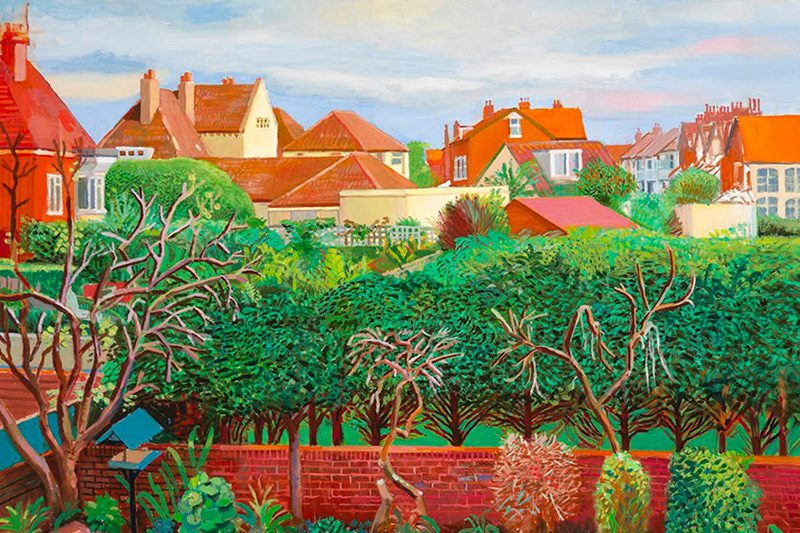
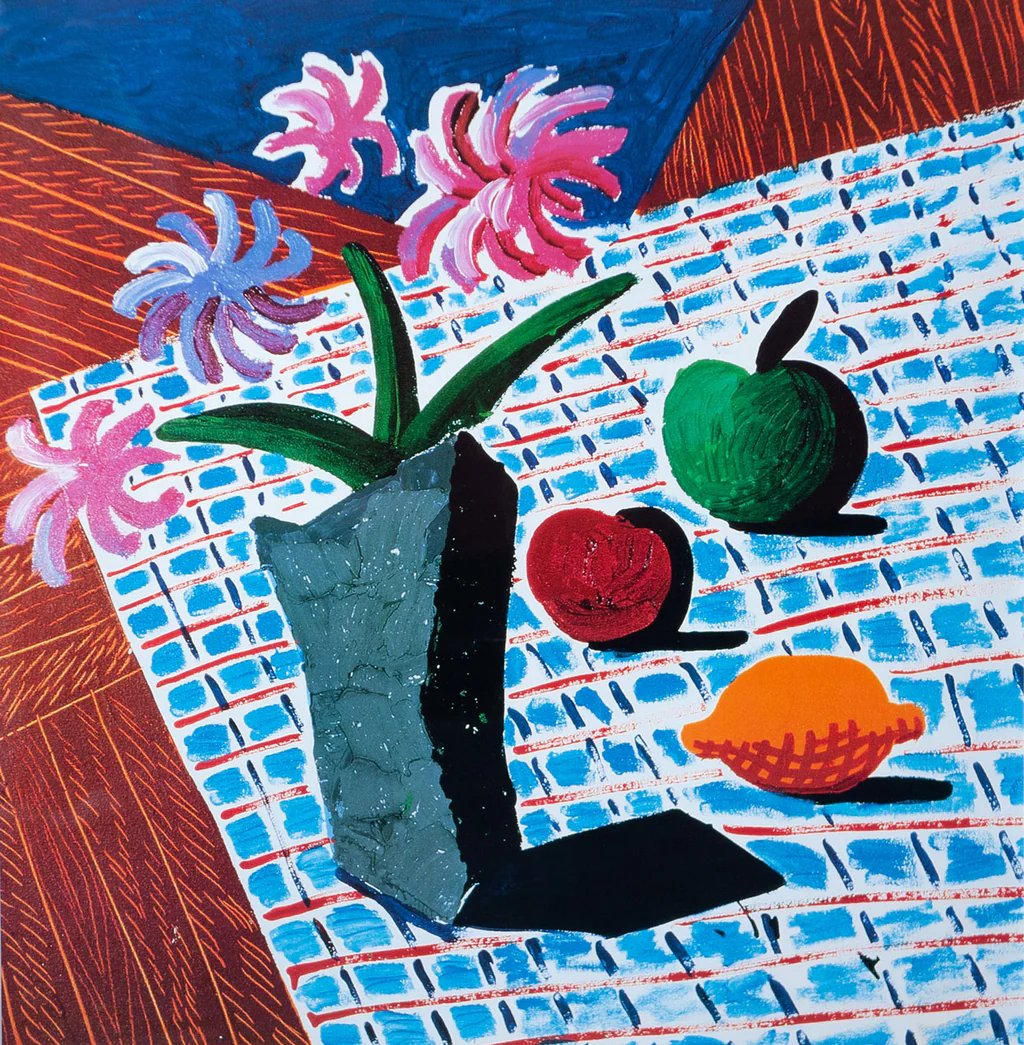
RIP David Hockney. There are infinite images I could post. Across medium, technology & time, relentless in returning the gaze to see better; colour, value, detail, mystery, wonder, joy in the world, inviting us to do so too. His life is a manifesto of what art can be. My hero
Happy 83rd birthday, David Cronenberg!
David Cronenberg on why his movies are body centric:
"I have this deep pool of imagery that I keep fishing in and it’s just there for whatever reason. My films are body centric. For me, the first fact of human existence is the body and the further we move away from the human body the less real things become and have to be invented by us.
Maybe the body is the only fact of human existence that we can cling to. And yet it seems to be much ignored in movie making, although maybe not in art generally. One thinks of a lot of strange, interesting performance artists and painters like Francis Bacon. But in movie making there still seems to be this flight from the body in a weird way."
(Cronenberg's interview with Richard Porton, Cineaste, 1999)
Clip from:
Videodrome (1983)
Director: David Cronenberg
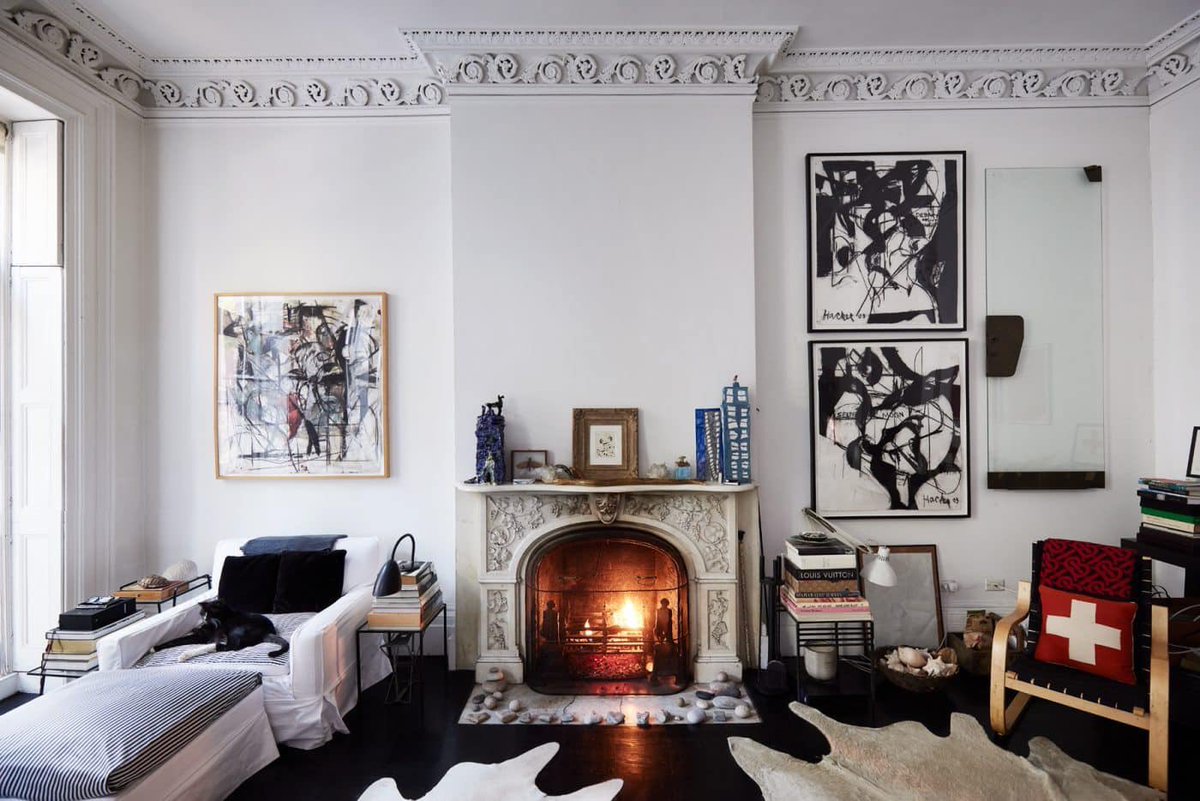
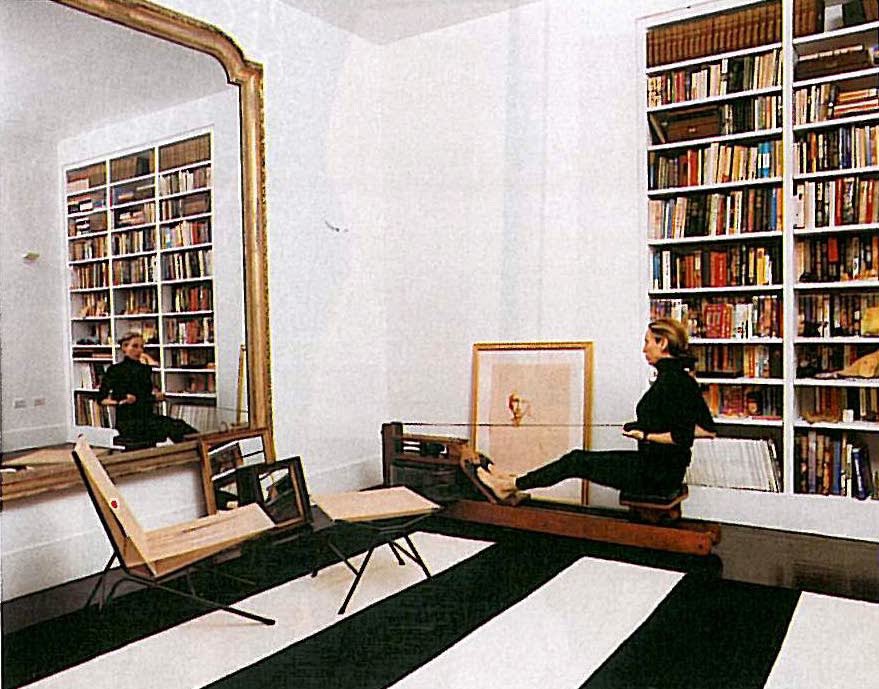
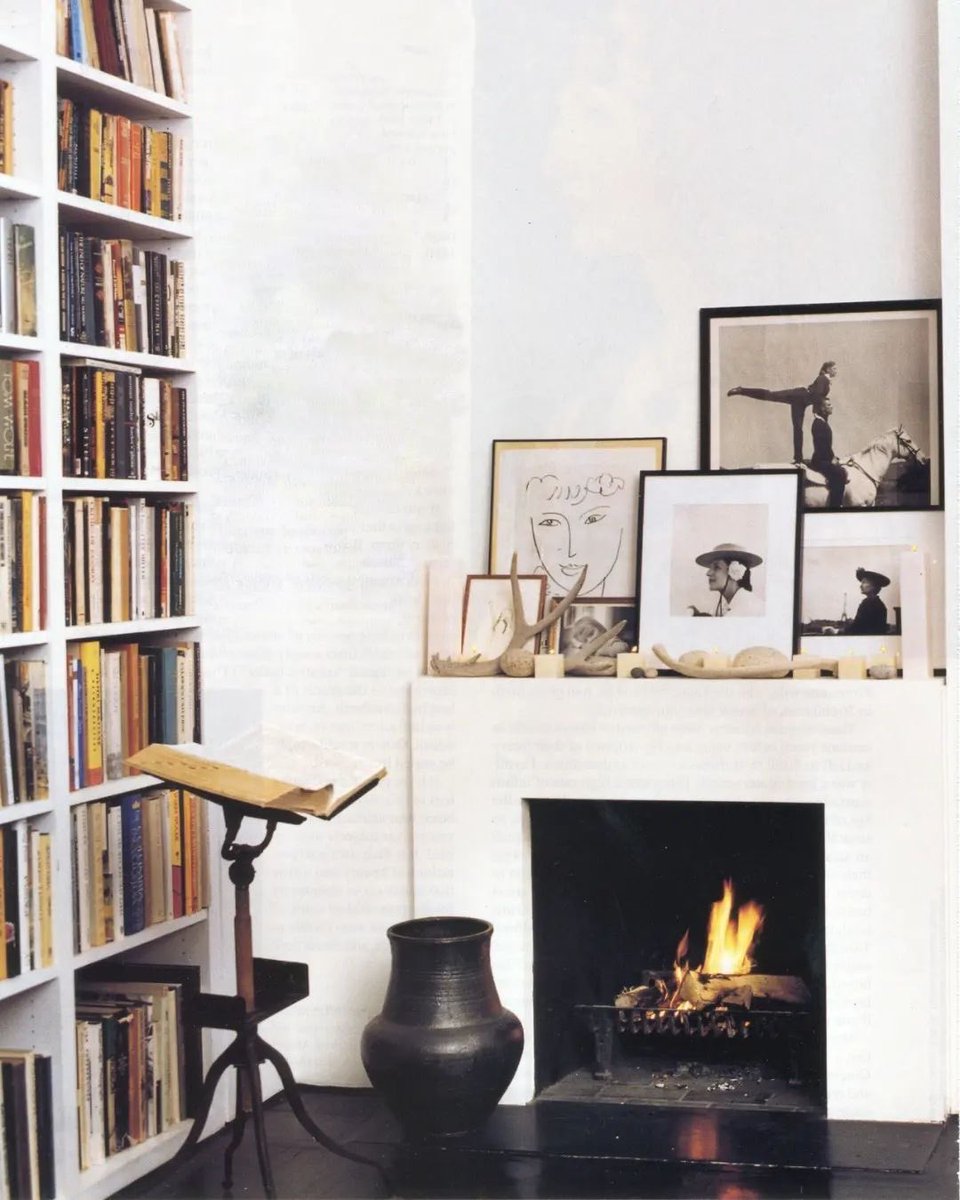
Tonne Goodman’s West Village townhome.
“I was always impressed with the Italian approach that mixed pure modernism with original classic elements in period buildings, and I thought this was the perfect space in which to achieve that.”
This! It’s very weird for me as an outsider to have always seen ppl on the news shouting about their “god given right” to carry weapons and than suddenly they don’t protect their neighbors
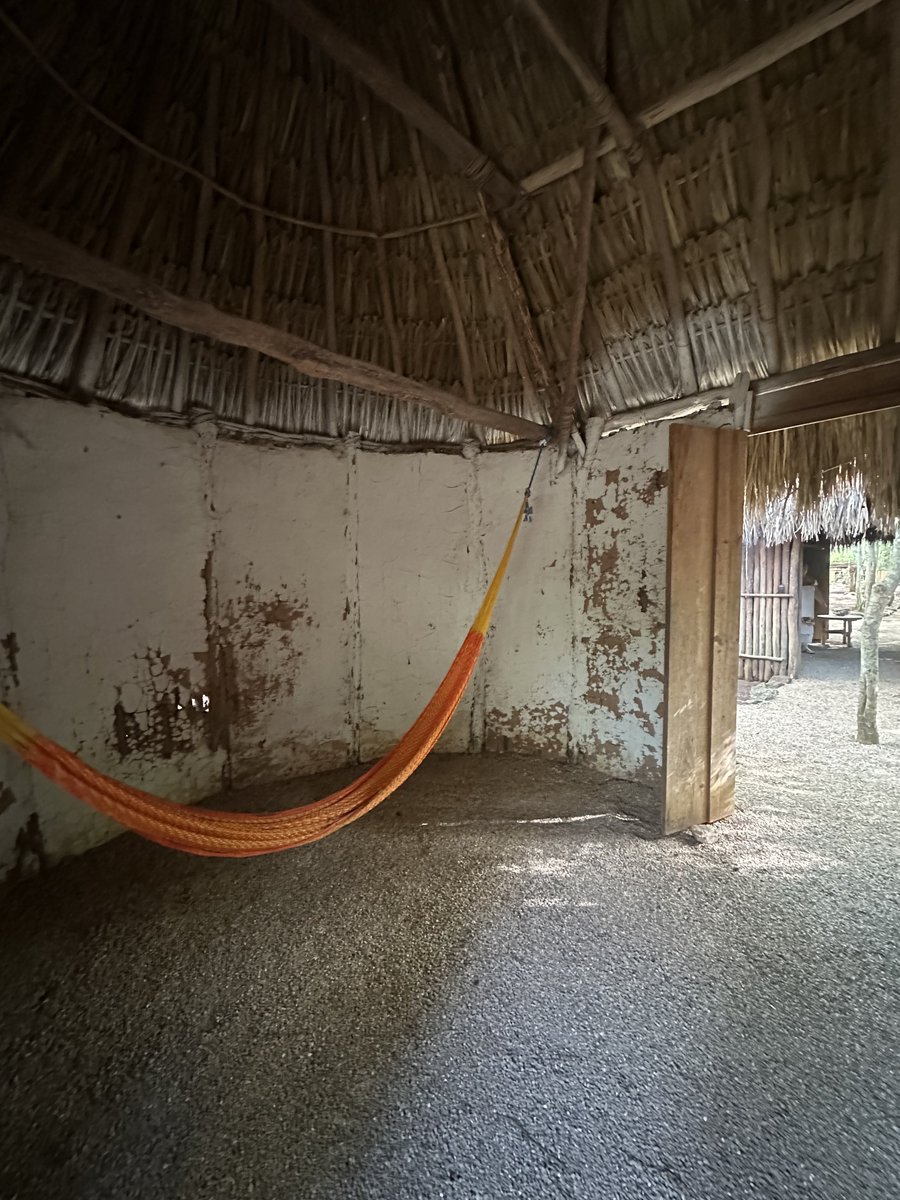
What’s in a word? Hammock. When Spanish explorers reached the Caribbean in the late 15th century, they encountered people sleeping not on the ground—where insects, snakes, dampness, and rot conspire—but in woven slings hung between trees. The Spaniards, practical to the point of astonishment, adopted both the object and its name. By the early 1500s, hamaca appears in Spanish accounts; by the mid-1500s, “hammock” drifts into English, its spelling wobbling for decades before settling down.
While the Taíno gave Europe the word, the Maya gave the hammock its most refined, enduring form.
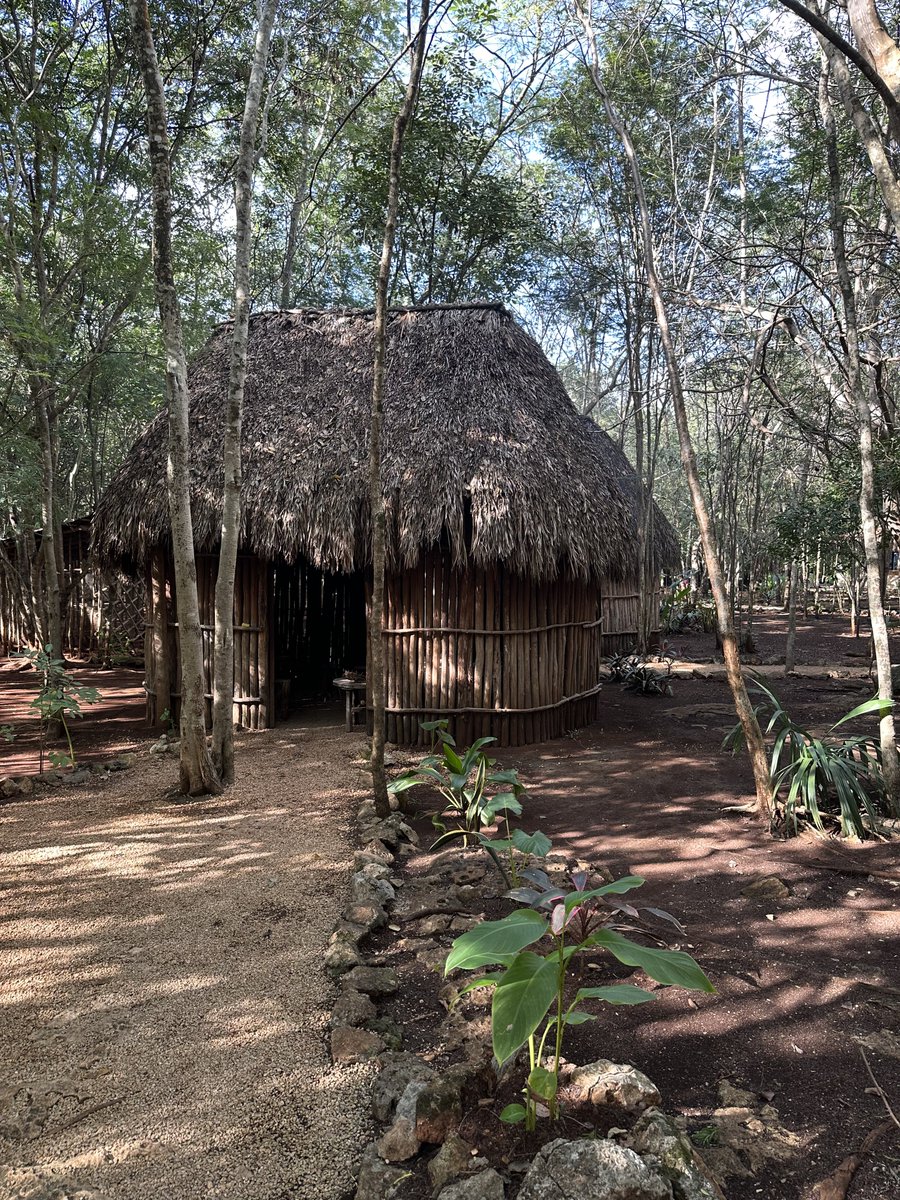
In the Maya world—across the Yucatán Peninsula and into what are now Guatemala, Belize, and Honduras—the hammock was not a novelty but a fundamental piece of domestic infrastructure. It functioned simultaneously as bed, chair, cradle, sickbed, and social geometry. Hung high during the day, it freed precious floor space in houses designed for airflow rather than furniture. At night, it lifted the sleeper away from humidity, insects, and the moral indignity of sleeping on packed earth.
Maya hammocks were traditionally woven from henequén, a tough agave fiber native to the Yucatán. The process—harvesting, retting, twisting, weaving—was labor-intensive and often gendered, passed down through generations. A good hammock was not just comfortable; it was correctly tensioned, breathable, strong enough to last decades, and elastic in a way that distributed the body’s weight evenly. Long before ergonomic studies, Maya weavers understood that the human spine prefers a gentle curve, not a flat surface.
The Spanish, and later the British, quickly recognized the hammock’s superiority at sea. Sailors adopted it en masse: it saved space, reduced vermin, and—swaying with the ship—ironically stabilized the body. Thus an Indigenous Mesoamerican sleep technology became standard naval equipment, and from there, an emblem of leisure in places far removed from its original necessity.
But in Maya communities, the hammock never became symbolic or ironic. It remained useful. Even today, in much of the Yucatán, beds are optional; hammocks are not. To offer a guest a hammock is to offer them rest, air, and trust. Children learn to climb into them before they can walk properly. Elders die in them.
So the word “hammock”, casual and beachy in modern English, masks a deeper history: a Maya solution to climate, insects, architecture, and the human body— borrowed, renamed, globalized, and never truly improved upon.